Forged in fire: Arctic artillery sharpens Indo-Pacific partnership

By Correy MathewsSeptember 7, 2025

U.S., Indian Armies exchange artillery best practices during Yudh Abhyas 2025 in Alaska
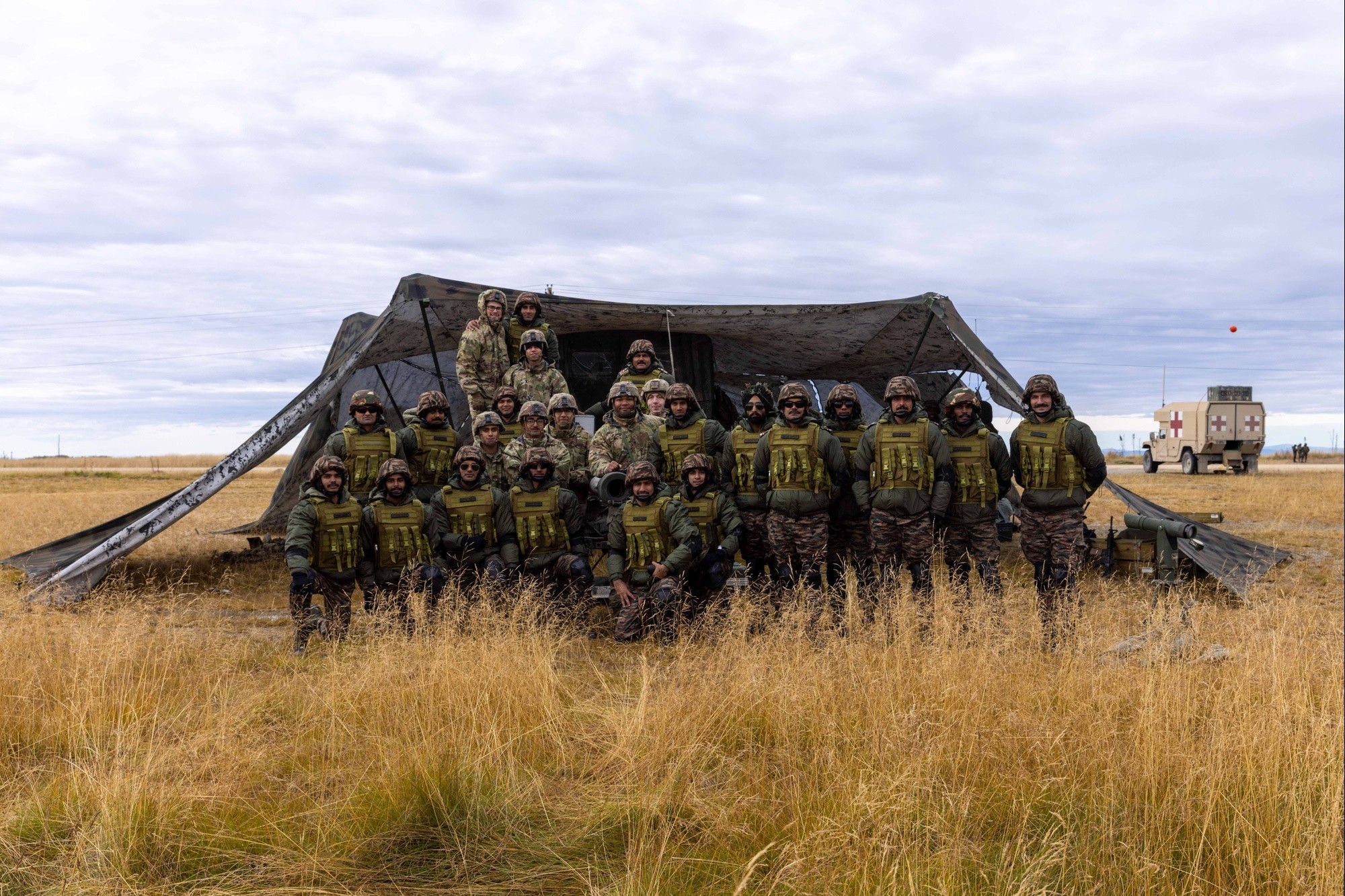
1 / 3 Show Caption + Hide Caption – Soldiers assigned to 2nd Battalion, 8th Field Artillery Regiment, 1st Infantry Brigade Combat Team (Arctic), 11th Airborne Division alongside Indian Army soldiers pose for a photo around a M119 Howitzer at Yukon Training Area, Alaska, Sept. 6 2025 during Exercise Yudh Abhyas 25. Yudh Abhyas 25 is a bilateral training exercise between the Indian Army and U.S. Army’s 11th Airborne Division, held in Fairbanks, Alaska, supporting a free and open Indo-Pacific region. (Photo Credit: U.S. Army photo by Sgt. 1st Class Ian Morales) VIEW ORIGINAL
U.S., Indian Armies exchange artillery best practices during Yudh Abhyas 2025 in Alaska
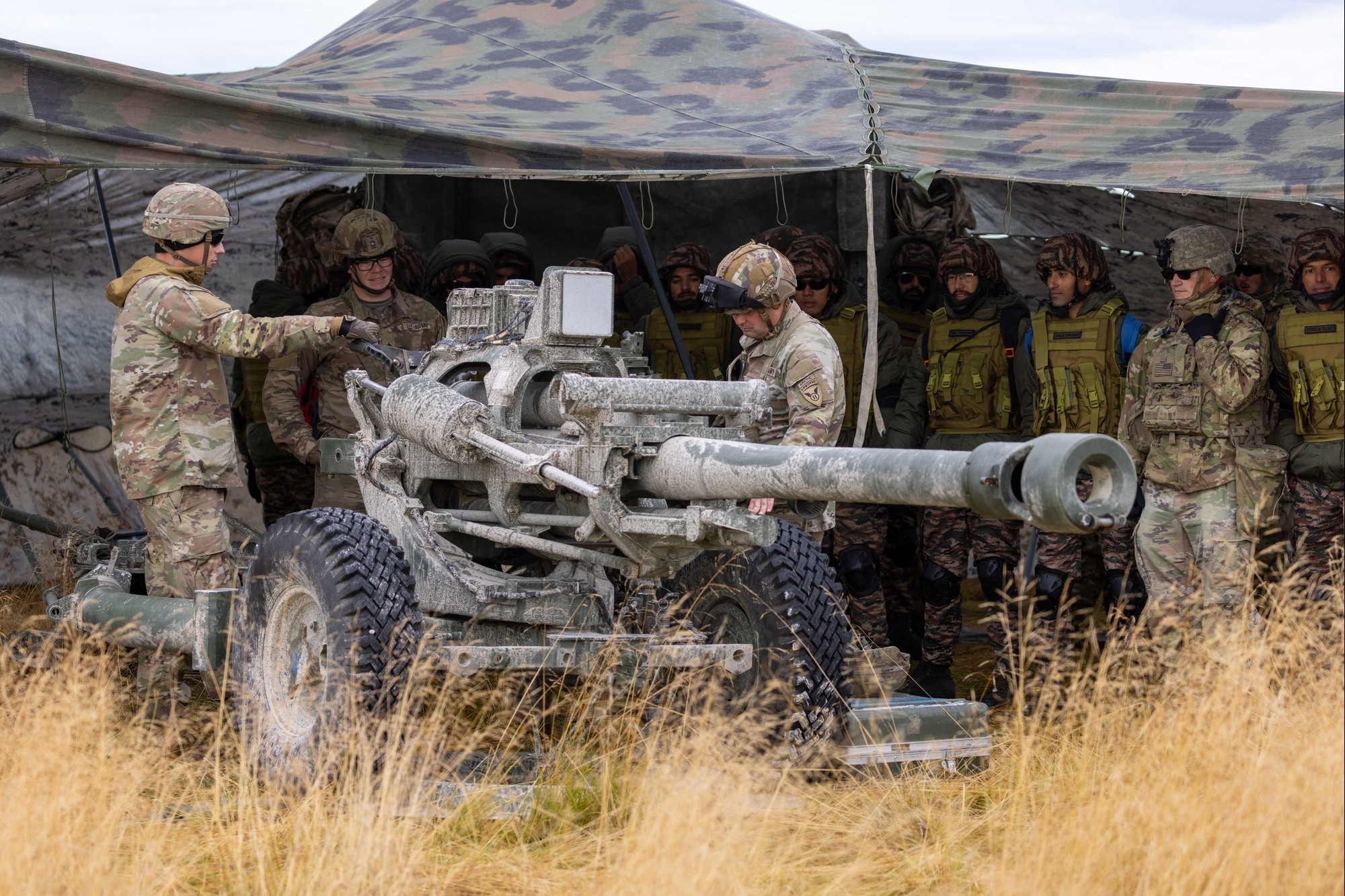
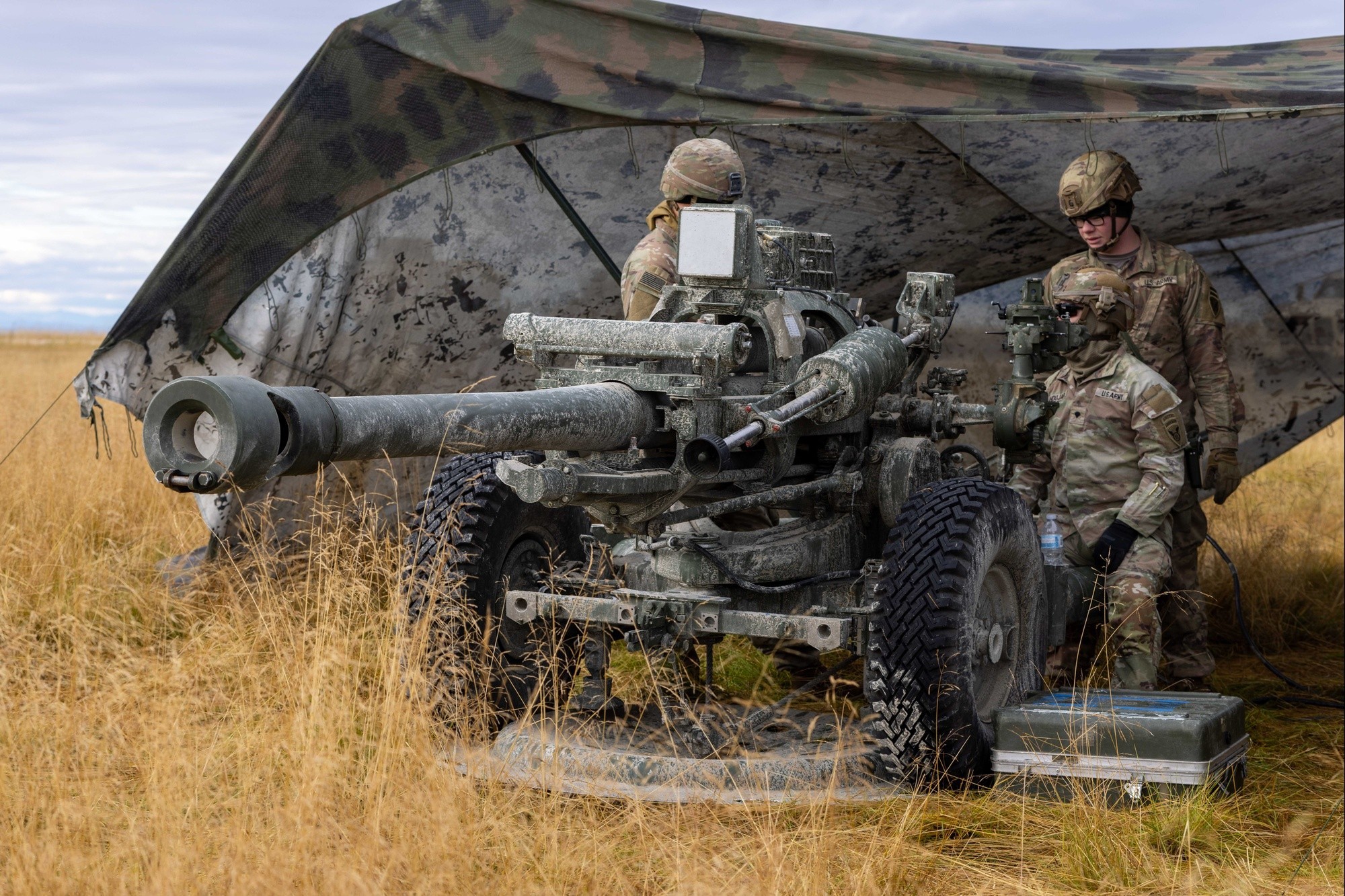
2 / 3 Show Caption + Hide Caption – Soldiers assigned to 2nd Battalion, 8th Field Artillery Regiment, 1st Infantry Brigade Combat Team (Arctic), 11th Airborne Division conduct pre-fire checks on a M119 Howitzer as Indian Army soldiers observe at Yukon Training Area, Alaska, Sept. 6 2025 during Exercise Yudh Abhyas 25. Exercise Yudh Abhyas 25 highlights the long-standing defense partnership between the Indian Army and U.S. Army, building joint readiness for future challenges in the Indo-Pacific. (Photo Credit: U.S. Army photo by Sgt. 1st Class Ian Morales) VIEW ORIGINAL
U.S., Indian Armies exchange artillery best practices during Yudh Abhyas 2025 in Alaska
3 / 3 Show Caption + Hide Caption – Soldiers assigned to 2nd Battalion, 8th Field Artillery Regiment, 1st Infantry Brigade Combat Team (Arctic), 11th Airborne Division conduct pre-fire checks on a M119 Howitzer while Indian Army soldiers observe at Yukon Training Area, Alaska, Sept. 6 2025 during Exercise Yudh Abhyas 25. Exercise Yudh Abhyas 25 highlights the long-standing defense partnership between the Indian Army and U.S. Army, building joint readiness for future challenges in the Indo-Pacific. (Photo Credit: Sgt. 1st Class Ian Morales) VIEW ORIGINAL

YUKON TRAINING AREA, Alaska — The thunder of M119 howitzers echoed across the Yukon Training Area as Soldiers of the U.S. Army’s 2nd Battalion, 8th Field Artillery Regiment joined forces with the Indian Army to conduct a live-fire exercise Sept. 6, 2025 during Yudh Abhyas 2025.

The bilateral training event marked another step in building readiness, interoperability and trust between the two nations. Yudh Abhyas, now in its 21st iteration, is a cornerstone of the U.S.–India defense partnership and a key effort in supporting a free and open Indo-Pacific.

“Firing alongside the Indian Army at Yukon Training Area shows that we’re not just allies on paper — we’re partners who can put rounds on target together,” said Capt. Chapman Johnson, Charlie “Chaos” Battery commander, 2nd Battalion, 8th Field Artillery Regiment, 1st Infantry Brigade Combat Team (Arctic), 11th Airborne Division.

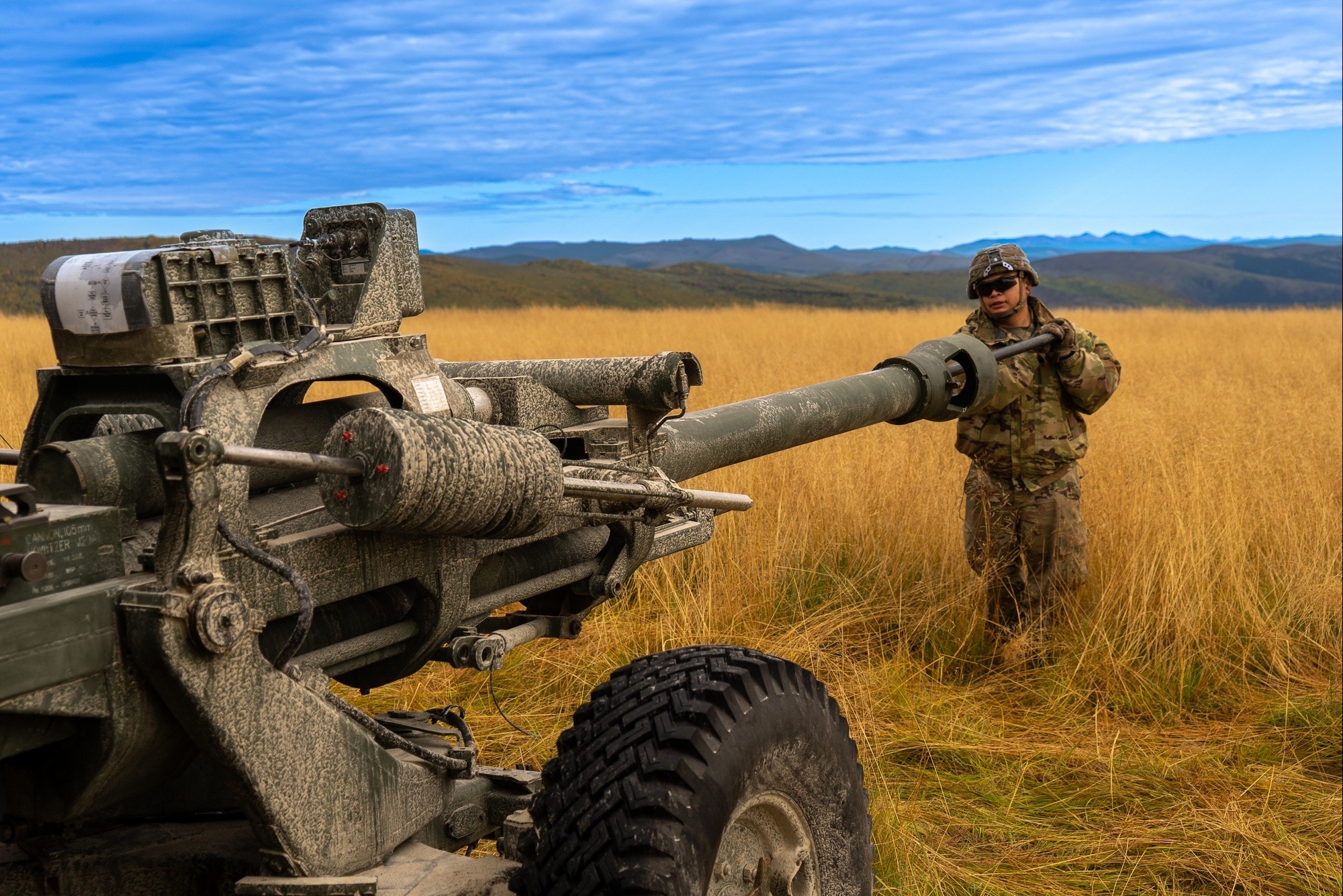
For the artillerymen of 2-8 FA, the mission was straightforward but powerful: demonstrate precision, lethality and coordination with partners more than 7,000 miles from their homeland. As the crews loaded and fired the lightweight M119 105mm howitzers, each blast sent a message about shared resolve and capability.

U.S., Indian Armies exchange artillery best practices during Yudh Abhyas 2025 in Alaska
1 / 3 Show Caption + Hide Caption – A Soldier assigned to 2nd Battalion, 8th Field Artillery Regiment, 1st Infantry Brigade Combat Team (Arctic), 11th Airborne Division discusses employment of a M119 Howitzer with an Indian Army soldier at Yukon Training Area, Alaska, Sept. 6 2025 during Exercise Yudh Abhyas 25. Yudh Abhyas 25 is a bilateral training exercise between the Indian Army and U.S. Army’s 11th Airborne Division, held in Fairbanks, Alaska, supporting a free and open Indo-Pacific region. (Photo Credit: U.S. Army photo by Sgt. 1st Class Ian Morales) VIEW ORIGINAL
Forged in Fire: U.S. and Indian Armies Deliver Arctic Artillery Power
2 / 3 Show Caption + Hide Caption – A U.S. Army artilleryman assigned to 2nd Battalion, 8th Field Artillery Regiment, 1st Infantry Brigade Combat Team (Arctic), 11th Airborne Division prepares an M119 howitzer during a live-fire event as part of Exercise Yudh Abhyas 2025 at Yukon Training Area, Alaska, Sept. 2025. The annual exercise enhances combined lethality and improves the ability of U.S. and Indian forces to operate together in demanding environments. (Photo Credit: Correy Mathews) VIEW ORIGINAL
Forged in Fire: U.S. and Indian Armies Deliver Arctic Artillery Power
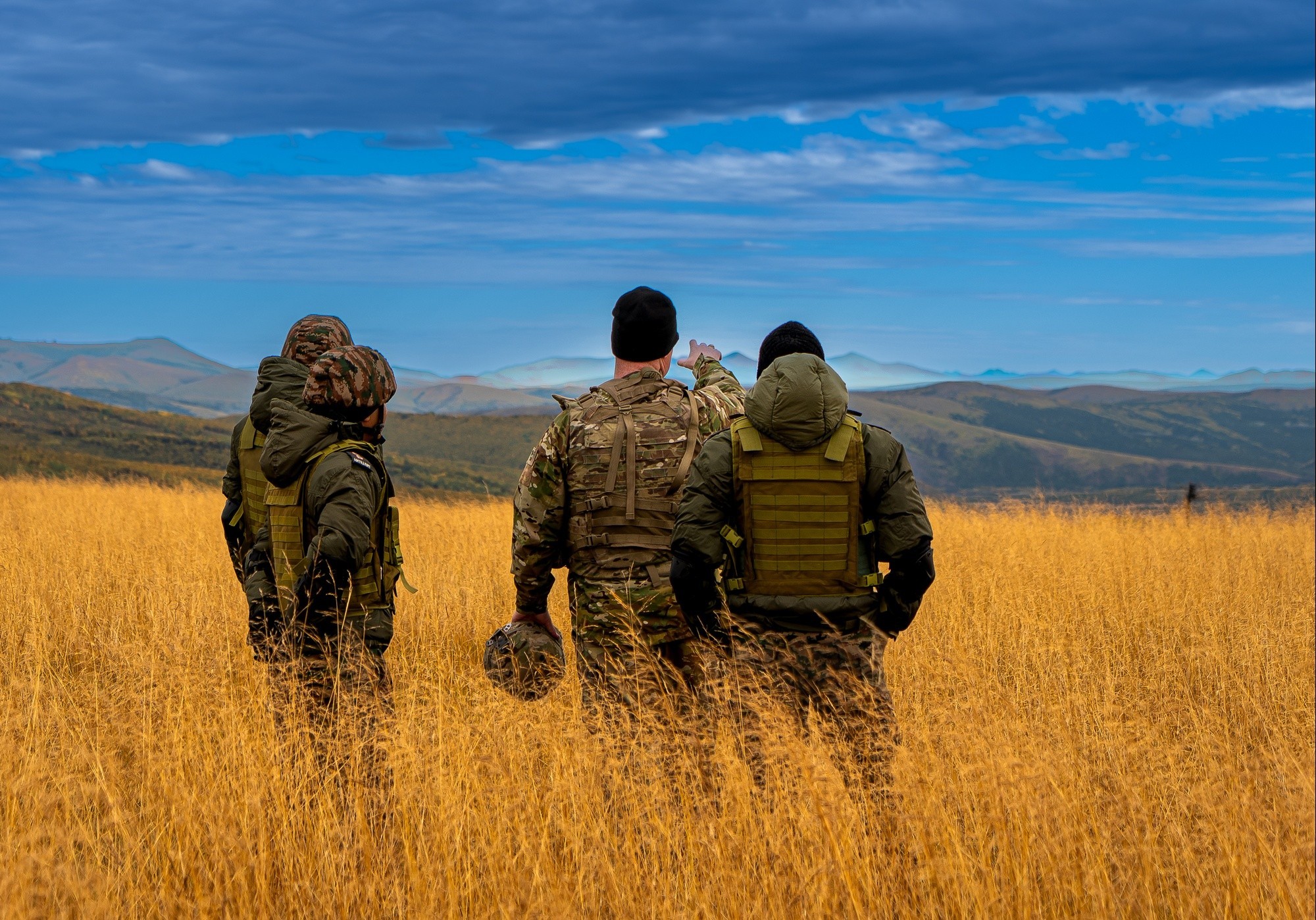
3 / 3 Show Caption + Hide Caption – U.S. Army and Indian Army Soldiers conduct terrain analysis during Exercise Yudh Abhyas 2025 at Yukon Training Area, Alaska, Sept. 2025. The bilateral training exercise sharpens readiness and demonstrates the strong defense partnership between the two nations in the Indo-Pacific region. (Photo Credit: Correy Mathews) VIEW ORIGINAL

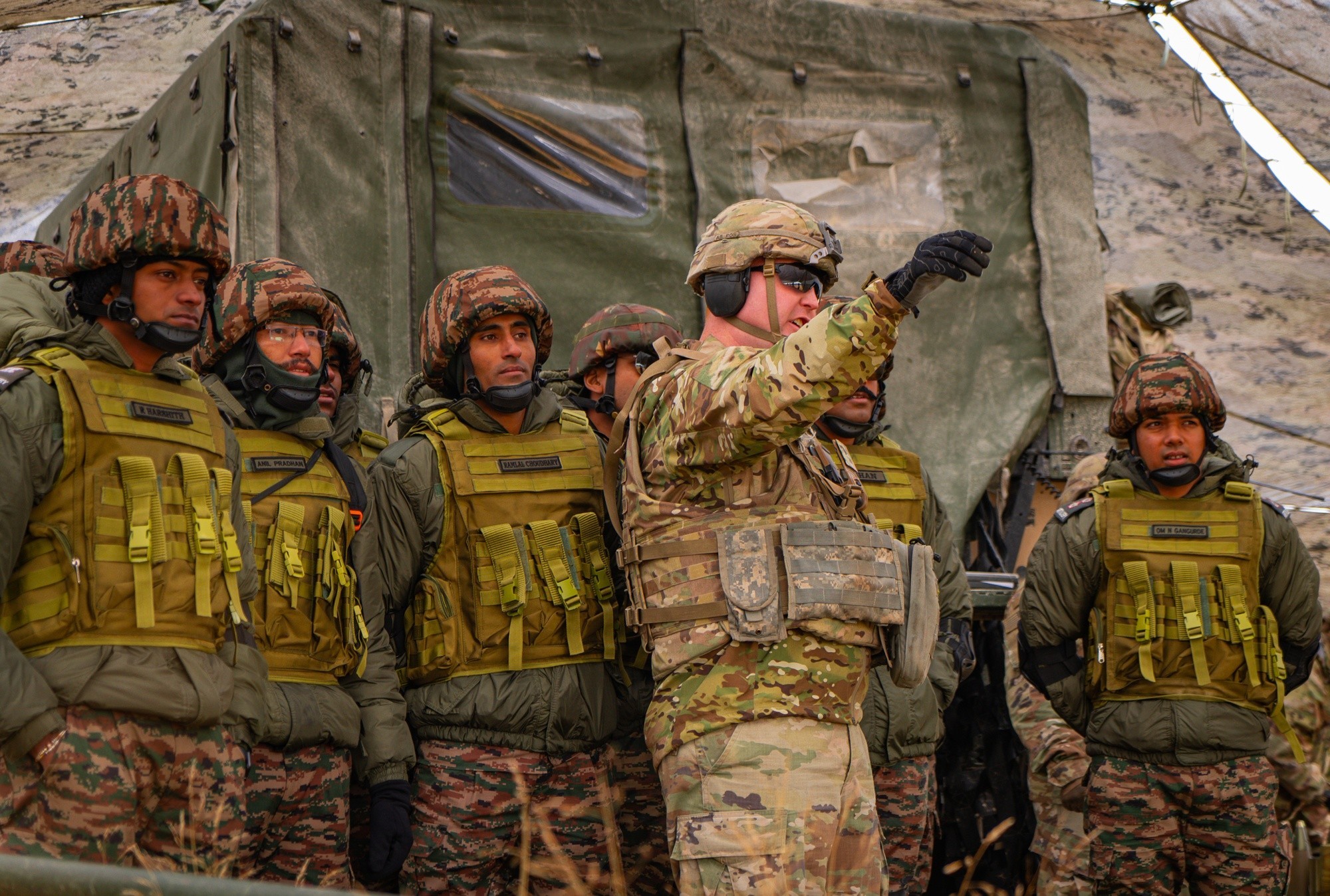
The Indian Army observed closely, with their soldiers positioned alongside American crews. The exchange of tactics, techniques and procedures allowed both forces to refine artillery operations in cold weather and high-altitude conditions. Together, they practiced rapid emplacement, sustained fires and coordination with forward observers — skills vital to any future fight.

“Every round we sent downrange was a reminder that readiness is built shoulder to shoulder, no matter the terrain or the challenge,” Johnson said.

2-8 FA, part of the 1st Infantry Brigade Combat Team, 11th Airborne Division — the Army’s only Arctic airborne division, brought unique cold weather experience to the training. Their expertise in operating in high-latitude environments added realism and depth to the exercise. For the Indian Army, training in Alaska provides exposure to extreme climates that sharpen adaptability and resilience.

“My crews train for this moment — harsh conditions, real weapons, and trusted partners at our side. That’s how you prove you’re ready for the fight,” said Sgt. 1st Class Michael Youngkin, platoon sergeant, Bravo "Brutal" Battery, 2nd Battalion, 8th Field Artillery Regiment, 1st Infantry Brigade Combat Team (Arctic), 11th Airborne Division.
U.S., Indian Armies exchange artillery best practices during Yudh Abhyas 2025 in Alaska
1 / 3 Show Caption + Hide Caption – Soldiers assigned to 2nd Battalion, 8th Field Artillery Regiment, 1st Infantry Brigade Combat Team (Arctic), 11th Airborne Division conduct pre-fire checks on a M119 Howitzer at Yukon Training Area, Alaska, Sept. 6 2025 during Exercise Yudh Abhyas 25. Yudh Abhyas 25 is a bilateral training exercise between the Indian Army and U.S. Army’s 11th Airborne Division, held in Fairbanks, Alaska, supporting a free and open Indo-Pacific region. (Photo Credit: U.S. Army photo by Sgt. 1st Class Ian Morales) VIEW ORIGINAL
Forged in Fire: Arctic Artillery Sharpens Indo-Pacific Partnership
2 / 3 Show Caption + Hide Caption – A U.S. Army Soldier from the 11th Airborne Division briefs Indian Army Soldiers before a live-fire training event during Exercise Yudh Abhyas 2025 at Yukon Training Area, Alaska, Sept. 2025. The training builds shared understanding and trust, strengthening the partnership between both nations’ armies. (Photo Credit: Correy Mathews) VIEW ORIGINAL
Forged in Fire: Arctic Artillery Sharpens Indo-Pacific Partnership
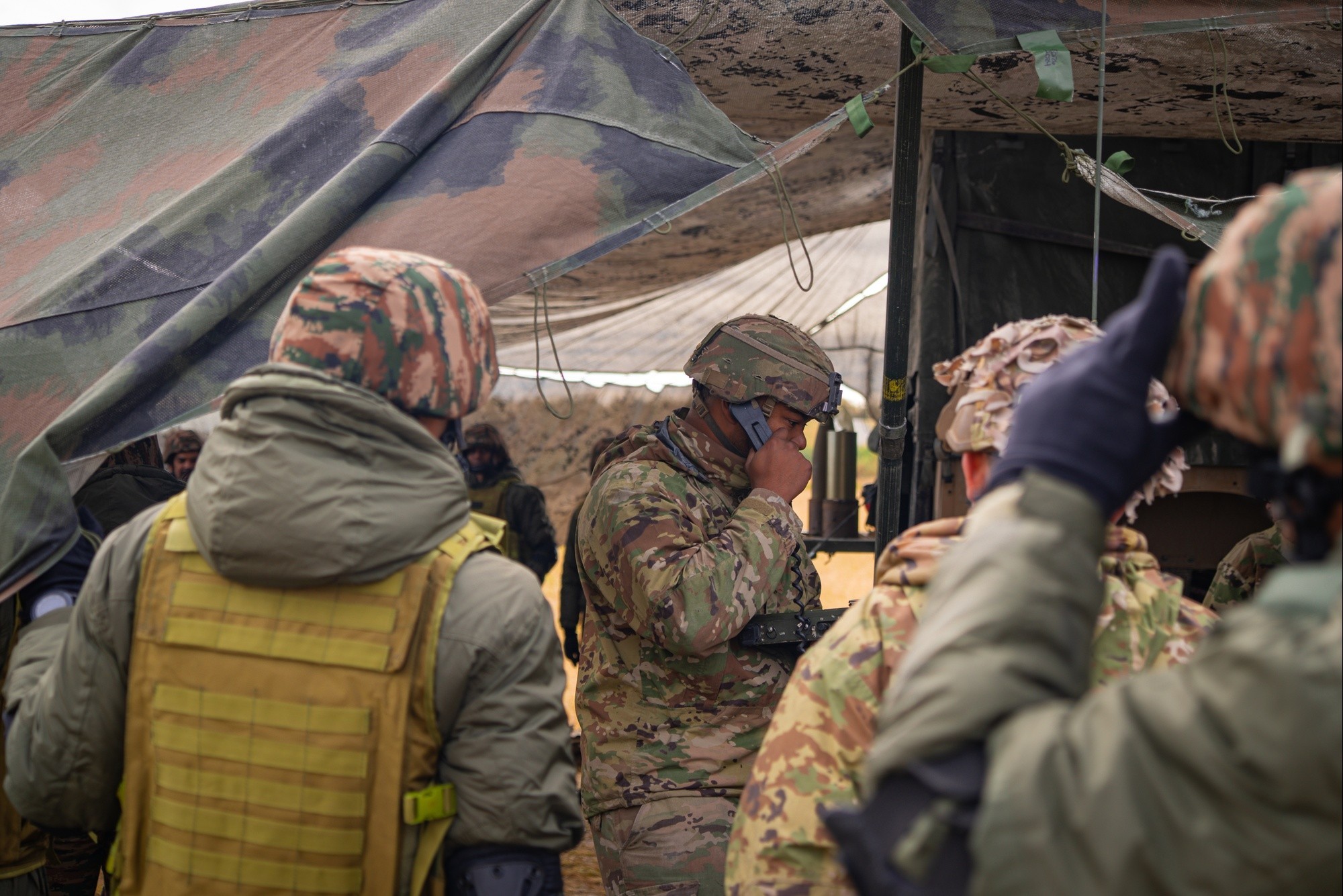
3 / 3 Show Caption + Hide Caption – A U.S. Army Soldier assigned to the 11th Airborne Division conducts fire mission communications during Exercise Yudh Abhyas 2025 at Yukon Training Area, Alaska, Sept. 2025. Yudh Abhyas is a bilateral training exercise between the U.S. Army and the Indian Army focused on building interoperability, strengthening defense partnerships, and enhancing joint readiness in the Indo-Pacific region. (Photo Credit: U.S. Army photo by Correy Mathews) VIEW ORIGINAL

Yudh Abhyas 2025 is more than an annual event, it’s a demonstration of collective commitment. The Indo-Pacific region is marked by rising challenges, and exercises like this highlight the importance of ready, disciplined and lethal formations standing shoulder to shoulder with allies.

“Working alongside our Indian Army counterparts is more than just training, it’s building trust between our units,” Youngkin said. “That trust strengthens our ability to work together should we be called to do so.”

Every round fired represented a step toward mutual understanding. Each command called and echoed across the guns reinforced the ability of two armies to act as one in the face of crisis.

As smoke drifted across the range and the final salvos thundered into the impact area, the exercise closed with more than just scorched earth. It left behind stronger ties, forged in fire and steel.

In the Indo-Pacific, partnerships are power. Yudh Abhyas proves that no matter the environment, jungle, desert or Arctic tundra — the U.S. and Indian Armies will stand ready together, ensuring peace is preserved and the region remains free and open.