Editor's Note: The 2008 National Defense Authorization Act authorized the Secretary of Defense to conduct a program to commemorate the 50th anniversary of the Vietnam War. This year, Picatinny Arsenal is honoring employees past and present who served during that era.
PICATINNY ARSENAL, N.J. (April 30, 2015) -- Kalman Kolis, 80, will have served 60 years of government service this coming December, part of which includes working at Picatinny Arsenal during the Vietnam War.
To put the amount of time that Kolis has served his country into perspective; if you subtract weekends and federal holidays, he would have reported for duty an astounding 15,540 days when he completes his 60 years at the end of 2015.
Kolis reported to work at Picatinny Arsenal for the first time on December 19, 1955 serving on the General Schedule pay scale as a GS-4. He reached GS-15 by 1975.
He also served in the U.S. Army from October 1956 to October 1958.
The New Jersey native was drafted and, after completing basic training, was stationed at Camp Roberts, California, where he served in the Ordnance Corps.
"During the Southeast Asia/Vietnam War era, I was a civilian engineer assigned to the Office of the Project Manager, Bombs and Related Components (later Bombs and Explosives), from October 1966 to May 1973," Kolis said.
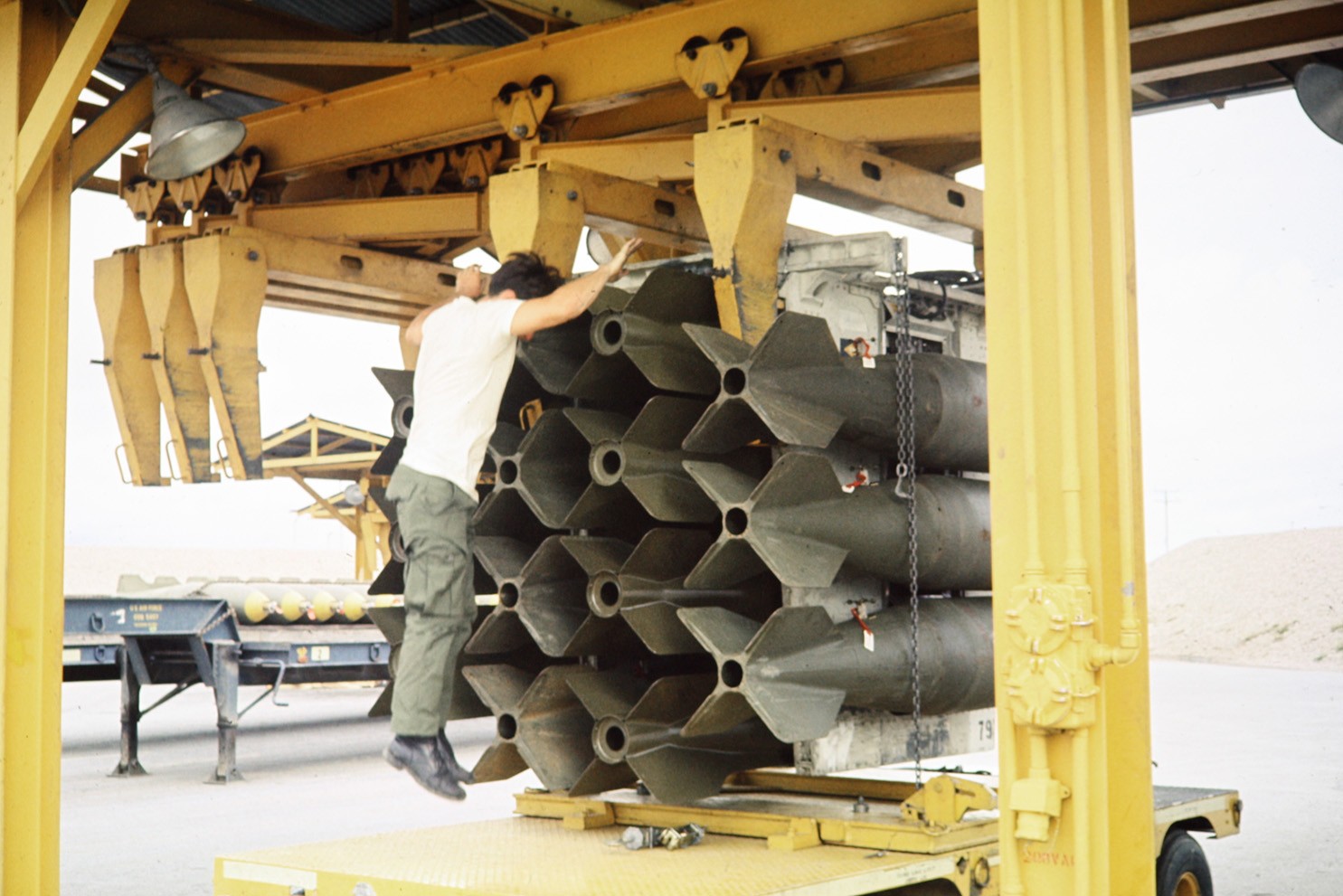
His responsibilities included managing the production of general purpose bombs for use by the U.S. Air Force and Navy.
This included the production of metal parts, the loading and assembly, and shipment to ports on the east and west coasts.
"Our Technical Management Division in the project manager's office had a few military lieutenants and captains who were chemical engineers assigned to assist the civilians in the explosive programs," Kolis said.
"During that period the Army was adapting a Canadian continuous process for the production of TNT, and the explosive team was managing the installation of five continuous lines at Radford Army Ammunition Plant (AAP)," he said.
"Until then, TNT had only been produced in batch lines in the U.S. What makes this interesting was that those young 'military scientists' were also often assigned as 'notification officers' who had to deal with families in the area who had lost family members in combat in Vietnam.
There were a lot of sad tales involved with that part of their duty at Picatinny."
As a part of his role Kolis regularly visited all the bomb manufacturers, loading facilities (Cornhusker Army Ammunition Plant, Crane and McAlester Navy Depots) and Air Force and Navy operational headquarters in Washington D.C.
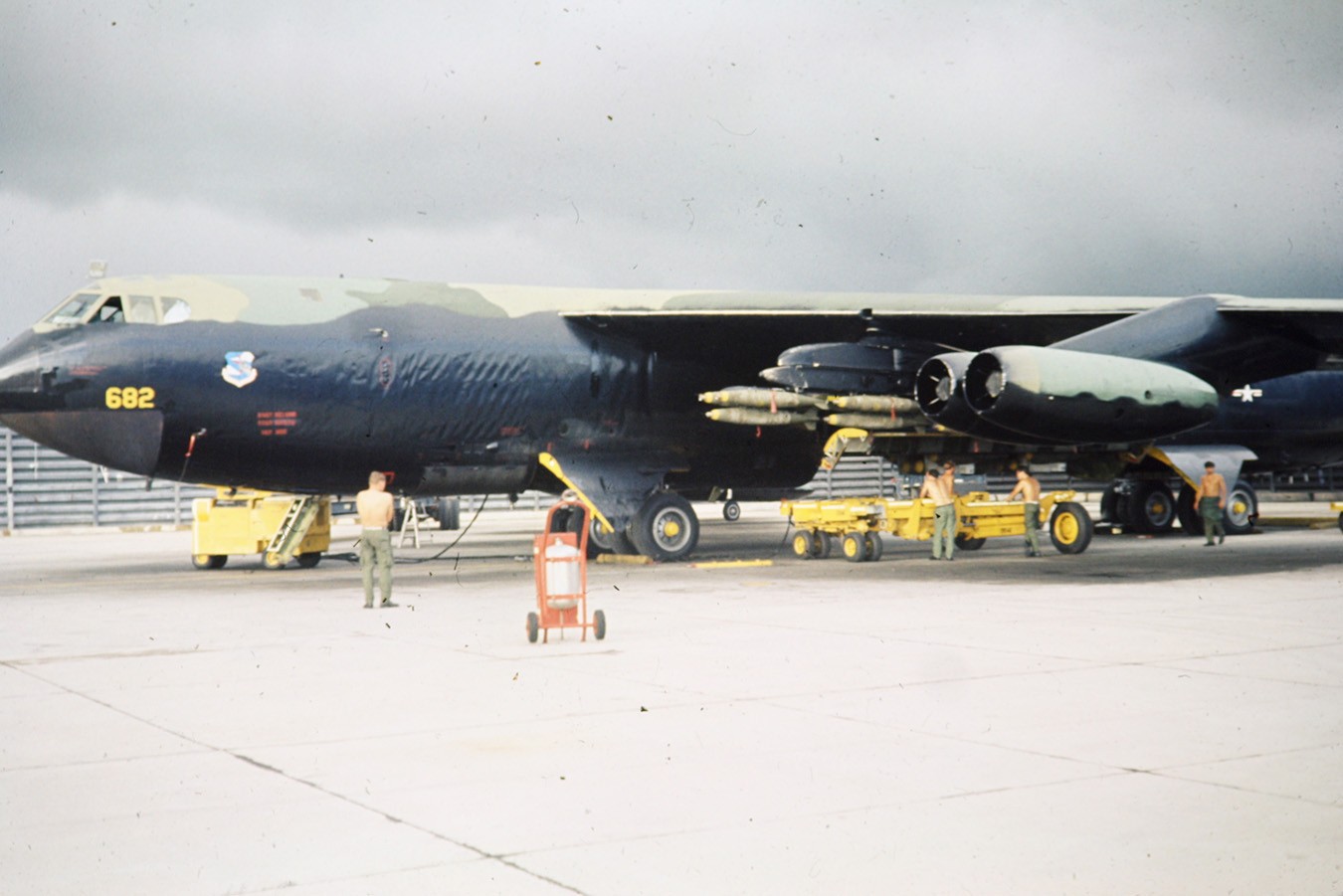
"I also made three visits to Thailand (U-Tapao Air Force Base) and Anderson Air Force Base or Guam to monitor bomb quality and effectiveness of design changes and how they impacted the operations at a major B52 base in theater."
As far as the most memorable experience in his 60 years at Picatinny, Kolis said he has many, leaving him with a great sense of accomplishment.
"Number one, however, probably would be my first visit to U-Tapao Air Base, Thailand in October 1971.
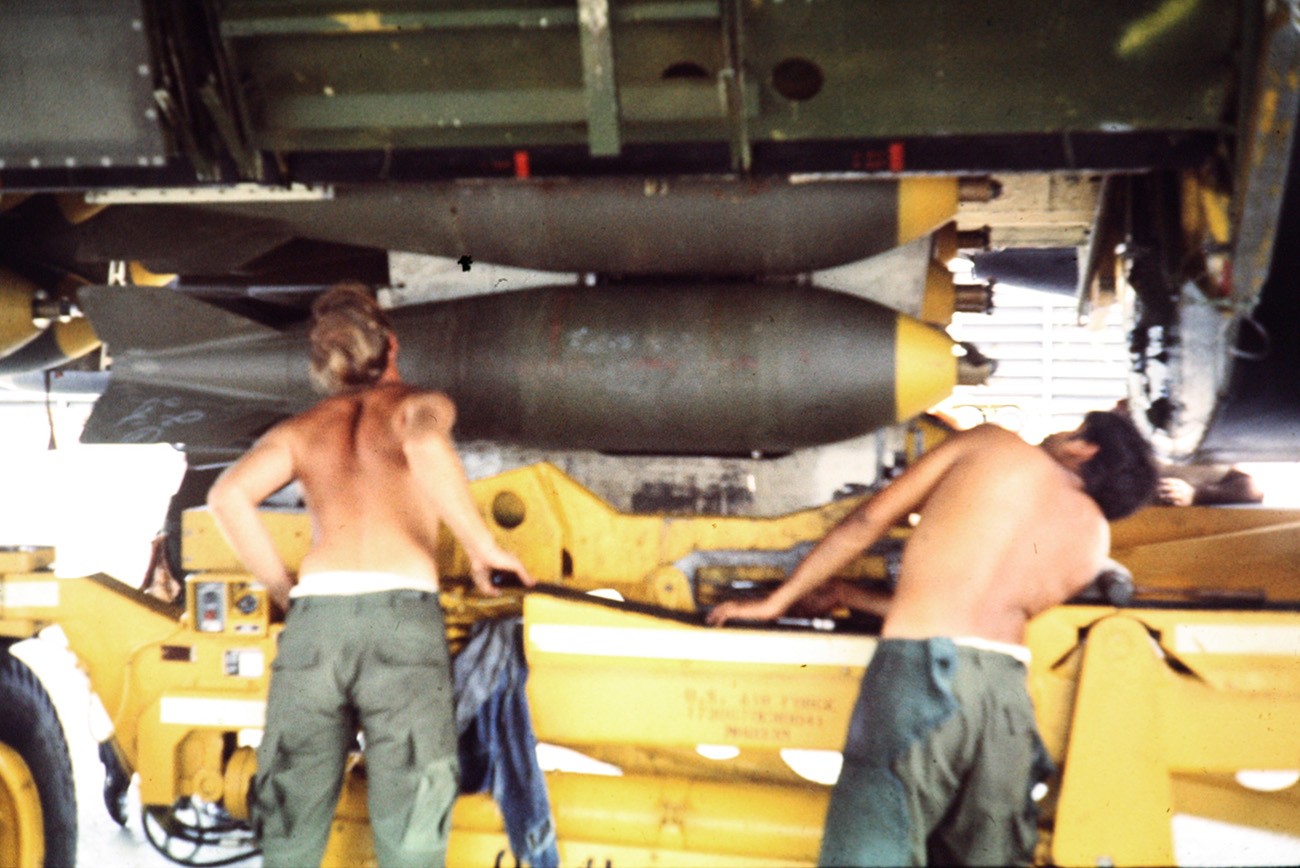
"Walking around the revetments full of bombs with the Air Force people from the maintenance squadron and realizing they were working with and assembling the products of my labor, so to speak, gave me a great feeling."
"Then hanging around with the B52 crews in the officer's club; hearing their mission related stories, and watching them unwind after their missions was rewarding since I knew I was really contributing to the success of their missions by being responsible for the bombs in their plane's bomb bays and on the ejection racks on their wings."
Kolis is currently Branch Chief in the Demilitarization and Environmental Technology Division, Munitions Engineering Technology Center at the U.S. Army Armament Research, Development and Engineering Center.
His section is responsible for providing warfighter capabilities in the areas of energetics, warheads, pyrotechnics, advanced materials, environmental, demilitarization and manufacturing technologies for munition items and other designated critical warfighter armament components.
During his career, Kolis has held a number of positions.
"Over the course of my career, I have been involved with nuclear weapon adaption kits during the Cold War era (1958-1966), project management of bombs and related components during the Southeast Asia era (1966-1973), project management of production base modernization and expansion (1973-1996) and providing Program Executive Offices and Program Manager organizations with life cycle readiness production and environmental documentation (1996-present)," Kolis said.
"I've been a Branch Chief, Division Chief, Deputy Director and Director of various organizations," he said.
Social Sharing