
G-1
U.S. Army G-1 | Personnel
MISSION
The Deputy Chief of Staff for the Army, G-1, develops and implements effective policy and leads programs that build sustained personnel readiness in the Army's greatest asset - people.
- The G-1 is responsible for the execution of assigned functions and the achievement of missions in support of the Secretary of the Army, Chief of Staff of the Army and the Assistant Secretary of the Army (Manpower & Reserve Affairs).
- The G-1 develops and implements effective policy, identifies methods of execution of assigned functions, and leads programs that build sustained personnel readiness.
- The G-1 directly supports the Army's greatest asset - people, by instituting policy and programs that strive to positively impact Soldiers, Civilians, and Families today and in the future.
VISION
Trusted professionals providing innovative solutions to optimize Army personnel readiness -- today and tomorrow.
- Trusted professionals are valued as experts and leaders. Trusted professionals accept their role and the responsibility as stewards of America's precious resources - people and taxpayer dollars.
- These leaders are empowered to develop and facilitate innovative solutions in response to the changing environment, facilitating access, development, and solutions as the U.S. Army anticipates the future operating environment and way ahead.
- These leaders optimize Army personnel readiness and reinforce our core responsibility - readiness, today and tomorrow, and enduring across the continuum of time.
Latest News
-
 Army modernizes Direct Commissioning Program to accelerate access to critical talent
July 9, 2026
Army modernizes Direct Commissioning Program to accelerate access to critical talent
July 9, 2026
-
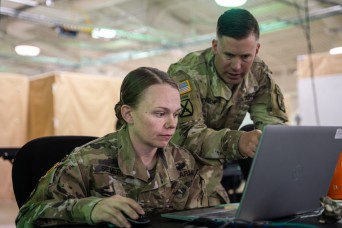 New Vantage Dashboard Enhances Readiness Reporting
June 24, 2026
New Vantage Dashboard Enhances Readiness Reporting
June 24, 2026
-
 Army reduces PCS moves to boost readiness and family stability
June 10, 2026
Army reduces PCS moves to boost readiness and family stability
June 10, 2026
-
 Army’s new feedback system gives leaders unprecedented visibility into unit climate and retention trends
June 2, 2026
Army’s new feedback system gives leaders unprecedented visibility into unit climate and retention trends
June 2, 2026
-
 Army Updates Retention Program for 2026, Rewarding Performance and Commitment
March 25, 2026
Army Updates Retention Program for 2026, Rewarding Performance and Commitment
March 25, 2026


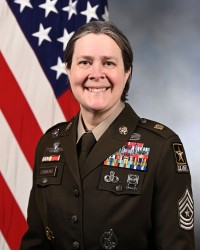
G-1 Organizations
- Army Expeditionary Civilian Workforce (AECW)
- Army Research Institute
- Civilian Human Resources Agency (CHRA)
- Directorate of Military Personnel Management (DMPM)
- Human Resources Command (HRC)
- Management Support Office (MSO)
- Plans and Resources Directorate (PR)
- Strategic Initiative Group (SIG)
- Technology and Business Architecture Integration (TBAI)
- The Institute of Heraldry (TIOH)
- Training, Readiness and Mobilization
Army G-1 Resources
-
- RBA Case Tracking System (ACTS) online
- Army Benefits
- Army Fit
- Army Demographics
- Army Mobilization and Deployment Reference (AMDR)
- Army People First: Fort Hood Independent Review
- Army Substance Abuse Program (ASAP)
- Army Uniform Policy
- Centralized Suitability Service Center (CSSC)
- Civilian Personnel Online (CPOL)
- Freedom of Information Act (FOIA)
- Join the Army!
- Medal of Honor
- MyArmyBenefits (MAB)
- Navigating Civilian Employment
- Retirement Services
- S-1 Net
- Sexual Harassment & Assault Response and Prevention (SHARP)
- Soldier for Life
- U.S. Army Disaster Personnel Accountability and Assessment System (ADPAAS)
- Veteran Benefits
DA PAM 600-3
Smartbook for DA Pam 600-3 Officer Professional Development and Career Management
Officers are encouraged to read both DA PAM 600 – 3 and Smartbook DA PAM 600 – 3, regardless of branch, functional area (FA), military occupational specialty (MOS), or career field held, because unique and valuable lessons in Army culture and officer professional development are found in every section.
PAM 600-3: OPERATIONS
-
EN DA PAM 600-3 9 June 2026.pdf [PDF - 7.6 MB]
-
Military Police DA PAM 600-3 June 2024.pdf [PDF - 1.2 MB]
PAM 600-3: FORCE SUSTAINMENT
-
ADJUTANT GENERAL BRANCHAG DA PAM 600-3_26 JAN 26.pdf [PDF - 331.3 KB] [PDF - 331.3 KB]
AG Slides https://api.army.mil/e2/c/downloads/2026/01/26/5a16bee1/cmf42-slides-jan-26.pdf
PAM 600-3: INFORMATION DOMINANCE
-
DA Pam 600-3 Cyber Branch (FY25).pdf [PDF - 1.6 MB]
CHART
Cyber Career Maps (FY25).pptx [PPTX - 160.1 KB]
PAM 600-3: SPECIAL BRANCHES
PAM 600-3: OPERATIONS SUPPORT
-
INFORMATION NETWORKS ENGINEERING FA
MILITARY INTELLIGENCE BRANCH
NUCLEAR AND CWMD OFFICER FA
OPERATIONS RESEARCH/SYSTEMS ANALYSIS FA
PUBLIC AFFAIRS FA
SIGNAL CORPS BRANCH
SIMULATION OPERATIONS FA
SPACE OPERATIONS FA
STRATEGIC INTELLIGENCE FA
STRATEGIST FA
UNITED STATES MILITARY ACADEMY PROFESSOR FA
-
Public AffairsFA_46_Public_Affairs_Oct 23 .pdf [PDF - 385.2 KB]
PAM 611-21
Welcome to Smartbook DA PAM 611-21 which provides guidance to individuals, commanders, personnel managers, proponents, and combat and material developers. Additionally, it contains information on the classification of individuals by identifiers and classification of positions (duty position title, identifier(s) and grade in requirements and authorization documents). This publication implements the policy contained in AR 611-1.
PAM 611-21 Documents
-
Chapter 1 - Introduction, Processes & Procedures for MOCS Revisions
Chapter 2 - Officer Classification System
Chapter 3 - Specifications for Branches and Functional Areas
Chapter 3A - Officer Physical Requirements
Chapter 4 - Officer Skill Identifiers
Chapter 5 - Grade Structure for Officer Positions
Chapter 5A - Specific Officer AOC Grading Tables
Chapter 5B - Standards of Grade For Unique Organizations
Chapter 6 - Warrant Officer Classification System
Chapter 7 - Warrant Officer Reporting Codes
Chapter 8 - Warrant Officer MOS Specifications and Standards of Grade
Chapter 8A - Warrant Officer Branch and Area of Concentration Specifications
Chapter 8B - Warrant Officer MOS Specifications
Chapter 8C - Warrant Officer MOS Standards of Grade
Chapter 8D - Warrant Officer Physical Requirements
Chapter 9 - Enlisted Classification System
Chapter 10 - Enlisted MOS, Specifications, Standards of Grade, Physical Demands, and Career Charts
Chapter 10A - CMF Career Progression Charts
Chapter 10B - Enlisted MOS Physical Requirements
Chapter 10C - Enlisted MOS Specifications
Chapter 10D - Enlisted MOS Standards of Grade
Chapter 11 - Standards of Grade (SG) for Specialized Duty Functions
Chapter 12 - Enlisted Special Qualification Identifiers and Additional Skill Identifiers
Chapter 13 - Enlisted Closed MOS (Rescinded 20160201)
PAM 600-25
PAM 600-25
Welcome to the Smartbook, DA-PAM-600-25, Noncommissioned Officer Professional Development Guide. This guide outlines noncommissioned officer development and career management fields. While this does not prescribe the path of assignment or educational assignments that will guarantee success, it does describe the full spectrum of developmental opportunities a noncommissioned officer can expect throughout a career
PAM 600-25 Documents
-
MOS 00Z - DA Pam 600-25; NCO Evaluation Board Supplement
- DATE UPDATED: 14 Apr 22
-
CMF 11: Infantry
CMF 11 – DA Pam 600-25; NCO Evaluation Board Supplement
- DATE UPDATED: 18 Oct 22
CMF 11 – Board Brief; NCO Evaluation Board Supplement
- DATE UPDATED: 25 Aug 25
-
DA Pam 600-25; NCO Evaluation Board Supplement
- DATE UPDATED: 22 Jan 26
Board Brief; NCO Evaluation Board Supplement
- DATE UPDATED: 25 Aug 25
-
DA Pam 600-25; NCO Evaluation Board Supplement
- DATE UPDATED: 25 Aug 26
Board Brief; NCO Evaluation Board Supplement
- DATE UPDATED: 25 Aug 26
-
DA Pam 600-25; NCO Evaluation Board Supplement
- DATE UPDATED: 9 Aug 24
Board Brief; NCO Evaluation Board Supplement
- DATE UPDATED: 20 Aug 25
-
DA Pam 600-25; NCO Evaluation Board Supplement
- DATE UPDATED: 25 Aug 26
Board Brief; NCO Evaluation Board Supplement
- DATE UPDATED: 25 Aug 26
-
DA Pam 600-25; NCO Evaluation Board Supplement
- DATE UPDATED: 30 Jan 25
Board Brief; NCO Evaluation Board Supplement
- DATE UPDATED: 26 Jun 26
-
DA Pam 600-25; NCO Evaluation Board Supplement
- DATE UPDATED: 28 May 25
Board Brief; NCO Evaluation Board Supplement
- DATE UPDATED: 25 Aug 25
-
DA Pam 600-25; NCO Evaluation Board Supplement
- DATE UPDATED: 21 Aug 25
Board Brief; NCO Evaluation Board Supplement
- DATE UPDATED: 21 Aug 25
-
DA Pam 600-25; NCO Evaluation Board Supplement
- DATE UPDATED: 25 Jun 24
Board Brief; NCO Evaluation Board Supplement
- DATE UPDATED: 25 Aug 26
-
DA Pam 600-25; NCO Evaluation Board Supplement
DATE UPDATED: 13 Mar 26
Board Brief; NCO Evaluation Board Supplement
- DATE UPDATED: 24 Aug 26
-
DA Pam 600-25; NCO Evaluation Board Supplement
- DATE UPDATED: 21 Aug 25
Board Brief; NCO Evaluation Board Supplement
- DATE UPDATED: 21 Aug 25
-
DA Pam 600-25; NCO Evaluation Board Supplement
- DATE UPDATED: 30 Jan 25
Board Brief; NCO Evaluation Board Supplement
- DATE UPDATED: 26 Aug 25
-
DA Pam 600-25; NCO Evaluation Board Supplement
- DATE UPDATED: 27 Jun 25
Board Brief; NCO Evaluation Board Supplement
- DATE UPDATED: 20 Aug 25
-
DA Pam 600-25; NCO Evaluation Board Supplement
- DATE UPDATED: 19 Jul 24
Board Brief; NCO Evaluation Board Supplement
- DATE UPDATED: 25 Aug 25
-
DA Pam 600-25; NCO Evaluation Board Supplement
- DATE UPDATED: 22 Feb 24
Board Brief; NCO Evaluation Board Supplement
- DATE UPDATED: 21 Aug 25
-
DA Pam 600-25; NCO Evaluation Board Supplement
- DATE UPDATED: 30 Sep 26
Board Brief; NCO Evaluation Board Supplement
- DATE UPDATED: 30 Sep 26
-
DA Pam 600-25; NCO Evaluation Board Supplement
- DATE UPDATED: 21 Jul 26
Board Brief; NCO Evaluation Board Supplement
- DATE UPDATED: 21 Jul 26
-
DA Pam 600-25; NCO Evaluation Board Supplement
- DATE UPDATED: 30 Sep 25
Board Brief; NCO Evaluation Board Supplement
- DATE UPDATED: 11 Sep 25
-
DA Pam 600-25; NCO Evaluation Board Supplement
- DATE UPDATED: 4 Feb 26
Board Brief; NCO Evaluation Board Supplement
- DATE UPDATED: 4 Feb 26
-
DA Pam 600-25; NCO Evaluation Board Supplement
- DATE UPDATED: 12 Apr 22
Board Brief; NCO Evaluation Board Supplement
- DATE UPDATED: 22 Jul 26
-
DA Pam 600-25; NCO Evaluation Board Supplement
- DATE UPDATED: 14 Apr 22
Board Brief; NCO Evaluation Board Supplement
- DATE UPDATED: 28 Oct 25
-
DA Pam 600-25; NCO Evaluation Board Supplement
- DATE UPDATED: 22 Aug 23
Board Brief; NCO Evaluation Board Supplement
- DATE UPDATED: 19 Sep 25
-
DA Pam 600-25; NCO Evaluation Board Supplement
- DATE UPDATED: 3 Sep 25
Board Brief; NCO Evaluation Board Supplement
- DATE UPDATED: 20 Aug 25
-
DA Pam 600-25; NCO Evaluation Board Supplement
- DATE UPDATED: 9 Sep 26
Board Brief; NCO Evaluation Board Supplement
- DATE UPDATED: 26 Jun 26
-
DA Pam 600-25; NCO Evaluation Board Supplement
- DATE UPDATED: 18 Dec 24
Board Brief; NCO Evaluation Board Supplement
- DATE UPDATED: 21 Aug 25
-
DA Pam 600-25; NCO Evaluation Board Supplement
- DATE UPDATED: 15 Aug 24
Board Brief; NCO Evaluation Board Supplement
- DATE UPDATED: 20 Aug 25
-
DA Pam 600-25; NCO Evaluation Board Supplement
- DATE UPDATED: 15 Aug 24
Board Brief; NCO Evaluation Board Supplement
- DATE UPDATED: 20 Aug 25
-
DA Pam 600-25; NCO Evaluation Board Supplement
- DATE UPDATED: 28 Jan 25
Board Brief; NCO Evaluation Board Supplement
- DATE UPDATED: 22 Aug 25
-
DA Pam 600-25; NCO Evaluation Board Supplement
- DATE UPDATED: 9 Aug 24
Board Brief; NCO Evaluation Board Supplement
- DATE UPDATED: 20 Aug 25
DA PAM 601-280 Army Retention Program Procedures
Welcome to Smartbook DA PAM 601-280
DA PAM 601-280 Army Retention Program Procedures
This pamphlet provides guidance and procedures for the Army Retention Program. For those Soldiers serving in the Regular Army, it outlines procedures for immediate reenlistment or extension of enlistment. For Soldiers separating from the Regular Army, it outlines eligibility standards and options for enlistment or transfer into the Reserve Component (U.S Army Reserve and Army National Guard). This publication implements the policy contained in AR 601-280.
PAM 601-280 Documents
Program Overview

Your voice, your career, your Army. The Department of the Army Career Engagement Survey (DACES) program gives Soldiers a direct role in shaping the future of the force. Through the Engagement Survey, Soldiers can share candid feedback about their quality of life, quality of work, organizational climate, and overall satisfaction while still serving. This timely, targeted input helps leaders address issues proactively and strengthen the Soldier experience. To ensure meaningful insights without adding extra burden, the survey has careful limits on how often Soldiers are surveyed and offers tailored questions for both the Active and Reserve components.
The Exit Survey, completed upon transition, captures the key factors that influence a Soldier's decision to leave the service. Now fully integrated into IPPS-A, the survey is easy to access, secure, and designed to encourage candid, confidential participation. Together, the Engagement and Exit Surveys provide leaders with a full picture of the Soldier lifecycle. This allows leaders at all echelons to make data-driven improvements that enhance readiness, inform retention efforts, and build quality of life programs to retain talent. Your participation ensures your experience builds a stronger, more responsive Army.
Take the Army Exit Survey
Exit survey responses contribute to ongoing Army efforts to identify trends, improve support programs, and enhance policies that directly impact Soldier well-being and career satisfaction.
- IPPS-A Invitation: If you are separating from active duty via retirement, Unqualified Resignation (UQR), or Release from Active Duty (REFRAD), you will receive an official invitation to complete your exit survey directly through IPPS-A.
- On-Site QR Codes: You can quickly access and complete the survey by scanning the QR codes posted at your local installation transition site.
If you are leaving service, click the link to access the confidential, online Army Exit Survey.
DACES Dashboards: Turning Data into Decisions
DACES dashboards provide Army leaders with real-time, confidential insights into the factors influencing Soldier satisfaction, retention, and overall quality of life. Using data collected from both the Engagement and Exit Surveys, these tools highlight findings across units, installations, and the total force.
Leaders at battalion level and above can quickly identify emerging challenges and tailor solutions to their specific formations. By delivering timely, data-driven information, DACES dashboards empower the Army to make informed decisions that strengthen readiness and improve the Soldier experience.
Media Gallery
This repository serves as an archive for official articles, press coverage, and media highlights featuring DACES initiatives and impacts.
-
Army overhauls career survey, gives leaders real-time insight into retention trends
July 20, 2026 | Federal News NetworkNew Army exit survey places soldier sentiment at command fingertips
July 7, 2026 | Stars and StripesArmy’s new feedback system gives leaders unprecedented visibility into unit climate and retention trends
June 2, 2026 | Army.mil
Frequently Asked Questions
-
Yes. Your confidentiality is our highest priority. All survey responses are aggregated and anonymized to protect individual identities. Data is only presented in groups to ensure that no single individual can be identified. This allows you to provide candid and honest feedback without any personal or professional risk.
-
DACES data serves as a direct line of communication between Soldiers and Army leadership. The aggregated findings are used to:
- Identify Army-wide trends in satisfaction, retention, and quality of life.
- Inform the creation and refinement of Army policies and support programs
- Provide leaders at the battalion level and above with insights into their specific units through the DACES dashboards, allowing them to make localized, data-driven improvements.
-
Access to the DACES analytics dashboards is restricted to authorized personnel at the battalion command level and above to ensure data privacy and security. If you believe you should have access but are unable to log in, please contact LTC Kaylee K. Bandy at Kaylee.k.bandy.mil@army.mil for assistance with permissions and access verification.
-
The Engagement Survey is periodically offered to currently serving Soldiers in both the Active and Reserve components. The Exit Survey is offered to all Soldiers who are in the process of separating or retiring from the Army as part of their out-processing.
-
We are very mindful of survey fatigue. The DACES program is designed with careful limits on how frequently Soldiers are surveyed for the Engagement Survey. This ensures that when you are asked for feedback, it is for a high-priority, meaningful topic. The Exit Survey is only administered once upon your final separation.
-
Yes, it absolutely does. Your feedback provides the ground-truth data that senior leaders use to make real changes. Past survey results have directly influenced policies related to pay, housing, PCS moves, retention incentives, and career development. Taking a few minutes to share your experience is one of the most effective ways to improve the Army for yourself and for future Soldiers.
Latest G-1 News
-
 Building Financial Readiness Starts With Knowing Your Benefits
September 22, 2026
Building Financial Readiness Starts With Knowing Your Benefits
September 22, 2026
-
Supporting Military Children’s Mental Well-Being Through the Challenges of PCS
September 22, 2026
-
 Helping Army Kids Navigate a New School After a Move
September 22, 2026
Helping Army Kids Navigate a New School After a Move
September 22, 2026
-
Lethal Means Safety: Protecting What Matters Most
September 22, 2026
-
 New to the Army and Far From Home? It Doesn’t Mean You Have to Be Alone
September 22, 2026
New to the Army and Far From Home? It Doesn’t Mean You Have to Be Alone
September 22, 2026
-
 Don’t Be Misled: Understanding the Risks of Synthetic Cannabinoids and Kratom
September 22, 2026
Don’t Be Misled: Understanding the Risks of Synthetic Cannabinoids and Kratom
September 22, 2026
-
The Note—How a Pentagon Team Mobilized to Save a Life
September 22, 2026
-
3 Army Organizations Earn 2026 Suicide Prevention Recognition Awards
September 22, 2026
-
Army Establishes Julia Compton Moore Lifetime Achievement Award for Army Spouses
September 22, 2026
-
 Nearly a century later, Fort Bragg historic homes get new life
October 8, 2026
Nearly a century later, Fort Bragg historic homes get new life
October 8, 2026
-
 Tom and Kristi Battles honored for 23,000 hours of volunteer service
October 8, 2026
Tom and Kristi Battles honored for 23,000 hours of volunteer service
October 8, 2026
-
 Fitness meets SHARP, MEO education in 38th ADA’s ‘No One Left Behind’ challenge
October 8, 2026
Fitness meets SHARP, MEO education in 38th ADA’s ‘No One Left Behind’ challenge
October 8, 2026
-
 HOMES.mil connects Fort Bragg community with off-post housing
October 7, 2026
HOMES.mil connects Fort Bragg community with off-post housing
October 7, 2026
-
 Joint Innovation Outpost builds overmatch blueprint with Army’s first operational acquisition detachment
October 5, 2026
Joint Innovation Outpost builds overmatch blueprint with Army’s first operational acquisition detachment
October 5, 2026
-
 94th Army Air and Missile Defense Command hosts PACSIM 26
October 2, 2026
94th Army Air and Missile Defense Command hosts PACSIM 26
October 2, 2026
-
 Fort Bragg opens Children’s Waiting Room to help Families prioritize health
October 2, 2026
Fort Bragg opens Children’s Waiting Room to help Families prioritize health
October 2, 2026
-
FACES OF THE FORCE: COLLABORATION IS KEY
September 30, 2026
-
 A life of service, a lasting legacy: Fort Buchanan remembers Albit Esteves Quiñones
September 29, 2026
A life of service, a lasting legacy: Fort Buchanan remembers Albit Esteves Quiñones
September 29, 2026
-
 Always Apply Logic
September 29, 2026
Always Apply Logic
September 29, 2026
-
 Fort Bragg EFMP brings Families together through inclusive activities
September 24, 2026
Fort Bragg EFMP brings Families together through inclusive activities
September 24, 2026
-
 ACS PROGRAM ENABLES OFFICERS TO PURSUE ADVANCED STEM DEGREES
September 23, 2026
ACS PROGRAM ENABLES OFFICERS TO PURSUE ADVANCED STEM DEGREES
September 23, 2026