(Editor’s note: The following article and courtesy graphic were provided by Colorado Springs Utilities, Fort Carson’s utility provider.)
Colorado Springs Utilities (Springs Utilities) is dedicated to ensuring its services remain as reliable as possible year-round, but individual preparedness is just as vital for Colorado Springs’ overall resilience.
Here are the top 10 steps you can take to increase your emergency preparedness:
1. Know your risks (Colorado style)
Think about the hazards most likely to affect Colorado Springs. While national events are important, focus on what’s relevant locally: severe weather (snowstorms, wind, lightning), power outages (sometimes weather-related) and even wildfires. Knowing what people might face here helps them prepare more effectively.
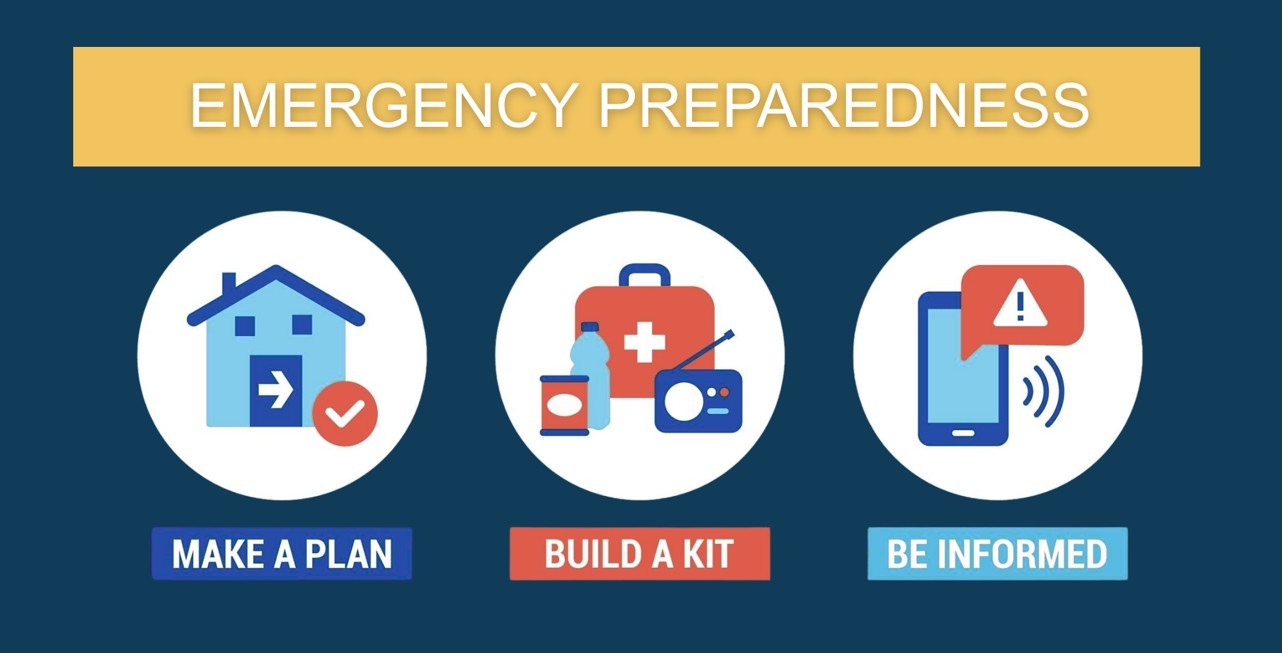
2. Sign up for local alerts and warnings
Stay informed. Make sure to sign up for Peak Alerts at peakalerts.org. Knowing when something is happening is the first step in staying safe.
3. Create a family emergency plan
All households should know what to do in different emergencies. Where will they meet if they’re separated? Who is their out-of-state contact person? How will they communicate if cell service is down? Having a plan reduces panic and helps everyone know what to do.
4. Build a basic emergency kit
Gather essential supplies that will last for at least three days. This should include the following:
- Water (one gallon per person per day)
- Non-perishable food
- First-aid kit
- Flashlight
- Extra batteries
- Whistle
- Dust mask
- Plastic sheeting and duct tape to shelter-in-place
- Moist towelettes
- Garbage bags and plastic ties for personal sanitation
- A manual can opener
- Local maps
- Cell phones with chargers
Don’t forget items for specific needs, such as medications, baby supplies and pet food.
5. Prepare for power outages
Colorado Springs Utilities works hard to minimize outages, but they can happen. Have flashlights, a battery-powered or hand-crank radio and consider having a backup power source for essential medical equipment, if needed. Know how to safely operate a generator.
6. Know how to shut off water
In certain emergencies, it might be necessary to turn off the water. Locate the main shut-off valve now and learn how to operate it safely.
7. Consider financial preparedness
Emergencies can have financial impacts. If possible, have some cash on hand (ATMs may not work during power outages) and consider current insurance coverage.
8. Practice a plan
Just like fire drills at school, it’s helpful to practice a family emergency plan. Talk through different scenarios and make sure everyone knows what to do; This helps identify any gaps in a plan.
9. Check on neighbors
During and after an emergency, check on vulnerable neighbors, especially seniors or those with disabilities, who may need extra help.
10. Start small, stay informed and be consistent
Preparedness doesn’t happen overnight. Start with one or two steps this month and gradually build readiness. Stay informed about potential hazards and review and update plans and kits at least once a year. Consistency is key.
Springs Utilities is committed to keeping its community powered and safe. By taking these steps, everyone plays a vital role in making Colorado Springs more resilient.
For more detailed information and resources, visit Pikes Peak Regional Office of Emergency Management at https://pproem.com and https://www.ready.gov.
Social Sharing