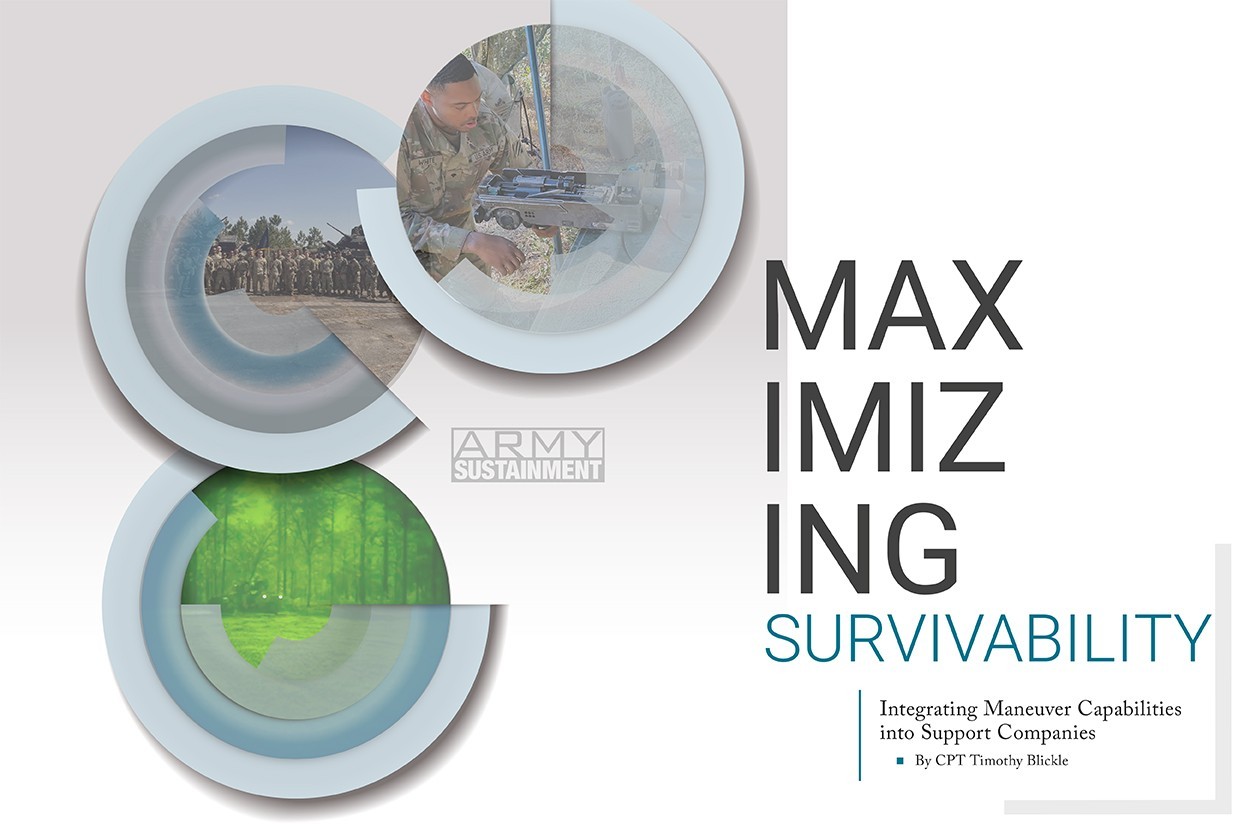
Middle: Members of India Forward Support Company and the 3-15 Infantry Battalion commander pose with the company’s M2A4s at the conclusion of the division’s force-on-force exercise, March 2025, Fort Stewart, Georgia.
Bottom: A Bradley assigned to India Company, 3-15 Infantry Battalion, conducts logistics release point security during battalion-level force-on-force operations, February, 2025, Fort Stewart, Georgia. VIEW ORIGINAL
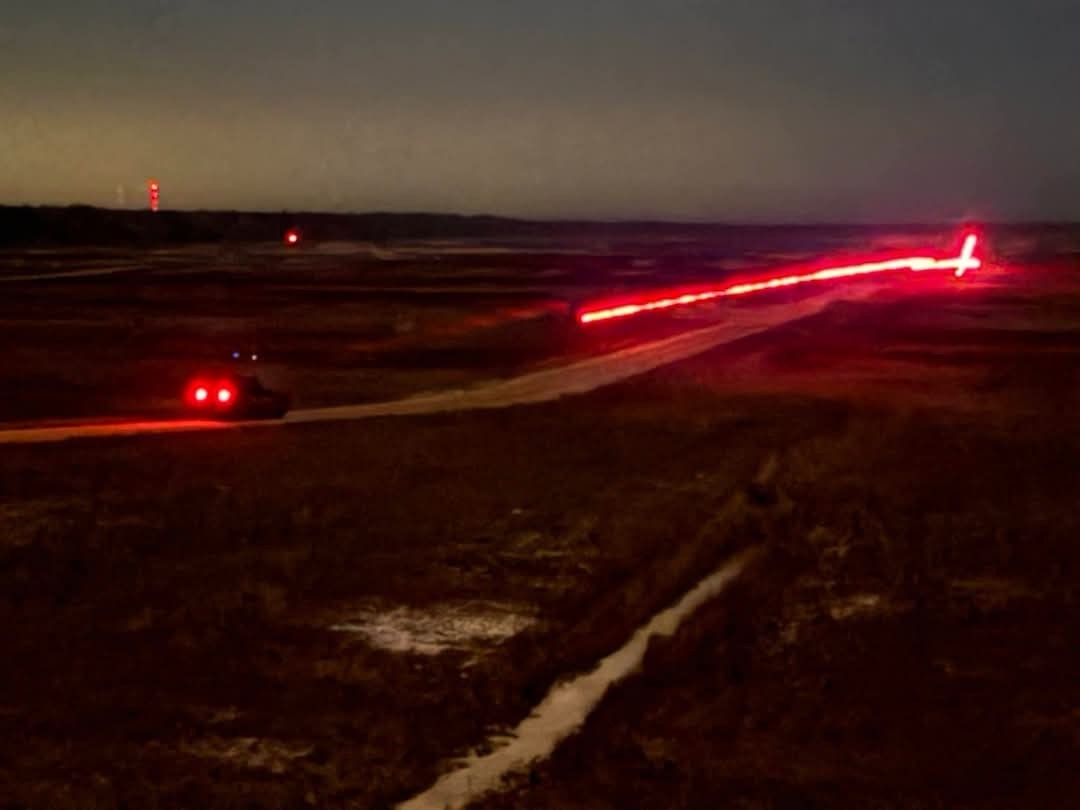
2025, Fort Stewart, Georgia. VIEW ORIGINAL

commander pose with the company’s M2A4s at the conclusion of the division’s force-on-force exercise, March 2025, Fort Stewart, Georgia. VIEW ORIGINAL

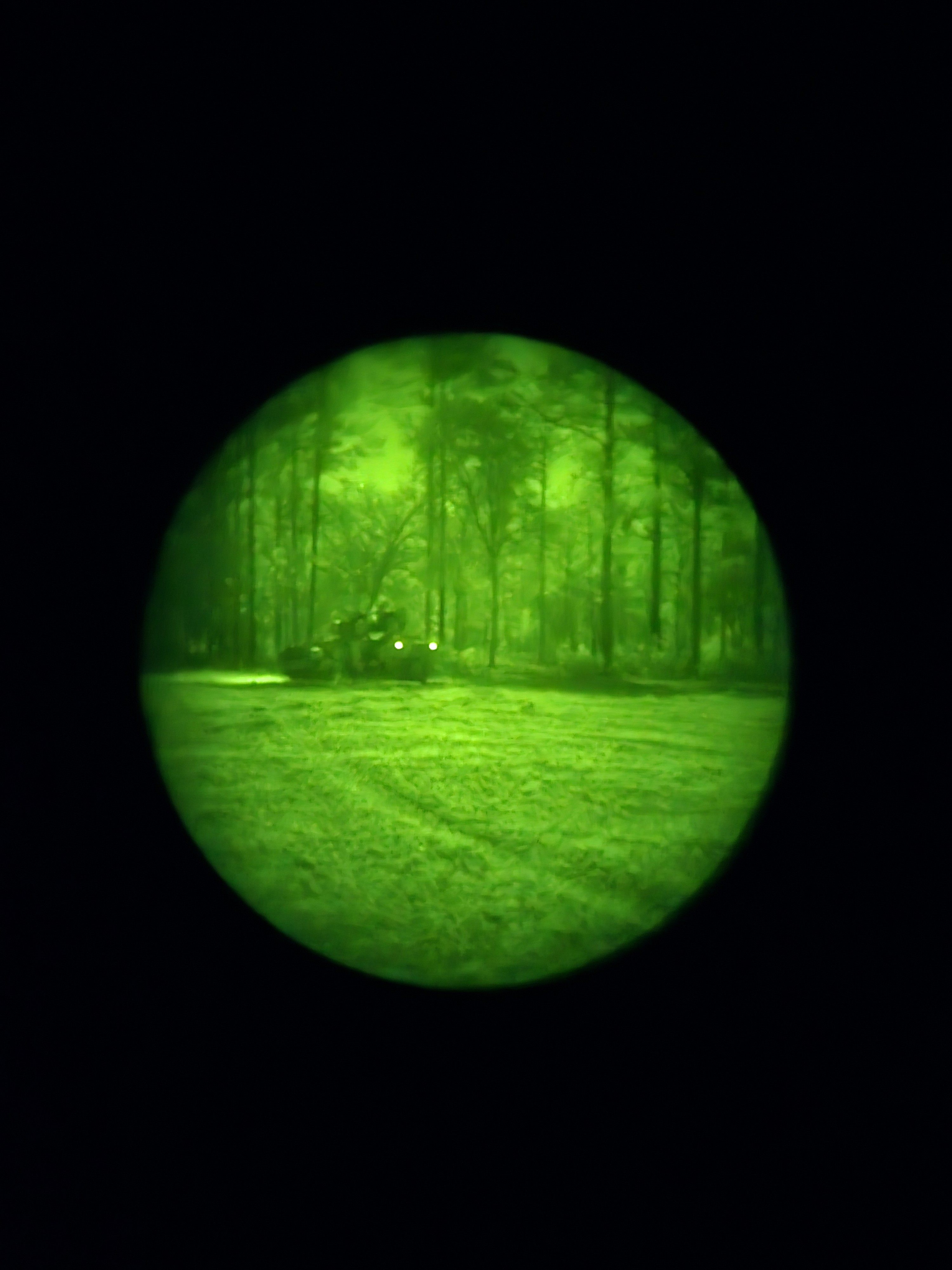
point security during battalion-level force-on-force operations, February 2025,
Fort Stewart, Georgia. VIEW ORIGINAL
The Army continues to modernize and adapt its fighting formations to meet the demands of large-scale combat operations (LSCO) through Transformation in Contact. As the Army restructures and evolves to dominate multidomain operations in a LSCO environment, sustainment forces will continue to be frontline enablers who extend maneuver commanders’ operational reach, ensure freedom of action, and prolong operational endurance. The foundations that support these actions are defined by Field Manual 4-0, Sustainment Operations, as the principles of sustainment.
The eight principles of sustainment include the principle of survivability, which is a key component of maintaining the other principles of sustainment in current and future operational environments. The purpose of this article is to examine a case where maneuver capabilities were incorporated into a forward support company (FSC) to maximize survivability, and to discuss the lessons learned for future implementation.
The Problem: Lack of Survivability against Peer Threats in Sustainment Units
It was cold, rainy, and dark when a simulated platoon cut through a side trail and caught a majority of my distribution platoon by surprise, decimating them and then quickly retrograding back into the safety of the winding trails that make up the Joint Multinational Readiness Center. This occurred on only the fourth day of Combined Resolve 19, a major exercise with the 101st Airborne Division, which saw a myriad of enemy threats penetrate our screen along boundary seams, resulting in the exploitation of the relatively unprotected sustainment assets positioned rearward of the forward line of own troops. This was not the only example of enemy armored assets conducting precise, penetrating strikes against blue forces. One of the adjacent FSCs was taken prisoner by enemy armor. Another instance saw multiple opposing force (OPFORs) T-72s infiltrate and destroy the brigade support area.
Currently, FSCs are allocated minimal convoy protection platforms (CPP) according to their modified table of elements. For example, I was authorized no wheeled CPPs in my armored brigade combat team FSC. Of my seven authorized weapons-mountable platforms, six were M88A2 heavy recovery vehicles, and one was an Armored Multi-Purpose Vehicle (AMPV) for my company headquarters. The highest caliber weapons I could mount were the M2 .50 caliber machine gun and the MK19 grenade launcher, neither of which posed a threat against OPFOR main battle tanks or lightly armored vehicles. Of all my vehicles that could mount a crew-served weapon, only the AMPV made any technical sense to attach to my most-critical tactical platoon, the distribution platoon, which would leave my company headquarters unprotected during logistics package (LOGPAC) movements.
Our Solution: Maneuver Capability Integration
Our lack of protection assets was solved by virtue of opportunity: my assigned battalion transitioned to fully manning squads with the Army’s implementation of the 19C military occupational specialty. As a result, the rifle company executive officer’s M2A4 Bradleys were unmanned and potentially moth-balled in the battalion motor pool. After speaking with my battalion commander on my company’s vulnerabilities, we established a radical new idea: create distribution platoon security by manning the “extra” M2A4s with excess distribution platoon personnel, thus creating extremely lethal and self-sufficient LOGPACs.
The training for these two crews was the same for their maneuver counterparts. The Soldiers assigned to the vehicles were selected by a combination of personality, movement stability, and competency. They were given all requisite phases of daytime and nighttime drivers’ training and conducted all six tables of gunnery. Each of our two rifle companies absorbed a crew under its wing for training, drilling the needed capabilities into them until they were as skilled as any other crew. The results showed: both crews qualified through Gunnery Table VI, and one of our crews was among the top 10 Bradley crews in the entire brigade.
These two Bradley crews brought incredible capabilities to my FSC. Their weapons systems, the M242 Bushmaster, a coax M240 machine gun, and the tube-launched, optically tracked, wire-guided missile launchers, gave me the capability to defeat any peer threat. Their communications systems, mainly joint battle command platform (JBCP) capability, helped enable my company to have the highest quantity of JBCPs operating for any logistics company in the brigade. Their thermal optics systems gave me increased field trains command post (FTCP) visibility and security. Finally, the mere presence of an M2A4 on a LOGPAC was enough to serve as a deterrent to any OPFOR who might have considered ambushing a LOGPAC.
These capabilities spoke for themselves during our brigade’s force-on-force exercise. While operating as the OPFOR, my company destroyed an enemy Abrams M1A2 SEPv3 and M2A4 with zero losses to sustainment assets. Additionally, these assets allowed me to ensure my battalion commander’s freedom of reach by enabling me to create a well-protected and far-forward logistics element that maximized responsiveness and continuity as our battalion began its counterattack. Finally, in the event of an OPFOR attack on a key command node, it gave the battalion operations cell a break-glass capability to support them without having to pull maneuver forces out of engagement areas.
Lessons Learned
After the first iteration of Gunnery Table VI and crew situational training exercises, we codified various lessons learned into our planning and preparation, which resulted in a much higher level of success in the second iteration. One change was incorporating a mechanic as the third crew member on each track. Logistically, this gave two personnel back to the distribution platoon to operate wheeled vehicles and helped maintain the overall readiness of the distribution platoon’s vehicles.
A second change was managing crew rest cycles for the M2A4 crews to avoid crew burnout. Instead of having both M2A4s operate on each LOGPAC, one M2A4 crew moved with the LOGPAC while the other remained rearward at the FTCP for defense and crew rest. M2A4 crews swapped roles with LOGPACs, ensuring continuity of survivability assets on LOGPAC and FTCP defense.
Finally, crew members were given interviews and were briefed by me and my command team so they knew the importance of their roles. This face-to-face interaction helped to overcome individual Soldier hesitancy and increased overall buy-in.
Drawbacks to Our Solution
No idea is perfect, including this solution. Mechanically, the M2A4 is slower over even terrain than wheeled vehicles and creates a more detectable presence when moving due to its size. Additionally, it created more robust mechanical and logistics requirements to support the distribution platoon in the FTCP, which occasionally meant backward support convoys from the unit maintenance collection point.
Culturally, there was a measure of buy-in and tactical competence that took about 10 months to ingrain into the company. Sustainers generally have very little experience in dedicated fighting platforms, and it took multiple gunnery iterations and very dedicated and patient infantry professionals to build the confidence in my Soldiers.
Finally, logistically, I admit that this solution does not work for every unit in the Army. A perfect storm of shorted infantry Soldiers, surplus sustainers, an outstanding M2A4 operational readiness rate (ORR), and a less-than-stellar wheeled vehicle ORR created the necessary conditions to facilitate this radical experiment.
Conclusion
In conclusion, due to the combination of lack of survivability systems present in an FSC and the shifting battlefield that sees sustainers playing a more frontline role, embedding maneuver assets into sustainment units is a feasible and highly successful tactic to ensure continuity of support for maneuver commanders. This case posits that sustainment units can continue to conduct standard logistics tasks while maintaining a more lethal and survivable posture. While this particular solution does present some drawbacks, it fills a gap that is currently present in ensuring the survivability of sustainers in LSCO environments.
--------------------
CPT Timothy Blickle is a member of Cohort 21 of the Eisenhower Leadership Program at Columbia University via the U.S. Military Academy at West Point. He previously served as commander of I Forward Support Company, 3rd Battalion, 15th Infantry Regiment, and as the support operations plans officer of the 703rd Brigade Support Battalion. He deployed to Iraq in 2019 and conducted a Regionally Aligned Forces mission to U.S. European Command in 2023. He graduated with a Bachelor of Science degree in political science and as a Distinguished Military Student from Wheaton College, Illinois.
--------------------
This article was published in the winter 2026 issue of Army Sustainment.
RELATED LINKS
The Current issue of Army Sustainment in pdf format
Current Army Sustainment Online Articles
Connect with Army Sustainment on LinkedIn
Connect with Army Sustainment on Facebook
-----------------------------------------------------------------------------------------------
Social Sharing