1st SFG(A) conducts special operations throughout the U.S. Indo-Pacific Command areas of responsibility, in order to support command objectives and U.S. national interests. The group maintains and employs units of action to execute the full spectrum of special operations at a moment's notice with allies, partners, and the joint force. Committed to excellence and pursuit of tactical mastery, the group aims to uphold the legacy as the Indo-Pacific’s preferred, and most lethal special operations entity. VIEW ORIGINAL
JOINT BASE LEWIS-McCHORD, Wash. — Inside a small workspace filled with printers, plastic filament and computer-aided design software, a battlefield problem can be solved with a solution and takes shape one layer at a time.
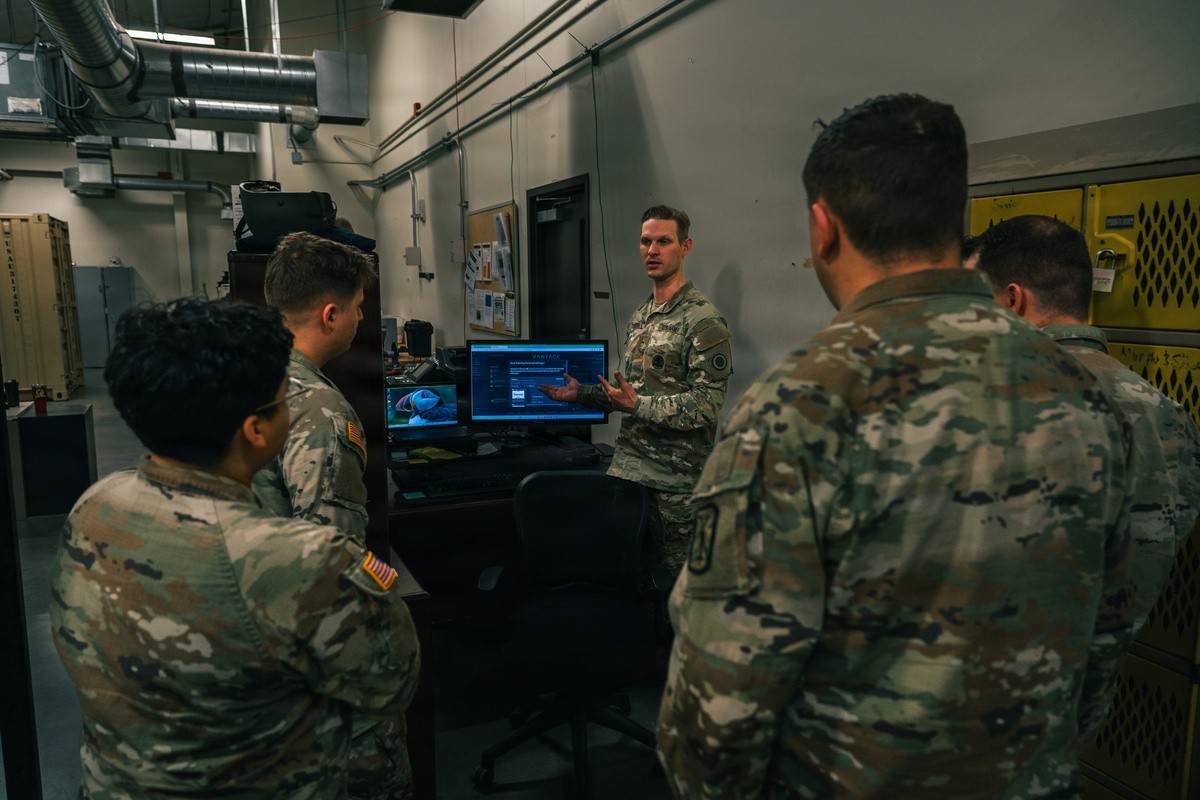
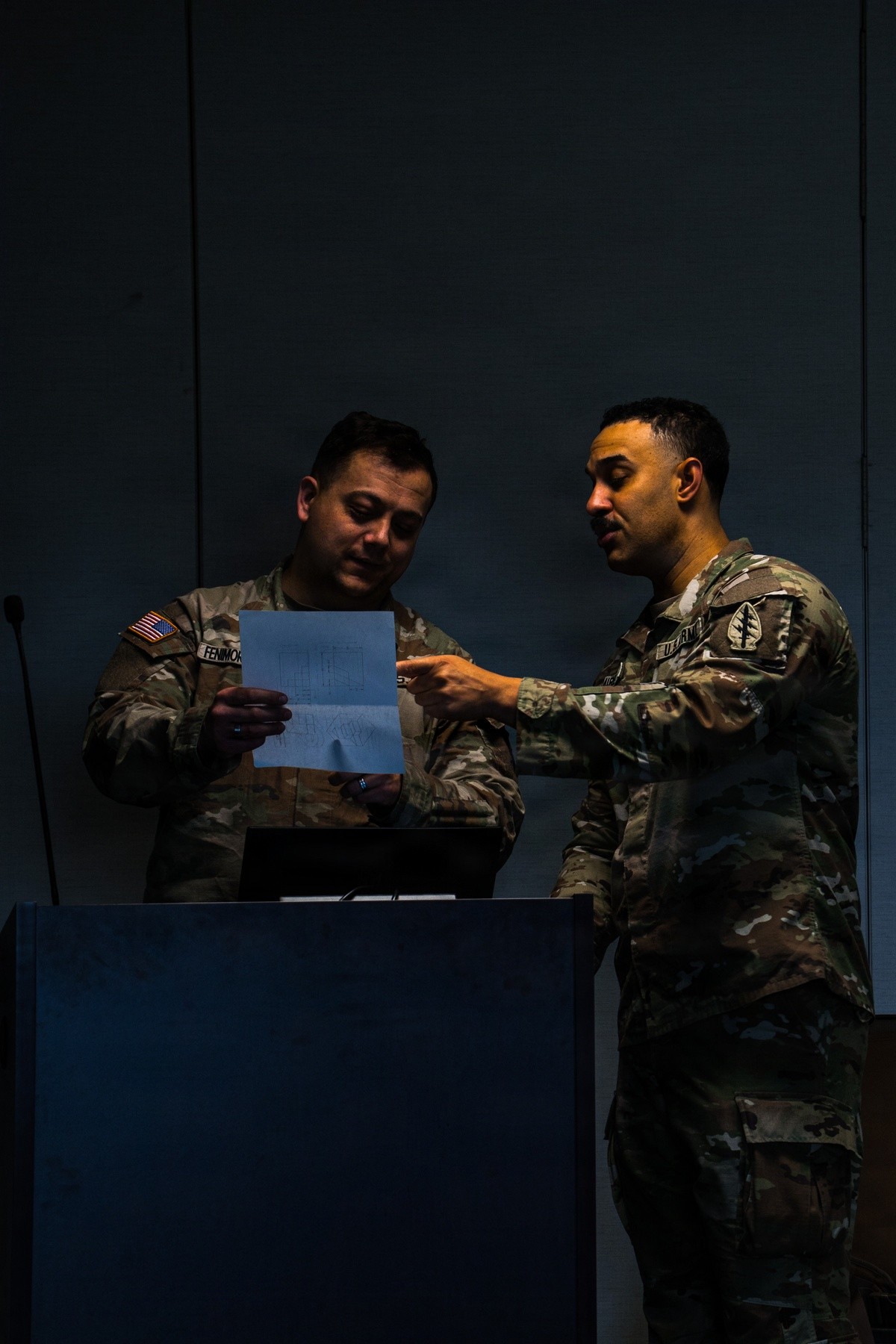
That process was the focus of the 3D printing symposium, hosted by 1st Special Forces Group (Airborne), where Soldiers across the installation received hands-on familiarization with additive manufacturing and learned how the capability can support readiness, sustainment and innovation across the force.
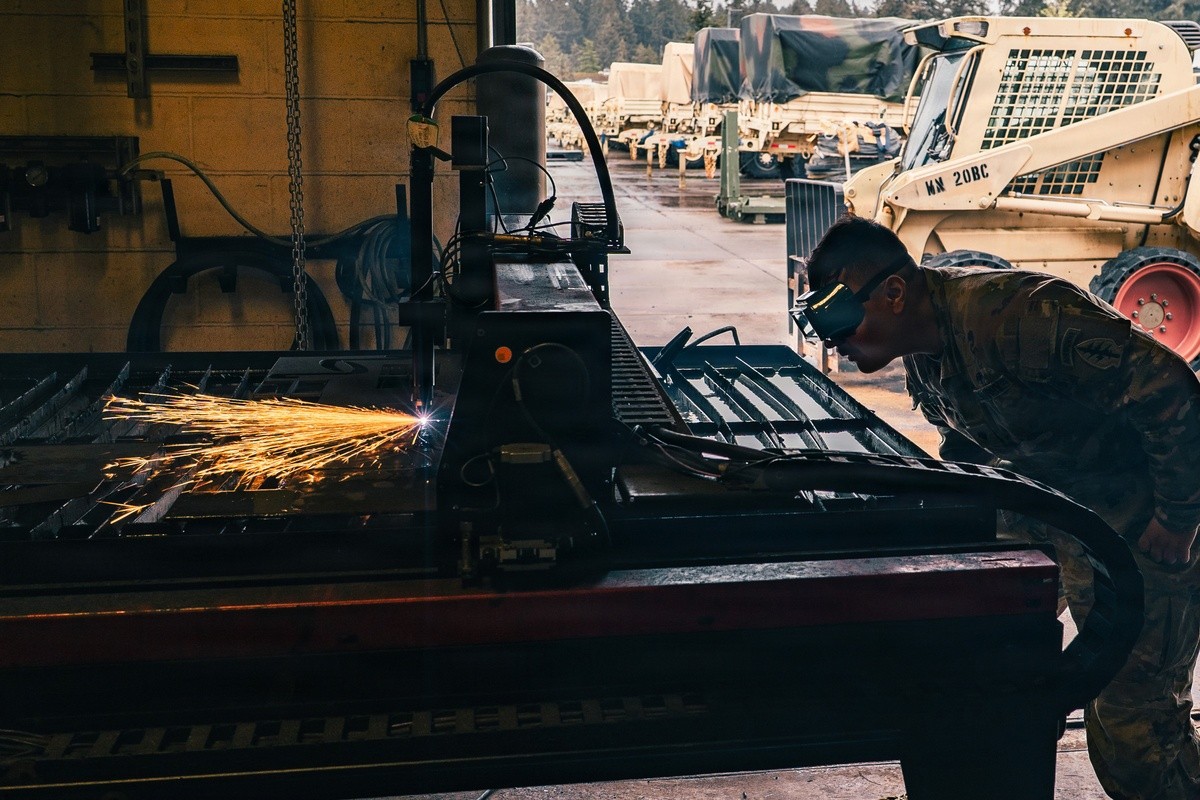
For Sgt. Clarissa De La Cruz — a 91E, allied trade specialist — her job is built around solving problems. Her military occupational specialty includes welding, machining and 3D printing, giving Soldiers in her field the ability to fabricate, repair and modify equipment to support mission requirements.
“The Army is starting to be more innovative... to see how much we can really fully sustain ourselves,” De La Cruz said. “3D printing gives us more opportunity to create parts and do our job.”
1st SFG(A) conducts special operations throughout the U.S. Indo-Pacific Command areas of responsibility, in order to support command objectives and U.S. national interests. The group maintains and employs units of action to execute the full spectrum of special operations at a moment's notice with allies, partners, and the joint force. Committed to excellence and pursuit of tactical mastery, the group aims to uphold the legacy as the Indo-Pacific’s preferred, and most lethal special operations entity. VIEW ORIGINAL
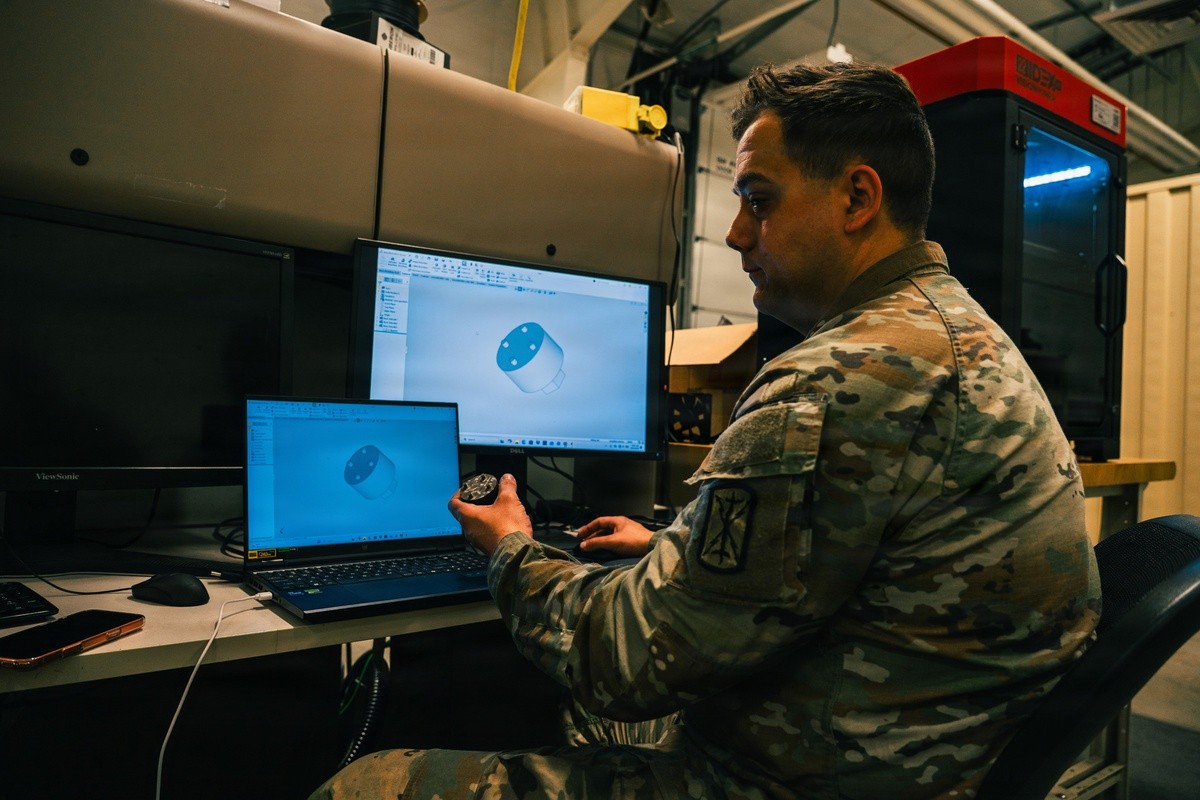
During the symposium, Soldiers learned the basic flow of additive manufacturing, beginning with computer-aided design and moving into slicing software used to prepare parts for printing. De La Cruz said participants worked with SolidWorks to design parts before using PrusaSlicer to adjust print settings, including temperature, speed, density and layer structure.
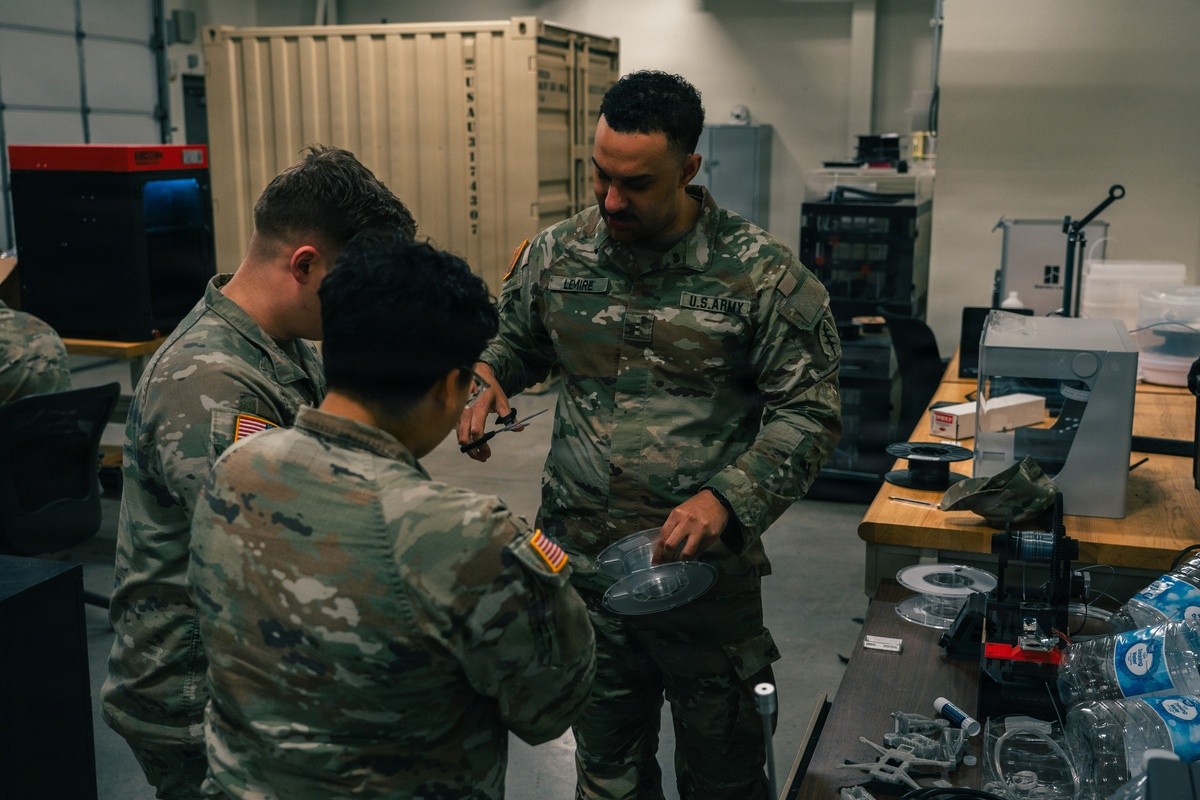
Those settings determine more than how a part looks. They influence how strong, flexible or durable a print becomes. De La Cruz said different filaments serve different purposes, from basic plastic used for proof-of-concept models to stronger materials capable of handling more demanding applications.
“Some of them are just very plasticky,” De La Cruz said. “They’re not meant to withhold a whole lot of strength. But many of the other ones that we have, like ABS, tend to be more strong and can be more durable.”
The goal of the symposium was not to turn every Soldier into an expert overnight. Instead, it was designed to show Soldiers what is possible and give them enough familiarity to recognize where 3D printing may help solve problems in their own formations.
“The main goal was familiarization for Soldiers post-wide,” De La Cruz said. “This allowed them to get some type of hands-on training with 3D printing.”
1st SFG(A) conducts special operations throughout the U.S. Indo-Pacific Command areas of responsibility, in order to support command objectives and U.S. national interests. The group maintains and employs units of action to execute the full spectrum of special operations at a moment's notice with allies, partners, and the joint force. Committed to excellence and pursuit of tactical mastery, the group aims to uphold the legacy as the Indo-Pacific’s preferred, and most lethal special operations entity. VIEW ORIGINAL
At the unit level, De La Cruz said 3D printing is already being used to produce a wide range of items, including radio caps, part modifications, training aids and decoys. One printed item, an M777 towed 155 mm howitzer muzzle, was produced for use as a decoy. Other products support explosive ordnance disposal training by providing accessible, readily made training aids.
“We are booked and busy,” De La Cruz said. “We are making multiple different parts so that we can turn over services for different shops.”
For Soldiers and maintainers, the value of 3D printing often comes down to time. A small vehicle part that could otherwise sit on order may be produced in-house quickly. De La Cruz said a vehicle door handle, for example, may take no more than an hour to print depending on its design and intended use. That faster turnaround can help units return equipment to service and reduce reliance on traditional supply timelines. It can also lower costs by allowing units to produce certain items in-house instead of ordering replacements for every minor fault or modification.
“It just allows more accessible, quick solutions,” De La Cruz said. “It’s all made in-house, so it’s a lot less money that we’re spending.”
1st SFG(A) conducts special operations throughout the U.S. Indo-Pacific Command areas of responsibility, in order to support command objectives and U.S. national interests. The group maintains and employs units of action to execute the full spectrum of special operations at a moment's notice with allies, partners, and the joint force. Committed to excellence and pursuit of tactical mastery, the group aims to uphold the legacy as the Indo-Pacific’s preferred, and most lethal special operations entity. VIEW ORIGINAL
The symposium also highlighted a capability that extends beyond replacement parts, recycling. De La Cruz discussed the Recreator 3D, a system that repurposes plastic bottles into usable filaments. The process allows Soldiers to heat, expand and recycle plastic into material that can be used for future prints. The goal, she said, is to eventually produce a drone made from recycled plastic filament.
“When we are deployed, we can use whatever is around us to still do our job and get our mission done,” De La Cruz said.
That concept reflects a larger shift in how Soldiers can approach sustainment in expeditionary environments. Soldiers can identify a problem, design a solution, test it and improve it. Creative freedom is one of the most important parts of this capability.
“We 100 percent want them [Soldiers] to be innovating and finding new ways of what we can fix and what we can make better,” De La Cruz said.
As 3D printing continues to develop, the Army is also looking toward more advanced applications. De La Cruz said one future capability is wire arc additive manufacturing, or WAAM, a process that uses welding principles to produce metal 3D printed parts.
“That’s where we’re going,” De La Cruz said. “Metal 3D printing.”
1st SFG(A) conducts special operations throughout the U.S. Indo-Pacific Command areas of responsibility, in order to support command objectives and U.S. national interests. The group maintains and employs units of action to execute the full spectrum of special operations at a moment's notice with allies, partners, and the joint force. Committed to excellence and pursuit of tactical mastery, the group aims to uphold the legacy as the Indo-Pacific’s preferred, and most lethal special operations entity. VIEW ORIGINAL
While technology continues to grow, challenges remain. Software approval, equipment access, training time and funding all affect how quickly units can expand their capabilities. De La Cruz said programs like SolidWorks can be expensive and require leaders to understand what the software enables before investing in it.
Still, the symposium gave Soldiers a practical look at a capability that is already changing how units think about maintenance, training and mission support. For De La Cruz, the excitement is not only in what the printers can produce, but in what Soldiers can learn to create.
“The possibilities are endless with what 3D printing can do,” De La Cruz said. “It’s really important for our Soldiers to get out there and start learning about what we can do, so that way they can also help progress themselves and their peers.”
As the Army continues to modernize, the symposium showed that innovation does not always begin with a finished product. Sometimes, it begins with a problem, a design and a Soldier willing to build the solution layer by layer.
Social Sharing