1 / 4Show Caption +Hide Caption –
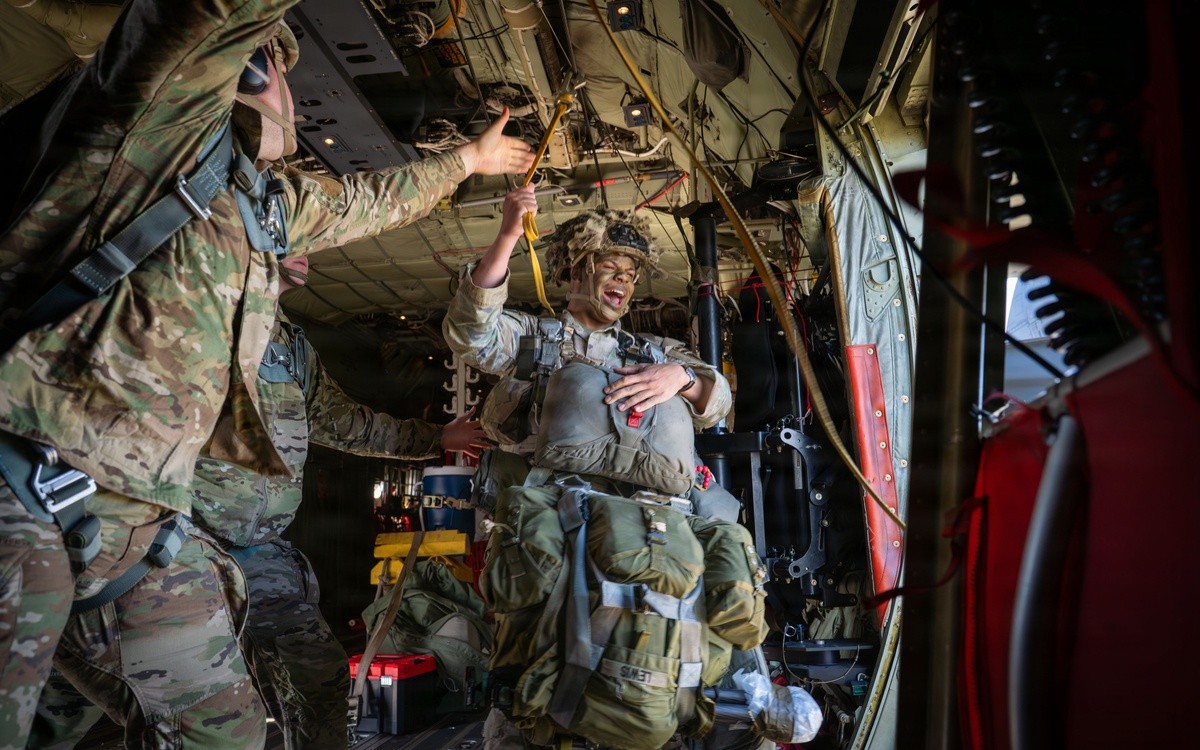
U.S. Army Spc. Eli Lewis, a mortarman assigned to 2nd Platoon, Mortar Fire Control Center, 11th Airborne Division, prepares to jump from a U.S. Air Force C-130J Super Hercules aircraft assigned to the 36th Airlift Squadron during RED FLAG-Alaska 26-2 over Joint Base Elmendorf-Richardson, Alaska, June 1, 2026. The 36th AS provided tactical airlift support to the 11th ABN DIV, enabling airborne operations in a realistic combat environment. RED FLAG-Alaska strengthens combat readiness by integrating joint, coalition and multinational forces in realistic training scenarios designed to enhance interoperability and mission effectiveness.
(Photo Credit: U.S. Air Force photo by Senior Airman Cayla Hunt)VIEW ORIGINAL2 / 4Show Caption +Hide Caption –
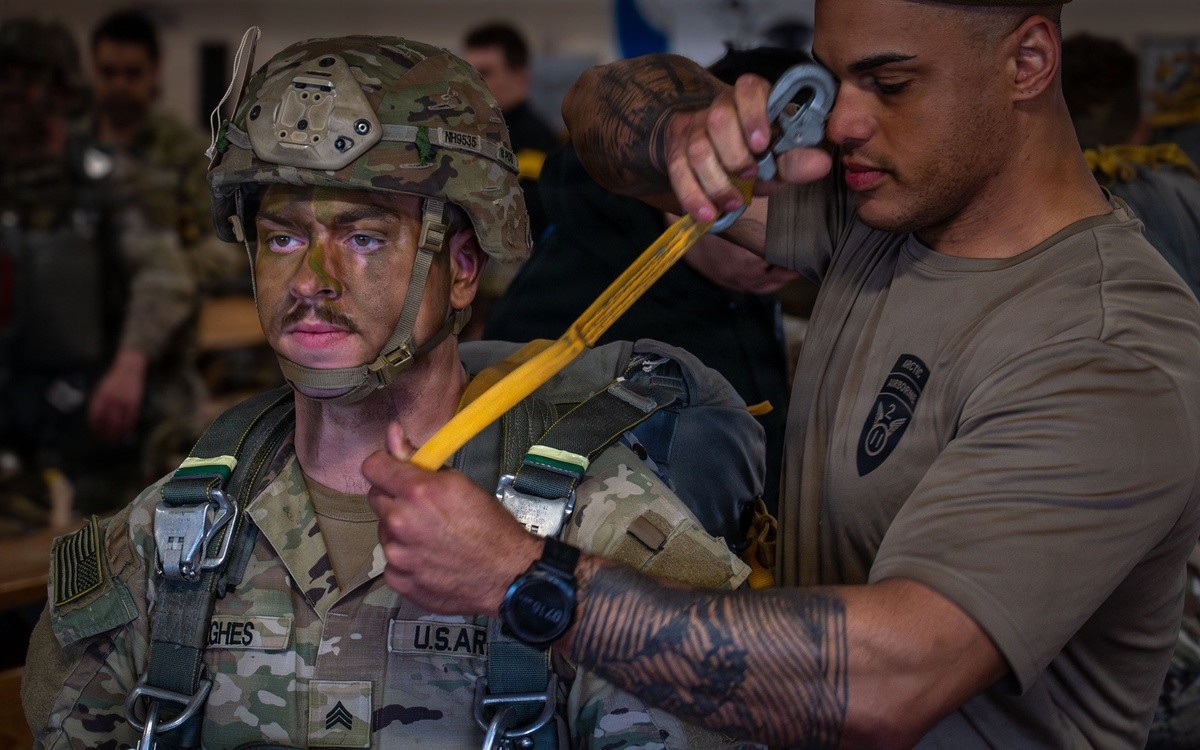
U.S. Army paratroopers assigned to the 2nd Infantry Brigade Combat Team (Airborne), 11th Airborne Division conduct pre-jump rigging inspections prior to an airborne operation during RED FLAG-Alaska 26-2 at Joint Base Elmendorf-Richardson, Alaska, June 1, 2026. The 36th Airlift Squadron provided tactical airlift support to the 11th ABN DIV, enabling airborne operations in a realistic combat environment. RED FLAG-Alaska strengthens combat readiness by integrating joint, coalition and multinational forces in realistic training scenarios designed to enhance interoperability and mission effectiveness. (U.S. Air Force photo by Senior Airman Cayla Hunt)
(Photo Credit: Senior Airman Cayla Hunt)VIEW ORIGINAL3 / 4Show Caption +Hide Caption –
U.S. Army paratroopers assigned to the 11th Airborne Division board a U.S. Air Force C-130J Super Hercules assigned to the 36th Airlift Squadron during RED FLAG-Alaska 26-2 at Joint Base Elmendorf-Richardson, Alaska, June 1, 2026. The 36th AS provided tactical airlift support to the 11th ABN DIV, enabling airborne operations in a realistic combat environment. RED FLAG-Alaska strengthens combat readiness by integrating joint, coalition and multinational forces in realistic training scenarios designed to enhance interoperability and mission effectiveness.
(Photo Credit: U.S. Air Force photo by Senior Airman Cayla Hunt)VIEW ORIGINAL4 / 4Show Caption +Hide Caption –
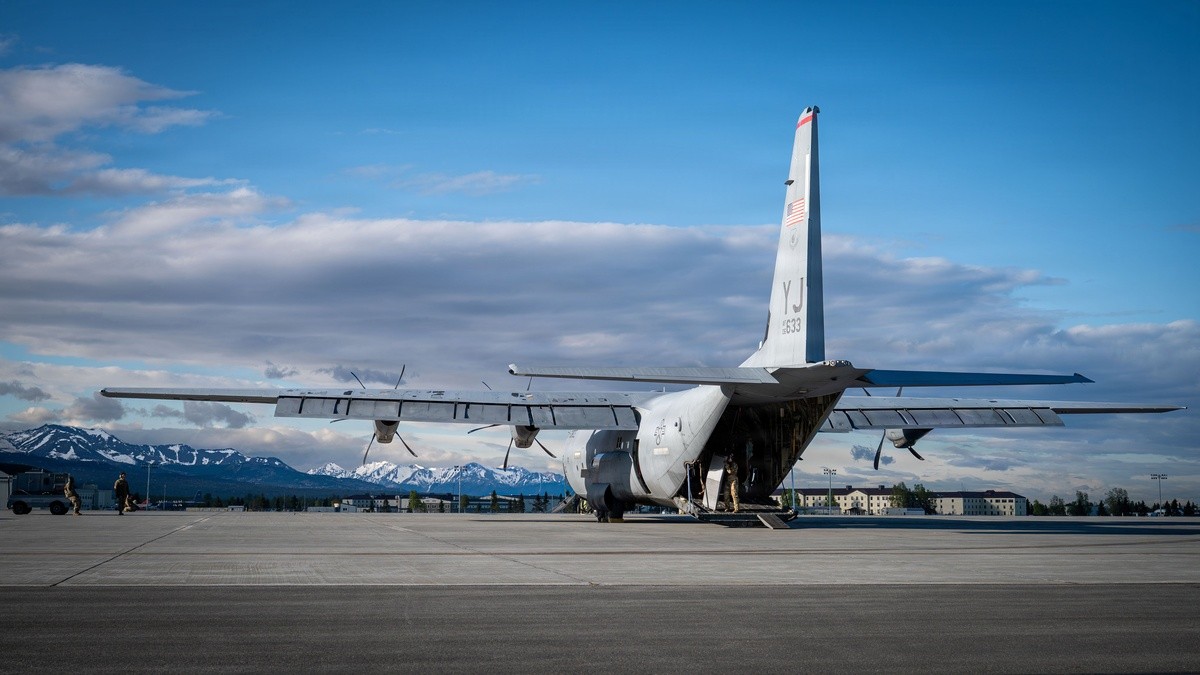
A U.S. Air Force C-130J Super Hercules aircraft assigned to the 36th Airlift Squadron sits on the flight line at Joint Base Elmendorf-Richardson, Alaska, during RED FLAG-Alaska 26-2, June 1, 2026. The 36th AS provided tactical airlift support to the 11th Airborne Division, enabling airborne operations in a realistic combat environment. RED FLAG-Alaska strengthens combat readiness by integrating joint, coalition and multinational forces in realistic training scenarios designed to enhance interoperability and mission effectiveness.
(Photo Credit: U.S. Air Force photo by Senior Airman Cayla Hunt)VIEW ORIGINAL
JOINT BASE ELMENDORF-RICHARDSON, Alaska — RED FLAG-Alaska 26-2 commenced on May 28, 2026, bringing together more than 2,100 service members from the United States and partner nations for realistic air combat training at Eielson Air Force Base and Joint Base Elmendorf-Richardson.
The exercise integrates joint and coalition forces into a realistic threat environment using the approximate 120,000 square miles of airspace in the Joint Pacific Alaska Range Complex, enhancing readiness and warfighting capabilities with the largest combat training range in the world.
“This iteration focuses on strengthening partnerships by practicing operations together to improve response capabilities,” said U.S. Air Force Maj. Gregory Guiney, assistant director of operations, 354th Operations Group Detachment 1.
RED FLAG-Alaska 26-2 includes participants from the U.S. Air Force, U.S. Army, Royal Air Force, Royal New Zealand Force, Royal Canadian Air Force and Republic of Singapore Air Force. Aircrews and support personnel will exchange tactics, techniques and procedures when executing mission sets, enhancing interoperability.
JBER’s operations began with a C-130J Super Hercules aircraft assigned to the 36th Airlift Squadron from Yokota Air Base, Japan conducting joint airborne operations involving an airdrop of two door bundles and 50 paratroopers from the 11th Airborne Division.
“The importance of this exercise is to build joint interoperability to project forces in the Indo-Pacific,” said Capt. Zachary Tarble, air officer, 11th Airborne Division, 2nd Infantry Brigade Combat Team.
RED FLAG-Alaska replicates Indo-Pacific operational conditions, focusing on combined training with international partners and joint forces to enhance readiness and reinforce a shared commitment to regional security and stability in the Indo-Pacific.
RED FLAG-Alaska 26-2 is scheduled to continue until June 12, 2026.

Social Sharing