FORT BRAGG, N.C. — On a cold, December day deep in Fort Bragg’s training area, Soldiers, Airmen, Marines and civilian industry partners came together to test the latest drone and counter unmanned aircraft systems technology, while rapidly sharing targeting data through the National Geospatial-Intelligence Agency’s Maven Smart System.
Scarlet Dragon is the XVIII Airborne Corps’ premier innovation exercise, where new ideas and technologies are tested to solve current issues on the battlefield. “We're focused on bringing new technologies and approaches to solve operational capability gaps and requirements that we identify from operational plans around the globe,” said Rob Braun, XVIII Airborne Corps chief technical officer.
The Scarlet Dragon exercise series started in 2020 as a table-top exercise in the basement of the XVIII Airborne Corps’ headquarters and has evolved into a triannual innovation event where joint services, government agencies, and industry partners come together to test and integrate the latest technology for the modern warfighter.
During this iteration, known as Scarlet Dragon 26-1, the XVIII Airborne Corps tested several initiatives. The 18th Field Artillery Brigade trained with the U.S. Air Force to rapidly load and deploy an M142 High Mobility Artillery Rocket System from a C-17 Globemaster III, all while simultaneously receiving targeting data through the National Geospatial-Intelligence Agency’s Maven Smart System. The streamlined data-sharing allows the HIMARS unit to rapidly deploy anywhere in the world and quickly set up for offensive or defensive engagements. “We’re doing cold-load training with a C-130, putting the HIMARS on the aircraft, driving it off, executing a rapid-fire mission, and getting back on quickly,” said 2nd Lt. Ryan Mitchell, 18th Field Artillery Brigade, HIMARS platoon leader. “Through Scarlet Dragon, we are doing advanced targeting with data received through Maven, rapidly getting that information to the launcher so we can deploy and shoot faster.”
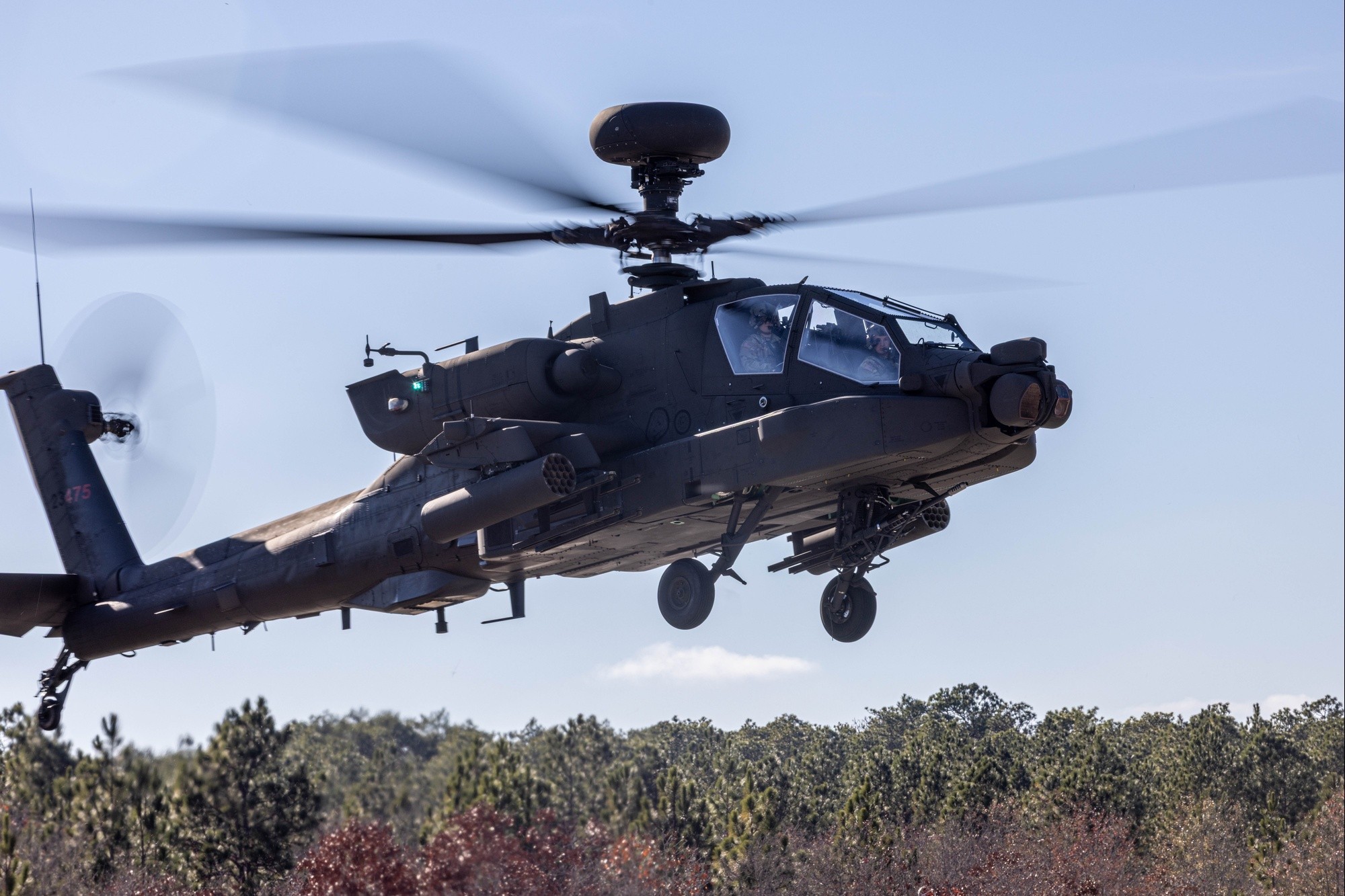
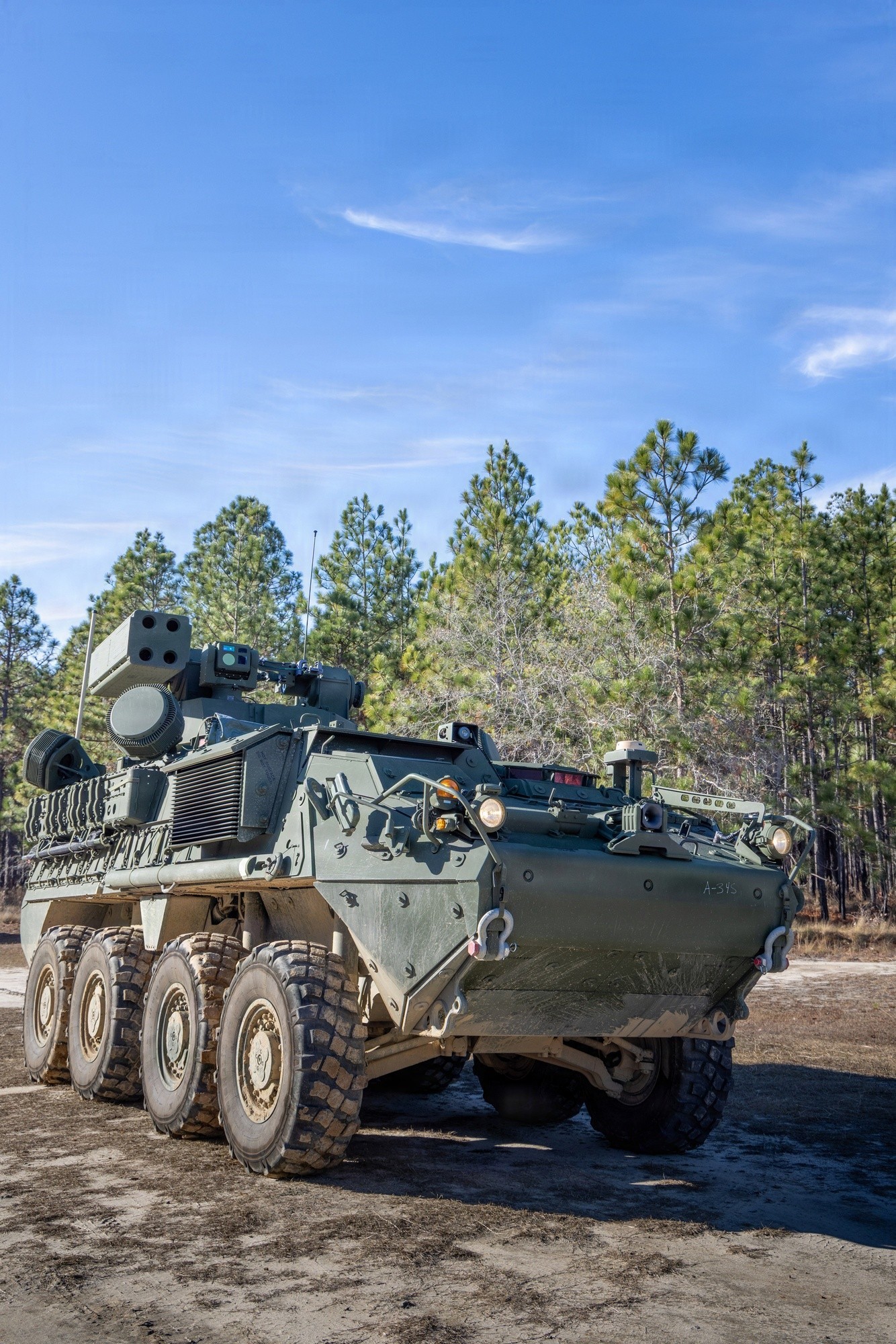
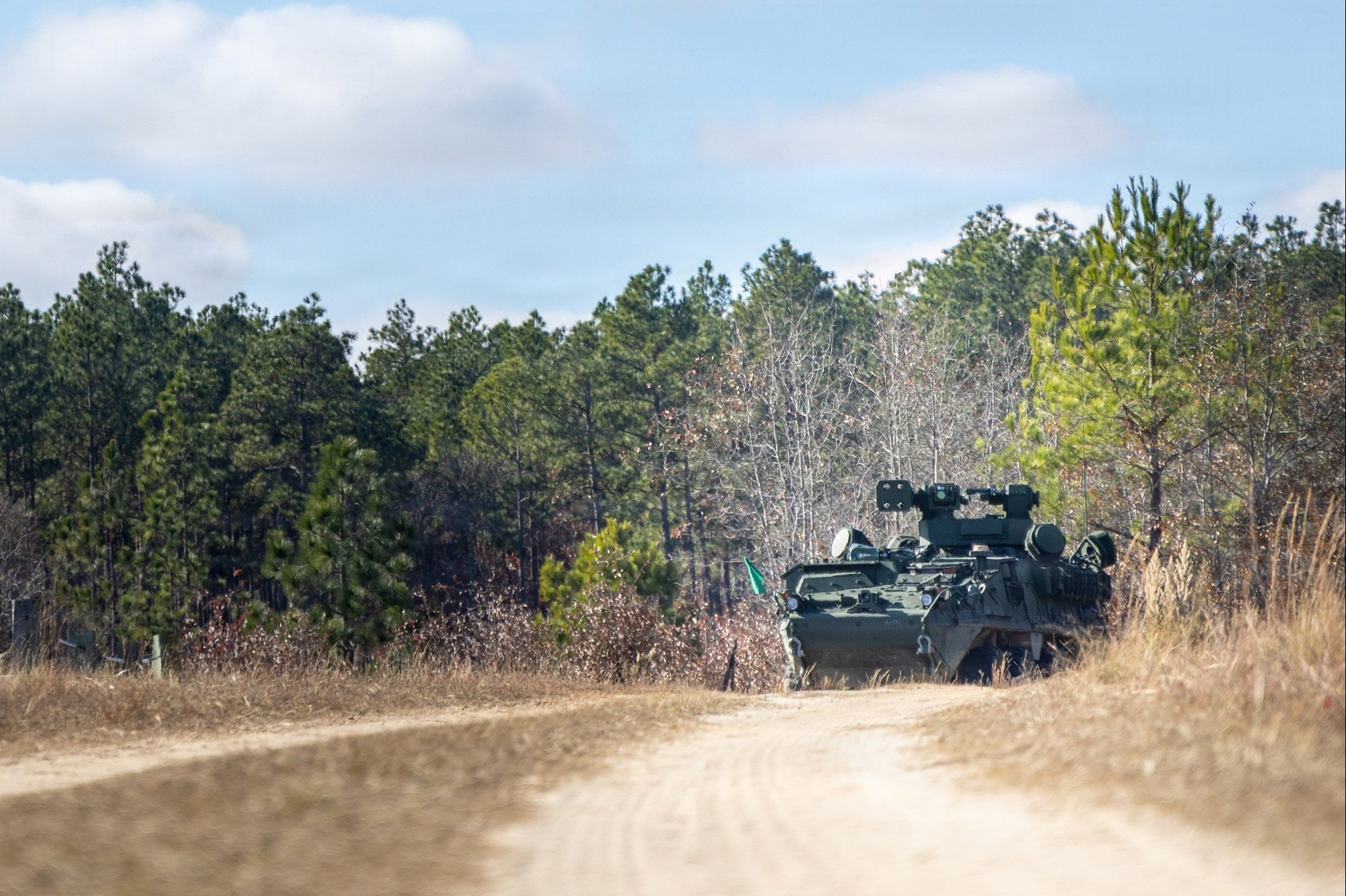
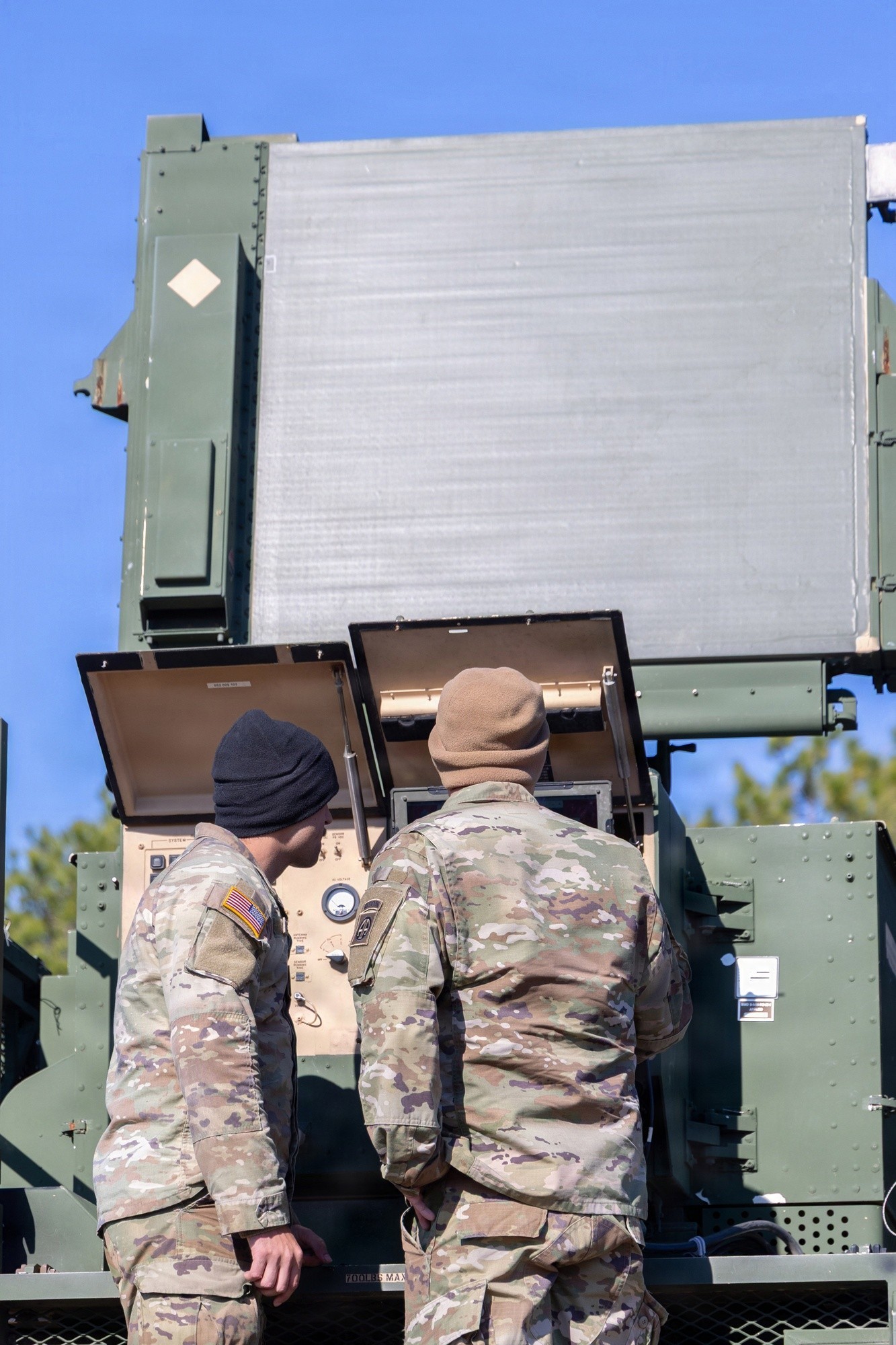
Another initiative included real time data sharing and tracking between AH-64 Apache helicopters from the 82nd Airborne Division’s Combat Aviation Brigade, drones and small UAS with the XVIII Airborne Corps Air and Missile Defense team, Sentinel radars from the 82nd Airborne Division, and newly fielded SGT STOUT systems from the 108th Air Defense Artillery Brigade. The Sentinel radars and SGT STOUTs tracked Apaches and drones, pushing data to the Corps headquarters to validate faster early warning systems for troops on the ground. Apache pilots tested their ability to identify and track small drones, while the SGT STOUT Short Range Air Defense system teams validated their tracking and targeting capabilities.
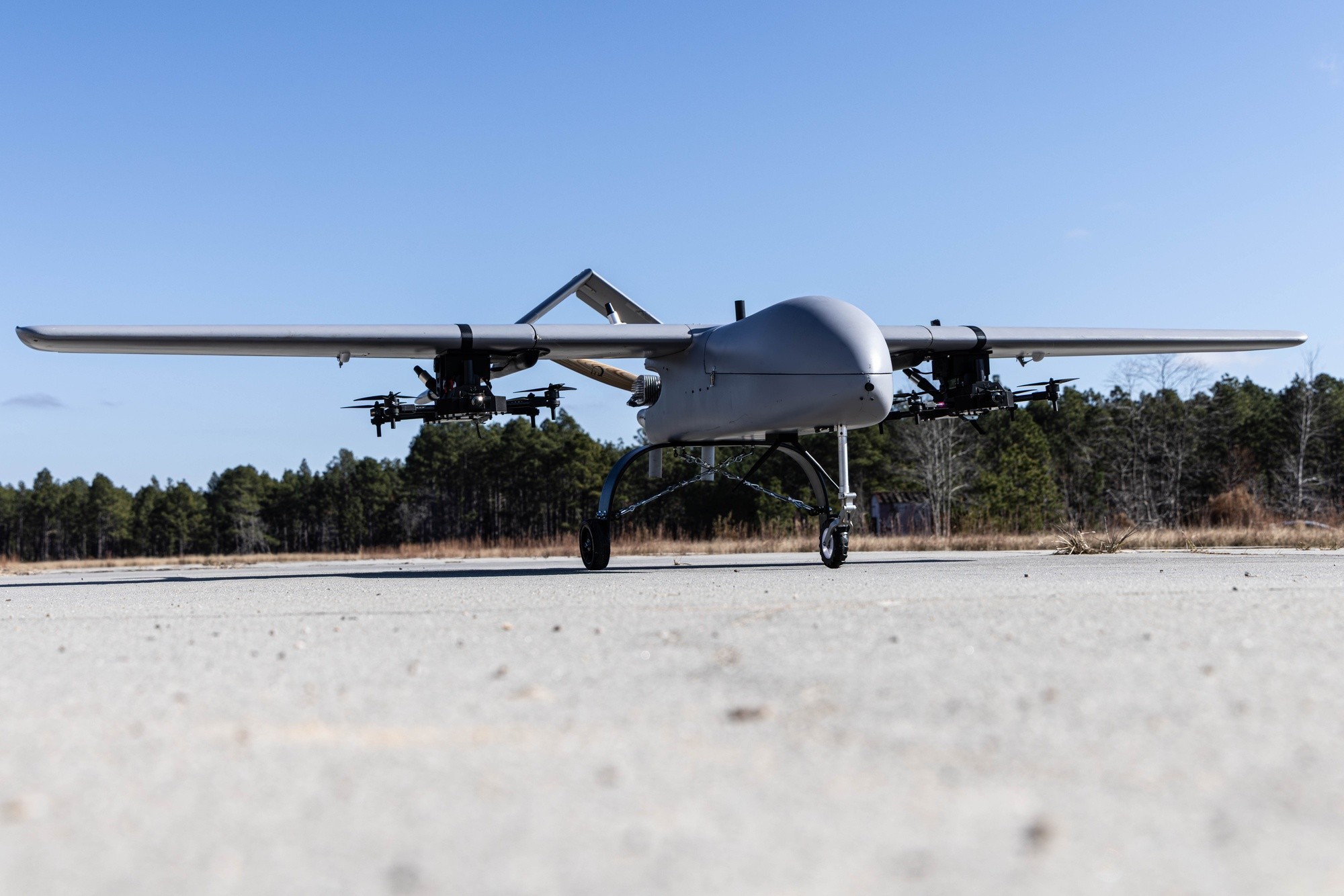
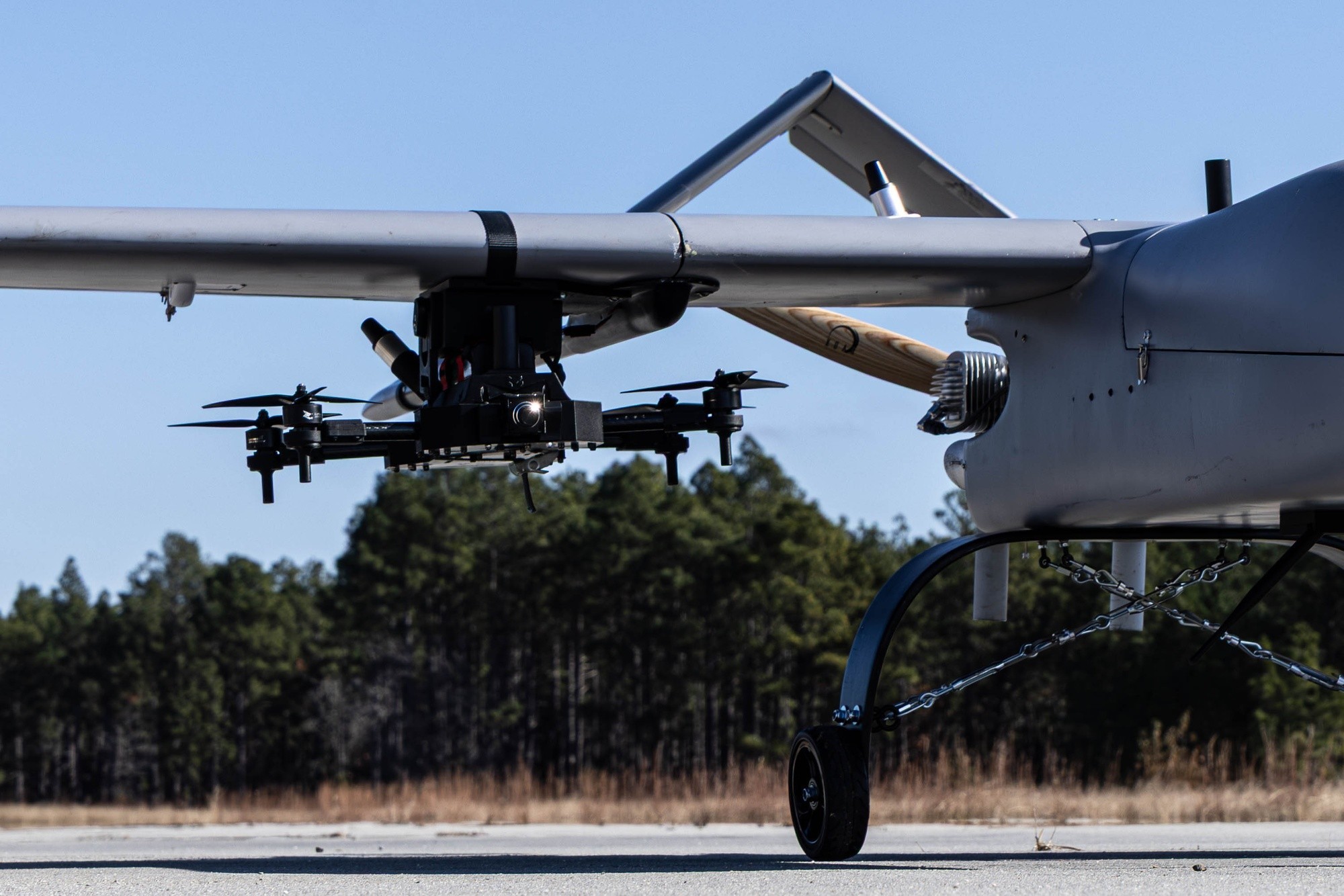
The integration of the SGT STOUT into the maneuver force is a critical step in providing protection against short-range air threats. "What I like about Scarlet Dragon is how I push, not just the Soldiers, but also the equipment that we have to our limits and to see what we are capable of and how we can improve our system capabilities,” said Spc. Daniel Rosas, XVIII Airborne Corps air defense battle management system operator. "With the way the world is currently moving, especially when it comes to UAS or drones, it is a big threat and it helps for us to push forward on what we can adapt when it comes to gauging and tracking these threats."
Scarlet Dragon gives service members and industry partners the opportunity to test new ideas and innovations in an open and minimum-risk environment. "That's what I really like about Scarlet Dragon,” said CW4 Sean Benson, XVIII Airborne Corps Senior Geo-Intelligence Imagery Technician. “It's not an exercise with defined timelines or deliverables. It's whatever we want to try to get to the outcome we need. If you have an idea and it sticks when you throw it on the wall, we'll give it a shot."
The Future of Scarlet Dragon
With every iteration of Scarlet Dragon, the integration process is refined and the technology improves. In the future, the Scarlet Dragon exercise series will be tied in with Fort Bragg and XVIII Airborne Corps’ new Lt. Gen. James M. Gavin Joint Innovation Outpost, which will officially open on Jan. 23, 2026.
“During Scarlet Dragon 26-1, the XVIII Airborne Corps and Fort Bragg held a soft opening for our new Joint Innovation Outpost, or JIOP,” said Lt. Gen. Greg Anderson, commanding general of the XVIII Airborne Corps. “With the JIOP and our Scarlet Dragon series of exercises, we will be able to develop and test Soldier-driven, rapid innovation and technical transformation while providing the Army a model to revolutionize the acquisition process. It is making us more lethal at the tactical and operational levels of war.”

The JIOP will allow Soldiers to bring innovative solutions to the facility to work with civilian industry and academic partners to refine and produce new technology that can then be tested in Scarlet Dragon exercises and eventually shared across the Joint Force.
In 2026, Scarlet Dragon will shift to the Indo-Pacific theater and U.S. Army Japan for their annual combined exercise with the Japanese Ground Self Defense Forces, Yama Sakura.
Social Sharing