1st Cavalry Division
America's First Team
Mission Statement
On order, 1st Cavalry Division deploys combat-ready forces to deter or defeat our adversaries in support of the Joint Force anywhere in the world.
Who We Are
We are the U.S. Army's premier armored fighting force. Since 1921, we have evolved from horse-mounted cavalry to a modern armored force leading the Army's transformation efforts. Headquartered at Fort Hood, Texas, the division has played key roles in major conflicts including World War II, the Korean War, Vietnam, the First Gulf War and recent global operations. Featuring three armored brigade combat teams, a cavalry regiment, division artillery, air cavalry and sustainment brigade, the Division stands ready to engage and destroy the enemies of the United States.
Pegasus Charge


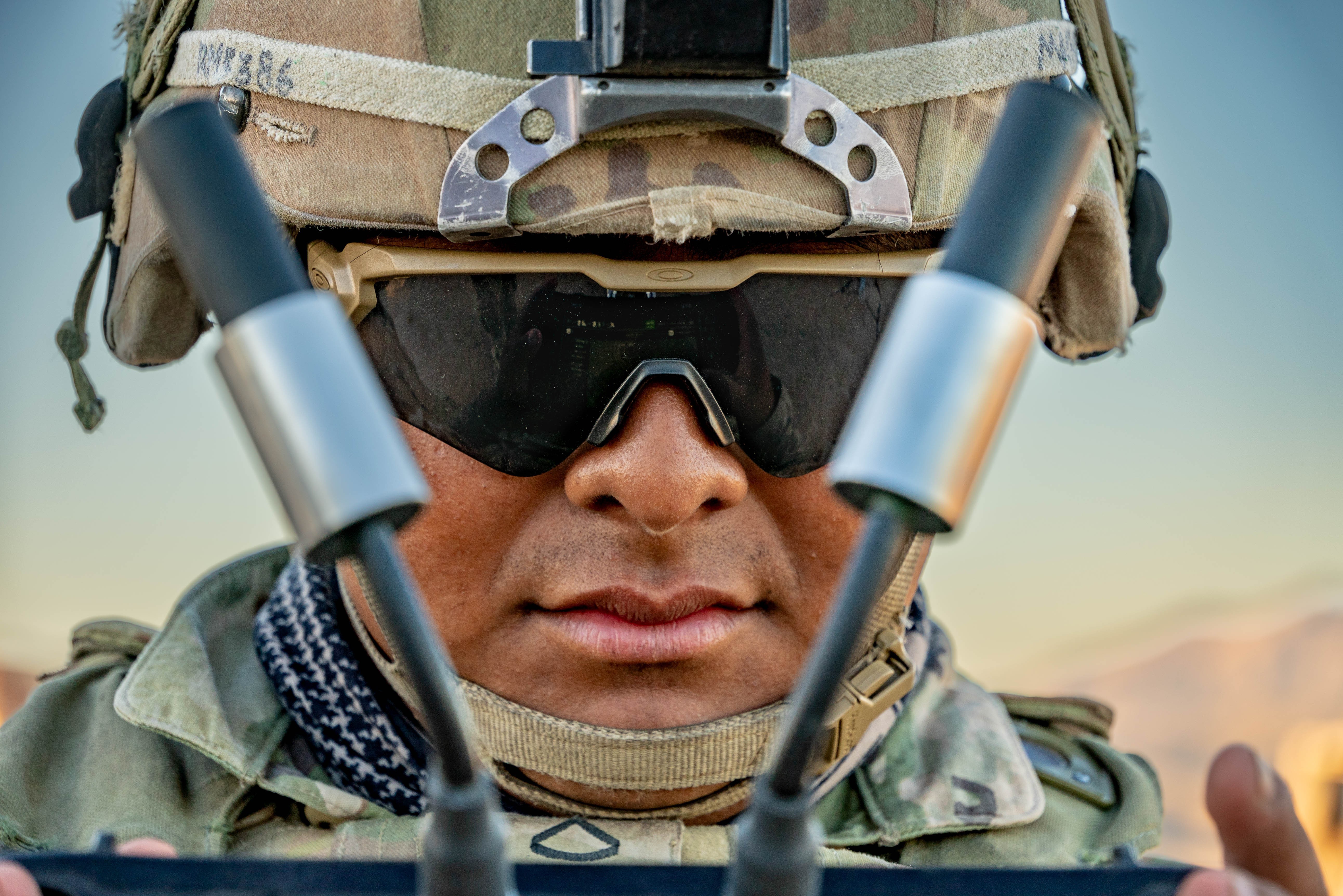

Pegasus Charge is how 1st Cavalry Division will transform in contact. This is not solely looking for new equipment, we are looking to push the boundaries of how we think, organize, train, and how we operate. We will look across the entire DOTMLPF-P; doctrine, organizational design, experimentation and materiel procurement.
Pegasus Charge is about ensuring 1st Cavalry Division deploys Brigades that are lethal, survivable and maneuverable while having the full weight of the Division to shape the battlefield.
Division of Choice
The 1st Cavalry Division—America’s First Team—is more than a unit; it’s a legacy of excellence, innovation, and strength. The First Team is the “Division of Choice” for Soldiers across the Army. Whether it’s world-class training, unmatched esprit de corps, or opportunities for personal and professional growth, the 1st Cavalry Division develops leaders, builds cohesive teams, and accomplishes any mission.
Choose legendary. Choose the First Team. (U.S. Army video by 1st Lt. Tyler Williams)
Latest Articles
-
 COL Daniel C. Gibson
August 4, 2026
COL Daniel C. Gibson
August 4, 2026
-
 3rd Cavalry Regiment enhances lethality during sniper marksmanship qualification
July 29, 2026
3rd Cavalry Regiment enhances lethality during sniper marksmanship qualification
July 29, 2026
-
 Restored 1st Cavalry Division memorial plaque rededicated in Australia, preserving Pacific War legacy
July 22, 2026
Restored 1st Cavalry Division memorial plaque rededicated in Australia, preserving Pacific War legacy
July 22, 2026
-
 1st Cavalry Division refines counter-drone tactics
July 17, 2026
1st Cavalry Division refines counter-drone tactics
July 17, 2026
-
 3rd Cavalry Regiment sharpens combat readiness with live-fire training
June 30, 2026
3rd Cavalry Regiment sharpens combat readiness with live-fire training
June 30, 2026
-
CSM Christopher R. Carey
June 18, 2026
1st Cavalry Division, America's First Team!
The saga of the 1st Cavalry Division weaves a vibrant tapestry of valor, beginning in the dusty deserts of Fort Bliss, Texas, where it was born on September 13, 1921. Here, Troopers on horseback galloped across rugged terrain, guarding the Mexican border with steely resolve. As the 1940s dawned, the march of technology retired their trusty steeds, transforming them into dismounted cavalry ready to face the trials of World War II’s Pacific Theater.

In 1943, the division sailed to Queensland, Australia, honing their skills for jungle and amphibious warfare. By February 1944, they charged the beaches of Los Negros Island, clashing fiercely with Japanese forces and leaving 7,000 enemy casualties in their wake. Months later, on the Philippine island of Leyte, they battled through dense jungles, and in 1945, their “Flying Column” thundered into Manila, liberating internees at Santo Tomas University. Two Troopers earned the Medal of Honor posthumously, their sacrifices etched into the division’s lore. Under Major General William C. Chase, the “First Team” moniker took root, and they rode into history as the first to enter Tokyo, securing Japan’s capital during the occupation and patrolling 5,000 square miles while aiding in disaster relief and demobilization.


When North Korea invaded South Korea in 1950, the First Team answered the call, storming ashore at Pohang Dong in a daring amphibious landing. They surged across the 38th parallel, capturing Pyongyang, only to face a relentless Chinese counteroffensive at Unsan that tested their grit. Despite heavy losses, they fought on, holding the line. Eleven Troopers earned the Medal of Honor, their courage never forgotten.

Reborn as an airmobile force, the division soared into Vietnam. During the 1965 Pleiku Campaign, they earned the Presidential Unit Citation, and in 1968, they shattered the Tet Offensive in Hue and relieving the besieged Marines at Khe Sanh and striking into Cambodia in 1970. Thirty Troopers received the Medal of Honor, their bravery a testament to the “Sky Troopers’” indomitable spirit. The division was the first full unit into Vietnam and the last to leave, returning to Fort Hood in 1971 as a “Tricap” Division blending armor, air mobility, and cavalry.

Through the Cold War, the First Team sharpened their skills at Fort Hood, training for global conflict and facing mock battles at Fort Irwin. When Iraq invaded Kuwait in 1990, they deployed to Saudi Arabia, outwitting the enemy with a deceptive feint along the Wadi al Batin. In a breathtaking 24-hour, 300-kilometer charge, they smashed through the Republican Guard, fulfilling General Schwarzkopf’s command to “send in the First Team” and end the Gulf War.
In 1998, the division deployed to Bosnia, ensuring stability following years of brutal conflict in the region. By 2003, they were in Iraq, liberating a nation and guiding Baghdad toward democracy in 2004. They returned in 2006 and 2009, commanding vast forces and transferring bases to Iraqi control. In Afghanistan, from 2011 to 2016, they led Regional Command-East and trained Afghan forces, their colors unfurled in Bagram as a symbol of enduring strength.


Recently, the First Team deployed brigades to Iraq to support the fight against ISIS, Korea to reassure our allies, and Europe, to counter Russian aggression in 2014 and bolstering NATO allies in 2022. Now, the Division stands ready to Transform in Contact, setting us up to fight and win on the modern battlefield. With 24,000 Soldiers carrying the hard-riding spirit of the cavalry, the 1st Cavalry Division stands ready, their legacy a saga of courage, adaptability, and triumph, forever the “First Team.”


1st Cavalry Division Units
- Horse Cavalry Detachment
- 1st Cavalry Division Band
- 1st Cavalry Division Artillery
- 1st Armored Brigade Combat Team (IRONHORSE)
- 2nd Armored Brigade Combat Team (BLACKJACK)
- 3rd Armored Brigade Combat Team (GREYWOLF)
- Air Cavalry Brigade
- 1st Cavalry Division Sustainment Brigade (WAGONMASTER)
- 3rd Cavalry Regiment
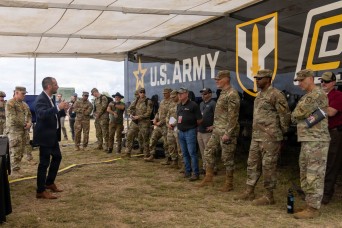

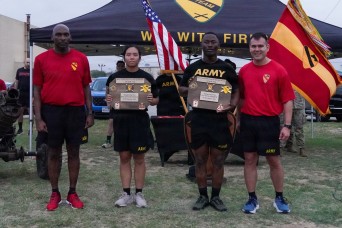


Yellow Book (May 2025)
-
 (May 2025)Yellow Book
First Team's Medal of Honor Recipients
-
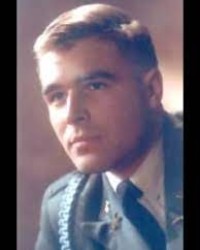 Vietnam WarCPT Jon E. Swanson
 -
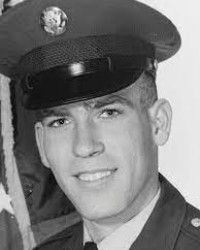 Vietnam WarSGT Peter C. Lemon
 -
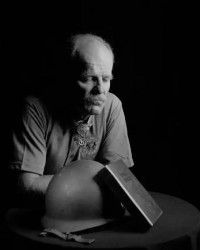 Vietnam WarSPC4 John P. Baca
 -
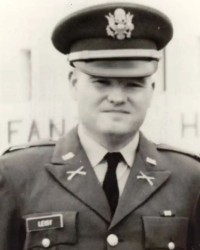 Vietnam War2LT Robert R. Leisy
 -
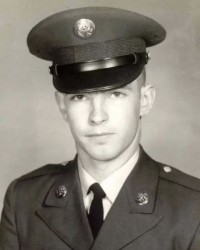 Vietnam WarSGT Donald S. Skidgel
 -
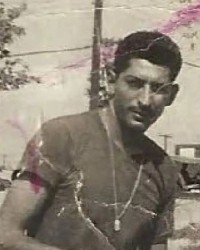 Vietnam WarSPC4 Leonard L. Avarado
 -
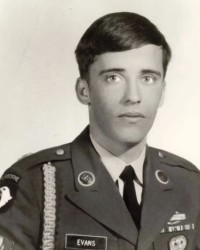 Vietnam WarSGT Rodney J. Evans
 -
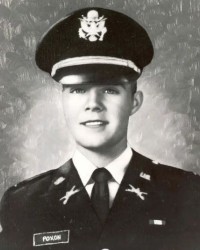 Vietnam War1LT Robert L. Poxon
 -
 Vietnam WarSPC4 Jesus S. Duran
 -
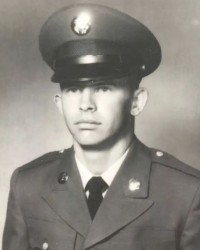 Vietnam WarSPC4 Donald R. Johnson
 -
 Vietnam WarSGT John N. Holcomb
 -
 Vietnam WarSPC4 Hector Santiago Colon
 -
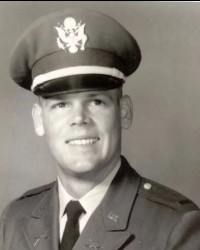 Vietnam War1LT Douglas B. Fournet
 -
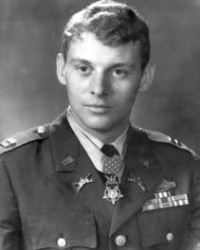 Vietnam WarCPT James M. Sprayberry
 -
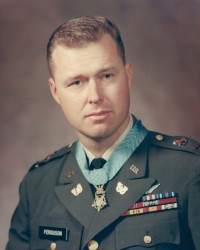 Vietnam WarCW2 Frederick Ferguson
 -
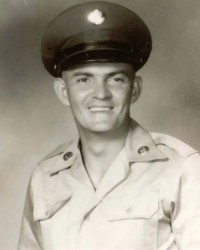 Vietnam WarSGT William D. Port
 -
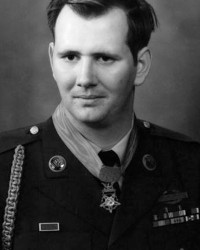 Vietnam WarSGT Allen J. Lynch
 -
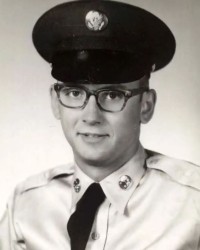 Vietnam WarSPC5 Edgar L. McWethy
 -
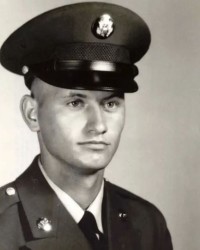 Vietnam WarSPC4 Carmel B. Harvey Jr.
 -
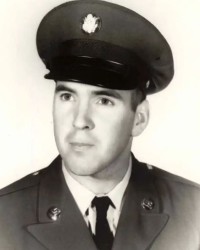 Vietnam WarSPC4 George A. Ingalls
 -
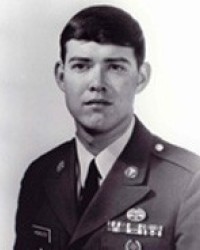 Vietnam WarSPC5 Charles C. Hagemeister
 -
 Vietnam WarPFC James H. Monroe
 -
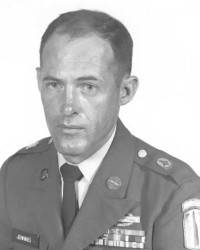 Vietnam WarSSG Delbert O. Jennings
 -
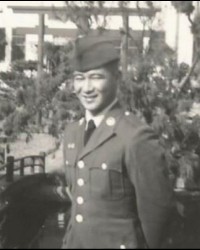 Vietnam WarSSG Edward N. Kaneshiro
 -
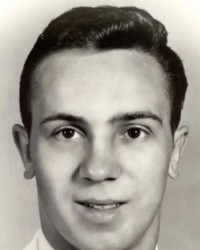 Vietnam WarPFC Lewis Albanese
 -
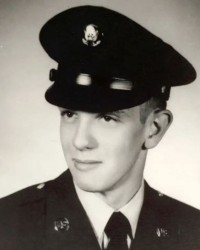 Vietnam WarPFC L. Luffer
 -
 Vietnam WarSGT David C. Dolby
 -
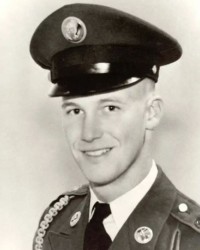 Vietnam WarSSG Jimmy G. Stewart
 -
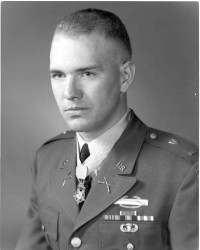 Vietnam War2LT Walter J. Marm Jr.
 -
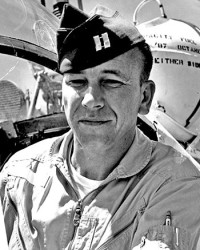 Vietnam WarCPT Ed W. Freeman
 -
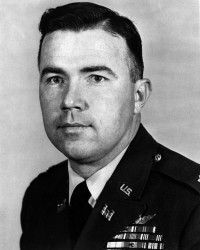 Vietnam WarMAJ Bruce P. Crandall
 -
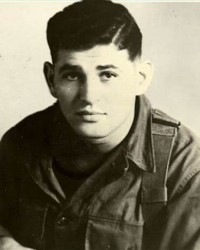 Korean WarCPL Tibor Rubin
 -
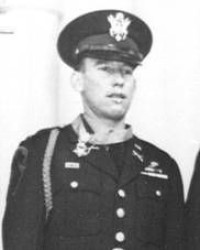 Korean War1LT James L. Stone
 -
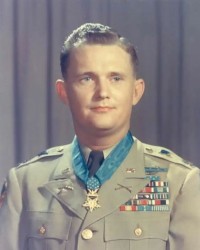 Korean War1LT Lloyd L. "Scooter" Burke
 -
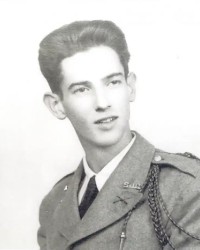 Korean War1LT Robert H. McGovern
 -
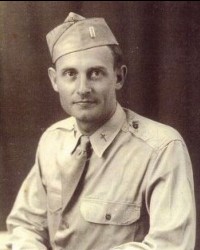 Chaplain (CPT) Emil J. Kapaun
 -
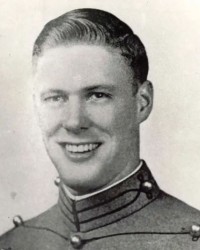 Korean War1LT Samuel S. Coursen
 -
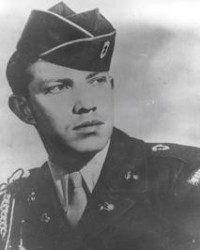 Korean WarPFC Robert H. Young
 -
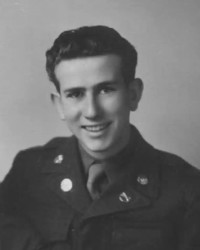 Korean WarCPL Gordon M. Craig
 -
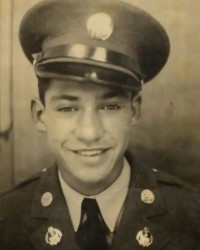 Korean WarMSG Mike C. Pena
 -
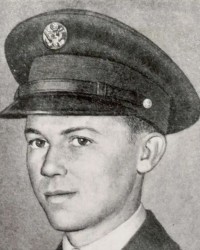 Korean WarPFC Melvin L. Brown
 -
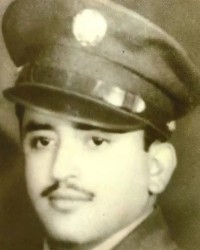 Korean WarSGT Eduardo C. Gomez
 -
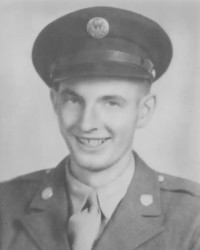 World War IIPFC William J. Grabiarz
 -
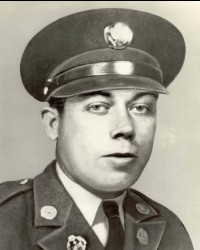 World War IISGT Troy A. McGill
You've Gotta Love the CAV
Rollin' Rollin' Rollin'
My Little Red Wagon
M3A3 Rollin' Down the Street
I Got a Yo-Yo
AMERICA'S FIRST TEAM
The 1st Cavalry Division Horse Cavalry Detachment
The present-day Horse Cavalry Detachment of the 1st Cavalry Division, was formed under the direction of MG James C. Smith (Commander May 1971 to September 1973) of the 1st Cavalry Division – a general noted both for his ability to build morale among his troops and a keen sense of public relations. The Horse Cavalry Detachment one of four mounted cavalry units on active duty in the United States Army, brings to life the spirit of the cavalry by its transformation into a unit from the proud heritage of the United States Cavalry.
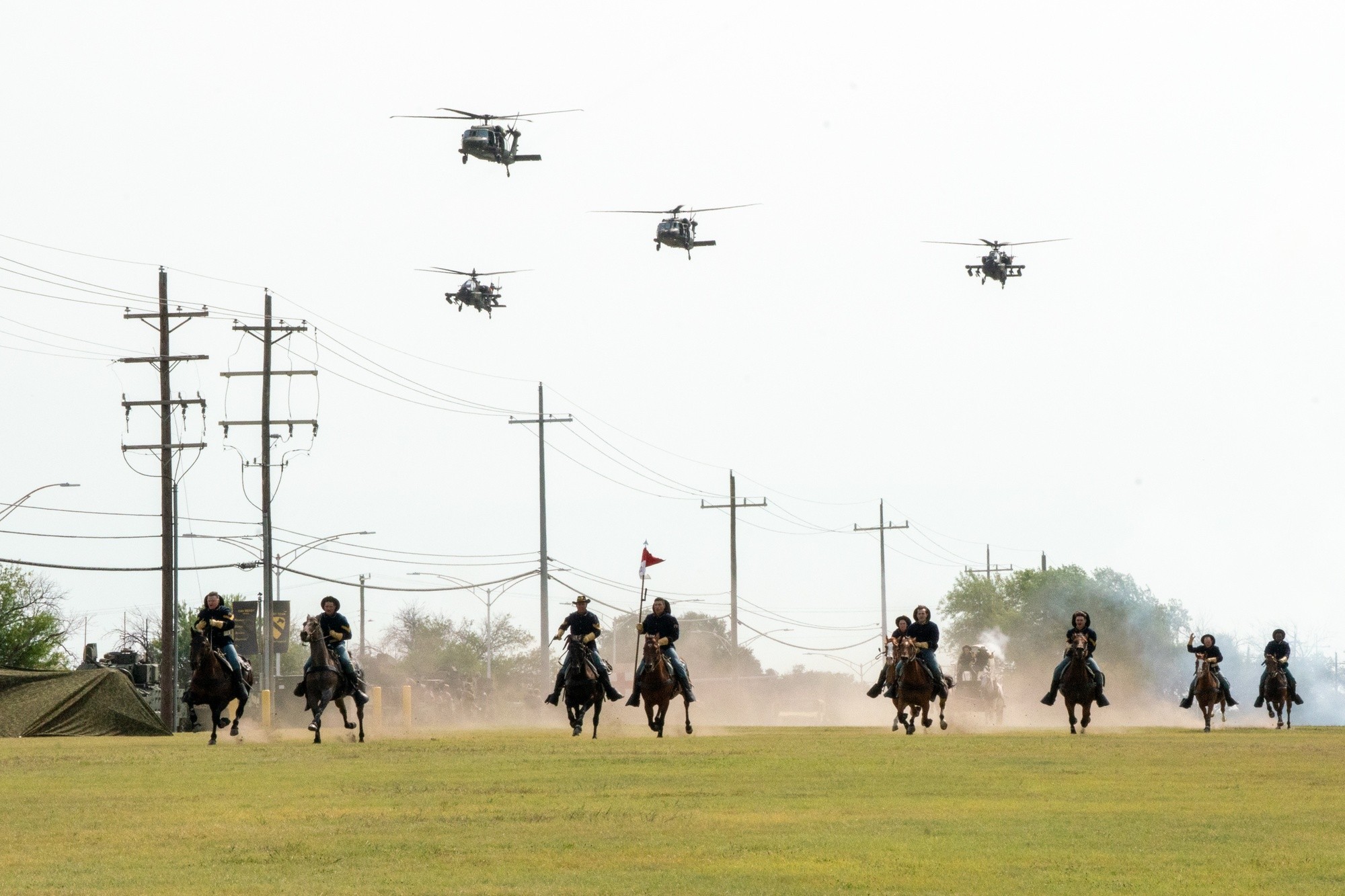


Since its inception in 1972, the detachment has performed for all types of audiences, from children to Presidential Inaugural Parades, the 1984 World’s Fair, the 1996 Tournament of Roses Parade and literally thousands of state and local fairs, parades, and rodeos. The detachment performs formal military parades and reviews, civic and community street parades, and a 30-minute mounted drill and weapons demonstration.
The mounted demonstration is a thrilling exhibition of skill and precision required of the mounted Trooper. It includes drill maneuvers at the walk, trot, and gallop. The weapons portion of the show demonstrates the mounted use of the Cavalry Saber, Colt .45 caliber Revolver, and Springfield Carbine. The detachment is entirely self-contained with 40 Troopers and 47 horses, 8 mules, an M1878 supply wagon, and an M1841 light mountain howitzer cannon.
Schedule (subject to change based on weather or mission requirements)
- September 5, 2026 at 7:00 p.m. : Central Texas State Fair and PBR (Military Appreciation Night) @ Huntington Bank Expo Center, Belton, TX.
- September 10, 2026 at 10:00 a.m. : Traditional Horse Cavalry Demonstration @ HCD Barn 69007 Trooper Loop, Fort Hood, TX.
- September 12, 2026 at 6:00 p.m. : Hometown Heroes and Family Fest @ Huntington Bank Expo Center, Belton, TX.
- September 17, 2026 at 10:00 a.m. : Traditional Horse Cavalry Demonstration @ HCD Barn 69007 Trooper Loop, Fort Hood, TX.
- September 19, 2026 at 2:00 p.m. : 51st Retiree Appreciation Day @ HCD Barn 69007 Trooper Loop, Fort Hood, TX.
- September 24, 2026 at 10:00 a.m. : Traditional Horse Cavalry Demonstration @ HCD Barn 69007 Trooper Loop, Fort Hood, TX.
For immediate questions, please call the Horse Cavalry Detachment at (254) 287-2229 or the 1st Cavalry Division Public Affairs Office at (254) 287-9398.
Equine adoption information
The application window for A.C. Cotton and Crockett has closed. Stay tuned for more adoption opportunities.
Requesting the Horse Cavalry for your event
Coming Soon