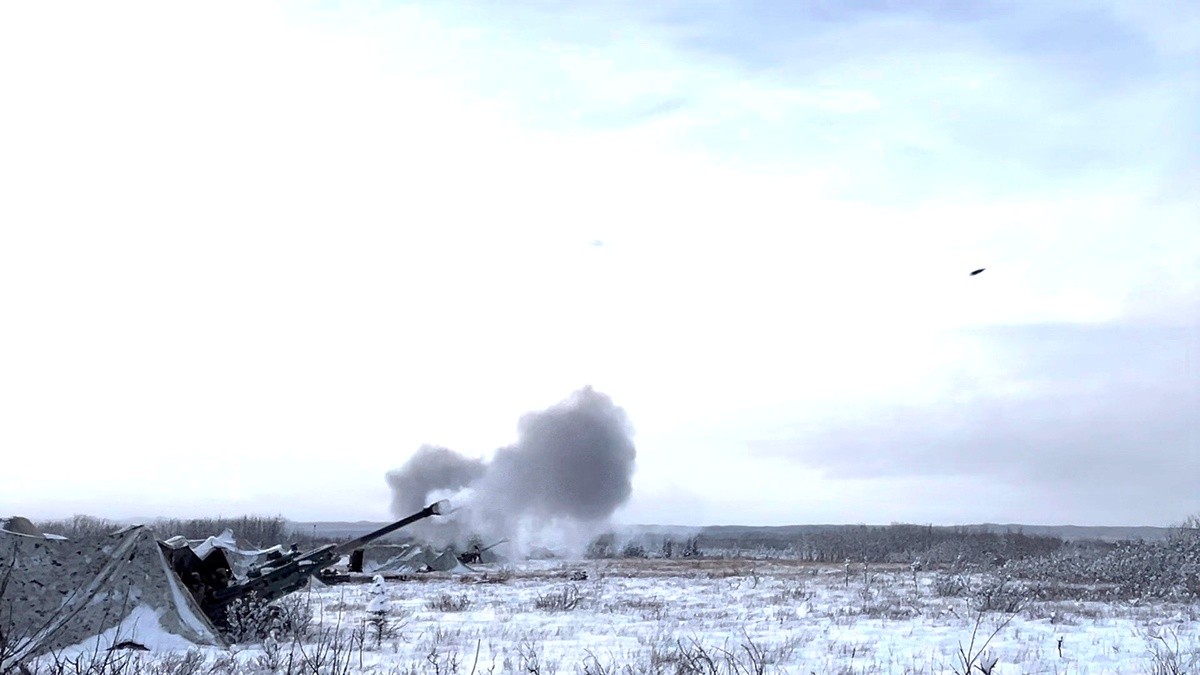
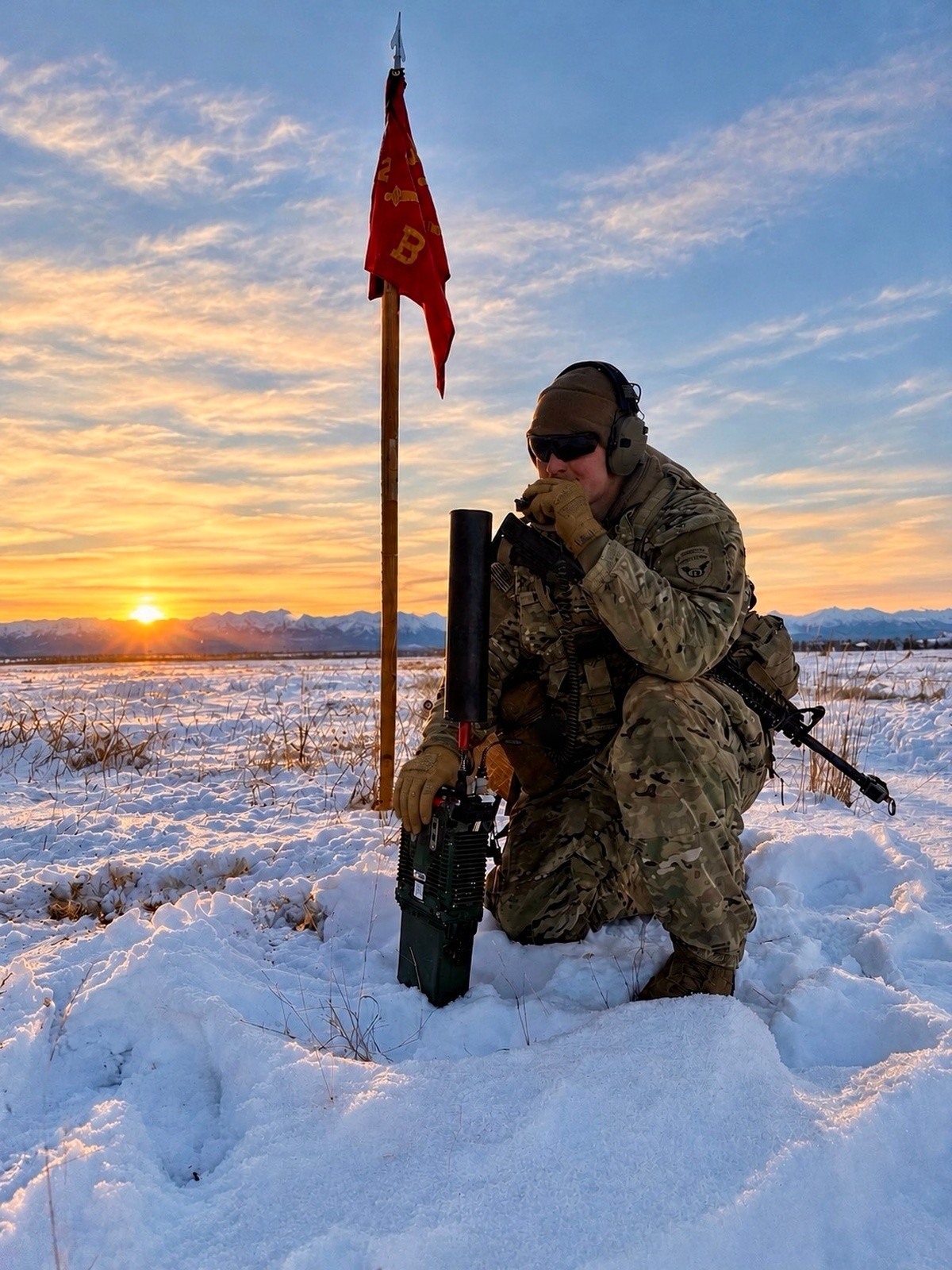
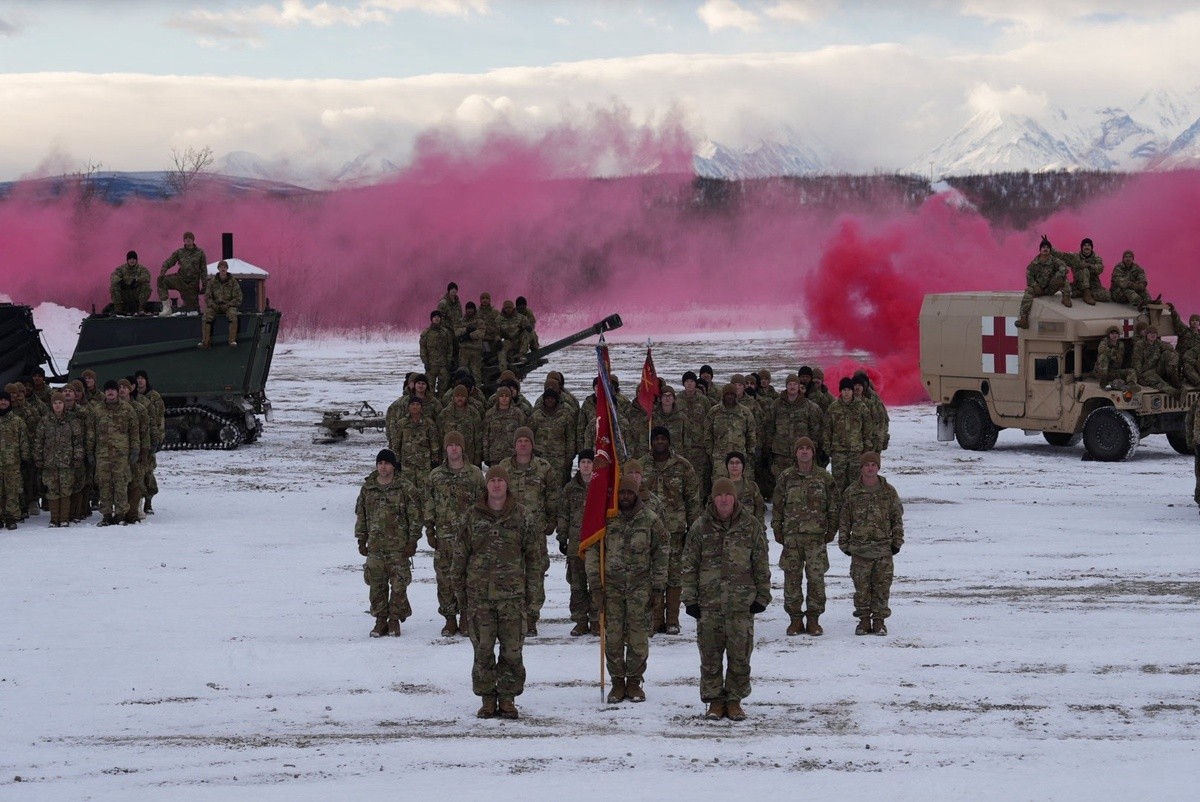
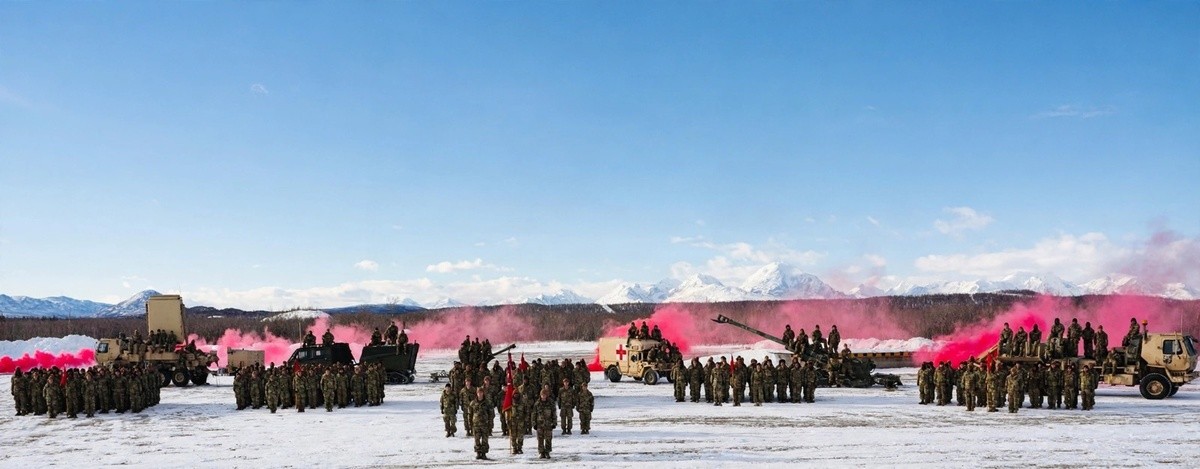
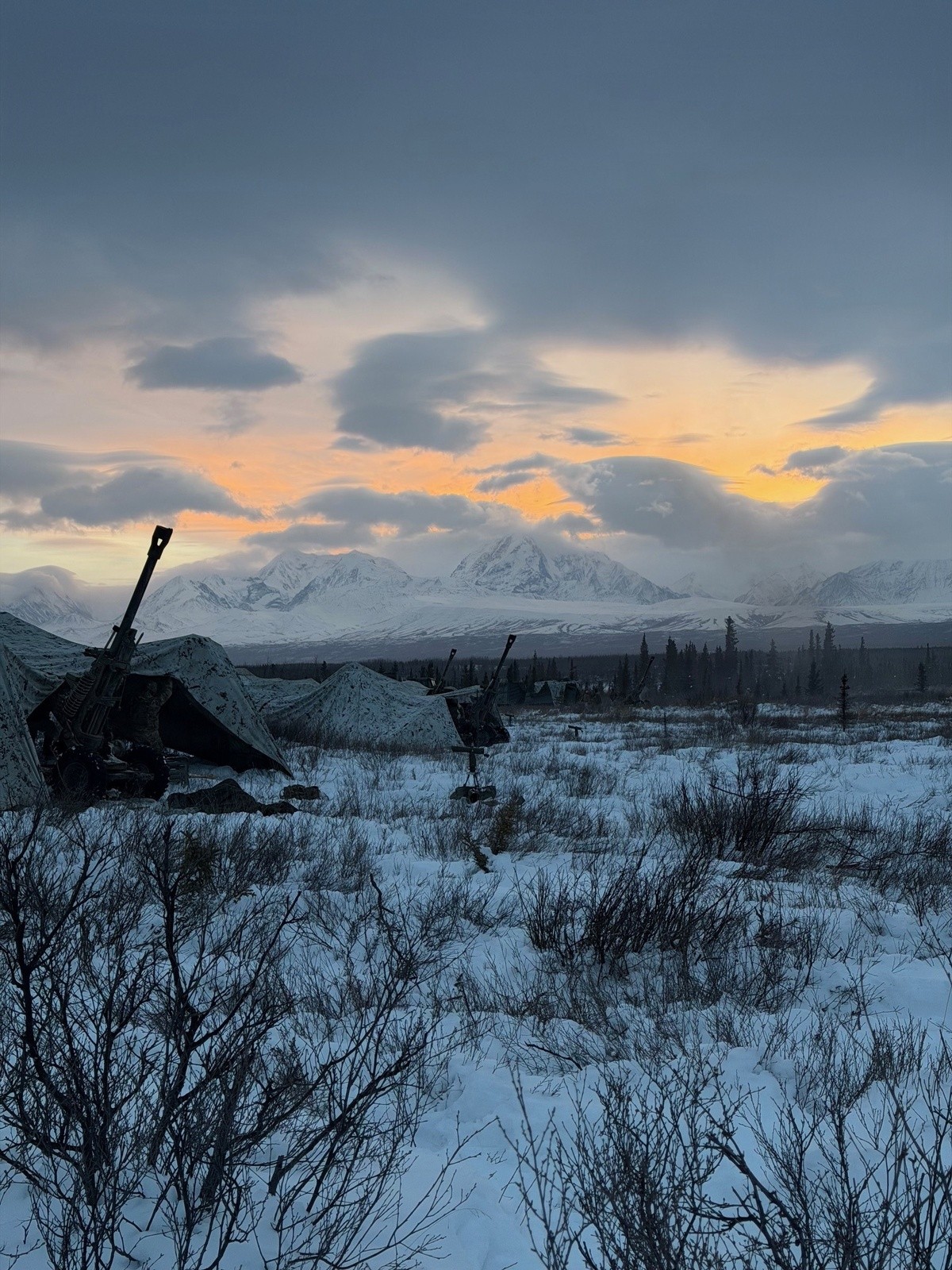
DONNELLY TRAINING AREA, Alaska — Paratroopers from 2nd Battalion, 377th Parachute Field Artillery Regiment made history within the 11th Airborne Division as they successfully executed the first artillery battalion live fire evaluation in the division’s history.
The battalion, based at Joint Base Elmendorf-Richardson, deployed more than 400 paratroopers and 100 tactical vehicles 350 miles north to the Donnelly Training Area near Delta Junction, Alaska. The 16-day exercise, which ran from Oct. 13-29, 2026, culminated in the successful completion of Artillery Table (AT) XVIII — the first of its kind within the 11th Airborne Division.
An Artillery Table XVIII evaluation is a critical milestone that validates an artillery battalion's capability to provide direct, synchronized supporting fires for a mobile brigade combat team. Because an Artillery Table XVIII requires an external evaluation typically conducted by a division artillery headquarters — a capability the recently formed 11th Airborne Division is slated to stand up next year — the division's fire support element engineered a unique solution. They sourced external evaluators from I Corps, securing critical evaluator support from the 17th Field Artillery Brigade and artillerymen from 7th Infantry Division out of Joint Base Lewis-McChord, Washington.
“Executing the first-ever Table XVIII battalion live fire in the division is a monumental achievement for our paratroopers and the Division,” said Lt. Col. Ian P. Grundhauser, commander of the 2-377 PFAR. “This exercise laid the groundwork and established the model for what battalion-level evaluations will look like for the 11th Airborne Division, and ultimately for our DIVARTY when it stands up next year.”
The road to battalion qualification required the unit to first qualify all three of its firing elements, Alpha (Falcon), Bravo (Eagle), and Charlie (Raven) batteries, during Artillery Table XV battery live-fire evaluations. Once the batteries successfully qualified by firing hundreds of live rounds, the battalion transitioned into the complex Table XVIII phase.
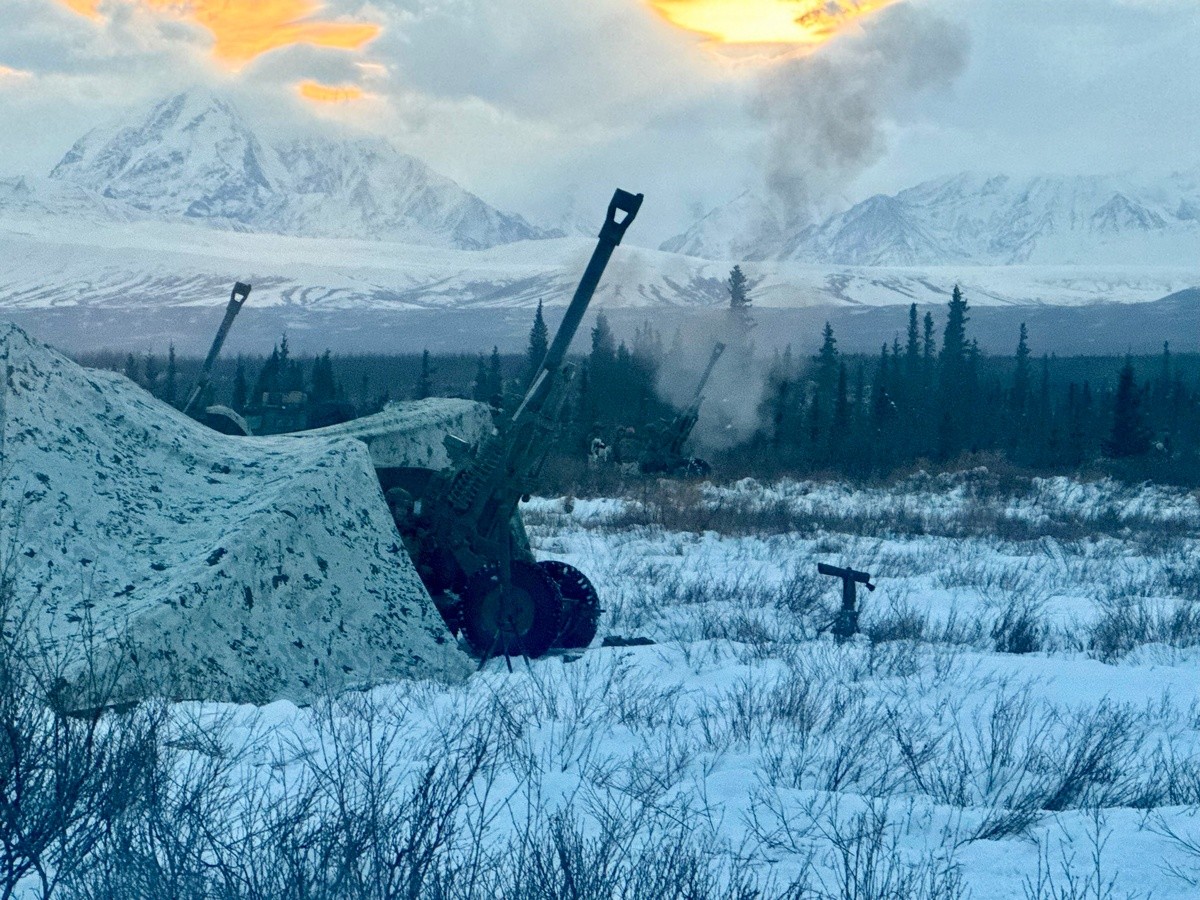
During the final evaluation, the battalion was forced to operate in a highly contested environment. Oppositional forces conducted hit-and-run direct fire engagements against the artillery positions, but the primary threat came in the form of simulated enemy counterfire which is one of the greatest threats to modern artillery. To survive, paratroopers had to rapidly mass fires through simultaneous shooting from disparate, remote locations, and then immediately displace their howitzers to new firing points before the simulated enemy could retaliate.
The paratroopers achieved all training objectives and safely fired more than 600 artillery rounds, despite facing brutal subzero Arctic conditions. Throughout the 16-day window, temperatures plummeted to zero degrees Fahrenheit, winds howled at 35 knots and the training area accumulated between 12 and 18 inches of snow.
“This evaluation proved that we can mass fires, maintain tactical survivability against a modern threat, and deliver devastating, precise lethality in some of the most unforgiving, Arctic conditions on the planet,” Grundhauser said. “Our Arctic Angels are trained, qualified, and ready to support the maneuver fight.”
Following the successful completion of this historic evaluation, the battalion redeployed south to Joint Base Elmendorf-Richardson, establishing a tested precedent for cold-weather artillery operations in the Pacific theater.
Social Sharing