
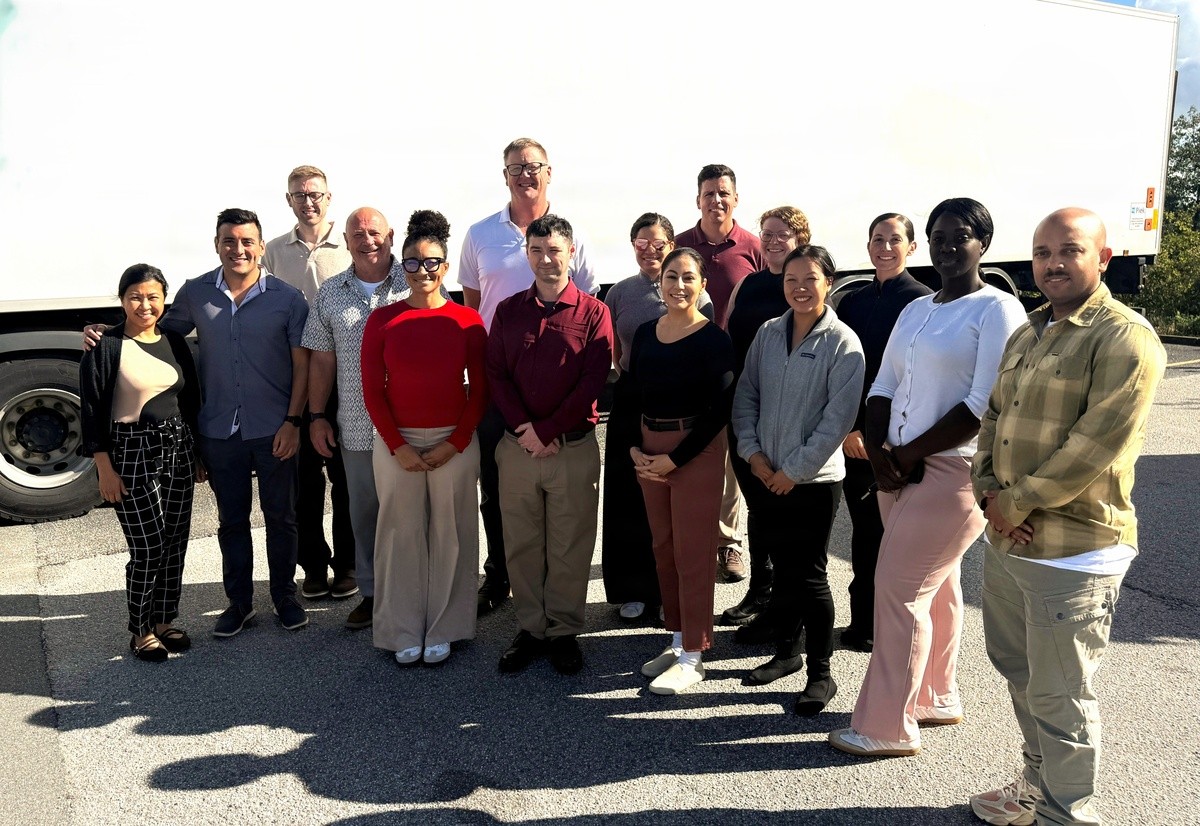
This November, the Army Veterinary Corps celebrates 45 years of food safety warrant officer excellence and force health protection.
The Army identified the need for independent food supply oversight following the Spanish-American War's "embalmed beef" controversy. By 1901, the Army integrated veterinarians and veterinary food inspectors into the supply chain. In 1981, the first official food safety warrant officers graduated from training.
Today, the Army recruits food safety warrant officers (640A) from select food inspector specialists (68R) and preventive medicine specialists (68S). Candidates complete Warrant Officer Candidate School and receive advanced training in food science, microbiology, processing technology, quality assurance, and food defense.
Food safety warrant officers support the joint forces supply chain across all seven continents, from Antarctica to forward-deployed areas.
Contaminated food, unsafe water, or food-supply attacks degrade combat readiness. While 68R and 68S inspectors execute daily surveillance, 640As plan, direct, and evaluate food safety systems. Food safety warrant officers work to safeguard warfighters and military families through mentoring inspection teams, auditing food sources, overseeing product recalls, and partnering with military, civilian, and international regulators. Food safety warrant officers also advise commanders on levels of risk when decisions involve food and water.
The specialty reached a historic leadership milestone on August 28, 2026 when Chief Warrant Officer 5 Terrence Ward succeeded Chief Warrant Officer 5 Deanna Hughes as U.S. Army Medical Command's Command Chief Warrant Officer.
The success of the 640A specialty is ultimately measured by what does not happen—an outbreak prevented, an unsafe supplier excluded, and a warfighter free to concentrate on the mission because their next meal is protected.
Social Sharing