At 11 a.m. on Nov. 11, 1918, the armistice between the Entente and Germany went into effect and the guns on the Western Front fell silent. Approximately 2,250 soldiers on either side were dying every day and losses that morning still neared 11,000 dead, wounded and missing. For the roughly two million American doughboys still deployed in France that day, the fighting finally ceased.
The twelve months that followed produced the largest demobilization in U.S. history to that date, culminating in the first national observance of the American Veteran on Nov. 11, 1919. That observance has continued every year since, evolving into the Veterans Day that the nation commemorates today. In that first year of Soldier homecomings and modern demobilization, the nation redefined how to honor those who served.
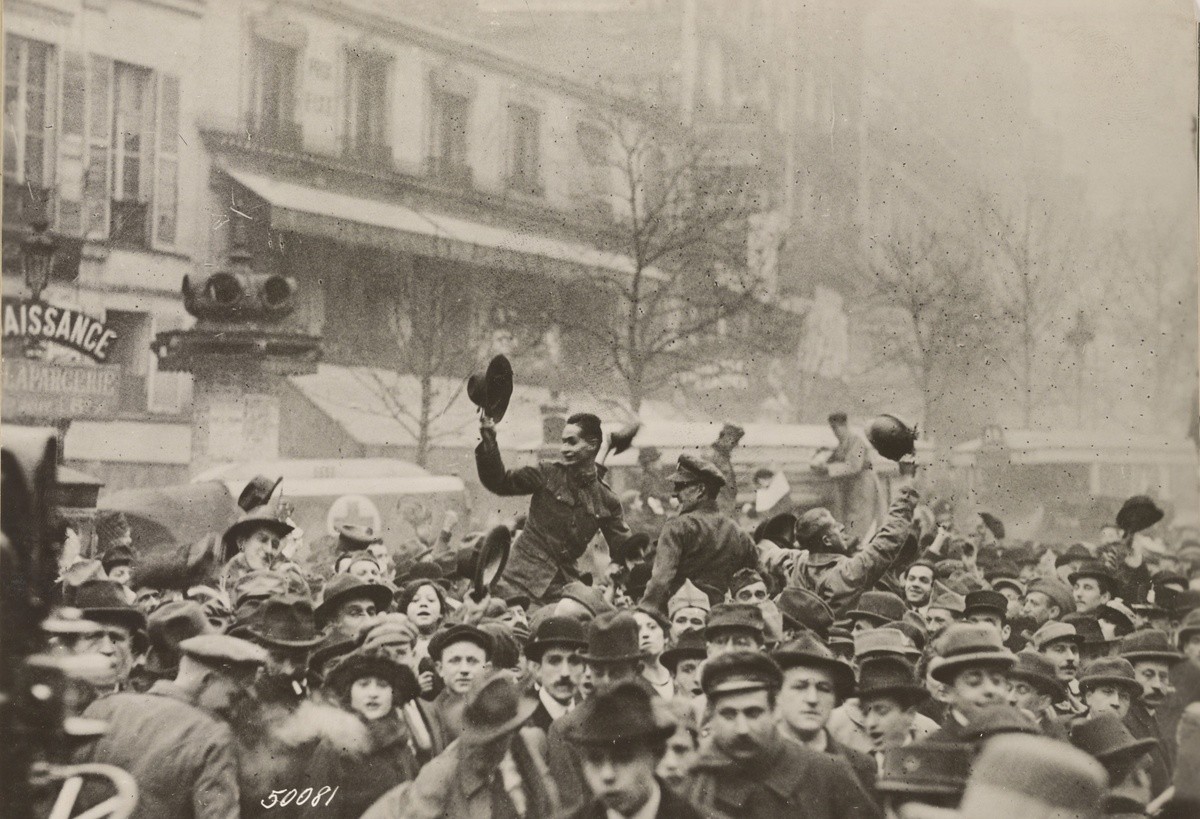
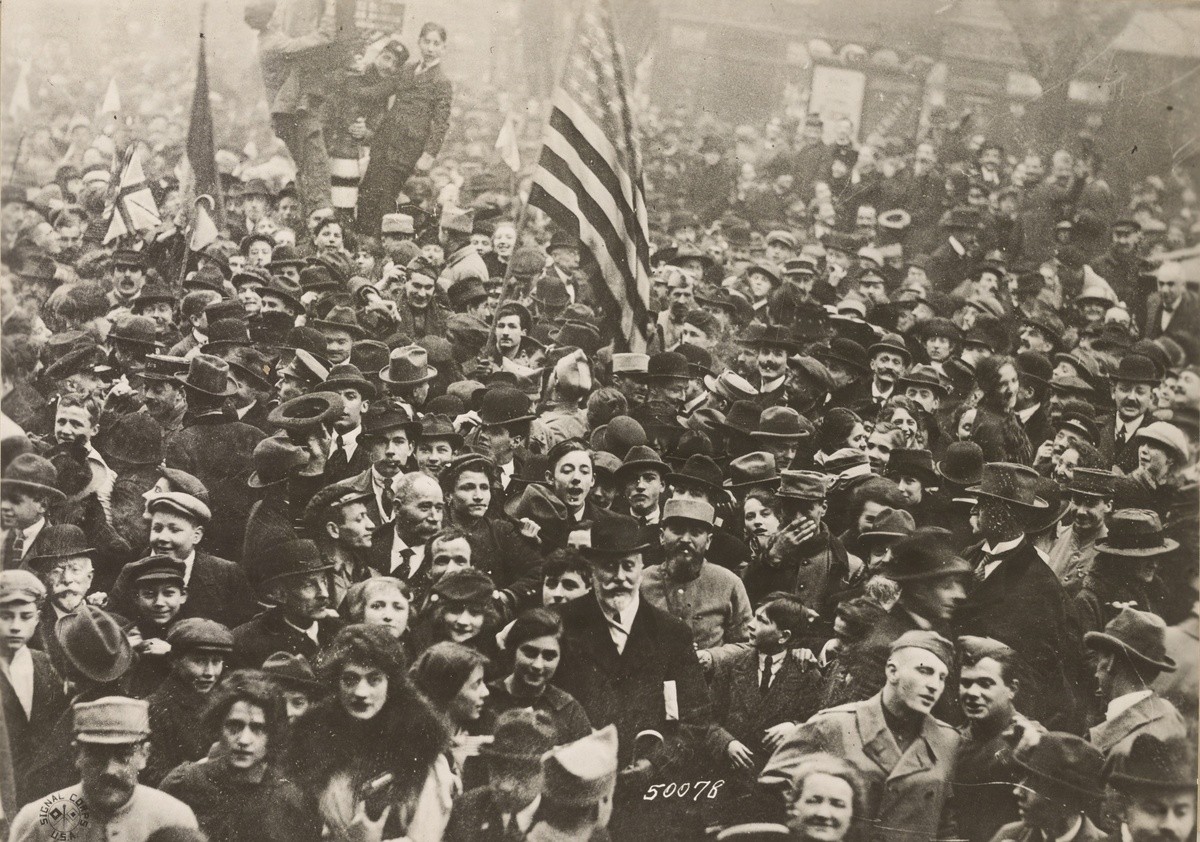
When the U.S. entered the war in April 1917, the Army numbered just 133,000 active-duty Soldiers. By the armistice less than two years later, it could muster approximately 3,685,458, or seventeen times its prewar strength. Reversing this rapid mobilization would be an unprecedented challenge of scale and manpower coordination.
Army Chief of Staff Gen. Peyton C. March ordered the first gathering of 200,000 Soldiers less than a week after the armistice and projected roughly 30,000 discharges a day. Shipping capacity would govern the overall pace, which was based on a fleet of converted and confiscated ships racing back-and-forth across the Atlantic. In December 1918 alone, the Army was able to discharge more than 600,000 Soldiers stationed back in the U.S.
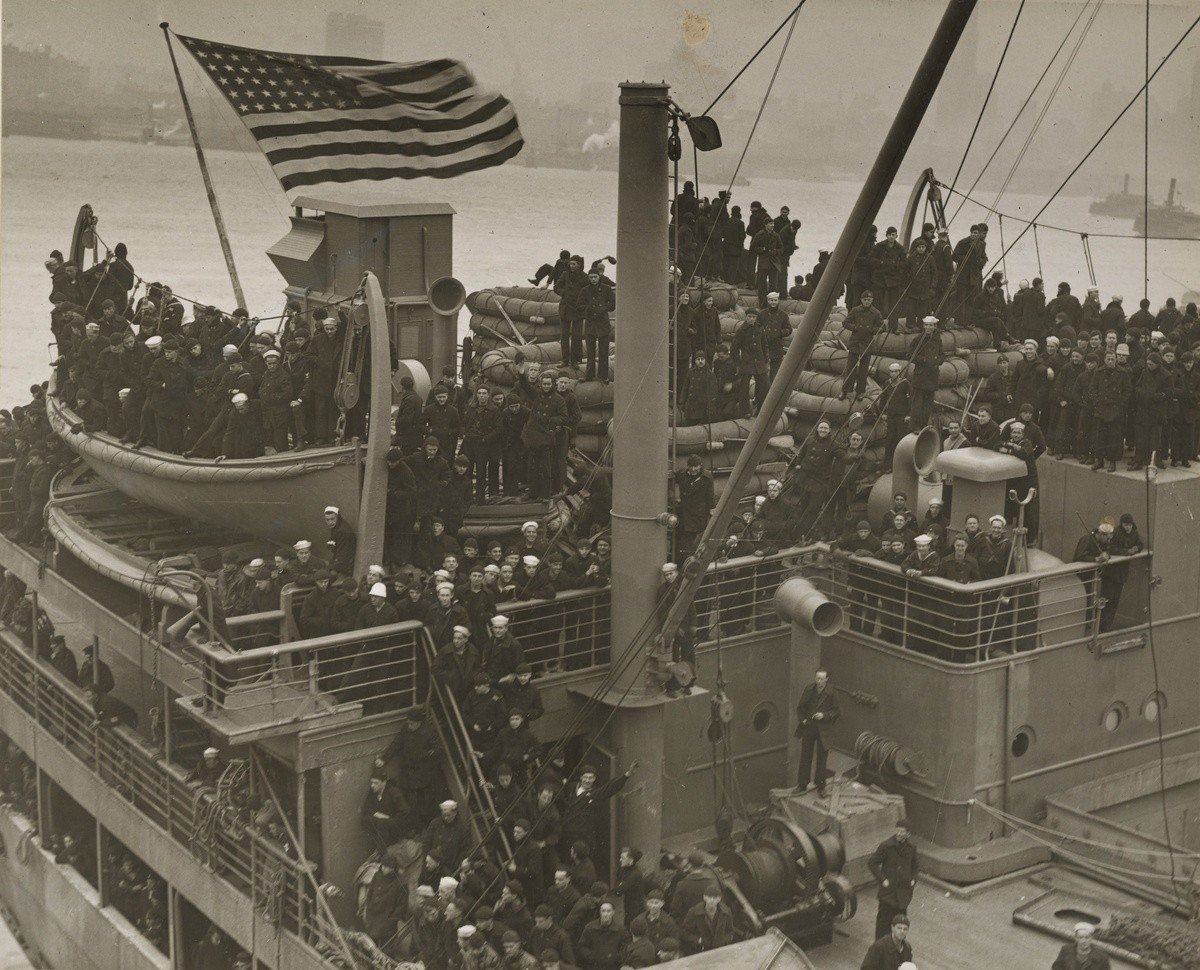
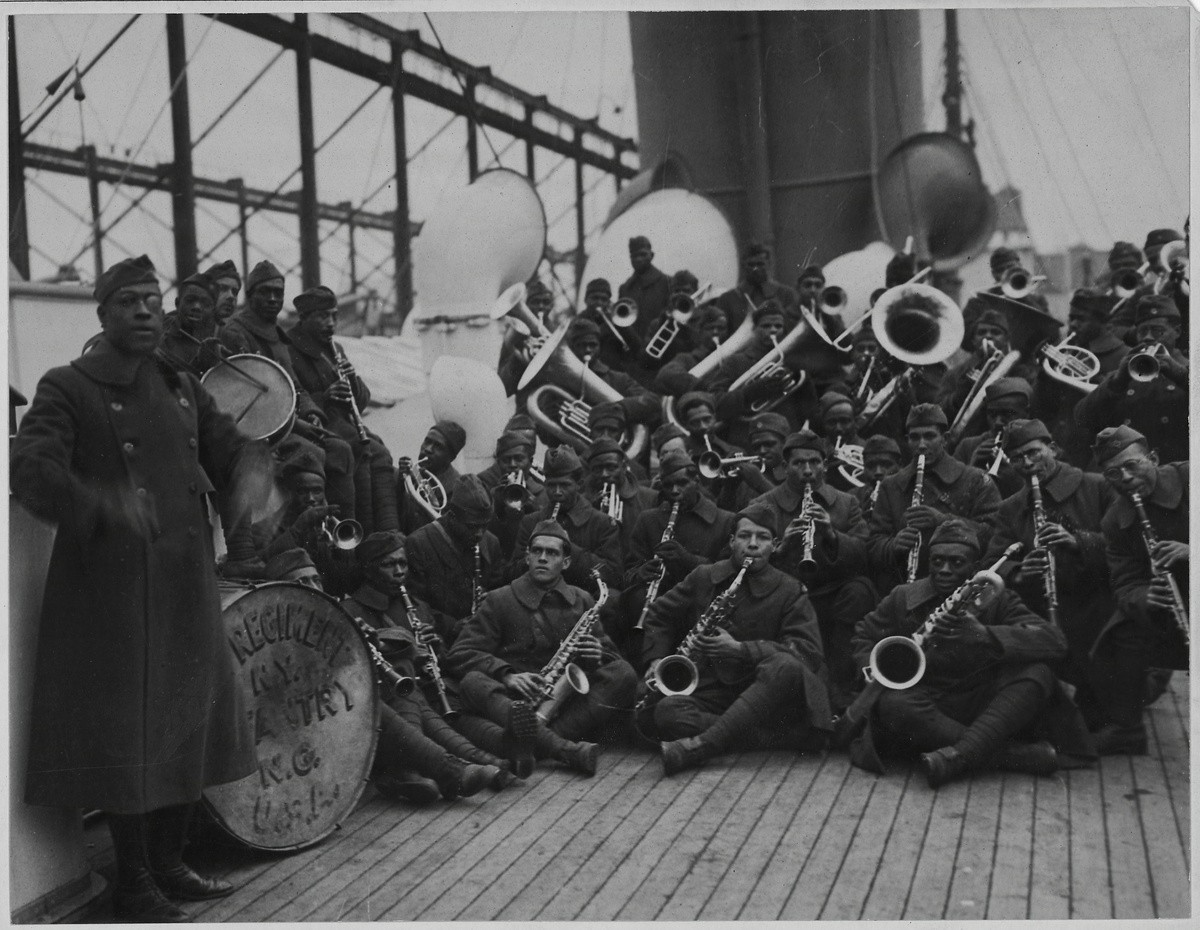
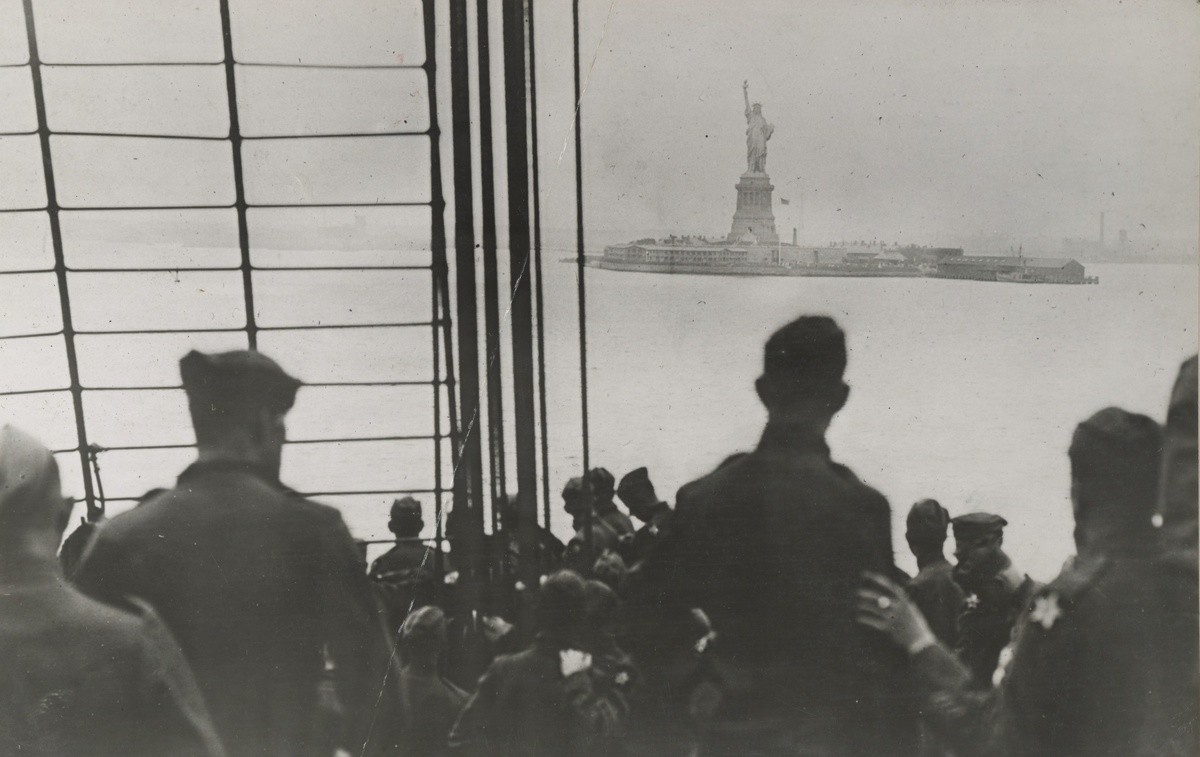
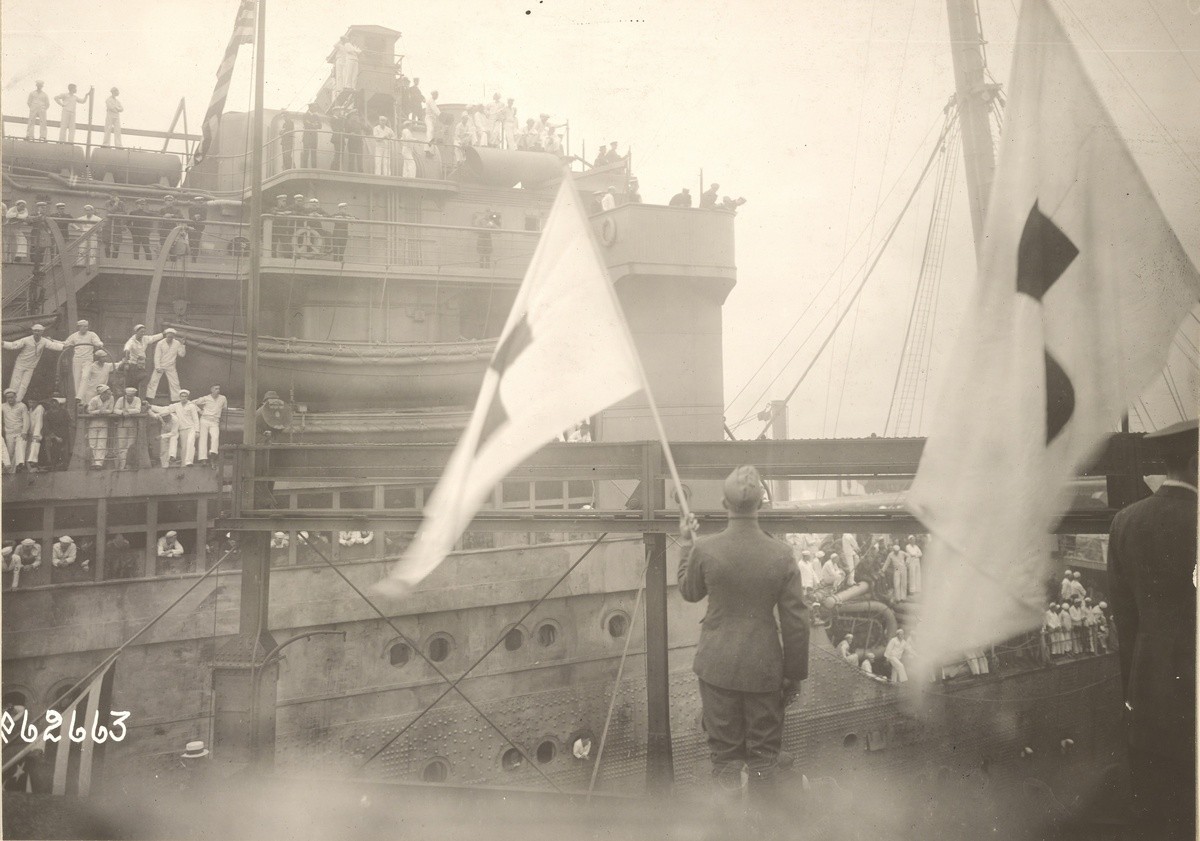
Between November 1918 and the end of 1919, the War Department embarked 2,015,000 personnel back home. The Army designated Brest, Saint-Nazaire and Bordeaux, France, as the principal ports of embarkation, and by June 1919 the U.S. transport fleet peaked at 174 vessels and 419,000 berths. Soldiers arrived at debarkation ports such as Hoboken, Newport News, Boston and Charleston after a week at sea and then moved to installations including Camps Merritt, Stuart, Hill, Upton and Mills for their final discharge.
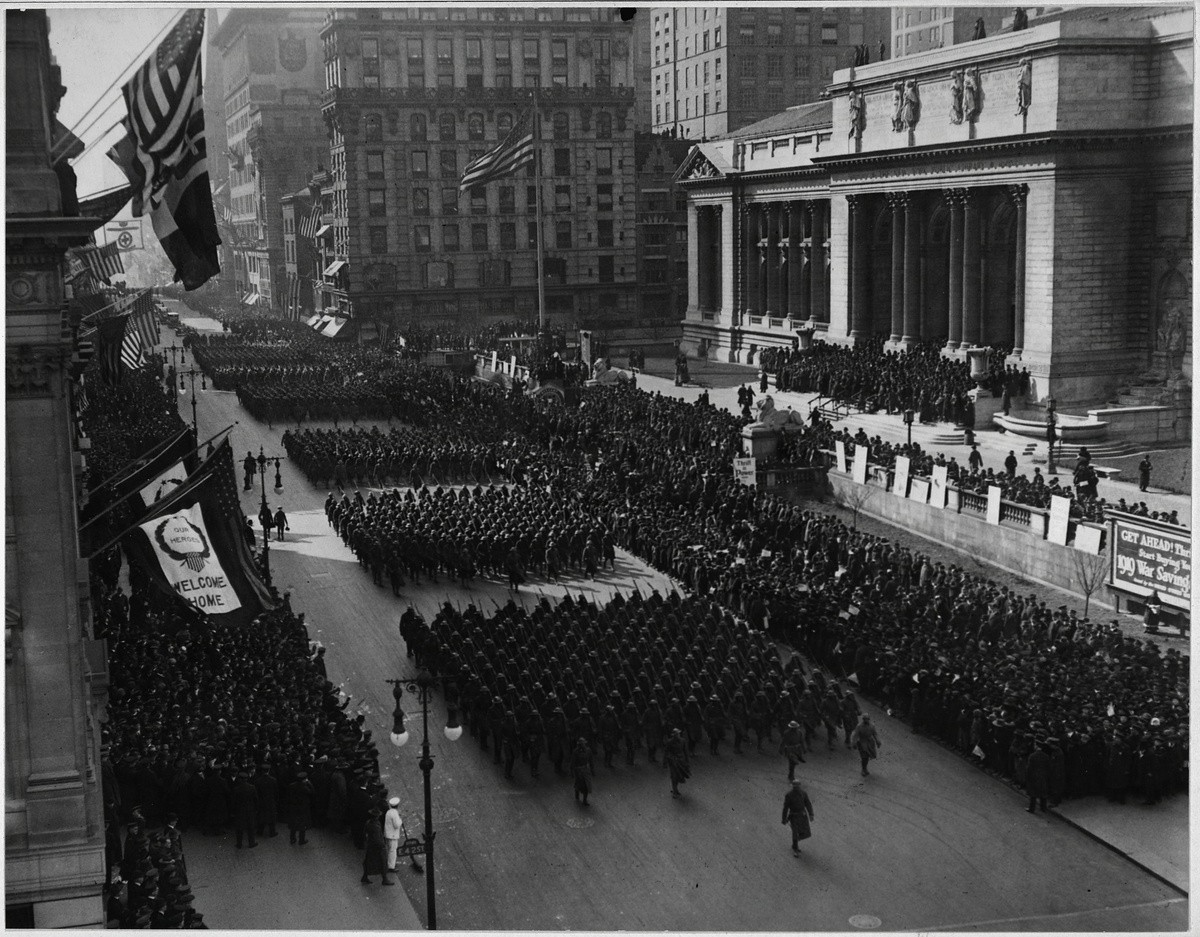
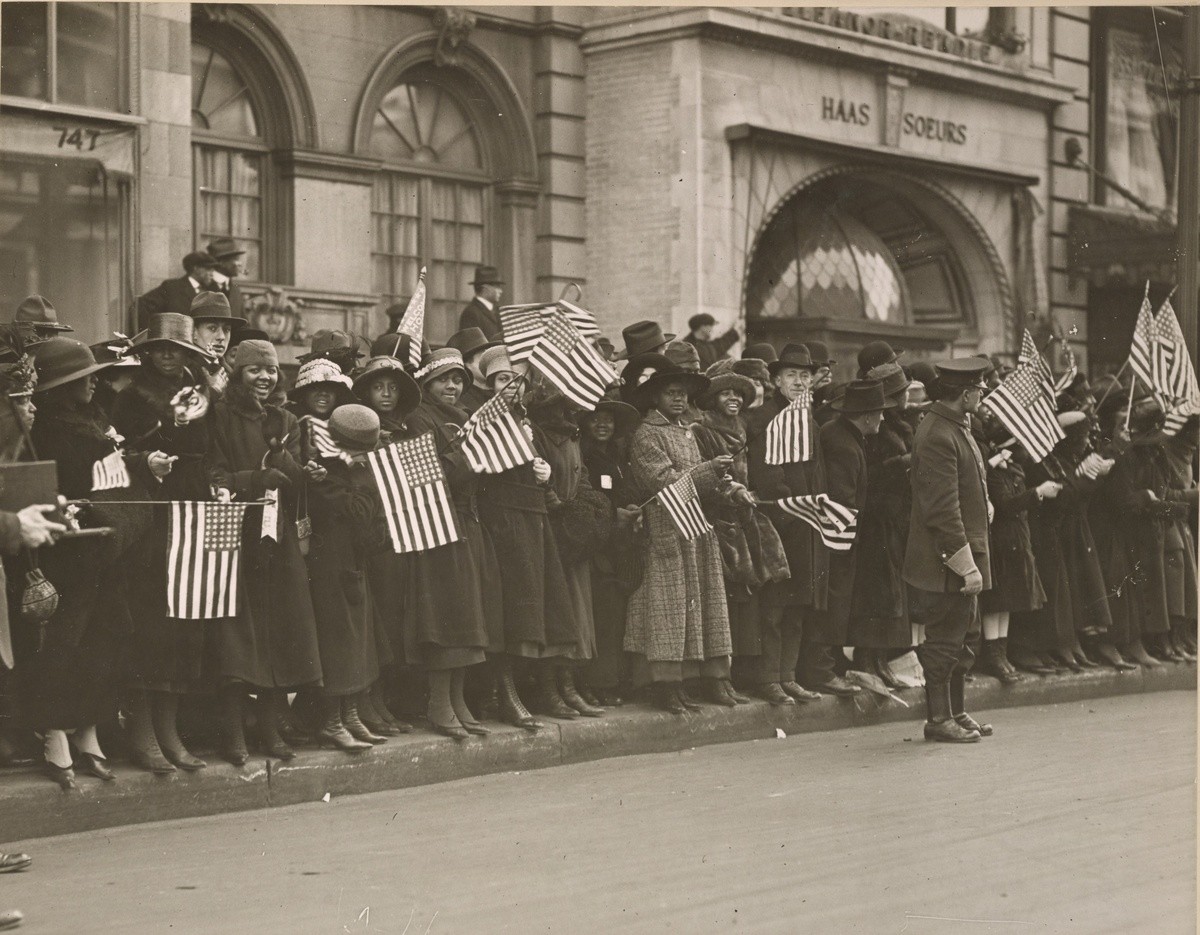
Across the country, communities greeted the returning Veterans with large parades, banquets and offered heavily discounted rates at hotels, restaurants and theaters. On Feb. 17, 1919, New York welcomed home the 369th Infantry Regiment, and a month later, 20,000 men of the 27th Division marched the same route before two million spectators. On April 25, Boston staged its largest military parade for the 26th Division, featuring 20,000 Soldiers and more than a million onlookers lining the rainy streets.
The November armistice left an operational commitment that further complicated demobilization efforts. In December 1918 approximately 240,000 Third Army Soldiers marched eastward into a collapsed Germany to quickly occupy the Coblenz bridgehead. Within ten days of the armistice, the U.S. Army began to receive the surrender of 5,000 artillery pieces, 3,000 trench mortars, 1,700 airplanes and 25,000 machine guns, as per the terms agreement.
The Third Army remained in Germany into spring 1919 while the peace terms were carefully negotiated. After the Treaty of Versailles was signed on June 28, a heavily reduced occupation carried on with approximately 11,000 personnel in the American Forces in Germany field army by early September 1919. The rest of the American doughboys were now ready to return home.
While Soldiers waited to board westbound transports, commanders focused on keeping their units occupied and motivated. With the 1916 Olympic Games canceled due to the ongoing devastation of World War I, AEF commander Gen. John J. Pershing seized the opportunity to foster international goodwill by opening the Inter-Allied Games in Paris that summer. Held in a newly constructed 20,000-seat stadium, the multisport competition exhibited 1,500 Soldier-athletes and representatives from 18 different nations.
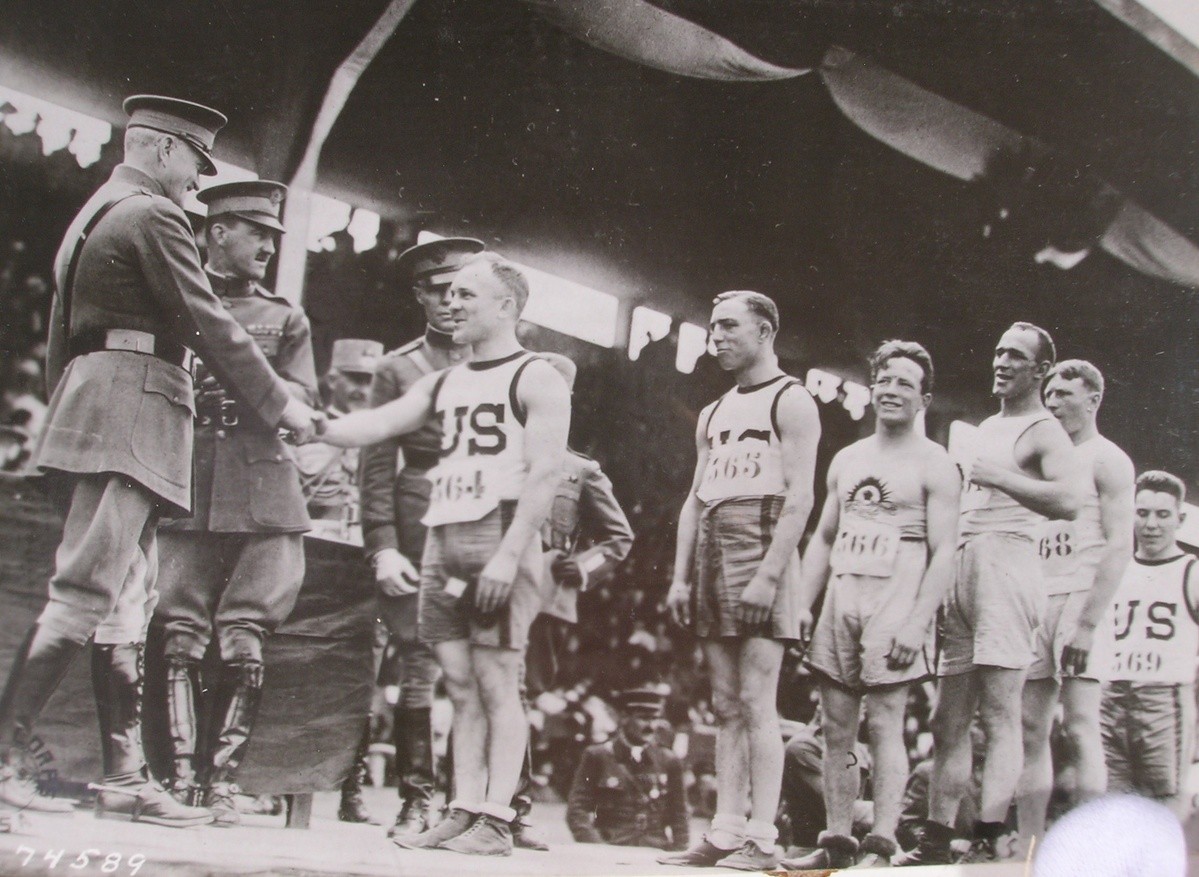
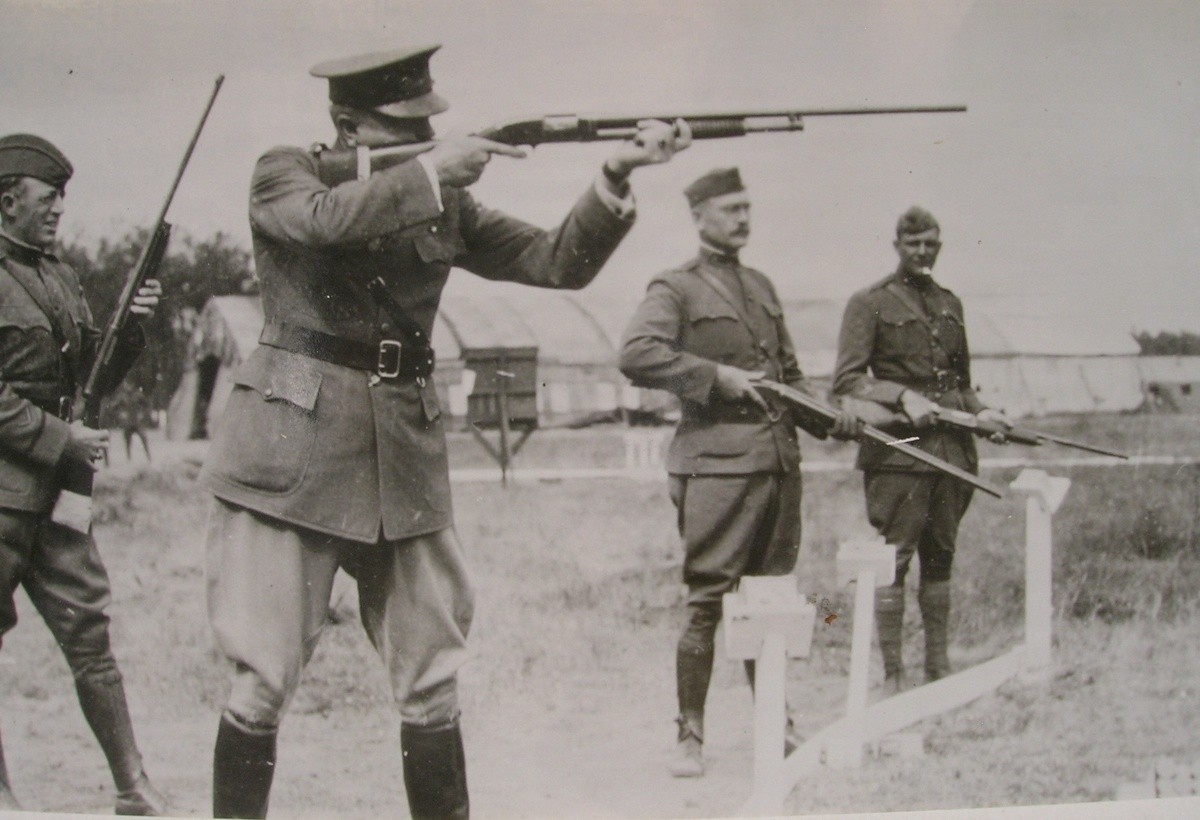
The massive event drew over 500,000 spectators eager to witness renowned global competitors across nineteen sporting events, including military-oriented competitions such as shooting and hand-grenade throwing. U.S. Army Chaplain F.C. Thompson, a former baseball player, notably won gold when he threw a hand grenade 246 feet. American swimmer Norman Ross also famously won set a world-record time of 5 minutes and 40 seconds in 400-meter freestyle, earning five gold medals at the games. Ross would go on earn three Olympic gold medals at the 1920 Summer Olympics in Belgium.
Pershing finally arrived home on the USS Leviathan’s last journey back to New York, arriving on Sept. 9 in the midst of a brutal heat wave. The next day, large crowds lined designated routes for miles and miles, cheering as thousands of Soldiers from the 1st Division marched down Fifth Avenue and Pennsylvania Avenue. Led by Pershing, the victory parade culminated the largest demobilization effort in American history by that point, which offered a preview of the permanent observance that soon followed.
On the first anniversary of the armistice, President Woodrow Wilson proclaimed that “the reflections of Armistice Day will be filled with solemn pride in the heroism of those who died in the country’s service and with gratitude for the victory.” The nation initially observed that day with brief pauses at work and smaller public ceremonies, the first formal step toward a permanent national remembrance.
Congress officially recognized Nov. 11 as an annual day of observance in 1926 before making it a legal holiday in 1938. President Dwight D. Eisenhower renamed "Armistice Day” to “Veterans Day” in 1954, extending the annual recognition to every American who served in the U.S. military. The year of demobilization after the First World War inaugurated a lasting public commitment to honor every Veteran who follows the last.
Social Sharing