WILMINGTON, N.C. — When disaster strikes, the U.S. Army Corps of Engineers relies on trained personnel who can respond quickly, adapt to challenging conditions and provide critical support to affected communities. For one Wilmington District employee, a desire to contribute more to that mission led her to pursue an additional qualification that expands her ability to serve.
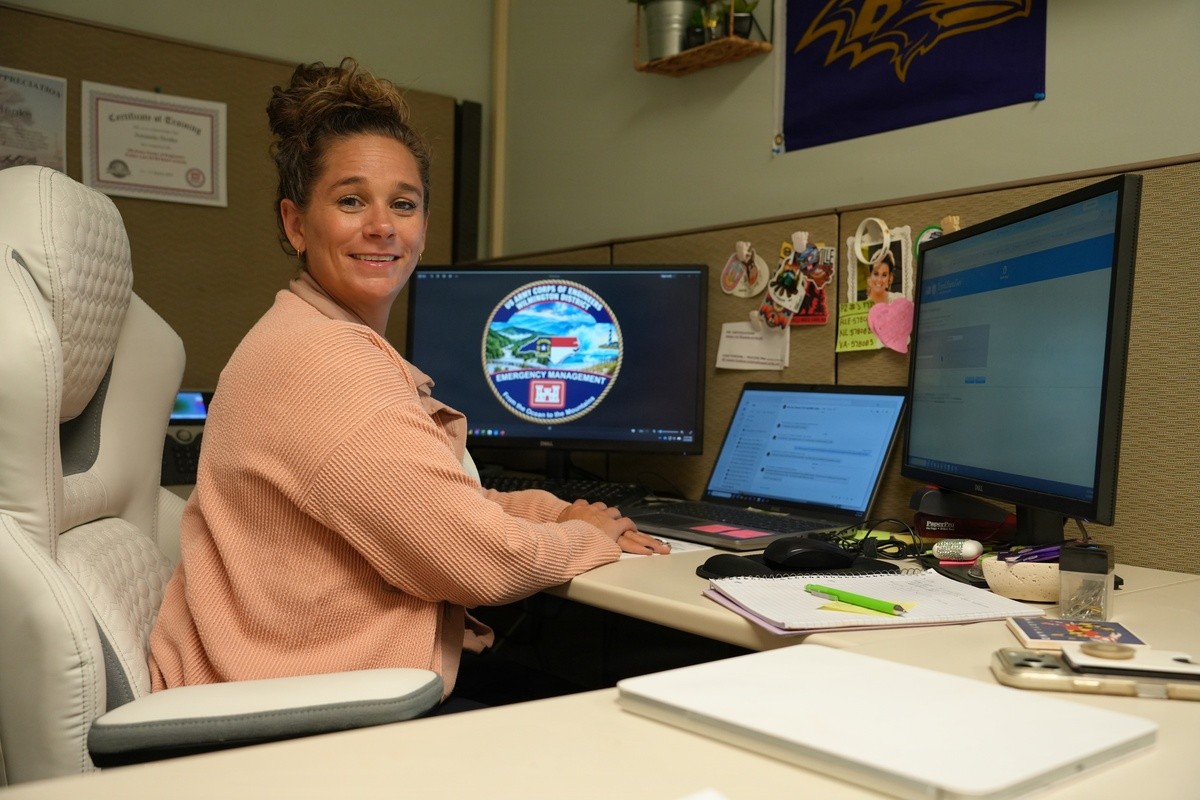
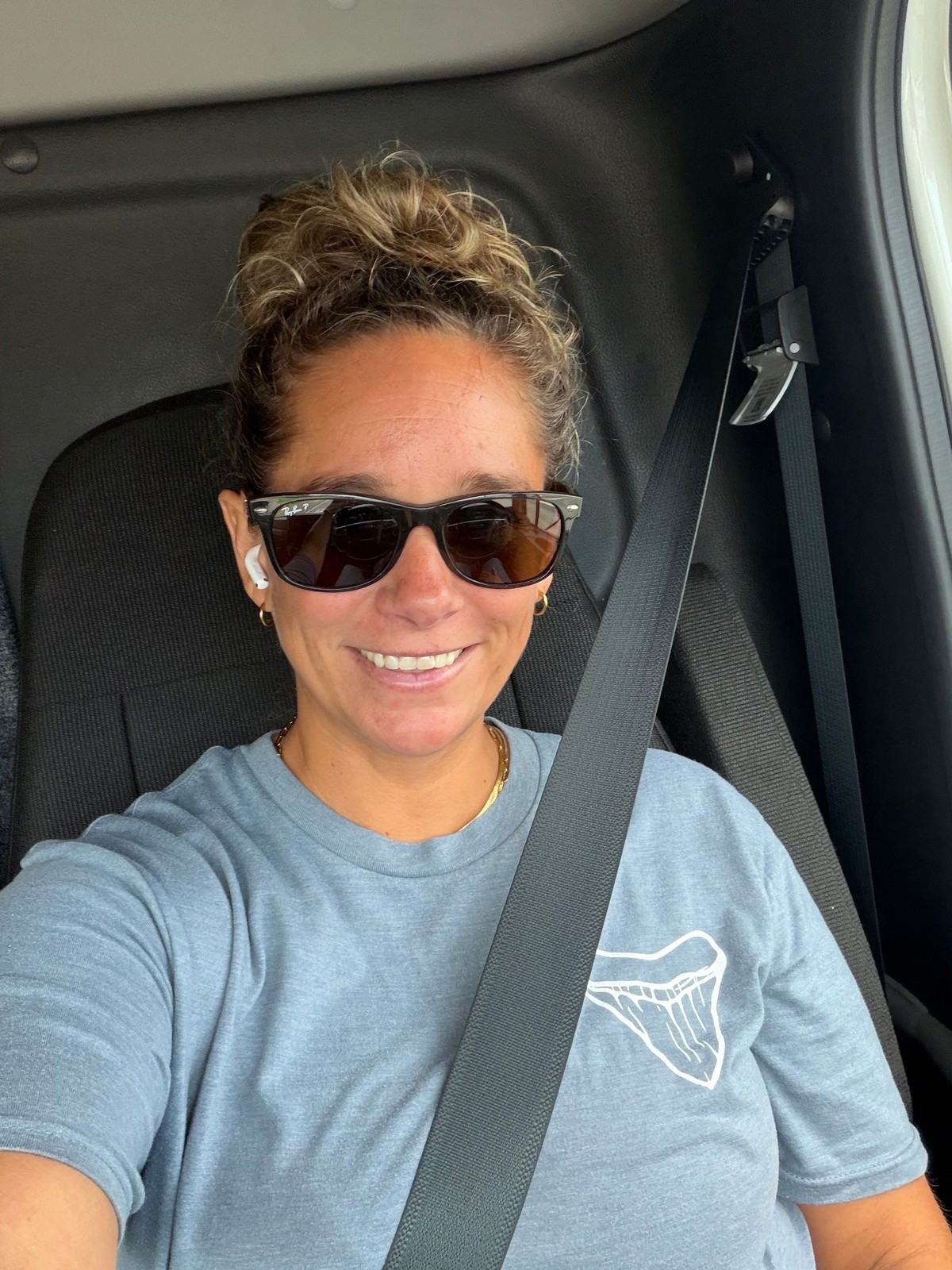
Amanda Henke, an emergency management specialist with the U.S. Army Corps of Engineers Wilmington District, recently earned her qualification as a Deployable Tactical Operations System (DTOS) operator, joining a specialized workforce responsible for delivering mobile operational capabilities to disaster-affected areas.
For Henke, the decision to pursue the qualification wasn't about recognition. It was about finding another way to put her skills to work.
"I wanted to be a part of something bigger and be able to assist and help where I was needed," Henke said.
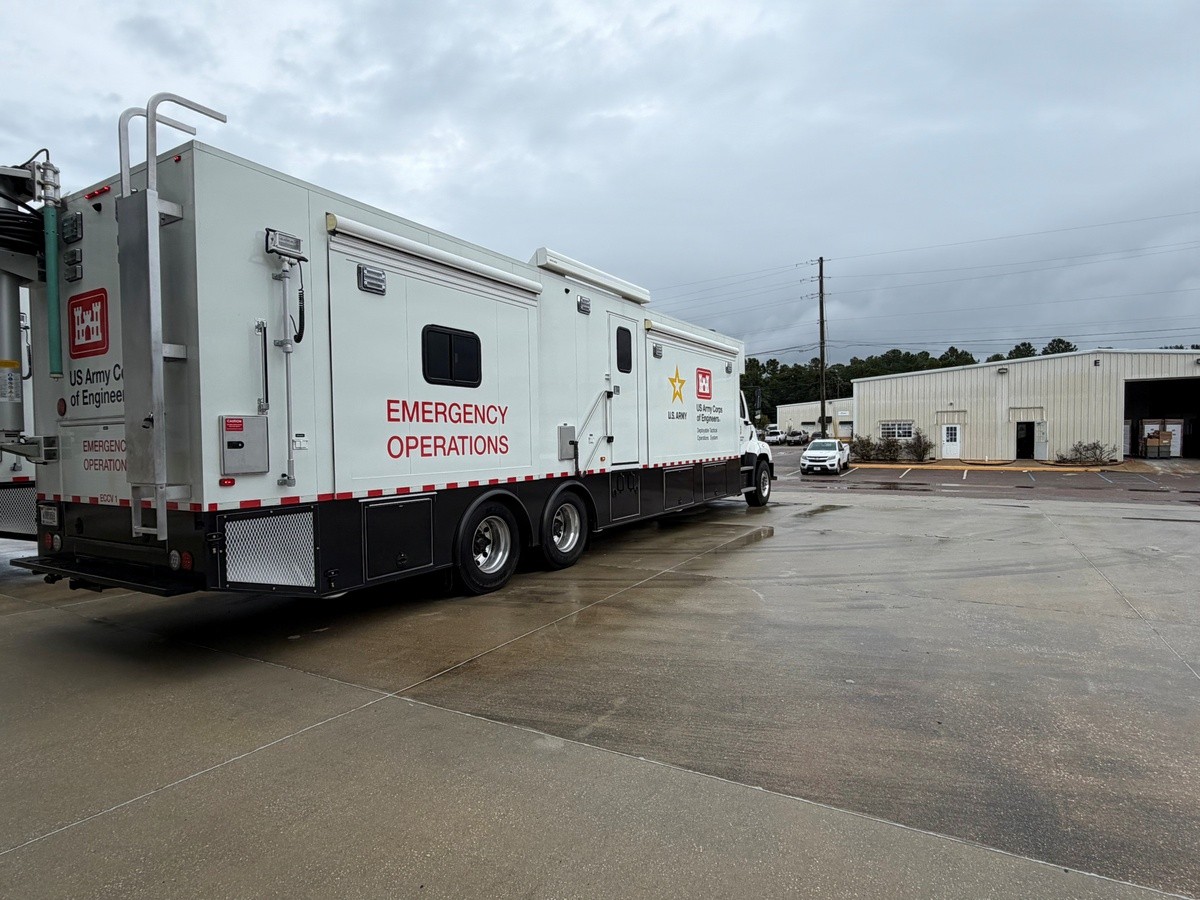
DTOS vehicles provide mobile office space and operational capabilities that support USACE emergency response missions when existing facilities may be damaged, inaccessible or otherwise unavailable. The vehicles can be deployed throughout the United States and overseas, providing personnel with the resources necessary to establish and sustain field operations.
According to Jeff Harilson, an emergency management specialist supporting the DTOS program, there are currently 72 qualified DTOS operators across the USACE enterprise, only three of whom are women. Henke's qualification places her among that small group while expanding the pool of trained personnel available to support emergency response missions.
Henke's interest in becoming an operator developed through her experience supporting emergency response operations, including Hurricane Helene, where she observed the role DTOS teams play in establishing operational facilities.
Already holding a commercial driver's license through her work as a lacrosse coach at North Brunswick High School and an activity bus driver for Brunswick County Schools, Henke recognized an opportunity to apply an existing skill to her career with USACE.
"I figured why not put my qualifications as a bus driver towards my career and expand my capabilities," Henke said.
With encouragement from colleagues and leadership, Henke volunteered to pursue the additional training necessary to become a qualified DTOS operator.
Earning the qualification required more than possessing a commercial driver's license. DTOS operators must complete Civil Level I and DTOS Level II training and maintain a Class B CDL with an air brake endorsement.
The specialized DTOS course, typically conducted over two to four days depending on class size, familiarizes participants with the vehicle's mechanical, electrical and communications systems. Operators must demonstrate their ability to inspect, maintain, troubleshoot and operate the equipment while coordinating with the DTOS management team.
For Henke, the mechanical components presented the greatest learning curve.
"I know how to change my own oil and tire, but knowing what the actual parts are under the front of a diesel vehicle is something completely different," she said. "It's all about getting a method that works for you and following it."
During training, Henke participated in realistic deployment scenarios that included conducting vehicle inspections, preparing equipment for deployment and completing a 200-mile round-trip driving exercise.
Terrell Bosarge, a member of the USACE DTOS program, said Henke approached the training with attention to detail and a willingness to learn.
"She did very well," Bosarge said. "She was very attentive and thorough through the training."
Her qualification adds another trained operator to the enterprise-wide DTOS program, which relies on primary and backup two-person teams to support emergency response missions.
According to Bosarge, maintaining a sufficient number of qualified personnel provides flexibility when operators are unavailable and allows the program to sustain extended deployments through 30-day team rotations.
Henke's background in emergency management also provides an additional benefit. Beyond transporting and operating the DTOS vehicle, her familiarity with emergency response procedures and Planning and Response Team operations may allow her to assist with other mission requirements once her primary DTOS responsibilities are met.
"Not only can I assist by getting the office space there for others to work out of, but I can also support using my knowledge through EM when I get there," Henke said.
Although Henke has not yet deployed as a qualified DTOS operator, she has already returned for additional maintenance and familiarization activities. Maintaining her qualification requires continued proficiency with the vehicle and its systems, along with periodic maintenance and driving requirements.
For Henke, the accomplishment represents another step in an ongoing commitment to professional development and service.
"I don't think you should ever get comfortable enough to stop learning," Henke said. "The more tools you have the better member of a team you can be."
And while she looks forward to her first deployment as a DTOS operator, Henke hopes her experience encourages others to explore opportunities beyond their everyday responsibilities.
"Learn as much as you can and never stop learning," she said. "If you have a goal outside of your line of work pursue it even if that means giving up your own personal time. Nothing is too big or out of reach."
Social Sharing