
Back to U.S. Army Southern European Task Force, Africa
VICENZA, Italy — For U.S. Army Southern European Task Force, Africa (SETAF-AF), innovation starts with an operational problem, not a piece of technology.
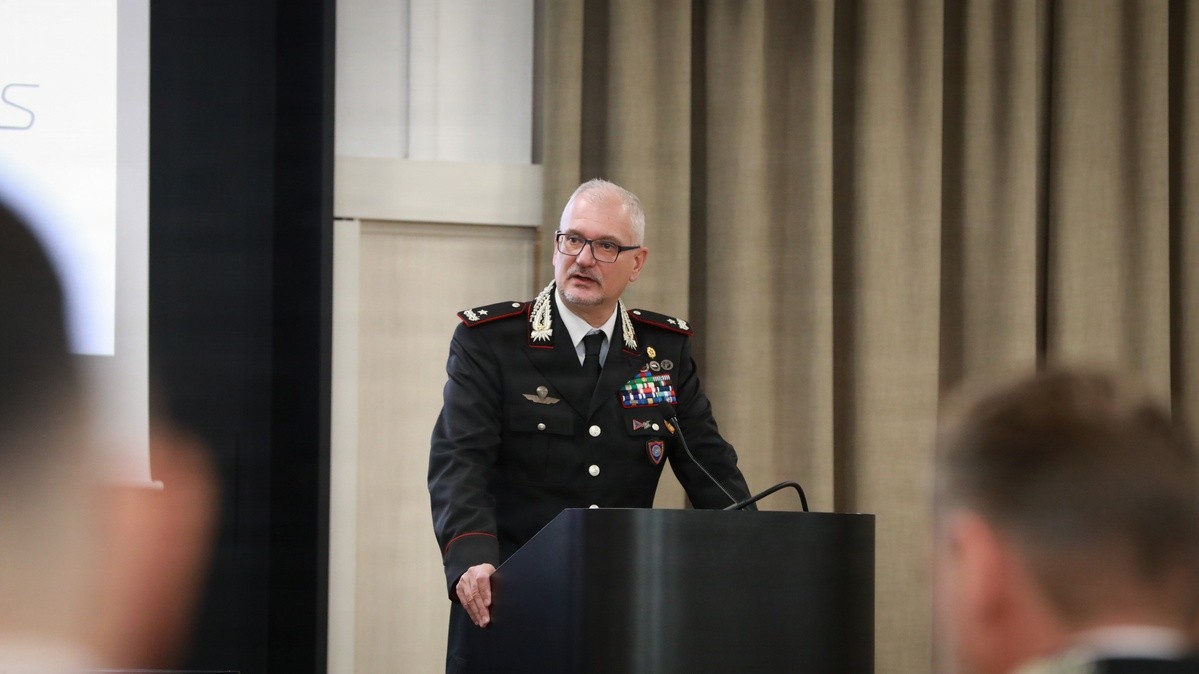
SETAF-AF demonstrated that approach during the Robotics in Stability Policing Conference at the Center of Excellence for Stability Police Units (CoESPU), where military leaders, academics, engineers and industry representatives examined how robotics, artificial intelligence and emerging technologies could address operational challenges, Sept. 25, 2026.
The command’s approach connects operational requirements with developers, researchers and emerging capabilities, then uses exercises to determine whether those solutions work in realistic environments.
“It’s really about identifying capability gaps and how we connect our problems to people, organizations that have solutions, but do it in a way that we’re really making it practical,” said Fred T. Krawchuk, director of SETAF-AF’s Advanced Capabilities Directorate.
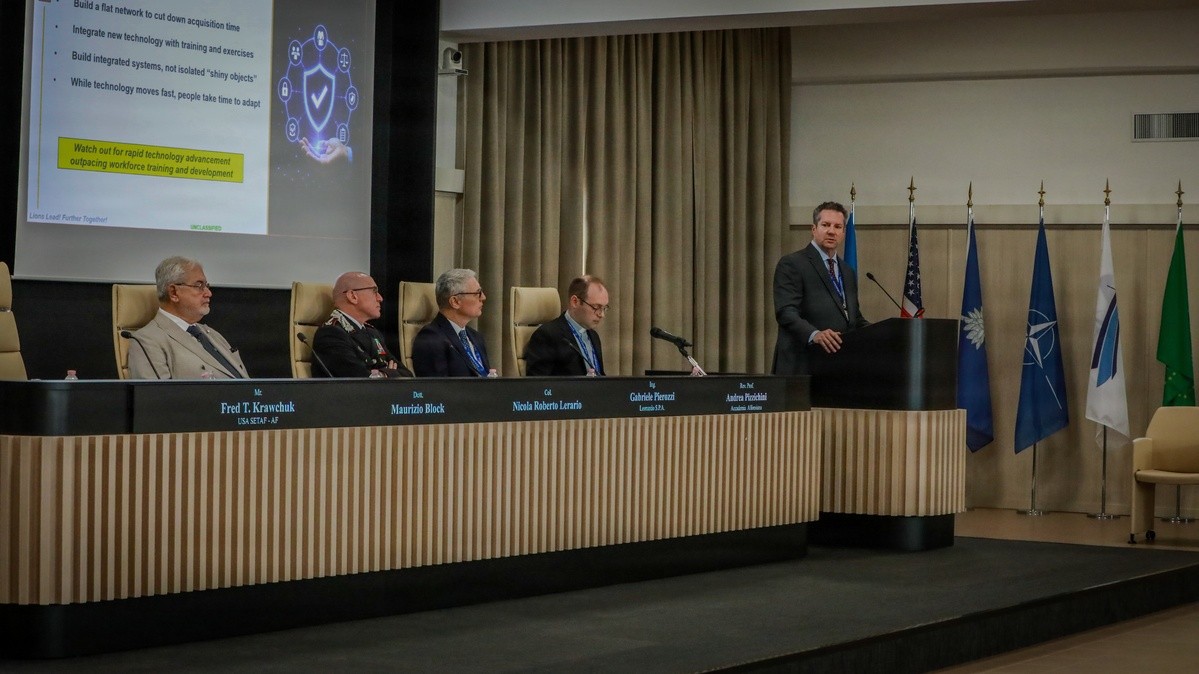
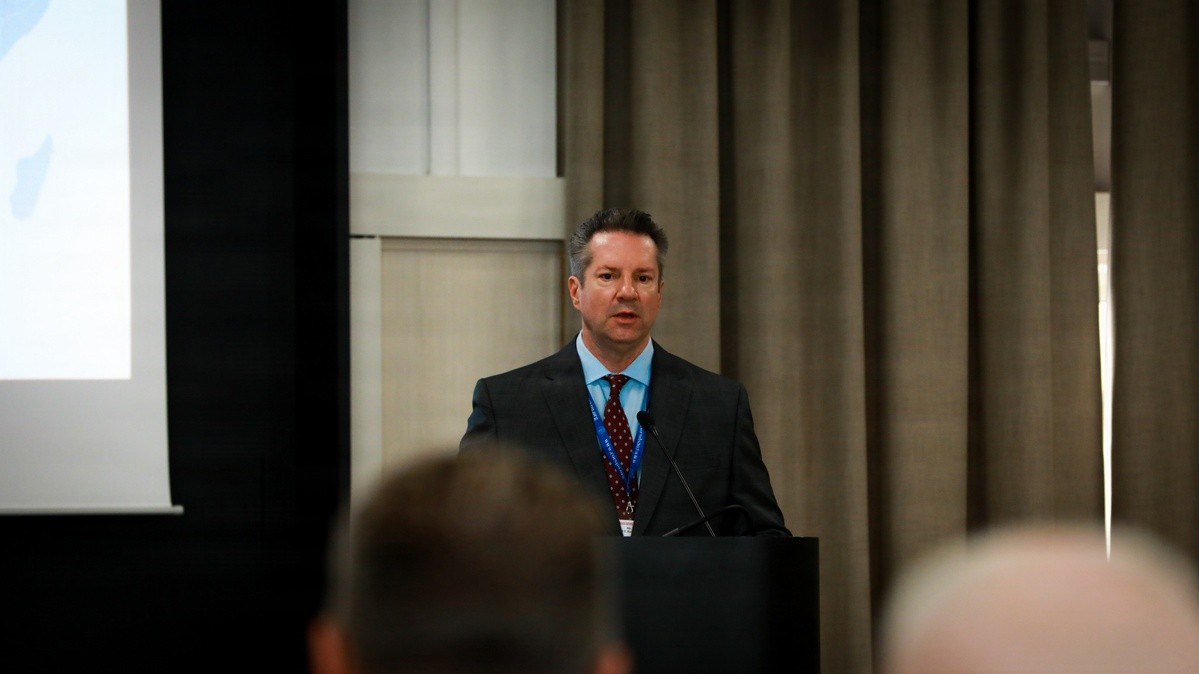
African Lion 26 provided one of those testing grounds. During U.S. Africa Command’s largest annual joint exercise, SETAF-AF and its partners integrated emerging technologies and artificial intelligence tools into training in Morocco, creating opportunities to evaluate capabilities against operational requirements.
“The ideal situation is, we’re clear about the problem, and we have the Soldier, the operator, in the same room with the engineer, with the developer,” Krawchuk said.
SETAF-AF expands those connections beyond individual exercises. The command brought personnel connected to the Army’s innovation pipeline to Vicenza to identify technologies under development that could be tested by Soldiers. SETAF-AF also reached out to approximately 30 universities and research organizations to build relationships around experimentation and emerging technology.
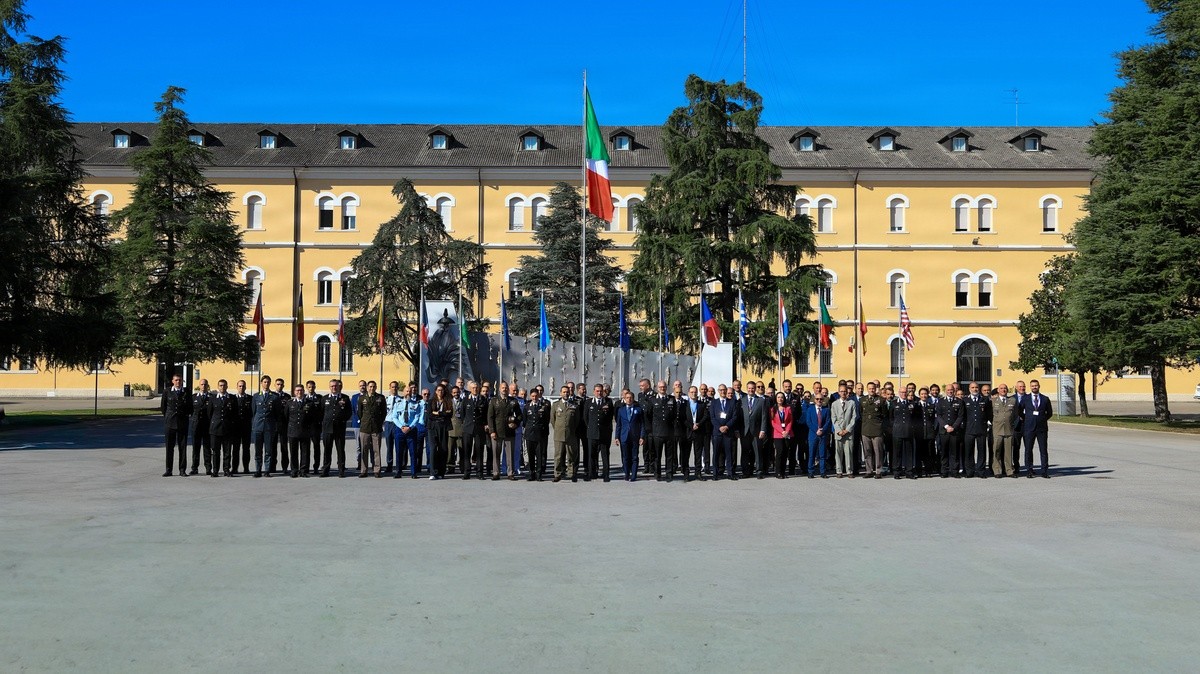
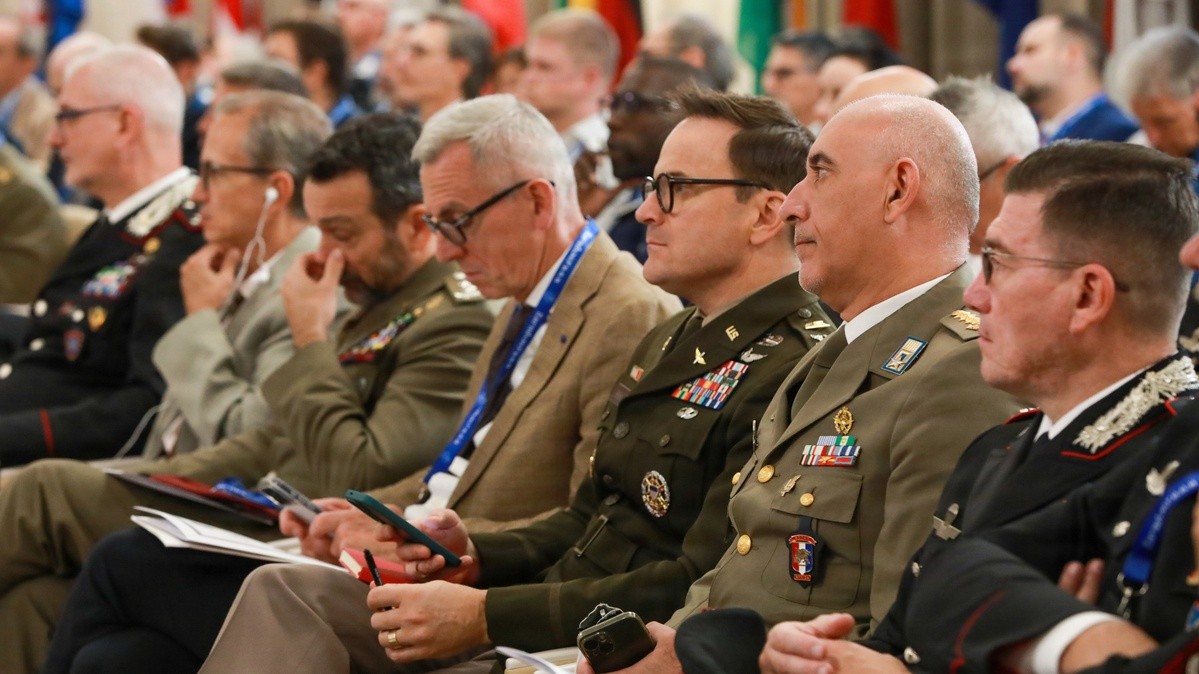
Direct collaboration between operators and developers helps ensure emerging capabilities address operational requirements rather than assumptions.
“The value of robotics and artificial intelligence is not simply in making a system autonomous,” said Gabriele Pierozzi, a participant in the robotics conference and engineer with Leonardo S.p.A. “It is in giving operators better information, reducing their exposure to risk and allowing them to make faster, more informed decisions. Industry has to work directly with the people who will use these systems so we develop technology around an operational requirement, not an assumption.”

Defining that requirement before selecting a technology remains a critical step. Krawchuk described an internal project in which an engineer developed an application capable of recording meetings and using AI to generate summaries. Although the application worked, the team realized it had developed the tool before fully identifying the knowledge-management problem it was intended to address.
“We have a great tool looking for a problem to solve,” Krawchuk said. “We’ve had to re-engineer it.”
Successful experimentation also depends on more than whether an individual device works. New robotics, sensors and AI applications require trained operators, reliable data, maintenance, logistics and sustainment to remain effective beyond an initial demonstration.
“Oftentimes we’re approached by companies or vendors that have one component, and they want to give us or sell us this component, but we really need the whole system,” Krawchuk said.
That whole-system approach places people and processes alongside technology. SETAF-AF brings engineers, logisticians, operators and researchers together to evaluate not only what a capability can do, but how Soldiers will train, employ and sustain it.
As emerging systems become more capable, experimentation must also account for how technology affects human judgment and decision-making.
“Innovation in stability policing must strengthen, not replace, human judgment,” said Italian Carabinieri Brig. Gen. Andrea Paris, CoESPU commandant. “As robotics and artificial intelligence become more capable, our responsibility is to understand how to employ them within the legal, ethical and operational framework that gives stability policing its legitimacy.”

Potential applications discussed during the conference ranged from augmented-reality systems and offline translation tools to unmanned aerial and ground vehicles, biometric identification and counter-unmanned aerial systems. Many of the technological building blocks already exist, shifting the challenge toward integration, cybersecurity and adapting capabilities to specific operational requirements.
“Human beings must always remain at the center of the cognitive dimension, the decision-making and control of the use of force,” said Professor Mauro Conti of the University of Padua.

Keeping humans at the center becomes increasingly important as systems collect more information and perform more tasks. Cybersecurity presents an additional concern because compromised technology could undermine the operational advantage it was intended to provide.
Presentations on the ethical implications and legal considerations of AI in defense further reinforced the need to develop emerging capabilities alongside the authorities governing their employment.
For SETAF-AF, addressing those considerations is part of moving innovation beyond demonstrations and into repeatable operational capability.
“Our experience is, it’s not so much about acquiring the new tools or technology systems,” Krawchuk said.
Instead, the command’s approach focuses on framing operational problems, improving processes, training personnel and connecting Soldiers with the technical expertise needed to turn emerging technologies into useful capabilities.
Sustaining that process requires cooperation across military organizations, academia, industry and partner nations.


“The technologies discussed here offer significant opportunities, but technology alone will not determine our success,” said Italian Carabinieri Lt. Gen. Massimo Mennitti, deputy commandant general. “Our advantage will come from bringing together operators, engineers, academics, industry and partner nations to responsibly turn innovation into practical capability. We must continue experimenting together, learning together and ensuring that human judgment remains at the center of every system we employ.”
For SETAF-AF, that collaboration provides a pathway from an operational problem to a tested solution, connecting Soldiers who understand the challenge with the people who can help solve it, then putting that solution to work where it matters.
Related Articles:
- 'MC Hammer' radio delivers tactical edge that is too legit to quit at African Lion 26 | May 2026
- Cyber Shield 2026 strengthens cyber partnership between North Carolina and Zambia | July 2026
- Utah National Guard, Moroccan military strengthen cyber interoperability | Sept. 2026
About SETAF-AF
U.S. Army Southern European Task Force, Africa (SETAF-AF) prepares Army forces, executes crisis response, enables strategic competition and strengthens partners to achieve U.S. Army Europe and Africa and U.S. Africa Command campaign objectives.
Follow us on DVIDS and sign up for Newswire Alerts.
Social Sharing