

FORT IRWIN, Calif. — The final remaining M1A2 Abrams tank at Fort Carson, Colorado recently departed for Fort Irwin in support of Project Convergence Capstone 6. There, the 3rd Armored Brigade Combat Team, 4th Infantry Division will continue testing emerging technologies and take the final steps in its transition to a Stryker Brigade, marking one of the most significant organizational changes in the unit’s modern history.
The conversion shifts the Iron Brigade from a heavy armored formation built around the M1A2 Abrams tank and Bradley Fighting Vehicle to a lighter, more mobile Stryker force designed to support the Army’s evolving operational requirements.
Aligning with the Army’s broader modernization efforts, the transition comes as the 4th Infantry Division is reassigned to America’s First Corps to support U.S. Army Pacific. This organizational shift places the division under a headquarters focused on projecting landpower across the Pacific and sustaining regional presence and responsiveness. As part of that effort, the Iron Brigade’s conversion to a Stryker Brigade enhances the division’s ability to provide rapidly deployable, digitally connected and logistically efficient combat power while remaining postured to support operations across the region.

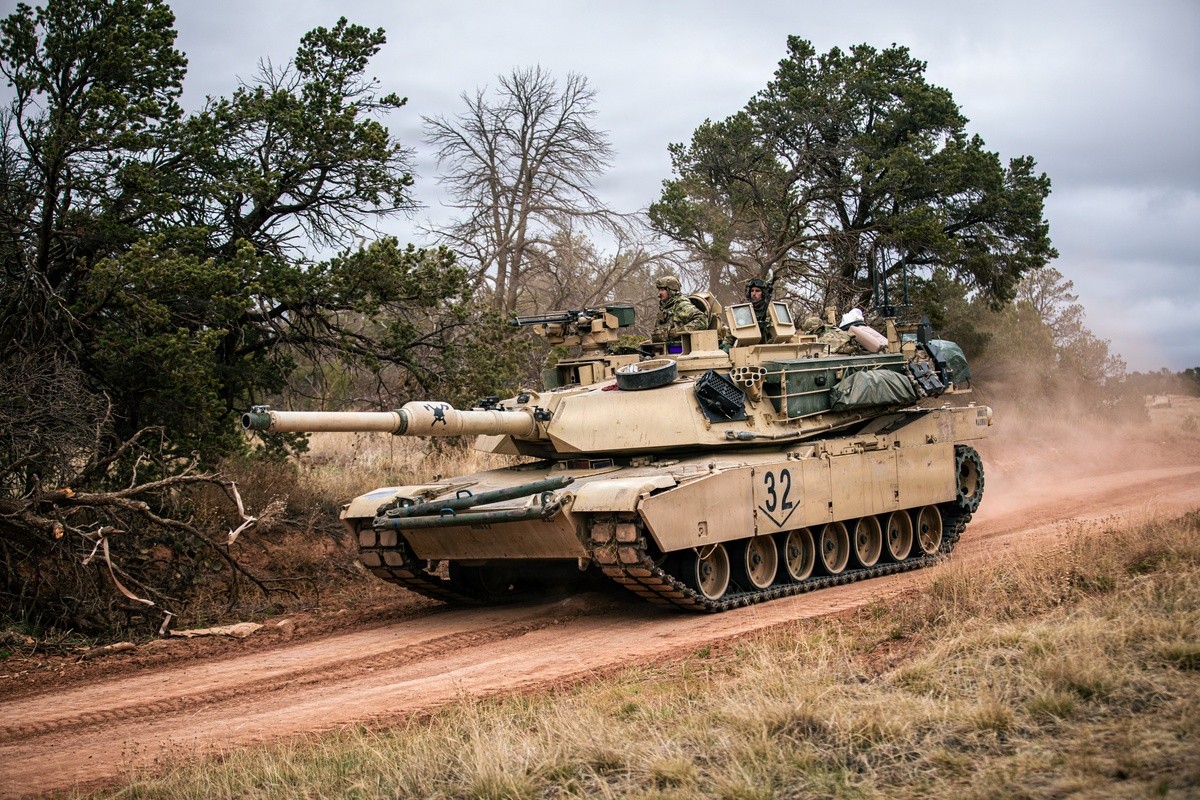
“We absolutely honor the legacy of the 3rd Armored Brigade and their storied history,” said Col. Nick Sinclair, 3ABCT commander. The 3ABCT has spent decades serving as one of the Army’s premier armored formations, supporting missions across the Middle East, Europe and multiple National Training Center rotations. The brigade’s history includes years of combined arms maneuver, tank gunnery excellence and support to deterrence operations alongside NATO allies.
This transition marks the next step in the unit’s long tradition of adapting to meet the needs of the Army and the nation. After PC‑C6, the Iron Brigade will continue to experiment with Next Generation Command and Control and complete its final conversion steps for redesignation as the 3rd Stryker Brigade, 4th Infantry Division. The tanks will then make their way to various Army depots for high level maintenance and refurbishment before eventually being sent to armored formations across the Army.
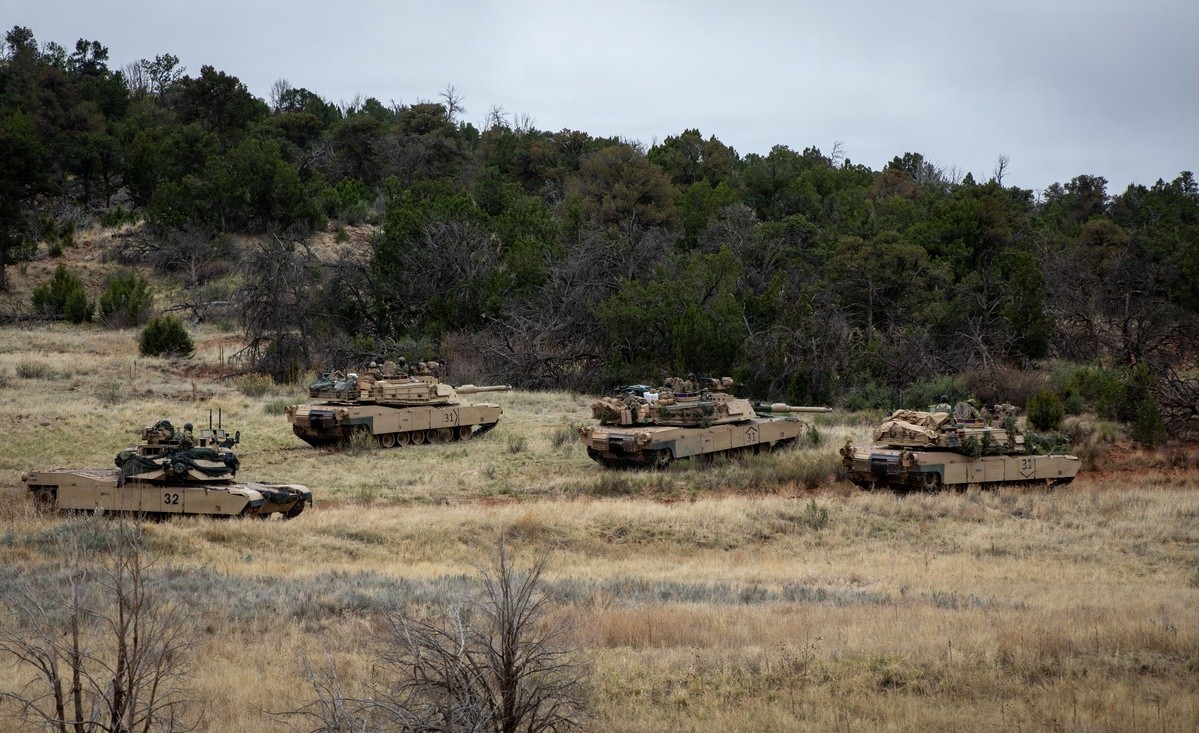
Upon returning to Fort Carson, Iron Brigade Soldiers will conduct new equipment training, platform familiarization, and leader development to prepare for Stryker operations. Training will include instruction on capabilities, maintenance, digital systems, and operations. Additionally, the Iron Brigade will undergo a personnel realignment, including the arrival of infantry Soldiers to support the infantry battalions and match the Stryker force structure.
As 3ABCT moves toward full operational capability as a Stryker formation, the focus remains on readiness, disciplined training, and supporting the Army’s mission wherever required. The Iron Brigade will also work to establish identity and culture: “It's exciting to be able to command an Armored Brigade and a Stryker Brigade in the same command, and a lot of Soldiers and leaders will also be plank holders of a new organization to establish that identity...and lead this formation as we transition,” said Sinclair.
With the conversion, the 4th Infantry Division will become the Army’s only pure Stryker Infantry Division, strengthening its ability to provide combat power across the Pacific and reinforcing its commitment to modernization and preparedness for operations whenever called upon.
Social Sharing