
Photo courtesy of: Brooks Prather, Electrical Engineer, USACE Walla Walla District VIEW ORIGINAL
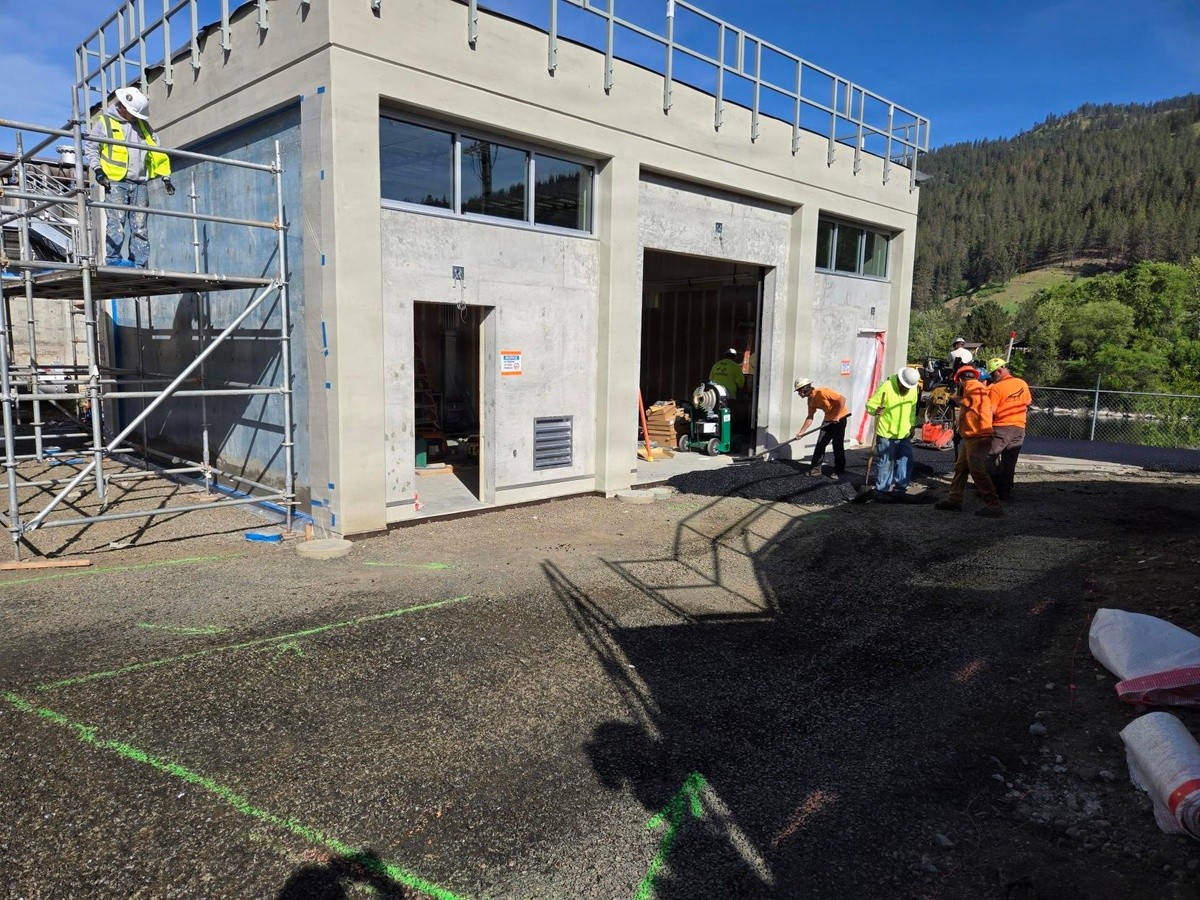
Photo courtesy of: Brooks Prather, Electrical Engineer, USACE Walla Walla District VIEW ORIGINAL
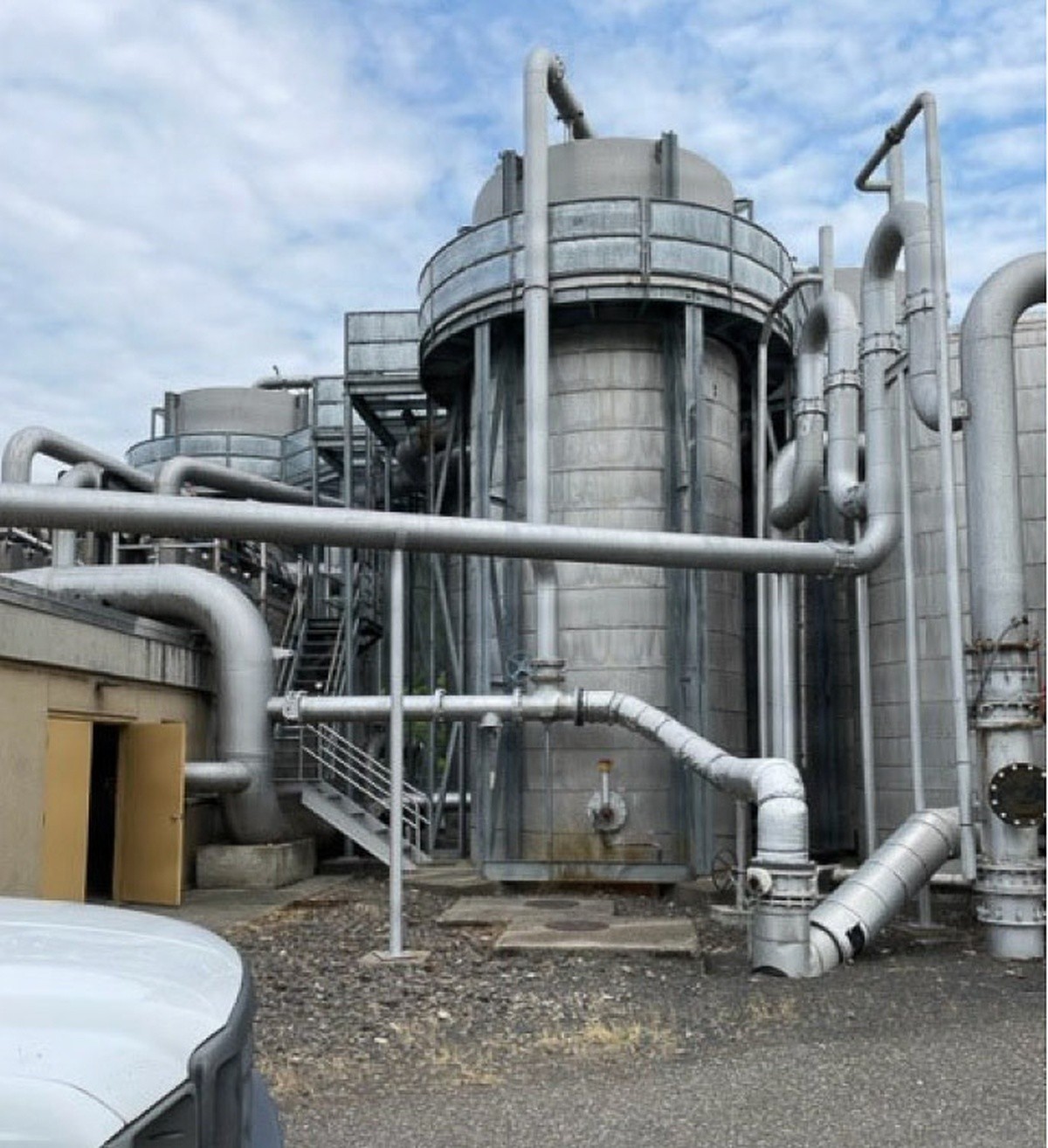
Photo courtesy of: Brooks Prather, Electrical Engineer, USACE Walla Walla District VIEW ORIGINAL
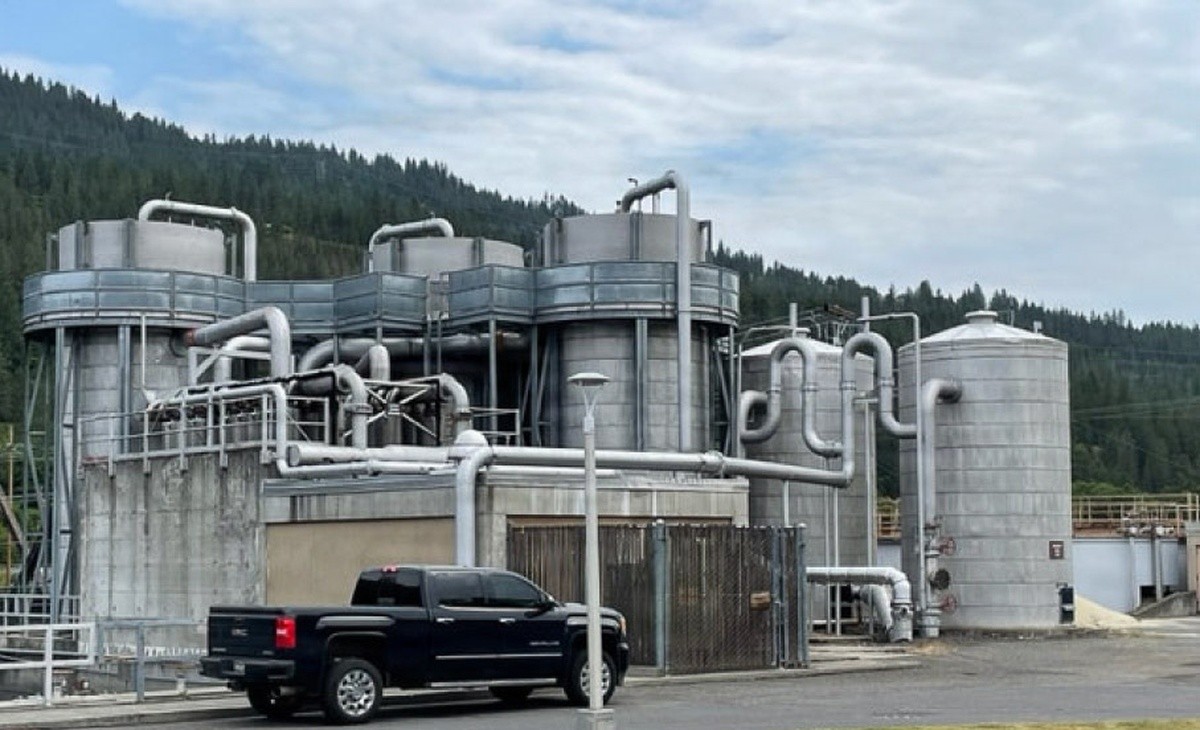
Photo courtesy of: Brooks Prather, Electrical Engineer, USACE Walla Walla District VIEW ORIGINAL
AHSAHKA, Idaho – The U.S. Army Corps of Engineers, Walla Walla District is completing significant upgrades to the electrical distribution system at Dworshak National Fish Hatchery, addressing aging infrastructure and enhancing safety and operational reliability.
Dworshak Dam, the third-tallest dam in the United States, provides flood control, hydropower and outdoor recreation while supporting the Dworshak National Fish Hatchery, the world’s largest combination steelhead and Chinook salmon hatchery.
Summer dam releases provide the cooler temperatures and increased flows necessary for Lower Snake River salmon and steelhead migrations. Stable water conditions are critical for hatchery success because these species have narrow optimal ranges. Temperature fluctuations can trigger stress, disrupt metabolism and slow growth. Warmer water holds less dissolved oxygen, forcing fish to work harder to breathe while increasing their energy and food needs.
Previously, Dworshak’s electrical distribution system lacked proper protection against downstream faults, increasing the risk of an arc flash — a type of electrical explosion producing a burst of hot gas with temperatures exceeding 35,000 degrees Fahrenheit.
“This upgrade project replaces the medium voltage and emergency power distribution system for the hatchery and corrects many of the existing deficiencies, improves safety and reliability, and provides a backbone infrastructure for future replacement and reconfiguration of downstream equipment,” said Kara Morgan, senior project manager for the Walla Walla District.
An arc flash could injure staff, kill fish, and destroy property and equipment. Crews would then need to de-energize equipment for safe repairs. However, the hatchery's fish-rearing mission requires near-continuous electrical operation, making complete de-energization nearly impossible.
The updated electrical infrastructure powers the hatchery's circulation and temperature-control systems, which function like large-scale aquariums. A consistent power supply ensures pumps, heaters and chillers maintain the precise water temperatures required from incubation through smolt release.
By ensuring these systems remain operational, the U.S. Army Corps of Engineers is safeguarding the health of millions of fish and supporting the hatchery’s vital mission to support and expand native salmon and steelhead populations.
Social Sharing