


The rain didn’t arrive all at once. It built, hour by hour — an unrelenting drumbeat against rooftops, roadways, and the rising surface of the reservoir. What began as a forecast turned into a threat, as water crept higher along the dam’s face, inching toward a point of no return. Sirens remained silent — for now — but behind the scenes, emergency managers were already making critical decisions that could mean the difference between a controlled release and catastrophic failure. In moments like this when nature tests the limits of infrastructure and time is measured in inches of rising water, emergency management becomes not just a function of government, but the frontline defense between order and disaster.
The U.S. Army Corps of Engineers’ Fort Worth District plays a critical role in disaster preparedness, response, and recovery across Texas and surrounding regions. At the center of that mission is the district’s emergency management team — a specialized group of planners, engineers, and coordinators who ensure the district is ready to respond to everything from localized flooding to large-scale dam-related emergencies.
A Mission Built on Readiness
The Fort Worth District’s emergency management program is designed to develop and maintain a capability to mobilize readily in response to both national security and domestic emergencies as well as emergency water planning programs. This readiness posture ensures that when disaster strikes, whether natural or man-made, the district can rapidly deploy technical expertise and resources where they are needed most.
“Our emergency management team exists to ensure the Fort Worth District is prepared to respond when communities need us most,” said Jeff Mahaffey, chief of emergency management for the district. “Readiness is not built during a disaster — it is built every day through planning, training, coordination, and maintaining a team of professionals capable of operating in complex and rapidly changing environments. Relationships matter; they are key in at that we do.”
Across the enterprise, emergency operations prioritize saving lives, protecting property, and supporting broader federal and state response efforts. For the district, this often means leveraging engineering expertise in flood risk management, infrastructure assessment, and water control operations.
The district manages 51 projects, including 25 reservoirs and 373 miles of levees and bank protection. Together, these projects and levees have prevented more than $170 billion in damage to the communities they serve.
Coordinating with State and Local Partners
Emergency management is inherently a team effort. The Fort Worth District works closely with agencies like the Texas Division of Emergency Management, as well as county and municipal emergency services, to ensure unified planning and response.
“The district works side-by-side with federal, state, and local partners to build a unified response capability that protects lives, supports communities, and strengthens resilience across Texas,” said Mahaffey. “Whether through planning, response, recovery, or infrastructure coordination, our shared focus is building resilient systems, resilient infrastructure, and resilient communities prepared to face future challenges together.”
TDEM serves as the state’s coordinating body for disaster preparedness, response, and recovery, bringing together a network of agencies under the Texas Emergency Management Council to support the governor during emergencies. This structure allows federal partners like USACE to integrate seamlessly into state-led operations.
“Coordination among partners across all levels of government is a critical component of the Texas Division of Emergency Management’s mission to protect life and property in the state,” said Wes Rapaport, chief of media and communications for TDEM. “When disaster strikes, it’s important to have built relationships ahead of time that enhance our capability to support affected communities through operations that are locally executed, state managed and federally supported. TDEM remains committed to working with local, state, and federal partners and stakeholders to ensure Texas communities have the resources they need before, during, and after disasters.”
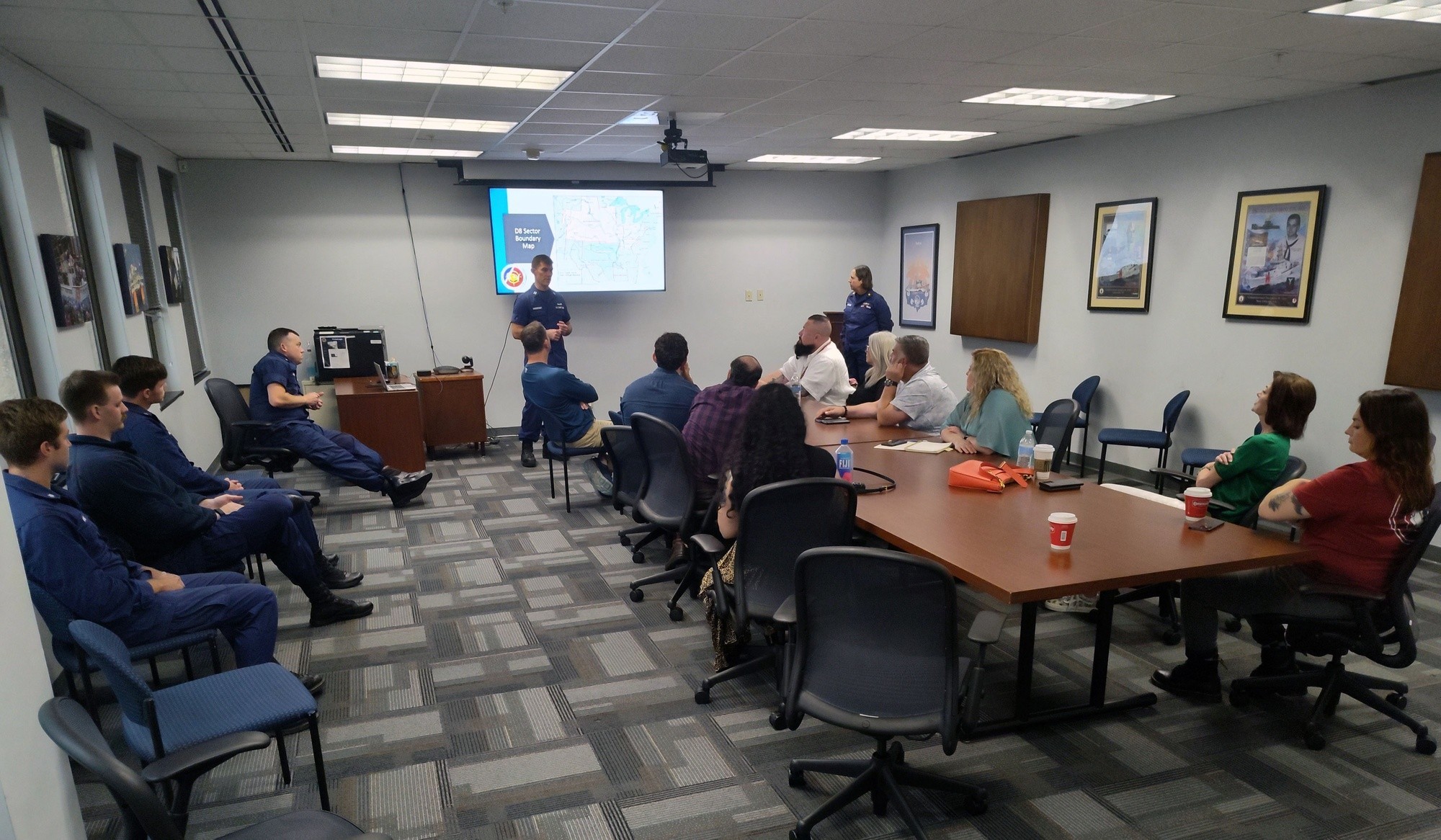
Collaboration between the district and TDEM; is not just reactive, it is ongoing. Regular coordination meetings, site visits, and joint planning sessions help ensure all partners understand risks and response strategies. For example, district personnel routinely engage with TDEM and local officials to discuss dam safety, flood risk mitigation, table-top exercises, and emergency action planning, reinforcing a shared understanding of potential hazards and coordinated response actions with those partners.
Responding to Flooding Beyond USACE Projects
While USACE is widely known for managing federal reservoirs and flood control infrastructure, the Fort Worth District’s emergency management team also supports incidents affecting non-USACE properties.
During major storm events or river flooding, the district may provide:
Technical expertise in flood behavior and risk
Engineering assessments of impacted infrastructure
Emergency power, temporary housing, or debris removal support (through mission assignments)
Coordination with the Federal Emergency Management Agency and state agencies to prioritize response actions
“Seeing the damage firsthand and understanding the scale of what families and communities are facing puts the mission into perspective in a very real way,” said Nicole Wojcik, a civil engineer with the Fort Worth District. “It is meaningful to know that the work we are doing helps people recover, rebuild, and move forward.”
These efforts are typically conducted under federal authorities such as the Stafford Act, allowing USACE to assist state and local governments when their capabilities are overwhelmed.
Managing Emergencies Involving Dams and Levees
One of the most critical responsibilities of the Fort Worth District is to ensure the safety and reliability of dams and levees — both USACE-owned and, when requested, non-federal structures.
In a potential dam-related emergency, the emergency management team works alongside dam safety engineers and external partners to:
Monitor conditions and assess structural risks
Share real-time information with TDEM and local officials
Activate Emergency Action Plans
Support evacuation decision-making and downstream risk communication
“A key aspect of our dam safety program is routinely exercising the Emergency Action Plan with our EM partners,” said Paul Szempruch, the dam safety program manager for the Fort Worth District. “So that during an event we will have clear communication, and everyone understands their roles and responsibilities.”
Regular coordination with agencies like TDEM ensures that response plans are aligned at every level. As district officials emphasize, planning for dam-related emergencies is no different than preparing for fires or tornadoes—it requires constant communication, exercises, and updates to ensure readiness.
A Unified Response to Large-Scale Disasters
When disasters escalate into state or federally declared emergencies, the Fort Worth District integrates into a broader national response framework. Working alongside FEMA, TDEM, and other federal and state partners, the district provides specialized capabilities such as:
Infrastructure assessment teams
Temporary emergency power
Water and wastewater system support
Debris management operations
This unified approach ensures that resources are applied efficiently and that response efforts are synchronized across all levels of government.
Prepared Today for Tomorrow’s Emergencies
The strength of the Fort Worth District’s emergency management team lies not just in its technical expertise, but in its partnerships. By maintaining strong relationships with agencies like TDEM and local emergency managers, the district ensures that when emergencies occur, whether a localized flood or a complex dam incident, response efforts are swift, coordinated, and effective.
“These missions are a reminder that USACE’s role is not just about projects, contracts, or infrastructure, but about serving people when they need support the most,” said Wojcik.
In an environment where extreme weather and infrastructure challenges continue to evolve, that collaboration remains essential. Through planning, partnership, and preparedness, the Fort Worth District stands ready to deliver on its mission: protecting lives, safeguarding communities, and reducing disaster risk across the region.
Social Sharing