

USACE is working with local, state and federal agencies to remove vegetative debris from ten Georgia Counties affected by Hurricane Helene: Ben Hill, Brooks, Candler, Dodge, Jenkins, Laurens, Lowndes, McIntosh, Montgomery and Screven. VIEW ORIGINAL

(U.S. Army Corps of Engineers photo by Charles Delano) VIEW ORIGINAL

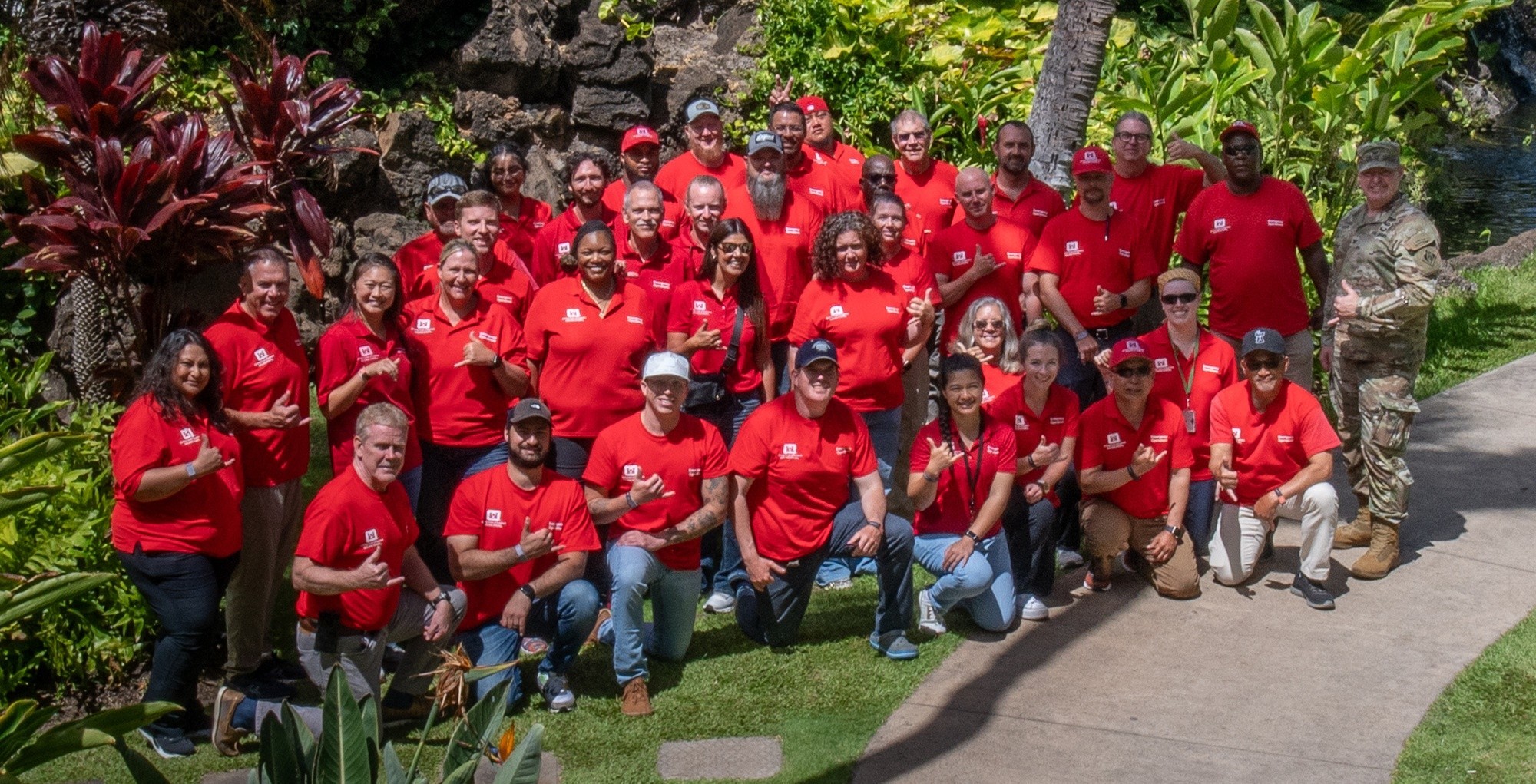
The U.S. Army Corps of Engineers’ Fort Worth District stands as a critical component of the nation’s disaster response and recovery framework, demonstrating how engineering expertise and a culture of volunteerism can directly impact lives in times of crisis. From hurricanes along the Gulf and East coasts to wildfires in Hawaii and California, and even international disasters such as Super Typhoon Sinlaku, Fort Worth District personnel have repeatedly answered the call—often by volunteering to deploy into challenging and austere environments.
The USACE mission is rooted in delivering engineering solutions that reduce risks from disasters and support national resilience.
While much of the Fort Worth District’s day-to-day work focuses on infrastructure, water resources, and military construction, its ability to rapidly transition into disaster response highlights a unique strength: a largely civilian workforce that volunteers for deployments worldwide.
“Disaster volunteers don’t just respond to events- they shape outcomes,” said Jeff Mahaffey, the chief for emergency management and security branch for the Fort Worth District. “Sharing your experience and technical knowledge helps shape outcomes, and it will also help shape you personally and professionally. Choosing to volunteer to help others having their worst days matters.”
Unlike traditional military units, USACE relies heavily on these civilian professionals —engineers, planners, logisticians, and contracting specialists — who willingly step forward when disaster strikes. Their expertise becomes a force multiplier for federal response efforts led by agencies like the Federal Emergency Management Agency.
Volunteering: The Backbone of Disaster Response
Disaster deployments are not automatic assignments for USACE civilians, they are opportunities. Volunteers from the Fort Worth District routinely leave their regular duties to support response missions across the country and world. This model ensures that those deploying are motivated, adaptable, and committed to the mission.
Volunteers fill critical roles such as debris management and removal, temporary power and infrastructure restoration, damage assessments and engineering analysis, and contracting and logistics coordination.
“I believe the success of our missions is directly attributed to our volunteers,” said Steve Lindamood, a volunteer and regulatory biologist with the enforcement and compliance branch with the Fort Worth District. “These extraordinary individuals make significant sacrifices to assist those devastated by disasters.”
Their willingness to deploy ensures that USACE can surge capabilities quickly when disasters overwhelm local and state resources.
Recent Deployments: A Global Impact
Hurricane Recovery Missions
In the aftermath of major hurricanes, USACE teams, including those from Fort Worth, have supported debris removal, temporary roofing, and emergency power missions. These efforts are often lifesaving in the immediate aftermath and essential for long-term recovery, as communities rebuild infrastructure and restore essential services.
Maui Wildfires (Hawaii)
Fort Worth District personnel played a direct role in the response to the devastating Maui wildfires. Team members deployed to Hawaii to support debris planning and logistics operations, working alongside federal, state, and local partners.
USACE’s broader mission in Maui included rapid damage assessments, installation of temporary power for critical facilities, and removal of hundreds of thousands of tons of fire debris.
“The critical nature of our disaster response operations requires immense dedication,” said Lindamood. “It is the extraordinary sacrifice of our volunteers that ensures our vital missions succeed in assisting those that may have lost everything.”
These efforts helped stabilize the community and laid the groundwork for long-term recovery after more than 2,200 structures were destroyed.
Palisades Fires (Los Angeles Area)
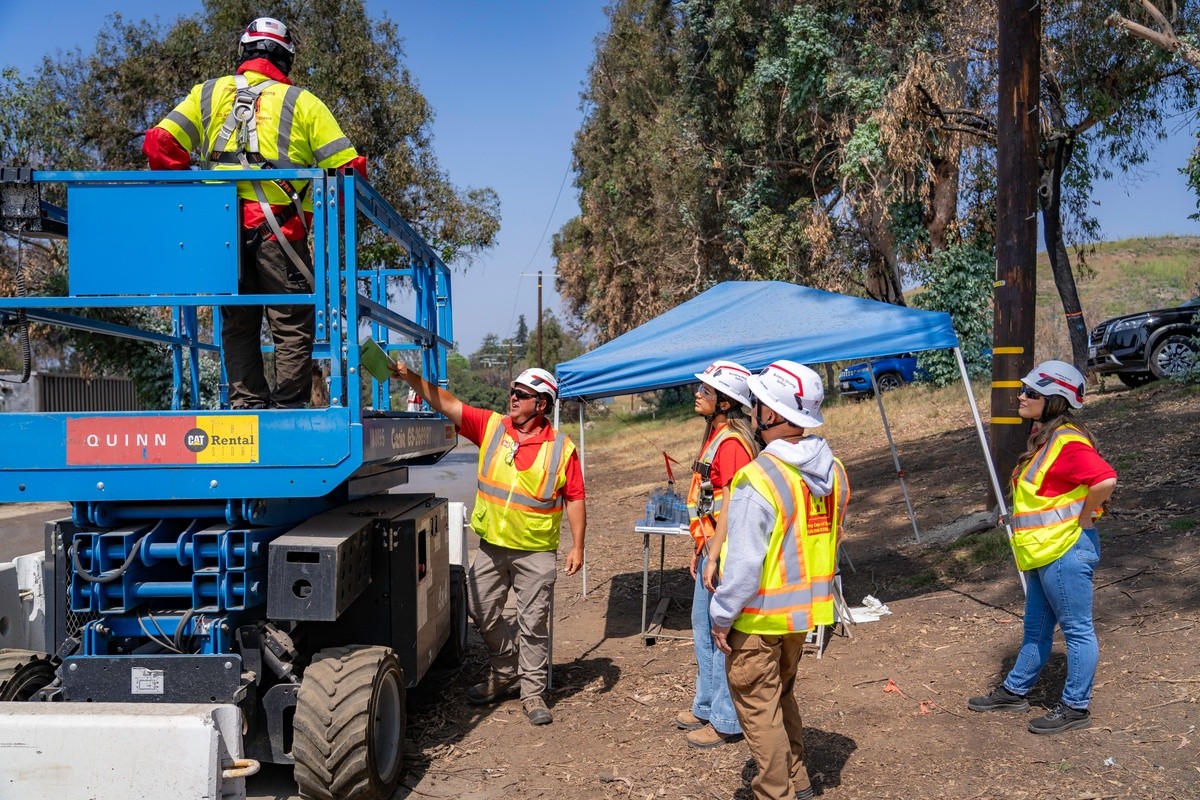
In California, wildfire response missions, including those in the Palisades area, have required the same specialized capabilities: debris removal, hazardous material handling, and infrastructure stabilization. USACE teams, often augmented by Fort Worth District volunteers, support local authorities in safely clearing burned areas and preparing communities for rebuilding.
Super Typhoon Sinlaku
Following the recent devastation caused by Super Typhoon Sinlaku, USACE is deploying personnel to support life-safety missions, including temporary emergency power and infrastructure stabilization. Teams are working closely with FEMA and regional partners to ensure critical facilities remain operational despite severe flooding and storm damage.
Additional efforts include aerial imagery collection and rapid damage assessments to guide recovery operations.
Why Volunteering Matters
The importance of volunteering for deployments cannot be overstated. Each volunteer represents a critical capability that enables USACE to respond faster to disasters anywhere in the world, scale operations to meet the size and complexity of catastrophic events, bring specialized expertise directly to affected communities, and relieve overwhelmed local resources.
“Volunteering with USACE is a great way to give back to others and most volunteers will tell you they get more out of it than they give,” said Adam Tarplee, a natural resource manager for the Fort Worth District. “It feels great to serve, especially when you see the end result, a smiling face, a neighborhood cleared of debris, or a new home being rebuilt.”
Just as importantly, volunteering fosters a culture of service and shared purpose within the Fort Worth District. Employees return from deployments with expanded experience, stronger interagency relationships, and a renewed commitment to the mission.
A Force Multiplier for the Nation
The Fort Worth District exemplifies how technical expertise and personal commitment intersect to serve the nation. Whether responding to hurricanes, supporting wildfire recovery in Maui and California, or deploying overseas after a typhoon, its volunteers are at the forefront of disaster relief.
Their work reflects a simple but powerful reality: in times of crisis, engineering saves lives, and volunteers make it possible.
Social Sharing