1 / 13Show Caption +Hide Caption –
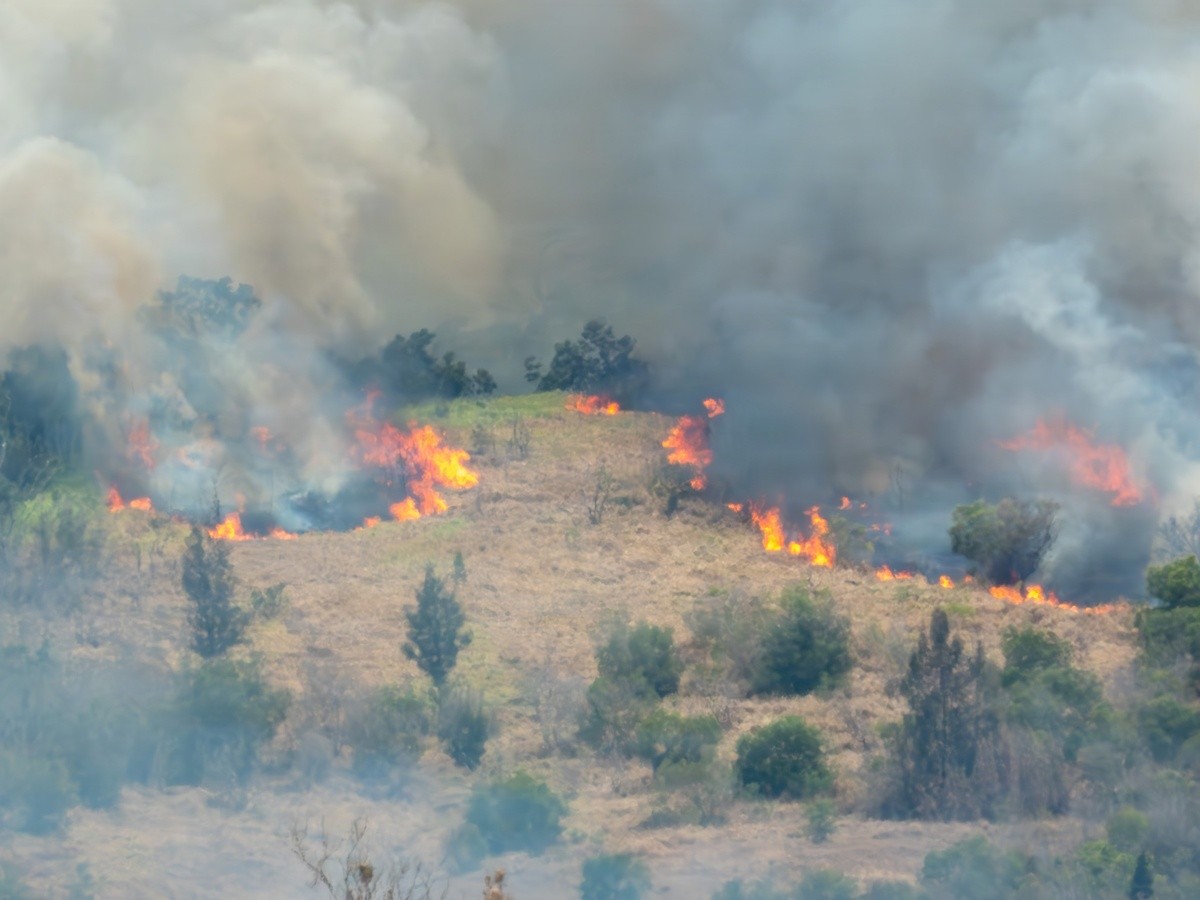
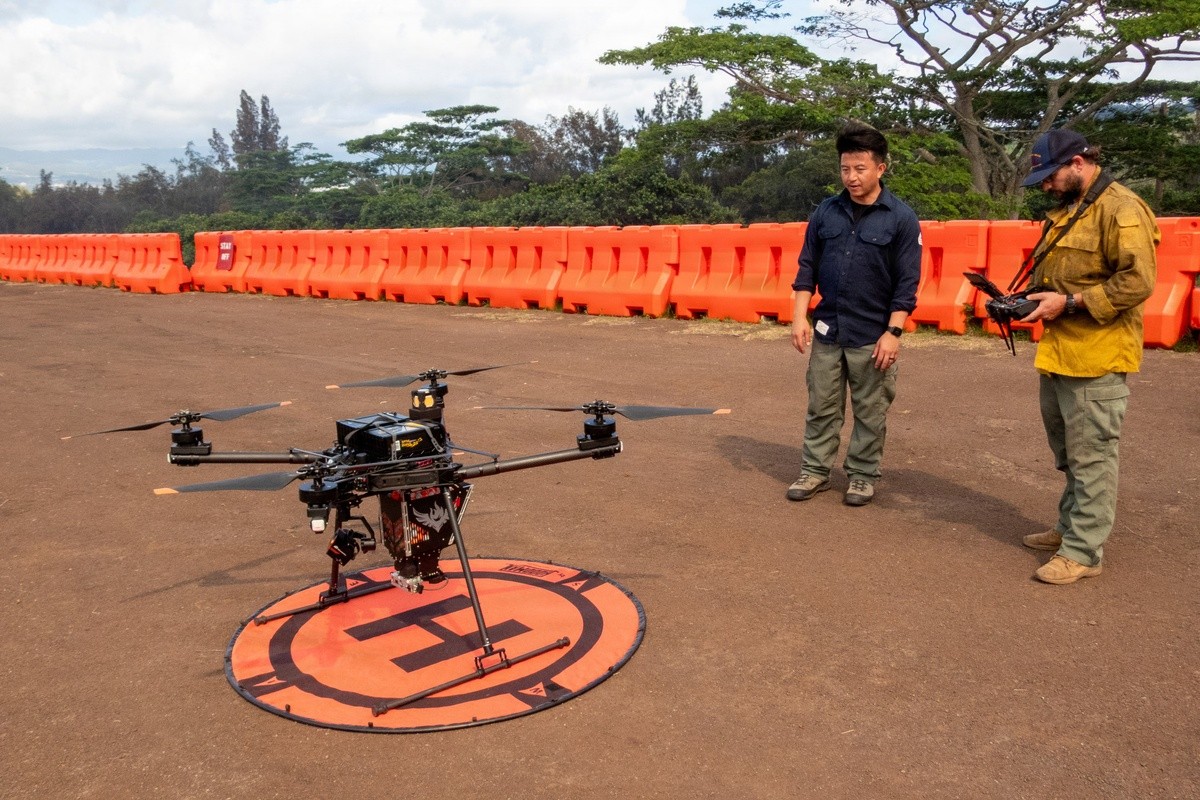
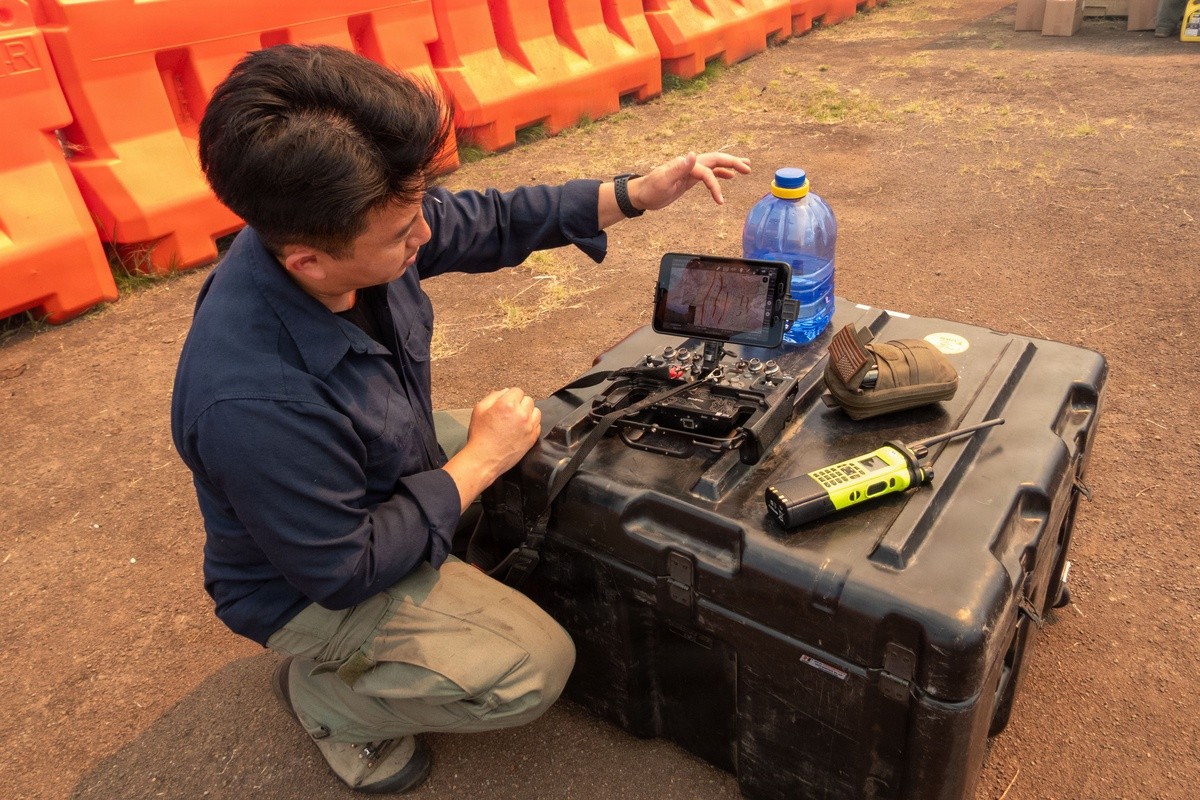
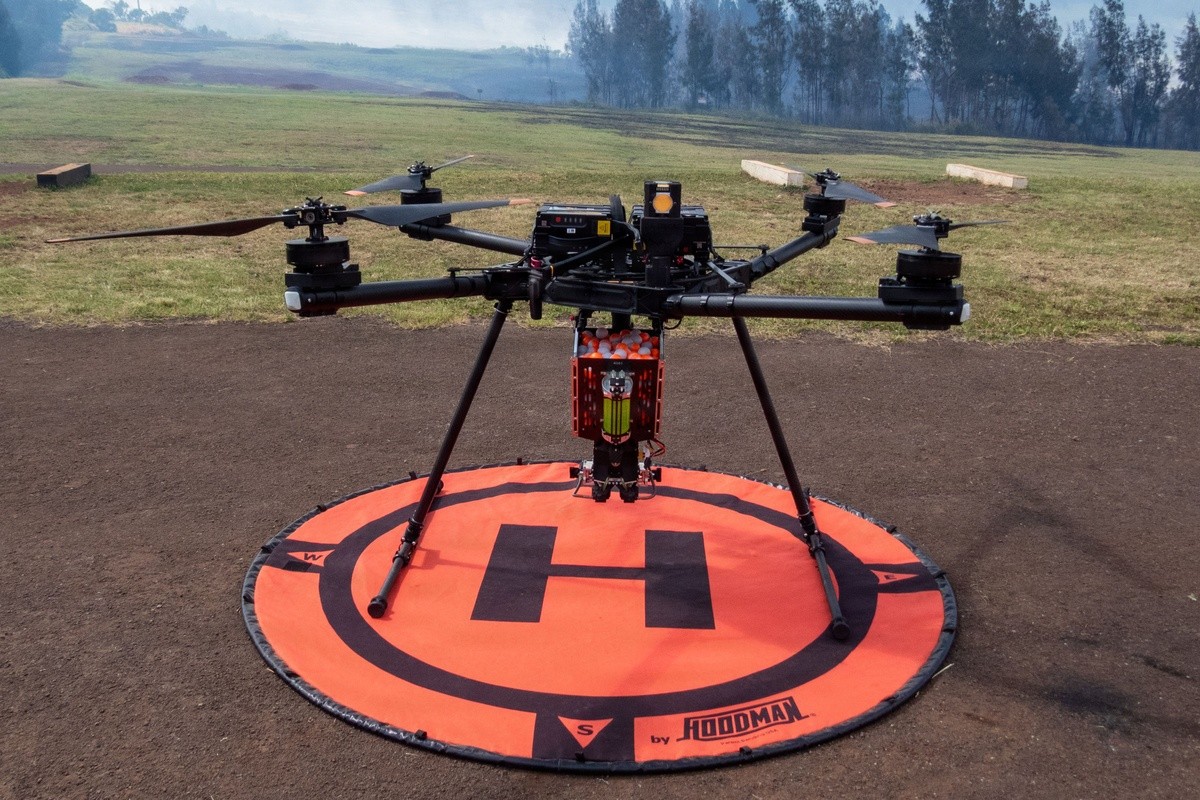
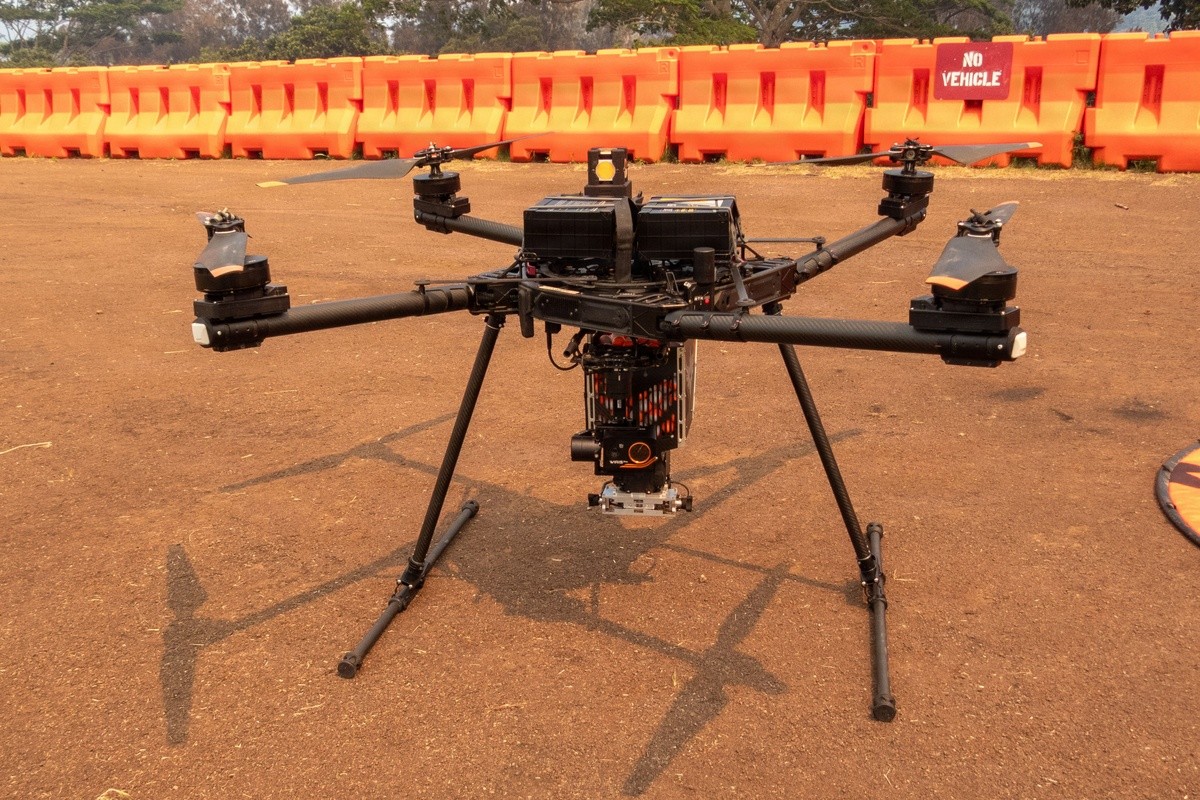
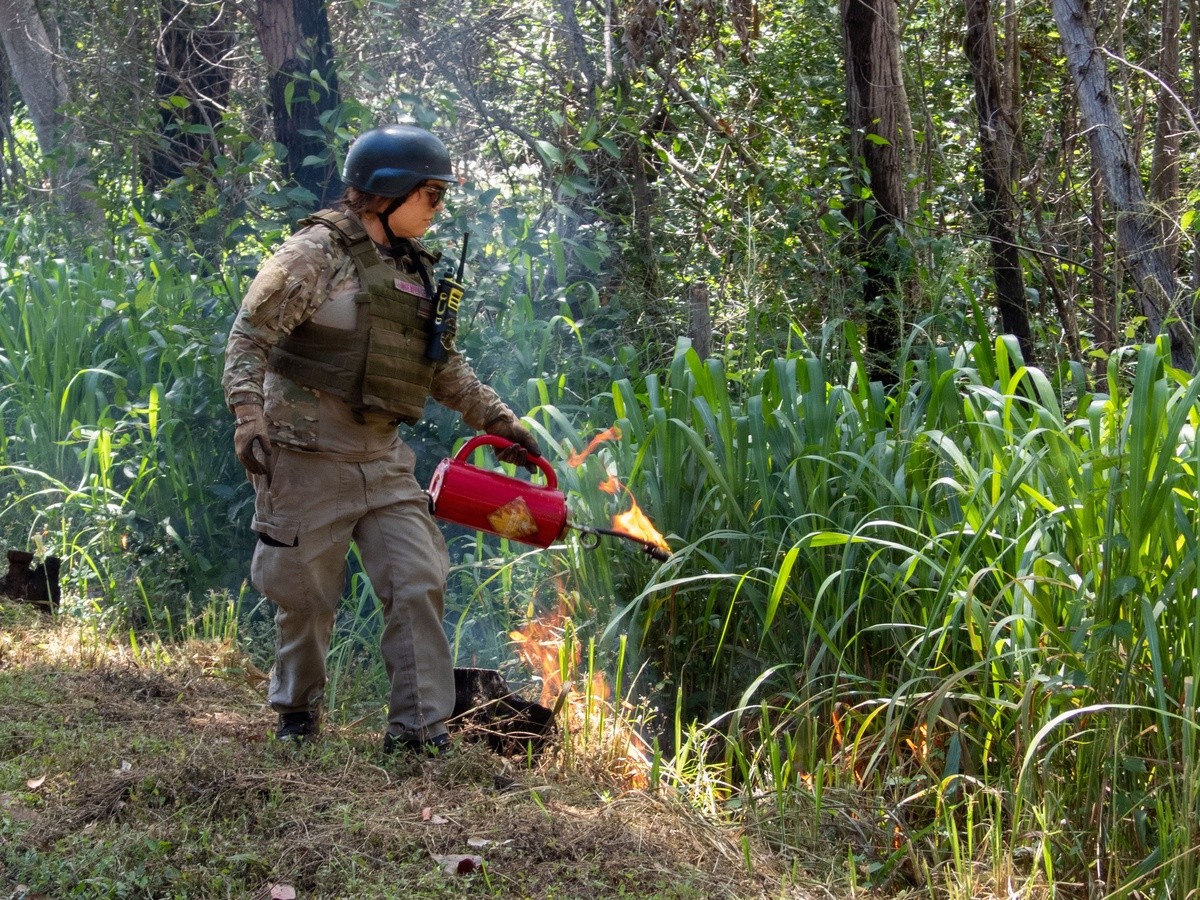
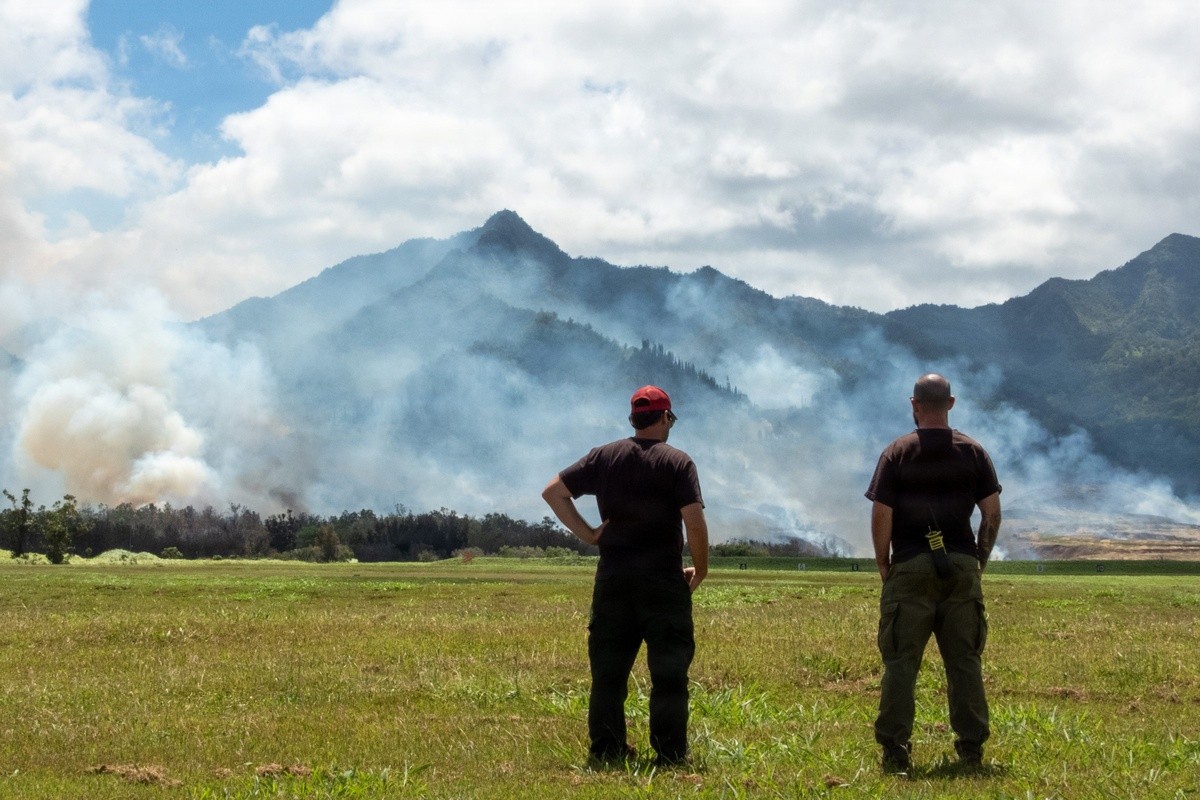
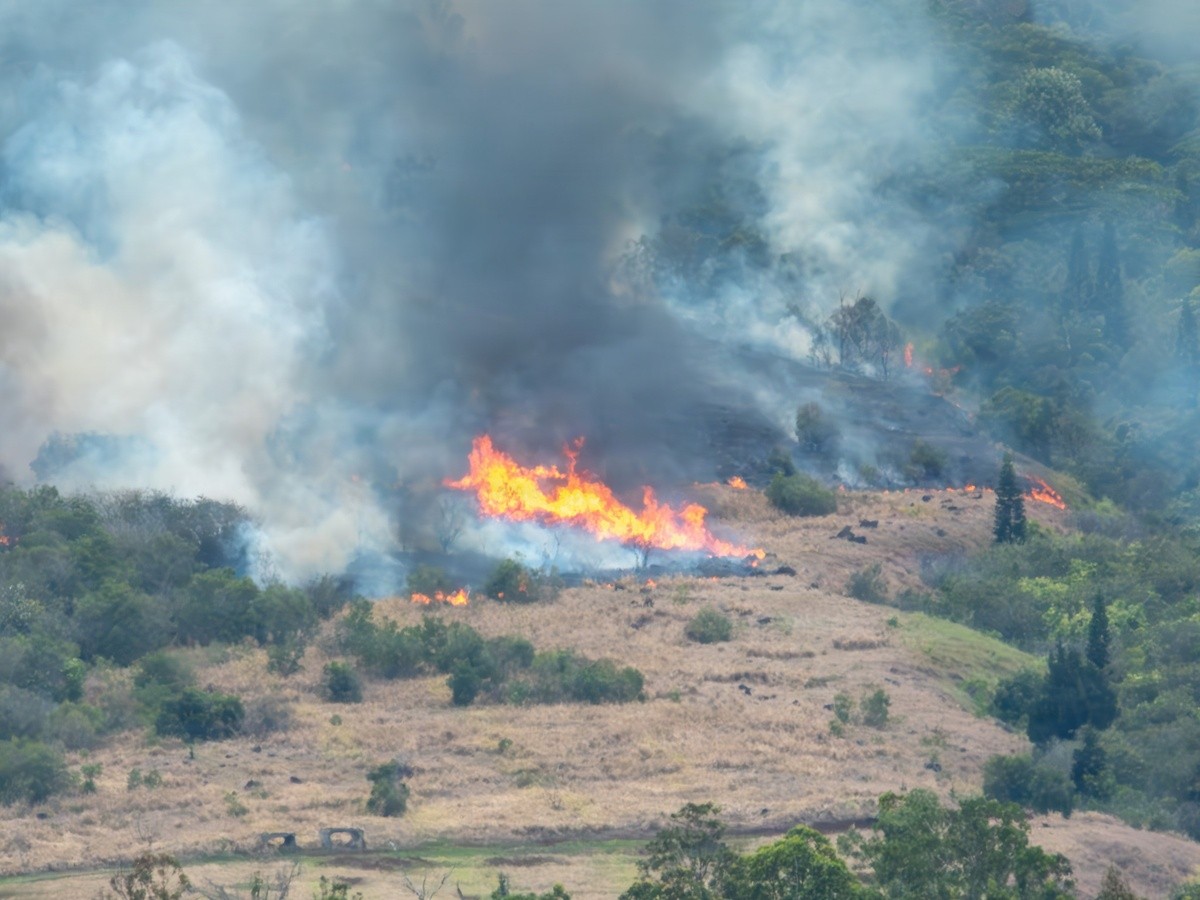
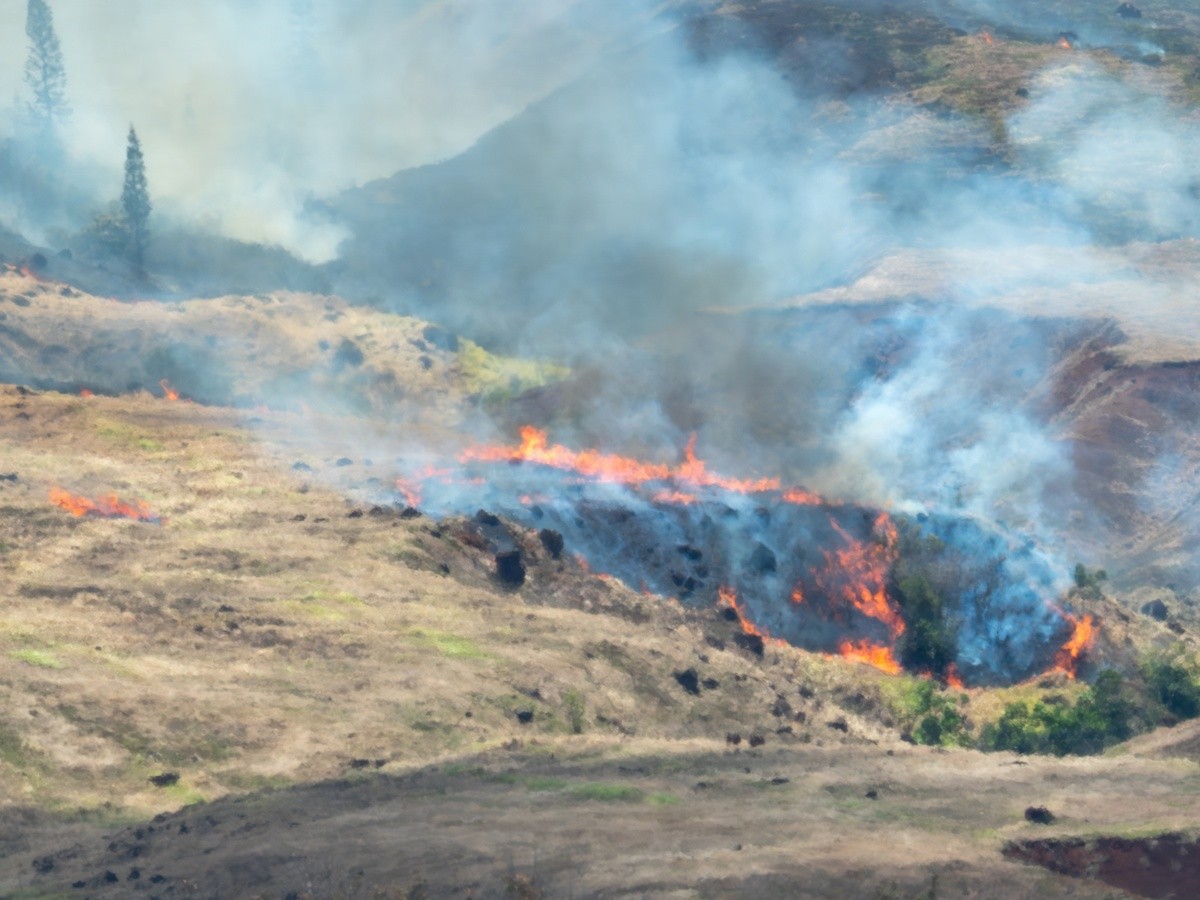
U.S. Army Garrison Hawaii wildland firefighters and members of the U.S. Wildland Fire Service conduct a prescribed burn of the Schofield Barracks training area May 11, 2026. Prescribed burns are an essential part of U.S. Army Garrison Hawaii’s natural resource management program and provide a safe and effective method for reducing invasive vegetation that can fuel dangerous wildfires. Highly flammable guinea grass and other invasive vegetation create significant fuel loads that threaten natural resources, including habitat for the endangered O‘ahu ‘Elepaio, a native flycatcher species residing in forested areas above the training range. More than 1,700 acres were treated during this year’s prescribed burn operations. New this year, the U.S. Wildland Fire Service employed a Freefly Alta X uncrewed aerial system to safely ignite remote sections of the training area, increasing firefighter safety and operational effectiveness. (U.S. Army photo by Nathan Wilkes/USAG Hawaii Public Affairs)
(Photo Credit: Nathan Wilkes)VIEW ORIGINAL2 / 13Show Caption +Hide Caption –
U.S. Army Garrison Hawaii wildland firefighters and members of the U.S. Wildland Fire Service conduct a prescribed burn of the Schofield Barracks training area May 11, 2026. Prescribed burns are an essential part of U.S. Army Garrison Hawaii’s natural resource management program and provide a safe and effective method for reducing invasive vegetation that can fuel dangerous wildfires. Highly flammable guinea grass and other invasive vegetation create significant fuel loads that threaten natural resources, including habitat for the endangered O‘ahu ‘Elepaio, a native flycatcher species residing in forested areas above the training range. More than 1,700 acres were treated during this year’s prescribed burn operations. New this year, the U.S. Wildland Fire Service employed a Freefly Alta X uncrewed aerial system to safely ignite remote sections of the training area, increasing firefighter safety and operational effectiveness. (U.S. Army photo by Nathan Wilkes/USAG Hawaii Public Affairs)
(Photo Credit: Nathan Wilkes)VIEW ORIGINAL3 / 13Show Caption +Hide Caption –
U.S. Army Garrison Hawaii wildland firefighters and members of the U.S. Wildland Fire Service conduct a prescribed burn of the Schofield Barracks training area May 11, 2026. Prescribed burns are an essential part of U.S. Army Garrison Hawaii’s natural resource management program and provide a safe and effective method for reducing invasive vegetation that can fuel dangerous wildfires. Highly flammable guinea grass and other invasive vegetation create significant fuel loads that threaten natural resources, including habitat for the endangered O‘ahu ‘Elepaio, a native flycatcher species residing in forested areas above the training range. More than 1,700 acres were treated during this year’s prescribed burn operations. New this year, the U.S. Wildland Fire Service employed a Freefly Alta X uncrewed aerial system to safely ignite remote sections of the training area, increasing firefighter safety and operational effectiveness. (U.S. Army photo by Nathan Wilkes/USAG Hawaii Public Affairs)
(Photo Credit: Nathan Wilkes)VIEW ORIGINAL4 / 13Show Caption +Hide Caption –
U.S. Army Garrison Hawaii wildland firefighters and members of the U.S. Wildland Fire Service conduct a prescribed burn of the Schofield Barracks training area May 11, 2026. Prescribed burns are an essential part of U.S. Army Garrison Hawaii’s natural resource management program and provide a safe and effective method for reducing invasive vegetation that can fuel dangerous wildfires. Highly flammable guinea grass and other invasive vegetation create significant fuel loads that threaten natural resources, including habitat for the endangered O‘ahu ‘Elepaio, a native flycatcher species residing in forested areas above the training range. More than 1,700 acres were treated during this year’s prescribed burn operations. New this year, the U.S. Wildland Fire Service employed a Freefly Alta X uncrewed aerial system to safely ignite remote sections of the training area, increasing firefighter safety and operational effectiveness. (U.S. Army photo by Nathan Wilkes/USAG Hawaii Public Affairs)
(Photo Credit: Nathan Wilkes)VIEW ORIGINAL5 / 13Show Caption +Hide Caption –
U.S. Army Garrison Hawaii wildland firefighters and members of the U.S. Wildland Fire Service conduct a prescribed burn of the Schofield Barracks training area May 11, 2026. Prescribed burns are an essential part of U.S. Army Garrison Hawaii’s natural resource management program and provide a safe and effective method for reducing invasive vegetation that can fuel dangerous wildfires. Highly flammable guinea grass and other invasive vegetation create significant fuel loads that threaten natural resources, including habitat for the endangered O‘ahu ‘Elepaio, a native flycatcher species residing in forested areas above the training range. More than 1,700 acres were treated during this year’s prescribed burn operations. New this year, the U.S. Wildland Fire Service employed a Freefly Alta X uncrewed aerial system to safely ignite remote sections of the training area, increasing firefighter safety and operational effectiveness. (U.S. Army photo by Nathan Wilkes/USAG Hawaii Public Affairs)
(Photo Credit: Nathan Wilkes)VIEW ORIGINAL6 / 13Show Caption +Hide Caption –
U.S. Army Garrison Hawaii wildland firefighters and members of the U.S. Wildland Fire Service conduct a prescribed burn of the Schofield Barracks training area May 11, 2026. Prescribed burns are an essential part of U.S. Army Garrison Hawaii’s natural resource management program and provide a safe and effective method for reducing invasive vegetation that can fuel dangerous wildfires. Highly flammable guinea grass and other invasive vegetation create significant fuel loads that threaten natural resources, including habitat for the endangered O‘ahu ‘Elepaio, a native flycatcher species residing in forested areas above the training range. More than 1,700 acres were treated during this year’s prescribed burn operations. New this year, the U.S. Wildland Fire Service employed a Freefly Alta X uncrewed aerial system to safely ignite remote sections of the training area, increasing firefighter safety and operational effectiveness. (U.S. Army photo by Nathan Wilkes/USAG Hawaii Public Affairs)
(Photo Credit: Nathan Wilkes)VIEW ORIGINAL7 / 13Show Caption +Hide Caption –
U.S. Army Garrison Hawaii wildland firefighters and members of the U.S. Wildland Fire Service conduct a prescribed burn of the Schofield Barracks training area May 11, 2026. Prescribed burns are an essential part of U.S. Army Garrison Hawaii’s natural resource management program and provide a safe and effective method for reducing invasive vegetation that can fuel dangerous wildfires. Highly flammable guinea grass and other invasive vegetation create significant fuel loads that threaten natural resources, including habitat for the endangered O‘ahu ‘Elepaio, a native flycatcher species residing in forested areas above the training range. More than 1,700 acres were treated during this year’s prescribed burn operations. New this year, the U.S. Wildland Fire Service employed a Freefly Alta X uncrewed aerial system to safely ignite remote sections of the training area, increasing firefighter safety and operational effectiveness. (U.S. Army photo by Nathan Wilkes/USAG Hawaii Public Affairs)
(Photo Credit: Nathan Wilkes)VIEW ORIGINAL8 / 13Show Caption +Hide Caption –
U.S. Army Garrison Hawaii wildland firefighters and members of the U.S. Wildland Fire Service conduct a prescribed burn of the Schofield Barracks training area May 11, 2026. Prescribed burns are an essential part of U.S. Army Garrison Hawaii’s natural resource management program and provide a safe and effective method for reducing invasive vegetation that can fuel dangerous wildfires. Highly flammable guinea grass and other invasive vegetation create significant fuel loads that threaten natural resources, including habitat for the endangered O‘ahu ‘Elepaio, a native flycatcher species residing in forested areas above the training range. More than 1,700 acres were treated during this year’s prescribed burn operations. New this year, the U.S. Wildland Fire Service employed a Freefly Alta X uncrewed aerial system to safely ignite remote sections of the training area, increasing firefighter safety and operational effectiveness. (U.S. Army photo by Nathan Wilkes/USAG Hawaii Public Affairs)
(Photo Credit: Nathan Wilkes)VIEW ORIGINAL9 / 13Show Caption +Hide Caption –
U.S. Army Garrison Hawaii wildland firefighters and members of the U.S. Wildland Fire Service conduct a prescribed burn of the Schofield Barracks training area May 11, 2026. Prescribed burns are an essential part of U.S. Army Garrison Hawaii’s natural resource management program and provide a safe and effective method for reducing invasive vegetation that can fuel dangerous wildfires. Highly flammable guinea grass and other invasive vegetation create significant fuel loads that threaten natural resources, including habitat for the endangered O‘ahu ‘Elepaio, a native flycatcher species residing in forested areas above the training range. More than 1,700 acres were treated during this year’s prescribed burn operations. New this year, the U.S. Wildland Fire Service employed a Freefly Alta X uncrewed aerial system to safely ignite remote sections of the training area, increasing firefighter safety and operational effectiveness. (U.S. Army photo by Nathan Wilkes/USAG Hawaii Public Affairs)
(Photo Credit: Nathan Wilkes)VIEW ORIGINAL10 / 13Show Caption +Hide Caption –
U.S. Army Garrison Hawaii wildland firefighters and members of the U.S. Wildland Fire Service conduct a prescribed burn of the Schofield Barracks training area May 11, 2026. Prescribed burns are an essential part of U.S. Army Garrison Hawaii’s natural resource management program and provide a safe and effective method for reducing invasive vegetation that can fuel dangerous wildfires. Highly flammable guinea grass and other invasive vegetation create significant fuel loads that threaten natural resources, including habitat for the endangered O‘ahu ‘Elepaio, a native flycatcher species residing in forested areas above the training range. More than 1,700 acres were treated during this year’s prescribed burn operations. New this year, the U.S. Wildland Fire Service employed a Freefly Alta X uncrewed aerial system to safely ignite remote sections of the training area, increasing firefighter safety and operational effectiveness. (U.S. Army photo by Nathan Wilkes/USAG Hawaii Public Affairs)
(Photo Credit: Nathan Wilkes)VIEW ORIGINAL11 / 13Show Caption +Hide Caption –
U.S. Army Garrison Hawaii wildland firefighters and members of the U.S. Wildland Fire Service conduct a prescribed burn of the Schofield Barracks training area May 11, 2026. Prescribed burns are an essential part of U.S. Army Garrison Hawaii’s natural resource management program and provide a safe and effective method for reducing invasive vegetation that can fuel dangerous wildfires. Highly flammable guinea grass and other invasive vegetation create significant fuel loads that threaten natural resources, including habitat for the endangered O‘ahu ‘Elepaio, a native flycatcher species residing in forested areas above the training range. More than 1,700 acres were treated during this year’s prescribed burn operations. New this year, the U.S. Wildland Fire Service employed a Freefly Alta X uncrewed aerial system to safely ignite remote sections of the training area, increasing firefighter safety and operational effectiveness. (U.S. Army photo by Nathan Wilkes/USAG Hawaii Public Affairs)
(Photo Credit: Nathan Wilkes)VIEW ORIGINAL12 / 13Show Caption +Hide Caption –
U.S. Army Garrison Hawaii wildland firefighters and members of the U.S. Wildland Fire Service conduct a prescribed burn of the Schofield Barracks training area May 11, 2026. Prescribed burns are an essential part of U.S. Army Garrison Hawaii’s natural resource management program and provide a safe and effective method for reducing invasive vegetation that can fuel dangerous wildfires. Highly flammable guinea grass and other invasive vegetation create significant fuel loads that threaten natural resources, including habitat for the endangered O‘ahu ‘Elepaio, a native flycatcher species residing in forested areas above the training range. More than 1,700 acres were treated during this year’s prescribed burn operations. New this year, the U.S. Wildland Fire Service employed a Freefly Alta X uncrewed aerial system to safely ignite remote sections of the training area, increasing firefighter safety and operational effectiveness. (U.S. Army photo by Nathan Wilkes/USAG Hawaii Public Affairs)
(Photo Credit: Nathan Wilkes)VIEW ORIGINAL13 / 13Show Caption +Hide Caption –
U.S. Army Garrison Hawaii wildland firefighters and members of the U.S. Wildland Fire Service conduct a prescribed burn of the Schofield Barracks training area May 11, 2026. Prescribed burns are an essential part of U.S. Army Garrison Hawaii’s natural resource management program and provide a safe and effective method for reducing invasive vegetation that can fuel dangerous wildfires. Highly flammable guinea grass and other invasive vegetation create significant fuel loads that threaten natural resources, including habitat for the endangered O‘ahu ‘Elepaio, a native flycatcher species residing in forested areas above the training range. More than 1,700 acres were treated during this year’s prescribed burn operations. New this year, the U.S. Wildland Fire Service employed a Freefly Alta X uncrewed aerial system to safely ignite remote sections of the training area, increasing firefighter safety and operational effectiveness. (U.S. Army photo by Nathan Wilkes/USAG Hawaii Public Affairs)
(Photo Credit: Nathan Wilkes)VIEW ORIGINAL
SCHOFIELD BARRACKS, Hawaii— U.S. Army Garrison Hawaii and the U.S. Wildland Fire Service successfully completed the annual prescribed burn of the Schofield Barracks training area May 12, 2026. Joint fire crews treated approximately 1,707 acres of invasive vegetation to reduce wildfire risk and maintain the integrity of military training lands.
The Schofield Barracks Military Range Prescribed Fire Plan guided the controlled operation, which specifically targeted highly flammable Guinea grass and other fine fuels. Prescribed burns are an essential component of the installation’s natural resource management program. These planned fires provide a safe, effective method to clear invasive vegetation that otherwise fuels dangerous, uncontrolled wildfires during dry summer months.
Central Oahu residents may have observed smoke or smelled fire during the operation. However, officials emphasized that fire crews strictly managed the planned event and did not battle an active wildfire.
"We understand that smoke and fire-related activity can raise concerns," said Col. Rachel Sullivan, U.S. Army Garrison Hawaii commander. "These burns are carefully planned and conducted under strict environmental conditions to help reduce wildfire risk and protect both the land and surrounding communities."
Unlike unpredictable wildfires that damage soil and infrastructure, fire crews intentionally manage prescribed burns to safely remove excess ground fuel. Clearing these significant fuel loads protects vital natural resources, including native forest habitats situated above the training range that house the endangered O‘ahu ‘elepaio, a native flycatcher species.
Trained personnel monitored operations 24/7 using advanced tracking tools and real-time weather assessments to ensure the fire remained precise and controlled. Planners established firebreaks, conducted environmental reviews, and coordinated closely with multiple external agencies before crews ignited any vegetation.
"Before any prescribed burn takes place, there is extensive planning and oversight involved," said Jake Faber, U.S. Army Garrison Hawaii wildland fire crew supervisor. "Every burn is conducted under a detailed, approved burn plan. That plan includes safety requirements, environmental protections, and defined operational limits."
This year, the U.S. Wildland Fire Service introduced advanced technology to enhance both efficiency and personnel safety. Drone operators employed a Freefly Alta X uncrewed aerial system to safely ignite remote and hard-to-reach sections of the training area. This system minimized the need to send firefighters into hazardous terrain while increasing overall operational effectiveness.
"At the end of the day, everything we do is centered on responsible land management," Faber added. "Our goal is to responsibly manage these lands in a way that reduces wildfire risk in the summer months, protecting the environment and surrounding communities. We follow established federal, state, and Army guidelines every step of the way."
Through ongoing environmental oversight and community coordination, U.S. Army Garrison Hawaii continuously balances the necessity of maintaining safe, mission-ready training lands with its commitment to environmental stewardship and public safety.




Social Sharing