


Moving to Korea is an exciting assignment filled with new opportunities, experiences, and adjustments. One of the first questions many arriving service members and families ask is simple: How does health care work overseas?
The good news is that U.S. military beneficiaries stationed on the Korean Peninsula have access to a comprehensive health care system that combines American military medicine with one of the most advanced civilian health networks in the world. Through Military Treatment Facilities (MTFs) operated by the Army, Air Force, and Navy -- along with TRICARE Overseas host nation providers and hospitals -- patients receive coordinated, high-quality care designed to support readiness while keeping families healthy throughout their tour.
Here’s what to expect when receiving care in Korea.
Primary Care
Active-duty service members and command-sponsored family members are assigned a Primary Care Manager (PCM) and receive routine care through the Patient-Centered Medical Home (PCMH) model.
Primary military medical facilities supporting families include:
- Brian D. Allgood Army Community Hospital (BDAACH) – USAG Humphreys (Area III)
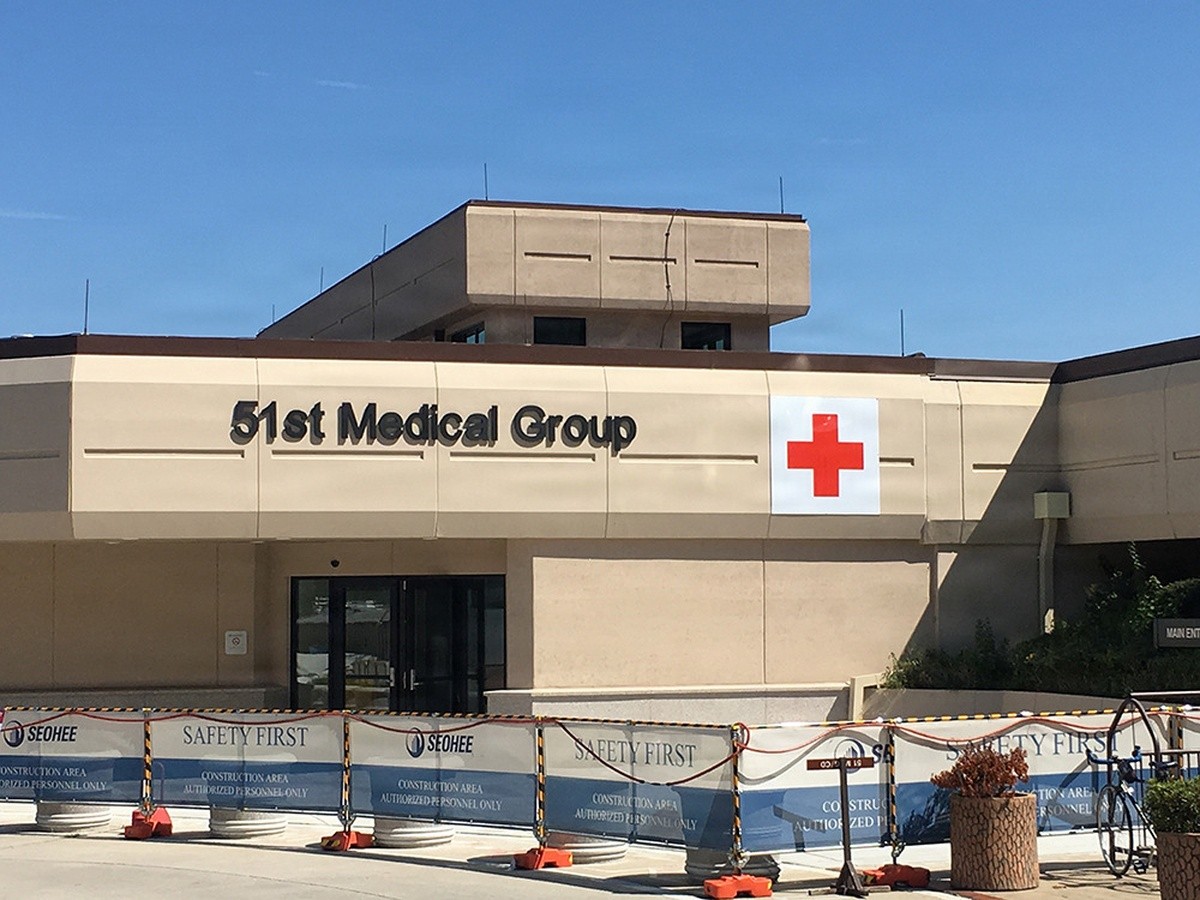
- 51st Medical Group – Osan AB (Area III)
- Camp Walker (Wood) Army Health Clinic – USAG Daegu (Area IV)
- Branch Health Clinic Chinhae – CFA Chinhae (Area IV)
Additional Army, Air Force, and Navy clinics across Korea primarily support service members assigned to non-command-sponsored locations or readiness-focused missions.
Installations are geographically organized into Areas I–IV, and patients typically receive care at the facility supporting their duty station. While services and facility sizes vary by installation, beneficiaries can expect consistent standards of care and integrated referral support.
Under TRICARE Prime Overseas, active-duty service members and eligible family members receive care at military facilities whenever available. Retirees, non-command sponsored families, and TRICARE Select Overseas beneficiaries may receive care at MTFs on a space-available basis.
Specialty Care and Referrals
When specialty care is unavailable at a local MTF, patients are referred through TRICARE to another military facility or a Korean network hospital.
Korea’s healthcare system is internationally recognized for advanced technology and high clinical standards. TRICARE partners with numerous accredited Korean hospitals, many employing physicians trained in the U.S. or internationally.
For command-sponsored TRICARE Prime beneficiaries, care at Korean network hospitals is typically seamless, with no copays or deductibles when proper referrals are obtained.
TRICARE Select beneficiaries and non-command sponsored patients should expect to pay upfront for off-post care and submit claims afterward for reimbursement, although many hospitals now process insurance claims directly.
Dental Care
Military dental clinics primarily support active-duty readiness requirements.
Family members generally receive dental care off post using the same insurance plans they would use in the U.S. Korean dental providers are widely regarded for high-quality care, and many dentists hold U.S. or international certifications.
Orthodontic care is typically obtained off post unless treatment is required for active-duty service members.
Scheduling Appointments
Most military medical and dental clinics in Korea operate appointment-based systems. Appointments are required for most services except emergencies or designated walk-in clinic hours.
Below are the major appointment lines. BDAACH and affiliated outlying clinics use a centralized system, allowing patients to schedule appointments for all supported clinics through one number.
Major Appointment Lines
BDAACH Central Appointment Line
DSN: 737-CARE (2273) / COMM: 0503-337-2273
Hours: Mon–Fri, 7:15 a.m.–4:45 p.m. (excluding federal holidays)
51st Medical Group, Osan AB
DSN: 784-DOCS (3627) / COMM: 0505-784-3627
8th Medical Group, Kunsan AB
DSN: 782-CARE (2273) / COMM: 0505-782-2273
Branch Health Clinic, Chinhae
DSN:763-5415 / COMM: 0505-763-5415
Emergency Care
Brian D. Allgood Army Community Hospital is the only MTF in Korea with a 24/7 emergency department. Patients are seen based on medical urgency, with priority given to conditions involving risk to life, limb, or eyesight.
Those not located near Camp Humphreys should proceed to the nearest Korean hospital emergency room.
Most Korean emergency departments coordinate English-language assistance. Interpretation services are also available through TRICARE’s overseas contractor:
International SOS: 080-429-0880
On-post emergencies: Dial 911
Off-post emergencies in Korea: Dial 119
Receiving Care at Korean Hospitals
Seeking care in a foreign country can feel intimidating, but Korean hospitals routinely care for U.S. military beneficiaries and are well equipped to support international patients.
Most Korean network hospitals:
- Are accredited by Joint Commission International or the Korean Hospital Association
- Operate international clinics with English-speaking staff
- Provide interpreter services during business hours
- Offer modern facilities comparable to U.S. hospitals
TRICARE Prime beneficiaries must obtain referrals before visiting Korean hospitals unless seeking urgent or emergency care. Prime claims are typically processed directly, while TRICARE Select beneficiaries should be prepared to pay upfront and submit reimbursement claims.
Active-duty personnel are encouraged to wear civilian attire when visiting host nation facilities.
Understanding Cultural Differences in Care
Healthcare delivery in Korea may differ from what patients experienced in the U.S. These differences reflect cultural practices rather than differences in quality of care.
Patients may notice:
- Hospital meals and accommodations differ from U.S. hospitals.
- Longer inpatient stays may be standard for certain conditions.
- Physicians may take a more directive role in treatment decisions.
- Nurses follow physician orders rather than practice independently.
- Visitation policies may differ during certain procedures.
- Shared hospital rooms are common.
Communication styles may also feel more formal or concise. Patients are encouraged to ask questions respectfully and communicate needs early, especially regarding comfort or pain management.
Despite these differences, Korean healthcare professionals share the same commitment to patient safety and recovery found in U.S. medical systems.
Language Support and Patient Assistance
Translation assistance is available 24/7:
- International SOS: Call 080-429-0880 and request an interpreter
- MyCare Overseas App: Provides translation tools and telephonic language support
Transportation and Practical Tips
Many Korean hospitals offer courtesy shuttle services for patients. Patients should check with the hospital’s international clinic for schedules and parking validation if driving a privately owned vehicle.
A Connected System of Care
Military medical teams work closely with TRICARE and Korean network hospitals to ensure continuity of care across the peninsula.
Whether visiting a military clinic on post or a partner hospital off post, beneficiaries can expect modern medicine, professional providers, and integrated support designed to maintain readiness, resilience and family well-being throughout their assignment in Korea.
Helpful Resources
BDAACH & Outlying Clinics https://briandallgood.tricare.mil
BDAACH Patient Guidebook https://briandallgood.tricare.mil/Patient-Resources/Patient-Guidebook
51st Medical Group (Osan AB) https://osan.tricare.mil
8th Medical Group (Kunsan AB) https://kunsan.tricare.mil
Branch Health Clinic Chinhae https://yokosuka.tricare.mil/Clinics/Branch-Health-Clinic-Chinhae-Korea
TRICARE Overseas https://www.tricare-overseas.com
Social Sharing