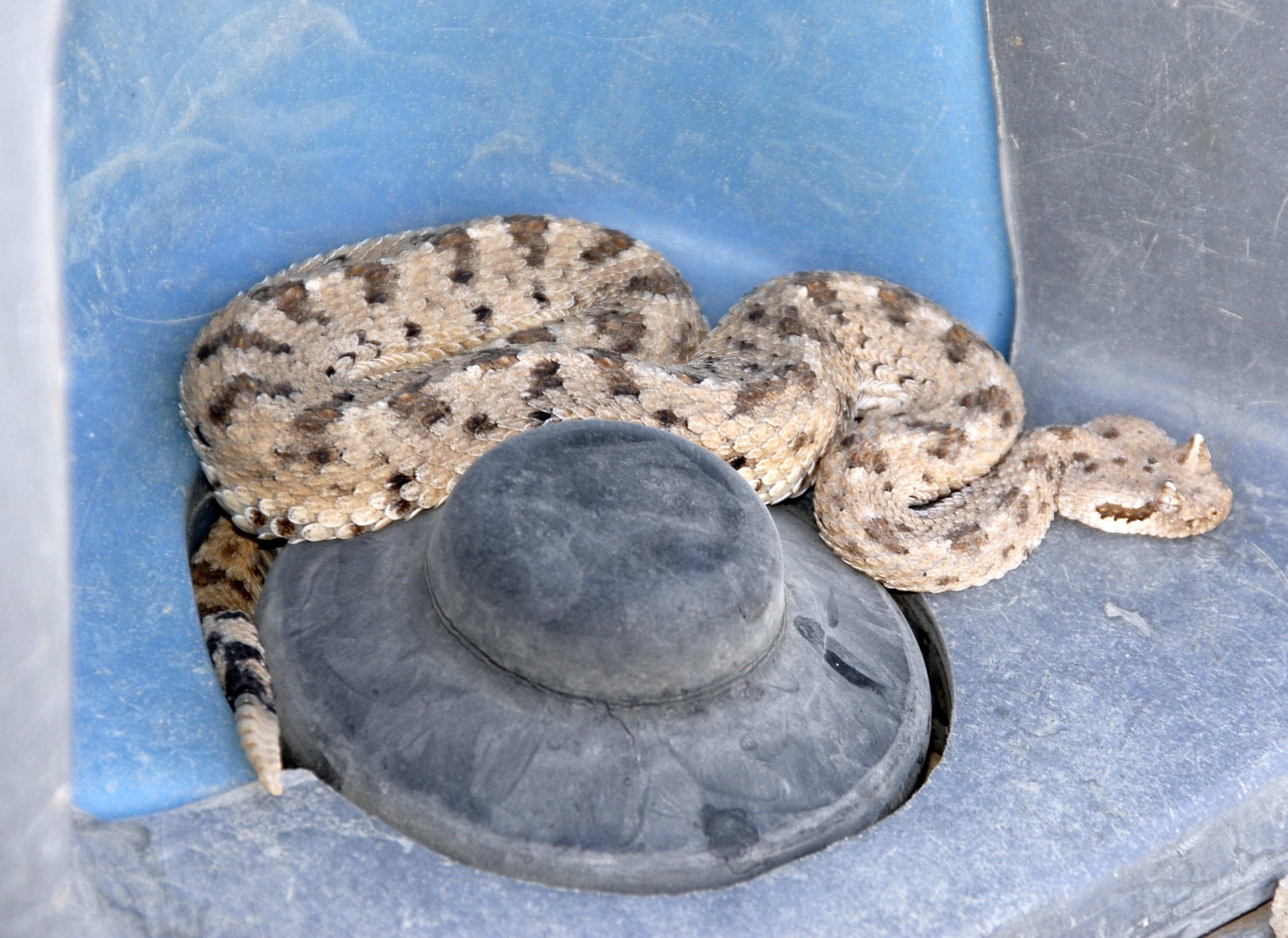
Warmer temperatures are here, and along with the heat comes snakes. Rattlesnakes are common in our area and are often found near our homes and job sites.
Spring and fall are the times of year when we have the most encounters because that is when many snakes spend more time in the open soaking up a little sun before it gets too hot.
They are most active at night, especially in summer. Rattlesnakes are venomous, and a bite to you or your pet is extremely serious and requires immediate medical attention.
Despite their fearsome reputation, rattlesnakes are crucial for maintaining ecological balance, supporting biodiversity, and protecting human health. Their conservation is important not only for the environment but also for the indirect benefits they provide to agriculture and disease prevention.
Rattlesnakes are attracted by food and cover. Dense vegetation, wood piles or other debris attract rodents that in turn attract snakes. A rattlesnake's first line of defense is camouflage, so keep an eye on your surroundings and watch where you put your hands and feet. This is especially important this spring as our wet winter has resulted in a lot of vegetation growth. It is important to keep pets on a leash to prevent them from finding a rattlesnake and getting bitten.
If you encounter a rattlesnake, do not attempt to move it or harm it. Like other animals, rattlesnakes can be territorial and possess survival instincts, so if they feel threatened, they may defend themselves and bite. The best thing to do is to leave them alone. One of the most common myths about rattlesnakes, according to Daniel Steward, wildlife biologist at U.S. Army Yuma Proving Ground (YPG), is that if you encounter a rattlesnake, it will chase you down.
“In reality, rattlesnakes typically try to escape from humans,” said Steward. “When they flee quickly, it can appear as though they are pursuing you, but they are just looking for a place to hide.”
It is important to follow safety guidelines to avoid encounters with them, whether they are venomous or non-venomous. Here are some key safety measures:
- Maintain yard sanitation, as overgrown areas can provide good hiding spots for snakes.
- Be aware of your surroundings; rattlesnakes can camouflage themselves effectively to blend in, which is crucial for their survival as they rely on external heat sources.
- DO NOT attempt to handle even after it's dead, reflex strikes with injected venom can occur for several hours after death.
- If you see a rattlesnake at a YPG work site or on-post residence, contact the YPG Police Desk at (928) 328-2720.
- In the event of a rattlesnake bite, remain calm and contact emergency personnel immediately. Remove rings and any other constrictive jewelry or clothing. Do not apply ice or heat, use electric shock, apply tourniquets or pressure bandages, cutting, suction or venom extraction devices. Additionally, do not attempt to harm or handle the snake.
Social Sharing