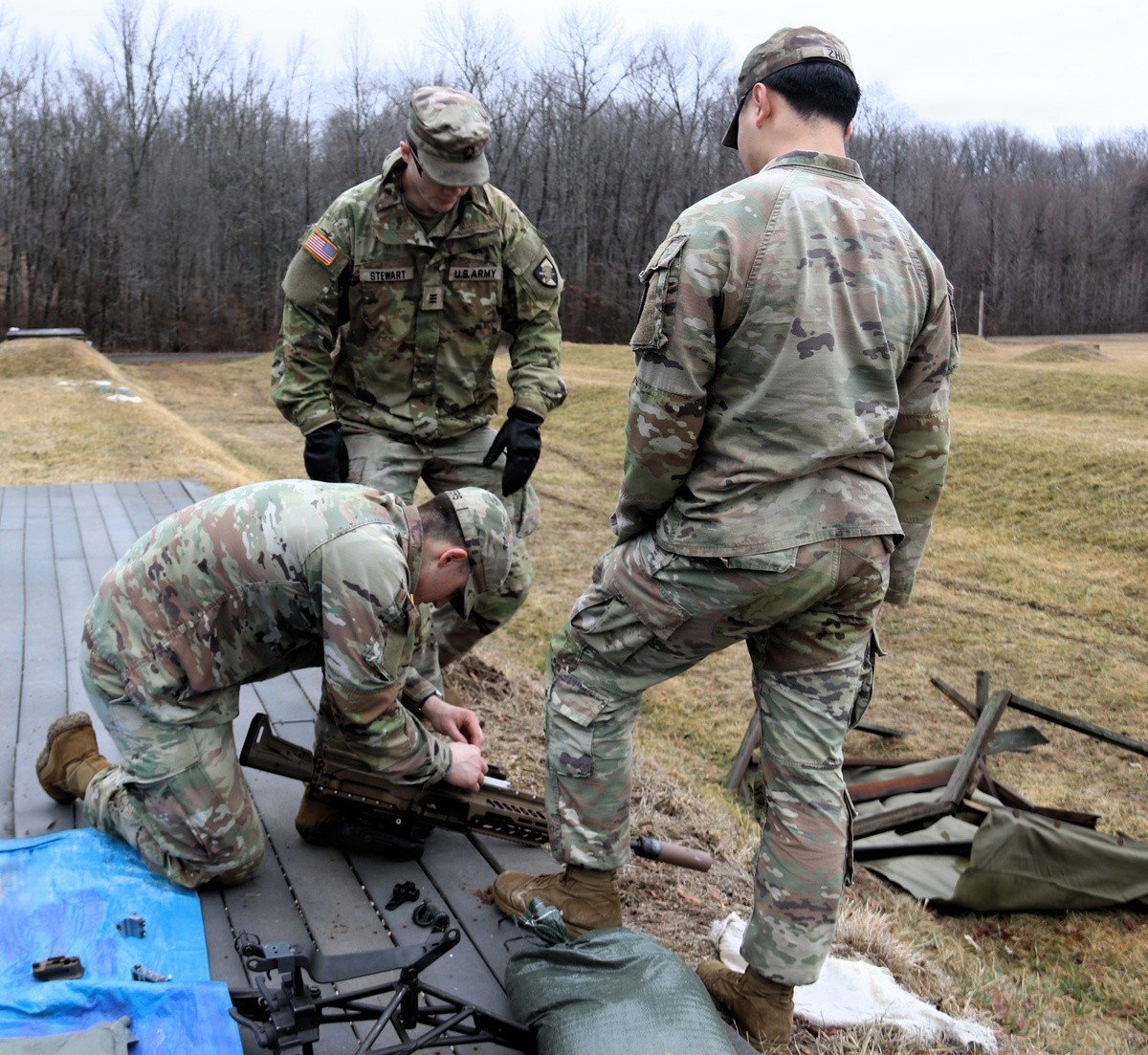
![[L to R] Capt. Travis Chewning‑Kulick and Maj. Matthew Crocker with cadets Winters, Stewart, and Zhu of United States Military Academy at West Point's Mechanical and Aerospace Engineering Department](https://api.army.mil/e2/c/images/2026/03/20/0d12f02a/original.jpg)
Senior capstone team tackles interface challenge
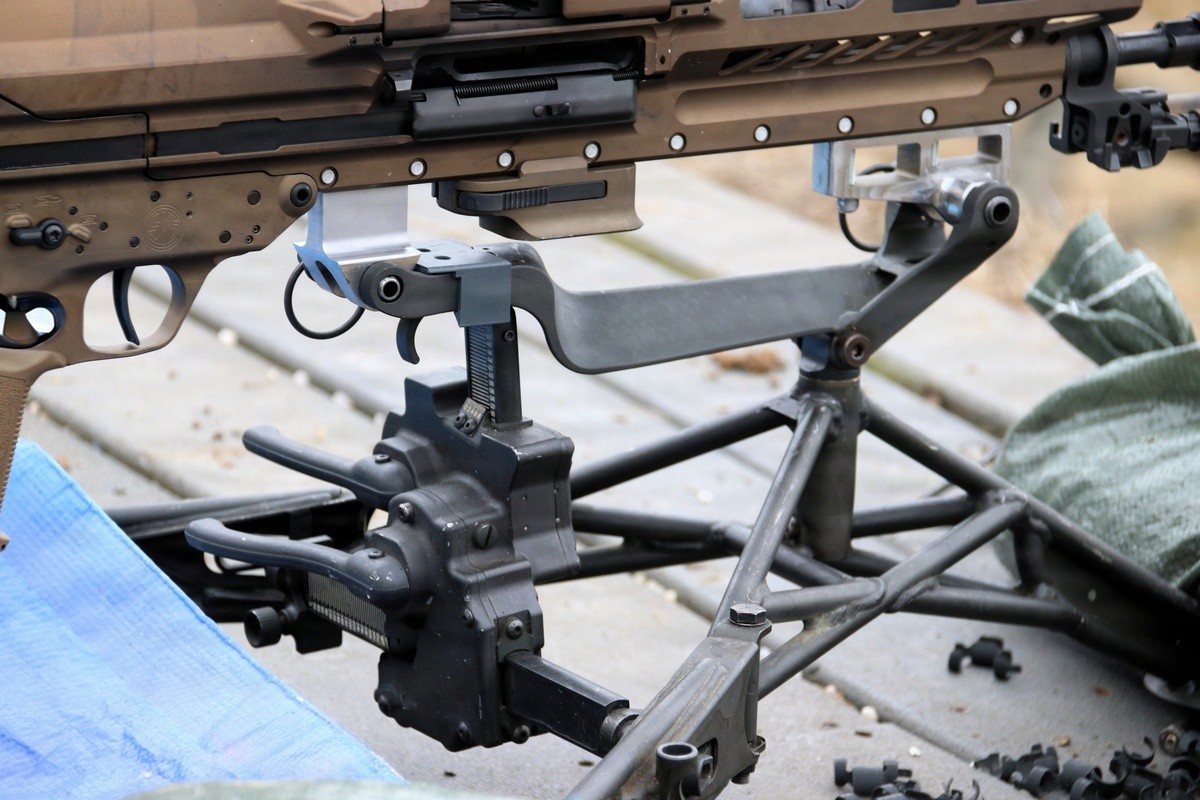
A senior capstone team from the U.S. Military Academy at West Point is tackling a practical challenge for the Army: ensuring new machine guns can be mounted on legacy tripods. The cadets, from the Mechanical and Aerospace Engineering Department and supported by the Center for Applied Engineering, have developed a cost-effective prototype adapter that allows the Army’s older M192 tripod to support the M240, M249, and M250 series machine guns.
Working under the direction of Maj. Matthew Crocker and Capt. Travis Chewning‑Kulick, the student team—Cadets Winters, Stewart, Zhu, and Gilmore [not pictured]—designed, tested, and refined the adapter. Their solution incorporates modern features, including the M-LOK mounting system and an adjustable ammunition pouch mounting point. It addresses a practical logistics issue, preserving compatibility with existing equipment while integrating next-generation weapon systems. The adapter, crafted from 4140 steel and weighing approximately one pound, was produced using both manual and CNC manufacturing techniques. The cadets have designed, fabricated, and tested their prototypes.



Live-fire evaluation at Aberdeen Proving Ground
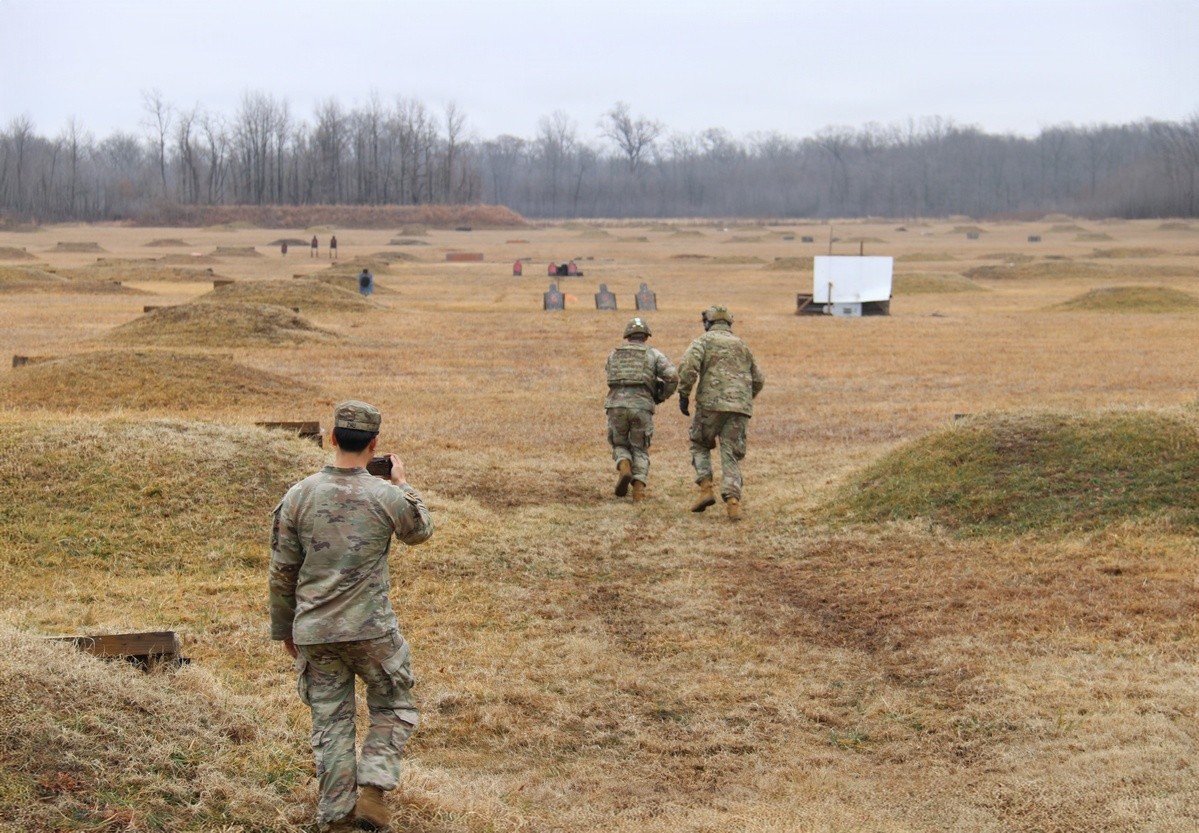
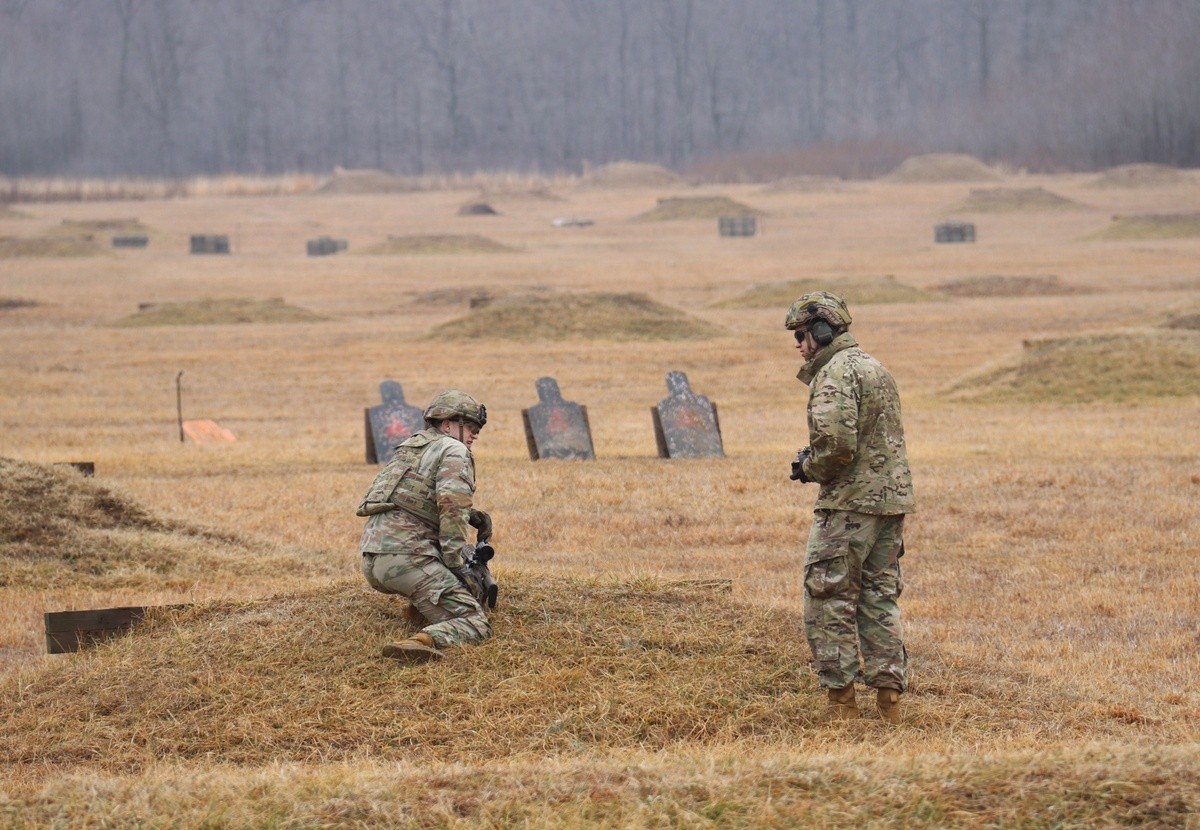
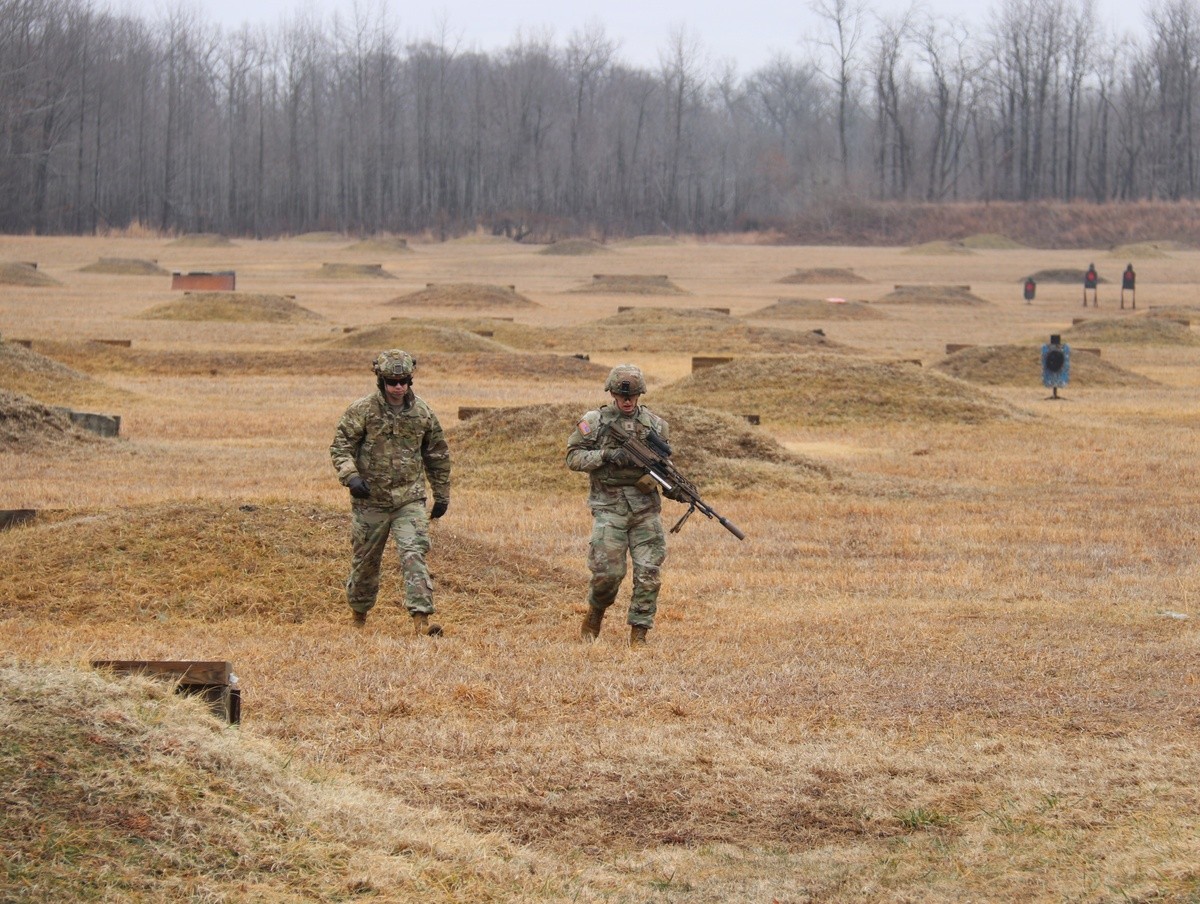
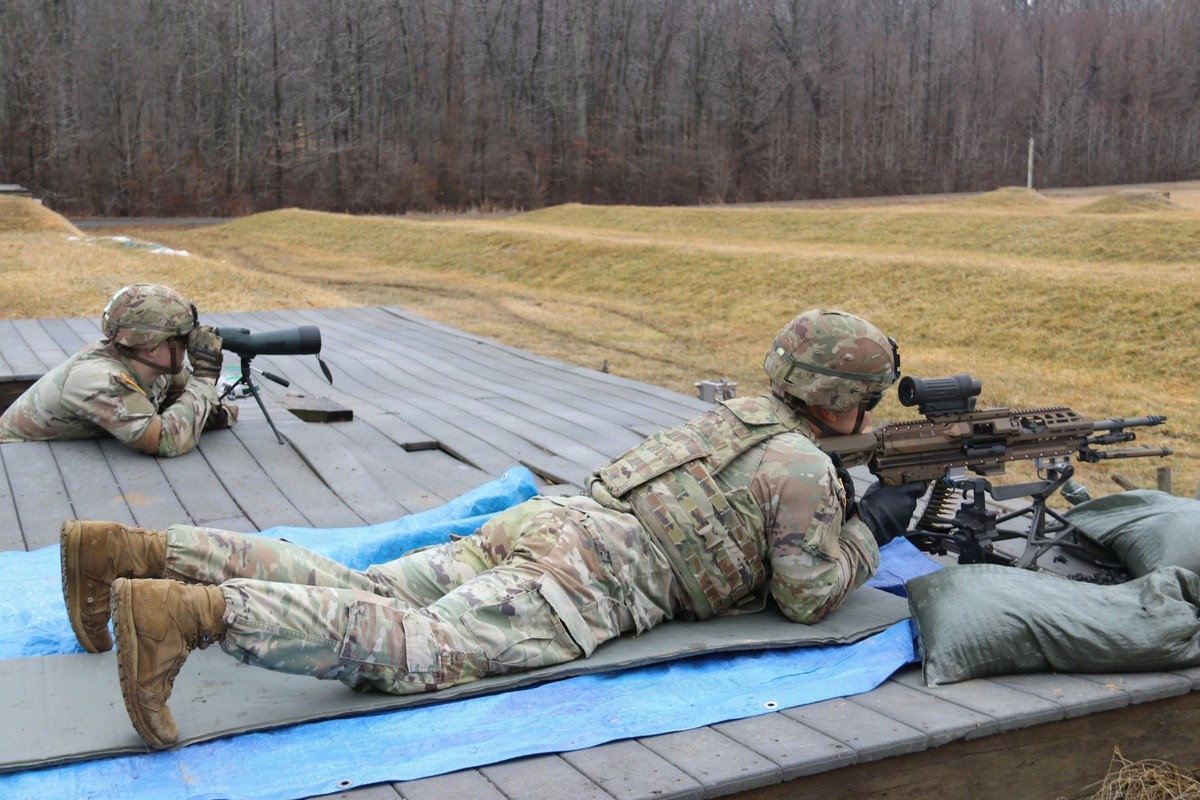
The cadets evaluated the tripod modification at the U.S. Army Transformation Decision Analysis Center’s M-Range at Aberdeen Proving Ground, Maryland. This outdoor facility supports research on weapon design interaction with human performance. During the evaluation, which included firing at distances of 300 and 600 meters, the team used a strain gauge system connected to a computer to measure force and deformation on the tripod adapter. Capturing strain data verifies that the design can withstand the stresses of battlefield conditions. Future evaluations will include corrosion testing. This work was conducted in coordination with APG tenant organizations, including TDAC and ATEC.

Army’s premier research and testing installation
Established in 1917, APG is the Army’s oldest active proving ground and serves as a major hub for weapons testing, materiel evaluation, and scientific development. The cadets’ project continues a long history of collaboration between West Point and the Army’s top research centers. Many capstone projects are sponsored by organizations at APG, including the Army Research Lab, offering cadets invaluable exposure to professional engineering and the Army’s modernization priorities.
This project not only provides a practical solution for Soldiers’ equipment but also exemplifies the partnership between academia and the armed forces in driving innovation and maintaining military readiness.

Social Sharing