1 / 13Show Caption +Hide Caption –
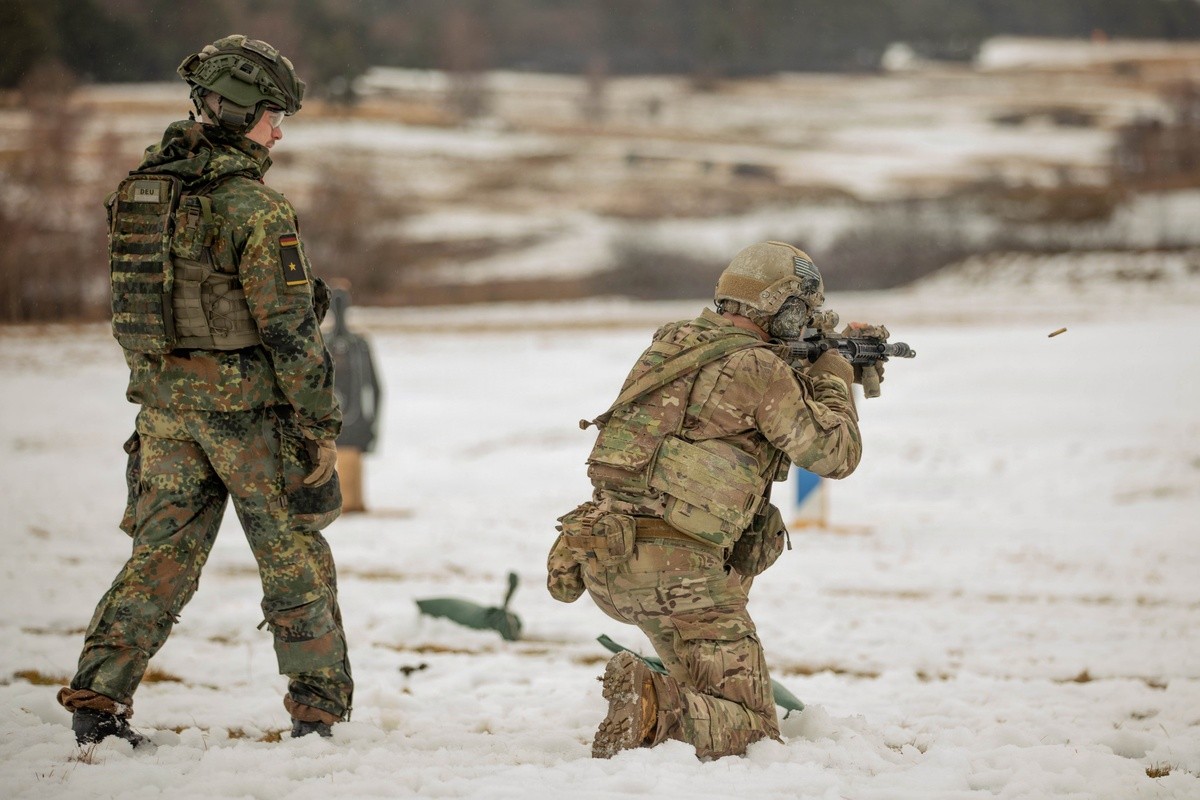
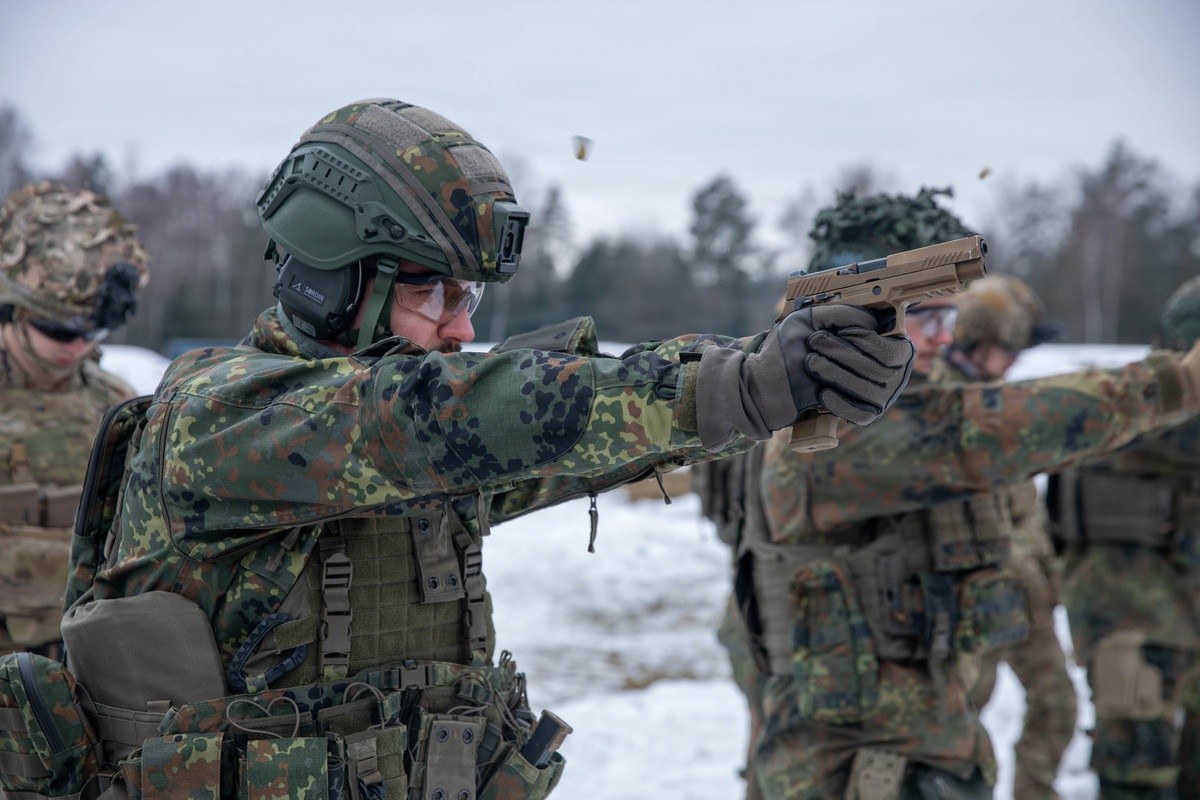
2nd Cavalry Regiment Snipers and Officer-candidates of the University of the Bundeswehr Munich conduct M4 Urban Rifle Marksmanship, at Grafenwoehr Training Area, Feb. 11, 2026. Familiarization with these weapons systems builds lethal, disciplined shooters capable of supporting combined maneuver operations and reinforcing U.S.-German interoperability. Deterrence is not a solitary endeavor; it requires a synchronized effort across all activities and domains alongside our Allies and partners. (U.S. Army photo by Pfc. Faleilelagi Lulu)
(Photo Credit: Pfc. Faleilelagi Lulu)VIEW ORIGINAL2 / 13Show Caption +Hide Caption –
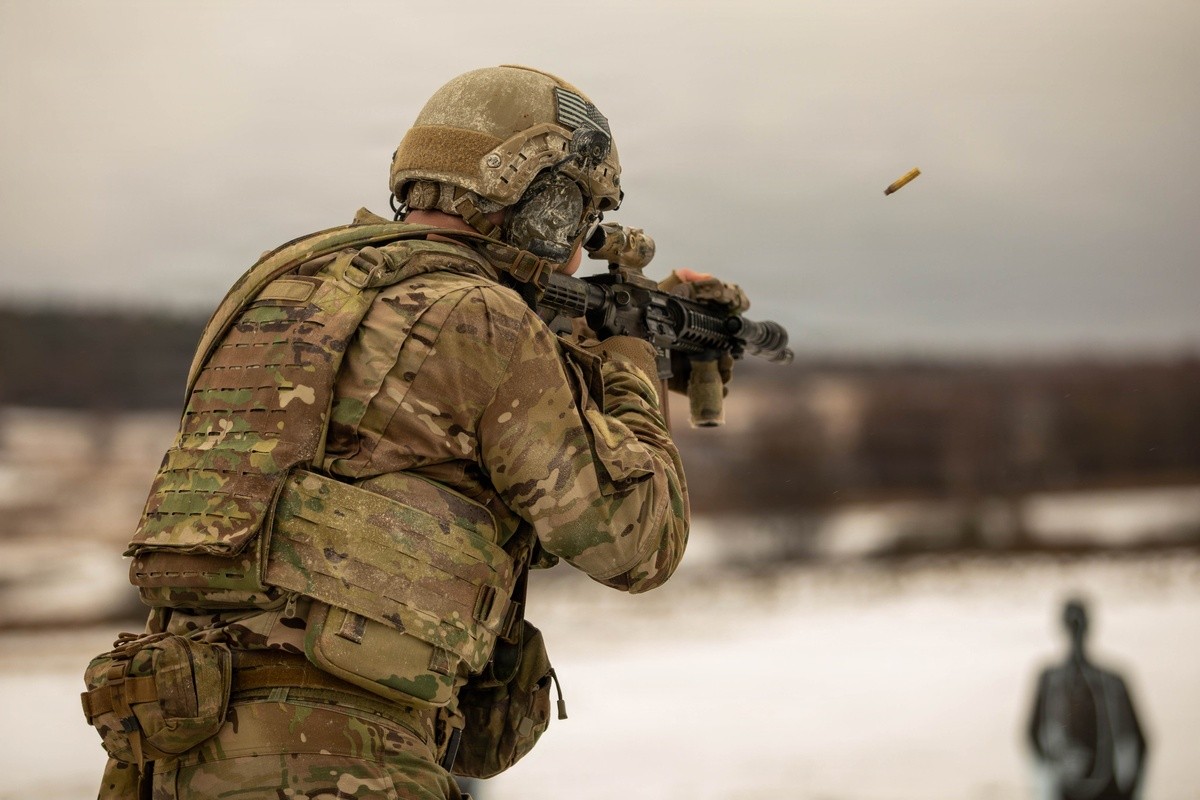
2nd Cavalry Regiment Snipers and Officer-candidates of the University of the Bundeswehr Munich conduct M4 Urban Rifle Marksmanship, at Grafenwoehr Training Area, Feb. 11, 2026. Familiarization with these weapons systems builds lethal, disciplined shooters capable of supporting combined maneuver operations and reinforcing U.S.-German interoperability. Deterrence is not a solitary endeavor; it requires a synchronized effort across all activities and domains alongside our Allies and partners. Eastern Flank Deterrence Line is changing how the U.S. and NATO are planning, resourcing, and training for conflict – it defines how we enhance lethality across NATO land forces. (U.S. Army photo by Pfc. Faleilelagi Lulu)
(Photo Credit: Pfc. Faleilelagi Lulu)VIEW ORIGINAL3 / 13Show Caption +Hide Caption –
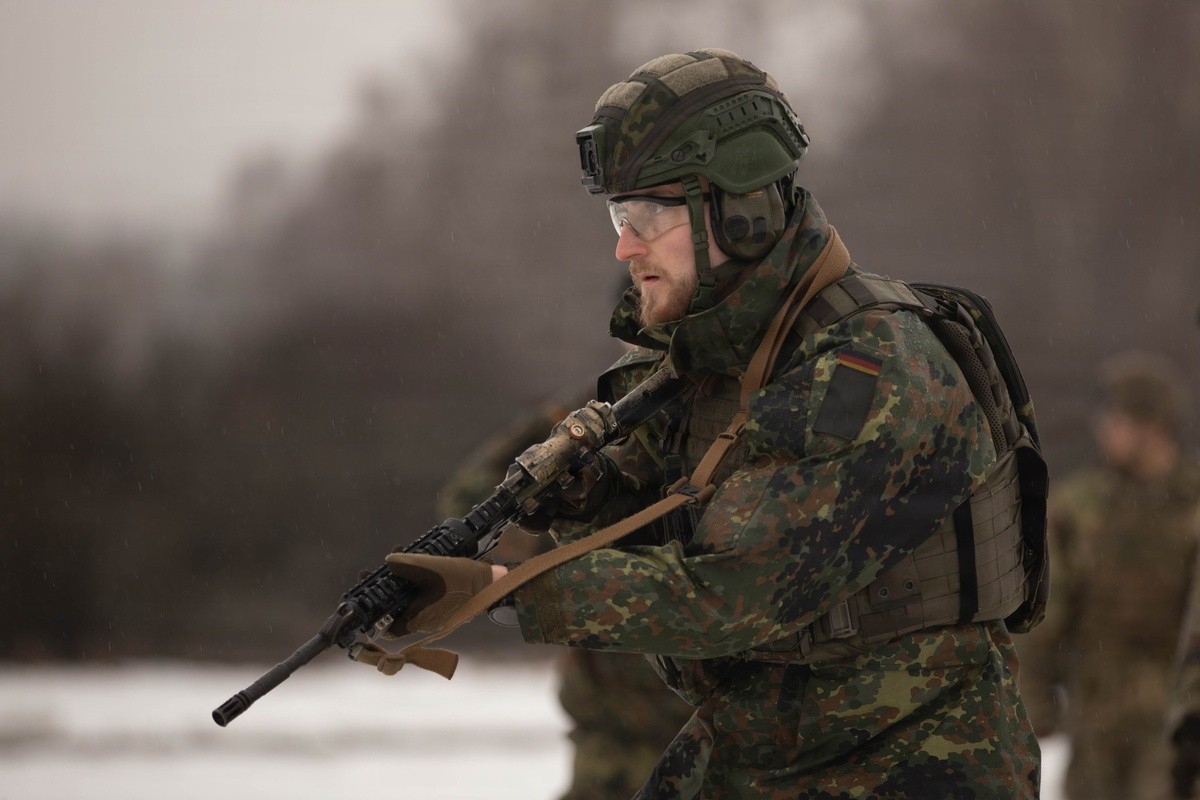
The 2nd Cavalry Regiment Snipers and Officer-candidates of the University of the Bundeswehr Munich conduct M4 Urban Rifle Marksmanship, at Grafenwoehr Training Area, Feb. 11, 2026. Familiarization with these weapons systems builds lethal, disciplined shooters capable of supporting combined maneuver operations and reinforcing U.S.-German interoperability. Deterrence is not a solitary endeavor; it requires a synchronized effort across all activities and domains alongside our Allies and partners. (U.S. Army photo by Pfc. Faleilelagi Lulu)
(Photo Credit: Pfc. Faleilelagi Lulu)VIEW ORIGINAL4 / 13Show Caption +Hide Caption –
2nd Cavalry Regiment Snipers and Officer-candidates from the University of the Bundeswehr Munich conduct M4 Urban Rifle Marksmanship, at Grafenwoehr Training Area, Feb. 11, 2026. Familiarization with these weapons systems builds lethal, disciplined shooters capable of supporting combined maneuver operations and reinforcing U.S.-German interoperability. Deterrence is not a solitary endeavor; it requires a synchronized effort across all activities and domains alongside our Allies and partners. V Corps focuses on strengthening relationships, improving partner convergence, and showcasing mutual commitment to collective defense. (U.S. Army photo by Pfc. Faleilelagi Lulu)
(Photo Credit: Pfc. Faleilelagi Lulu)VIEW ORIGINAL5 / 13Show Caption +Hide Caption –
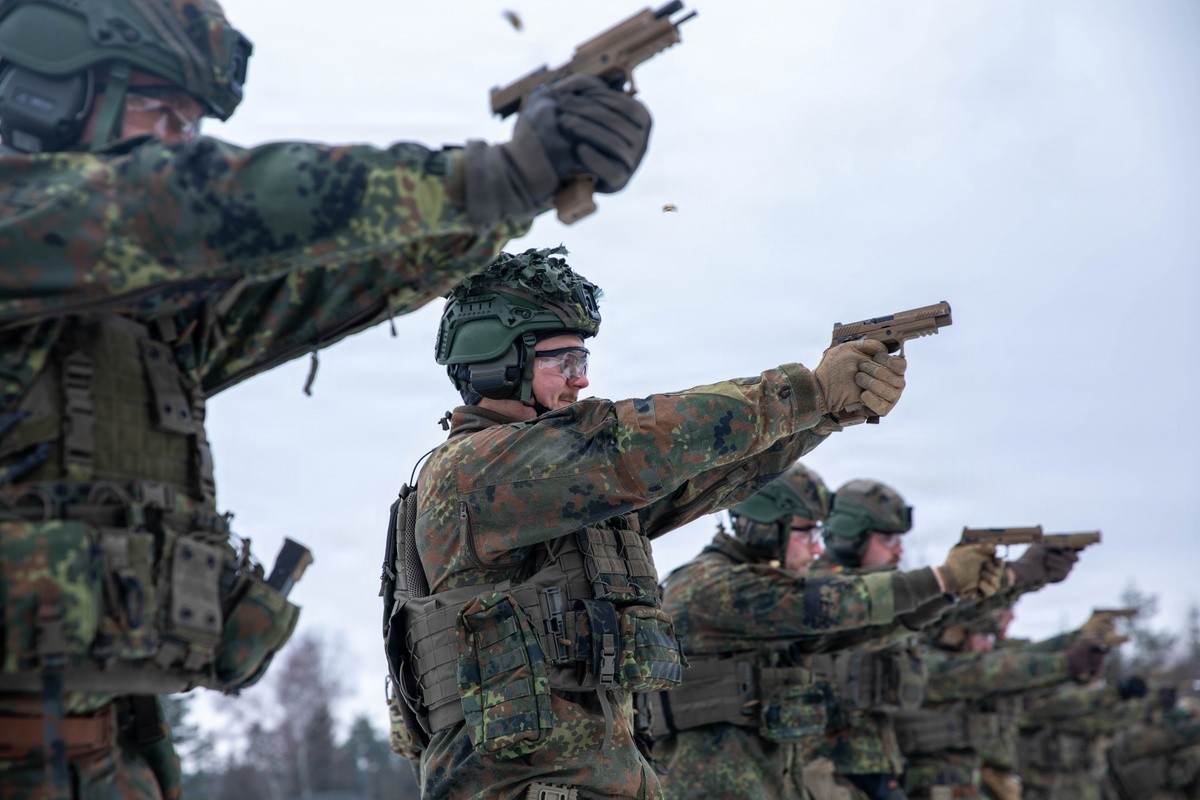
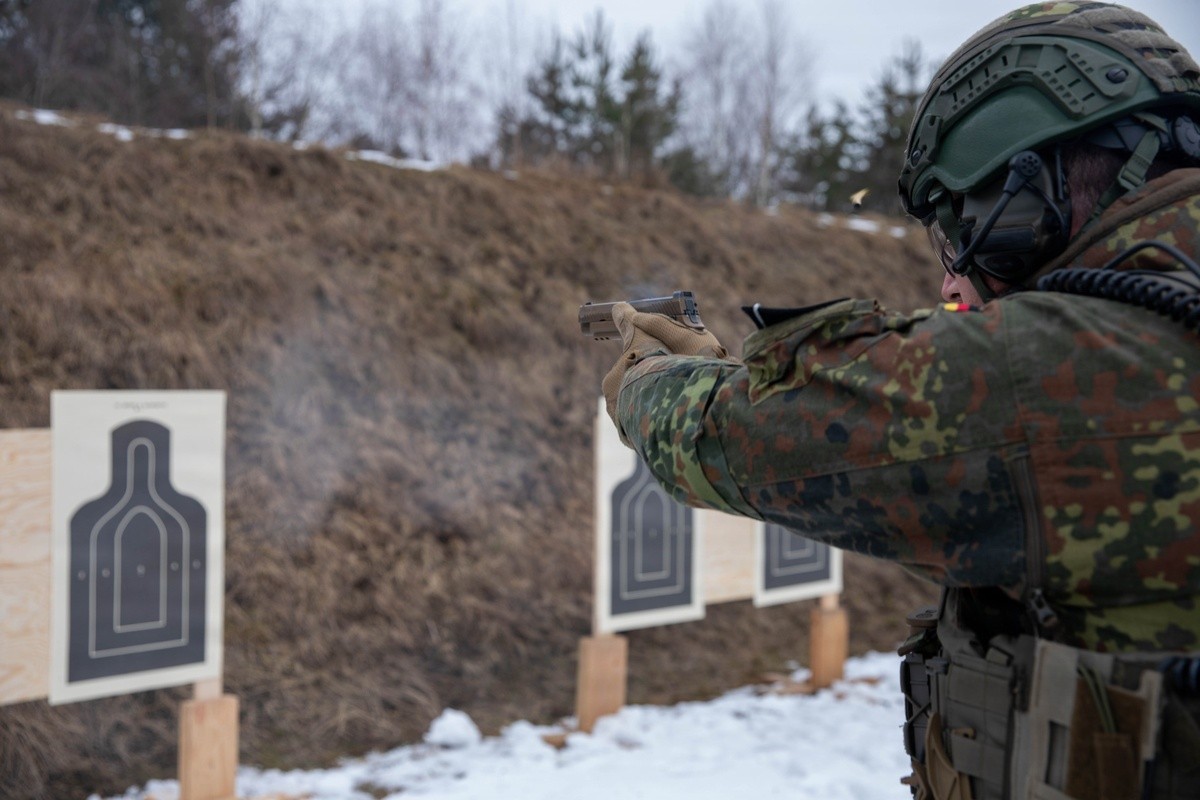
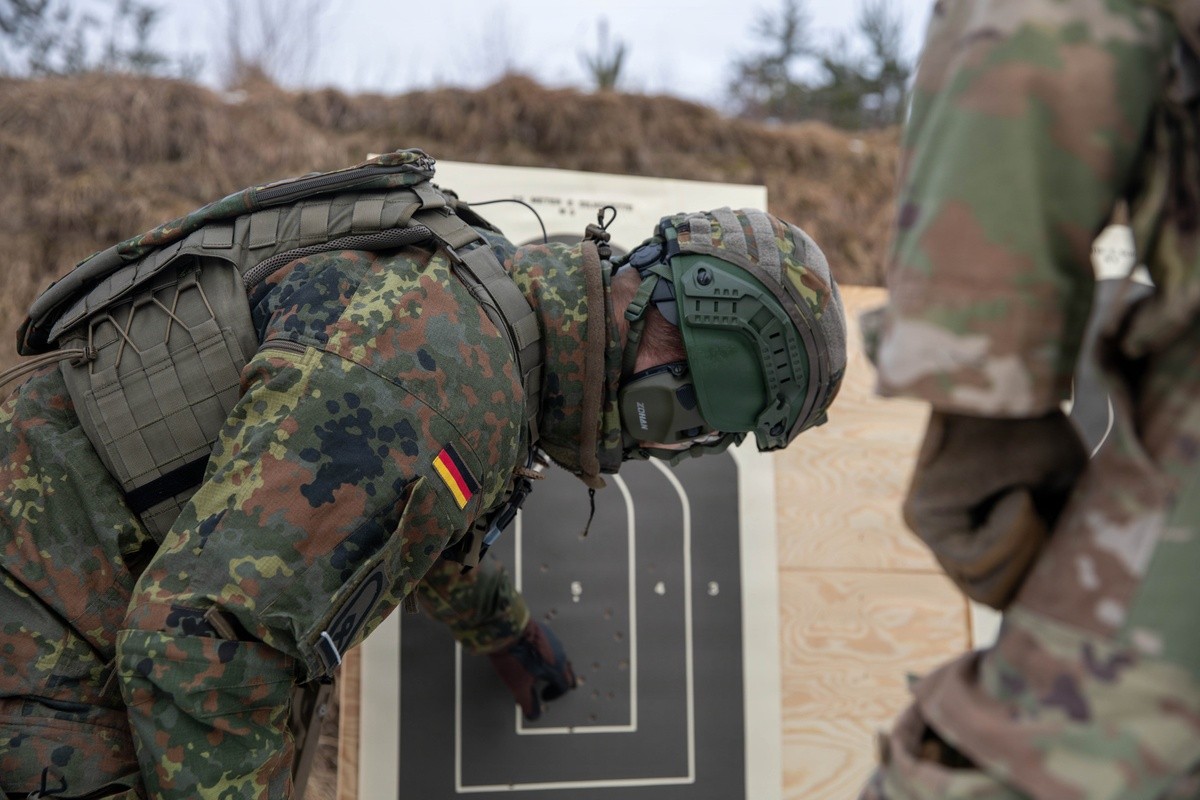
2nd Cavalry Regiment Snipers and Officer-candidates of the University of the Bundeswehr Munich conduct M17 Qualification, at Grafenwoehr Training Area, Feb 10, 2026. Familiarization with these weapons systems builds lethal, disciplined shooters capable of supporting combined maneuver operations and reinforcing U.S.-German interoperability. Our NATO Allies have never been more invested since the end of the Cold War; they are showing up with a once in a generation transformation and modernization effort. Close integration with our NATO Allies creates a culture of accountability for readiness of forces against our assigned missions. (U.S. Army photo by Sgt. Nathanial Johnson)
(Photo Credit: Sgt. Nathanial Johnson)VIEW ORIGINAL6 / 13Show Caption +Hide Caption –
2nd Cavalry Regiment Snipers and Officer-candidates of the University of the Bundeswehr Munich conduct M17 Qualification, at Grafenwoehr Training Area, Feb 10, 2026. Familiarization with these weapons systems builds lethal, disciplined shooters capable of supporting combined maneuver operations and reinforcing U.S.-German interoperability. Our NATO Allies have never been more invested since the end of the Cold War; they are showing up with a once in a generation transformation and modernization effort.
(U.S. Army photo by Sgt. Nathanial Johnson)
(Photo Credit: Sgt. Nathanial Johnson)VIEW ORIGINAL7 / 13Show Caption +Hide Caption –
2nd Cavalry Regiment Snipers and Officer-candidates of the University of the Bundeswehr Munich conduct M17 Qualification, at Grafenwoehr Training Area, Feb 10, 2026. Familiarization with these weapons systems builds lethal, disciplined shooters capable of supporting combined maneuver operations and reinforcing U.S.-German interoperability. Our NATO Allies have never been more invested since the end of the Cold War; they are showing up with a once in a generation transformation and modernization effort. (U.S. Army photo by Sgt. Nathanial Johnson)
(Photo Credit: Sgt. Nathanial Johnson)VIEW ORIGINAL8 / 13Show Caption +Hide Caption –
2nd Cavalry Regiment Snipers and Officer-candidates of the University of the Bundeswehr Munich conduct M17 Qualification, at Grafenwoehr Training Area, Feb 10, 2026. Familiarization with these weapons systems builds lethal, disciplined shooters capable of supporting combined maneuver operations and reinforcing U.S.-German interoperability. Our NATO Allies have never been more invested since the end of the Cold War; they are showing up with a once in a generation transformation and modernization effort. (U.S. Army photo by Sgt. Nathanial Johnson)
(Photo Credit: Sgt. Nathanial Johnson)VIEW ORIGINAL9 / 13Show Caption +Hide Caption –
2nd Cavalry Regiment Snipers and Officer-candidates of the University of the Bundeswehr Munich conduct M17 Qualification, at Grafenwoehr Training Area, Feb 10, 2026. Familiarization with these weapons systems builds lethal, disciplined shooters capable of supporting combined maneuver operations and reinforcing U.S.-German interoperability. Our NATO Allies have never been more invested since the end of the Cold War; they are showing up with a once in a generation transformation and modernization effort. (U.S. Army photo by Sgt. Nathanial Johnson)
(Photo Credit: Sgt. Nathanial Johnson)VIEW ORIGINAL10 / 13Show Caption +Hide Caption –
2nd Cavalry Regiment Snipers and Officer-candidates of the University of the Bundeswehr Munich conduct M17 Qualification, at Grafenwoehr Training Area, Feb 10, 2026. Familiarization with these weapons systems builds lethal, disciplined shooters capable of supporting combined maneuver operations and reinforcing U.S.-German interoperability. Our NATO Allies have never been more invested since the end of the Cold War; they are showing up with a once in a generation transformation and modernization effort. (U.S. Army photo by Sgt. Nathanial Johnson)
(Photo Credit: Sgt. Nathanial Johnson)VIEW ORIGINAL11 / 13Show Caption +Hide Caption –
2nd Cavalry Regiment Snipers and Officer-candidates of the University of the Bundeswehr Munich conduct M17 Qualification, at Grafenwoehr Training Area, Feb 10, 2026. Familiarization with these weapons systems builds lethal, disciplined shooters capable of supporting combined maneuver operations and reinforcing U.S.-German interoperability. Deterrence is not a solitary endeavor; it requires a synchronized effort across all activities and domains alongside our Allies and partners. (U.S. Army photo by Sgt. Nathanial Johnson)
(Photo Credit: Sgt. Nathanial Johnson)VIEW ORIGINAL12 / 13Show Caption +Hide Caption –
2nd Cavalry Regiment Snipers and Officer-candidates of the University of the Bundeswehr Munich conduct M4 Urban Rifle Marksmanship, at Grafenwoehr Training Area, Feb. 11, 2026. Familiarization with these weapons systems builds lethal, disciplined shooters capable of supporting combined maneuver operations and reinforcing U.S.-German interoperability. Deterrence is not a solitary endeavor; it requires a synchronized effort across all activities and domains alongside our Allies and partners. V Corps and assigned formations, along with Allies and partners, are building readiness, operational warfighting capability, lethality, and capacity to secure U.S. interests in Eastern Europe, while maximizing strategic flexibility. (U.S. Army photo by Pfc. Faleilelagi Lulu)
(Photo Credit: Pfc. Faleilelagi Lulu)VIEW ORIGINAL13 / 13Show Caption +Hide Caption –
2nd Cavalry Regiment Snipers and Officer-candidates of the University of the Bundeswehr Munich conduct M4 Urban Rifle Marksmanship, at Grafenwoehr Training Area, Feb. 11, 2026. Familiarization with these weapons systems builds lethal, disciplined shooters capable of supporting combined maneuver operations and reinforcing U.S.-German interoperability. Deterrence is not a solitary endeavor; it requires a synchronized effort across all activities and domains alongside our Allies and partners. (U.S. Army photo by Pfc. Faleilelagi Lulu)
(Photo Credit: Pfc. Faleilelagi Lulu)VIEW ORIGINAL
GRAFENWOEHR TRAINING AREA, Germany – On a live-fire range here, the crack of M4 carbines and M17 pistols signaled more than marksmanship qualification; it marked another step forward in strengthening the enduring U.S. - German alliance.
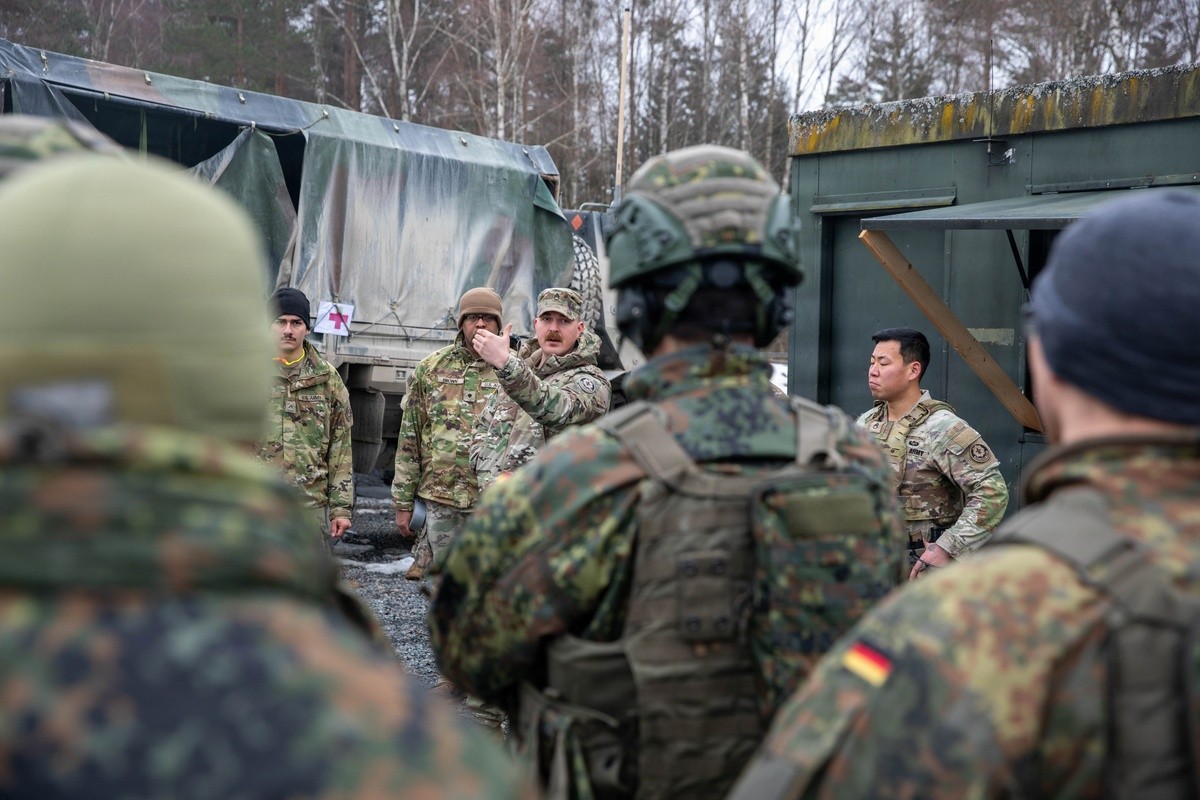
Soldiers of the 2nd Cavalry Regiment and officer candidates from the University of the Bundeswehr Munich qualified on M17 pistols, executed M4 Urban Carbine Marksmanship, and familiarized themselves with sniper weapons at Grafenwoehr Training Area on Feb 10, 2026, reinforcing U.S. - German interoperability and advancing NATO readiness.
The joint training included M17 pistol qualification and M4 carbine marksmanship, focusing on urban marksmanship fundamentals, speed, precision, and confidence in close-quarter engagements.
By developing a mutual understanding of weapons employment and marksmanship fundamentals, both militaries build trust and cohesion at the tactical level.
“We’re conducting a combined rifle exercise training with the 2nd Calvary Regiment in order to qualify for the urban marksman,” said LT Jesset Kogel, an officer candidate from the University of the Bundeswehr Munich. "It’s closer distances, and you have to react fast to enemy targets that are nearby, and you have to hit the target very fast and very precisely."
For many of the German officer candidates, the training marked their first-ever live-fire event alongside U.S. Soldiers.
"It’s very interesting. It brings a lot of new experiences to us and a better understanding for both sides," Kogel said.
U.S. leaders noted that, while the fundamentals are similar, the training enhanced alignment and the sharing of best practices.
“Your standard M4 qualification is a Soldier engaging a target from multiple positions anywhere from 50 to 300 meters," said Staff Sgt. Dohwan Yi, an infantryman from Headquarters Troop, 3rd Squadron, 2nd Cavalry Regiment. "The urban rifle marksmanship tests a Soldier's accuracy and engagements from anywhere between five and 25 meters."
Yi explained that the training was deliberately designed to increase the lethality of a NATO partner, while fostering a long-term partnership and professional exchange.
“We’ve decided to conduct a joint small arms training with our German partners in order to develop interoperability, strengthen the U.S.-German alliance, as well as teach our counterparts the way we conduct small arms training in the U.S. Army," Yi said.
He also highlighted the importance of investing in future leaders of the Bundeswehr.
“These lieutenants are squared away. They’re very receptive to the training, and just as excited to be here as we are with them," said Yi. "It takes a lot of training, and thousands of repetitions and rounds, to get proficient at both qualifications."
Because the participating officer candidates represent multiple branches of the Bundeswehr, the long-term impact of the training will extend well beyond Grafenwoehr.
“Once they finish their studies at the University, they’ll PCS to multiple units across Germany and other NATO countries," said Yi. “My hope is that they’ll remember their time not only back with the U.S. Army, but with 2nd Cavalry Regiment, and when they’re in their respective units, they’ll reach out and remember this joint training for further collaboration."
This training showcased how NATO allies continue to invest in modernization and transformation efforts, the most significant since the end of the Cold War.
Conducting deliberate, yet realistic, small-arms training together strengthens lethality, builds trust at the tactical level, and ensures combat-ready formations capable of responding to crises, conflicts, or opportunities across Europe.





Social Sharing