1 / 3Show Caption +Hide Caption –
U.S. Soldiers assigned to 3rd Battalion, 8th Cavalry Regiment man M2 .50-caliber machine gun atop an M1A2 Abrams tank during a live-fire exercise as part of Operation Warhorse Surge at Bemowo Piskie Training Area, Poland, Feb. 11, 2026. Tank crews established firing positions and engaged designated targets while operating in subfreezing conditions. U.S. forces in Europe conduct routine training in Poland to enhance interoperability with NATO allies and maintain readiness along the alliance’s eastern flank.
(Photo Credit: U.S. Army photo by Sgt. Dakota Bradford)VIEW ORIGINAL2 / 3Show Caption +Hide Caption –
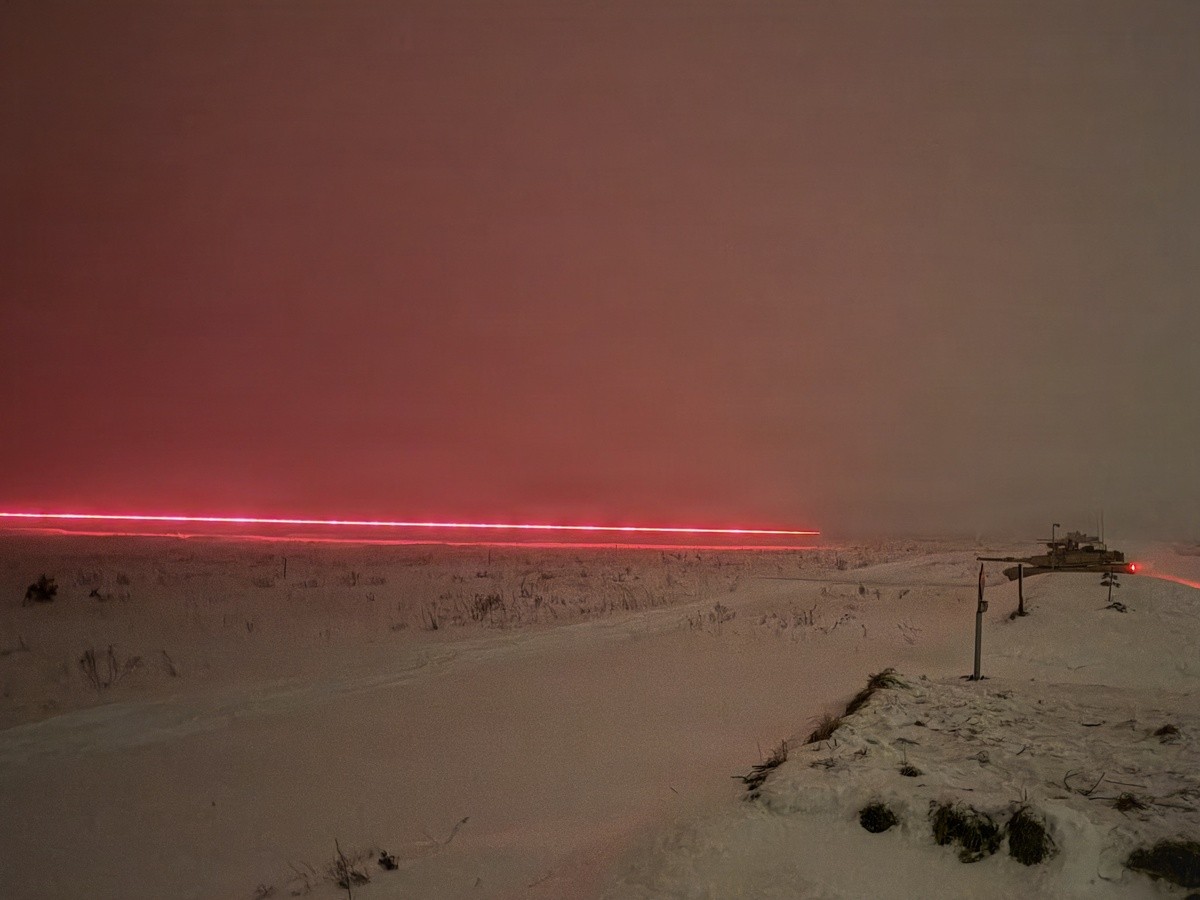
An M1A2 Abrams tank operated by U.S. Soldiers assigned to 3rd Battalion, 8th Cavalry Regiment fires during night gunnery training as part of Operation Warhorse Surge at Bemowo Piskie Training Area, Poland, Feb. 9, 2026. Tracer fire illuminated the trajectory of rounds across the battlefield, assisting crews with target identification and engagement feedback while showcasing the unit’s ability to deliver precise armored fires in extreme cold-weather conditions. U.S. forces in Europe conduct routine training in Poland to enhance interoperability with NATO allies and maintain readiness along the alliance’s eastern flank.
(Photo Credit: U.S. Army photo by Sgt. Eric Allen)VIEW ORIGINAL3 / 3Show Caption +Hide Caption –
U.S. Army tank crews with 3rd Battalion, 8th Cavalry Regiment engage targets with M1A2 Abrams tanks during a night gunnery iteration of Operation Warhorse Surge at Bemowo Piskie Training Area, Poland, Feb. 9, 2026. The use of tracer rounds enabled crews to visually confirm engagement effects and refine fire control inputs in real time, enhancing crew coordination and weapon system effectiveness while operating in sub-zero (Celsius) temperatures. U.S. forces in Europe conduct routine training in Poland to enhance interoperability with NATO allies and maintain readiness along the alliance’s eastern flank.
(Photo Credit: U.S. Army photo by Sgt. Eric Allen)VIEW ORIGINAL
BEMOWO PISKIE TRAINING AREA, Poland — U.S. Soldiers assigned to 3rd Battalion, 8th Cavalry Regiment conduct platoon-level mounted and dismounted live-fire training during Operation Warhorse Surge at Bemowo Piskie Training Area, Poland, Jan. 18–Feb. 6, 2026. The operation tested combined-arms lethality, communication and endurance in harsh winter conditions while preparing units to secure key terrain in support of allied forces.
“The biggest challenge was the weather and moving through the snow,” said Staff Sgt. Cerda Alejandro, a squad leader assigned to 3rd Battalion, 8th Cavalry Regiment. “A lot of Soldiers were experiencing these conditions for the first time, which added physical stress and slowed movement. Even then, safety and mission success remained the priority.”
Operation Warhorse Surge integrated M1A2 Abrams tank crews, M2A3 Bradley Fighting Vehicle crews and dismounted infantry platoons across multiple live-fire iterations. Training emphasized synchronization between mounted maneuver, breaching assets and dismounted assault elements while operating in snow-covered terrain and below-freezing temperatures.
1 / 3Show Caption +Hide Caption –
U.S. Soldiers assigned to 3rd Battalion, 8th Cavalry Regiment position M1A2 Abrams tanks on a firing line during a live-fire exercise as part of Operation Warhorse Surge at Bemowo Piskie Training Area, Poland, Feb. 11, 2026. The mounted iteration required tank crews to establish firing positions and engage designated targets in subfreezing conditions. U.S. forces in Europe conduct routine training in Poland to enhance interoperability with NATO allies and maintain readiness along the alliance’s eastern flank.
(Photo Credit: U.S. Army photo by Sgt. Dakota Bradford)VIEW ORIGINAL2 / 3Show Caption +Hide Caption –
U.S. Soldiers assigned to 3rd Battalion, 8th Cavalry Regiment fire an M1A2 Abrams tank while maneuvering during a live-fire exercise as part of Operation Warhorse Surge at Bemowo Piskie Training Area, Poland, Feb. 11, 2026. The mounted iteration required crews to engage simulated enemy targets while maintaining movement across snow-covered terrain during nighttime operations. U.S. forces in Europe conduct routine training in Poland to enhance interoperability with NATO allies and maintain readiness along the alliance’s eastern flank.
(Photo Credit: U.S. Army photo by Sgt. Dakota Bradford)VIEW ORIGINAL3 / 3Show Caption +Hide Caption –
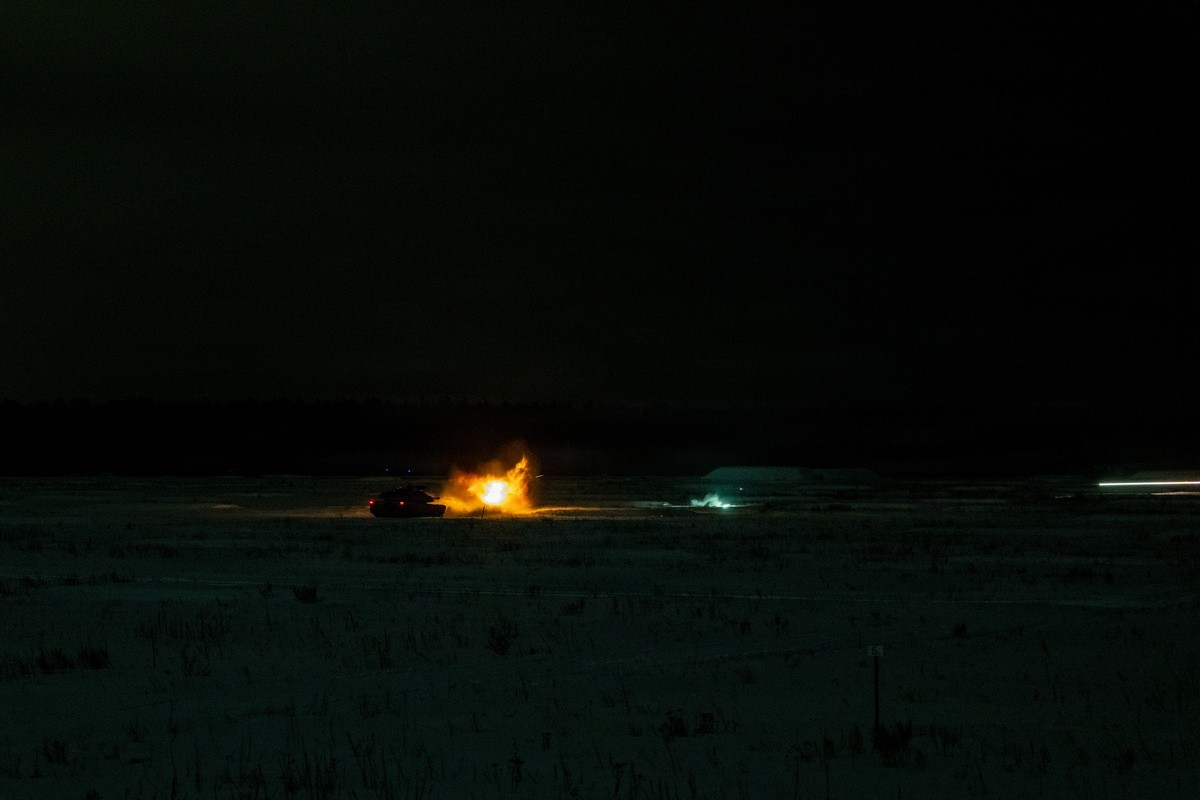
A target burns after being struck by an M1A2 Abrams tank during a live-fire exercise as part of Operation Warhorse Surge at Bemowo Piskie Training Area, Poland, Feb. 11, 2026. The nighttime iteration required tank crews to engage designated targets while maneuvering across snow-covered terrain. U.S. forces in Europe conduct routine training in Poland to enhance interoperability with NATO allies and maintain readiness along the alliance’s eastern flank.
(Photo Credit: U.S. Army photo by Sgt. Dakota Bradford)VIEW ORIGINAL
Prior to execution, platoons conducted troop-leading procedures and rehearsals using sand tables to visualize movement, fire control measures and breach operations. These preparations enabled leaders to coordinate responsibilities and ensure effective communication before entering the live-fire lanes.
Mounted iterations focused on crew coordination, target acquisition and engagement while maneuvering across restrictive terrain. Tank and Bradley crews executed live-fire engagements while maintaining dispersion and communication across the battlefield.
Dismounted infantry platoons assaulted and cleared trench systems during both day and night iterations. Soldiers maneuvered from vehicles to objectives, overcoming limited visibility, deep snow and physical fatigue while maintaining security throughout the trench network. Daytime lanes incorporated a deliberate breach initiated by Polish engineers, followed by a support-by-fire element that enabled Soldiers to seize and clear the objective.
1 / 3Show Caption +Hide Caption –
U.S. Soldiers assigned to 3rd Battalion, 8th Cavalry Regiment fire an M1A2 Abrams tank during a live-fire exercise as part of Operation Warhorse Surge at Bemowo Piskie Training Area, Poland, Feb. 11, 2026. The live-fire iteration integrated mounted maneuver and direct-fire engagement in subfreezing conditions to rehearse platoon-level combined-arms operations. U.S. forces in Europe conduct routine training in Poland to enhance interoperability with NATO allies and maintain readiness along the alliance’s eastern flank.
(Photo Credit: U.S. Army photo by Sgt. Dakota Bradford)VIEW ORIGINAL2 / 3Show Caption +Hide Caption –
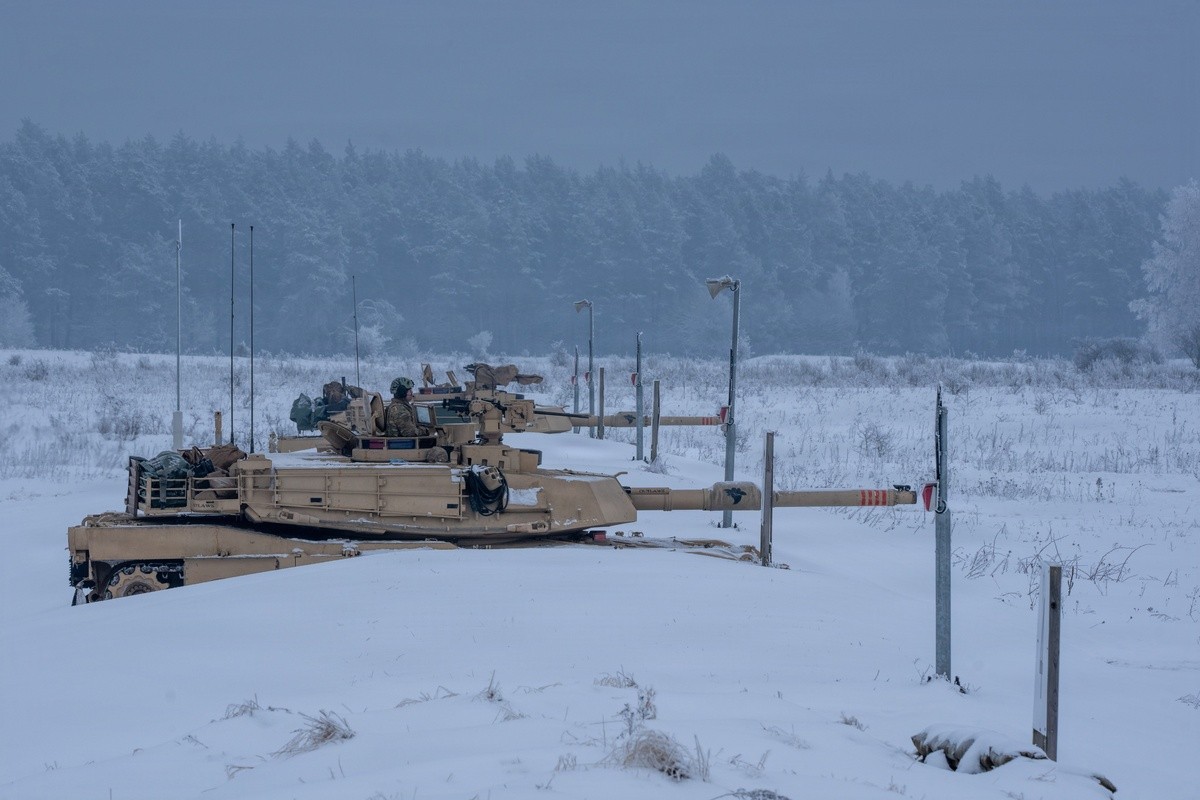
U.S. Soldiers assigned to 3rd Battalion, 8th Cavalry Regiment stage M1A2 Abrams tanks prior to a live-fire exercise during Operation Warhorse Surge at Bemowo Piskie Training Area, Poland, Feb. 11, 2026. The mounted training iteration prepared tank crews to maneuver and engage designated targets across snow-covered terrain in subfreezing conditions. U.S. forces in Europe conduct routine training in Poland to enhance interoperability with NATO allies and maintain readiness along the alliance’s eastern flank.
(Photo Credit: U.S. Army photo by Sgt. Dakota Bradford)VIEW ORIGINAL3 / 3Show Caption +Hide Caption –
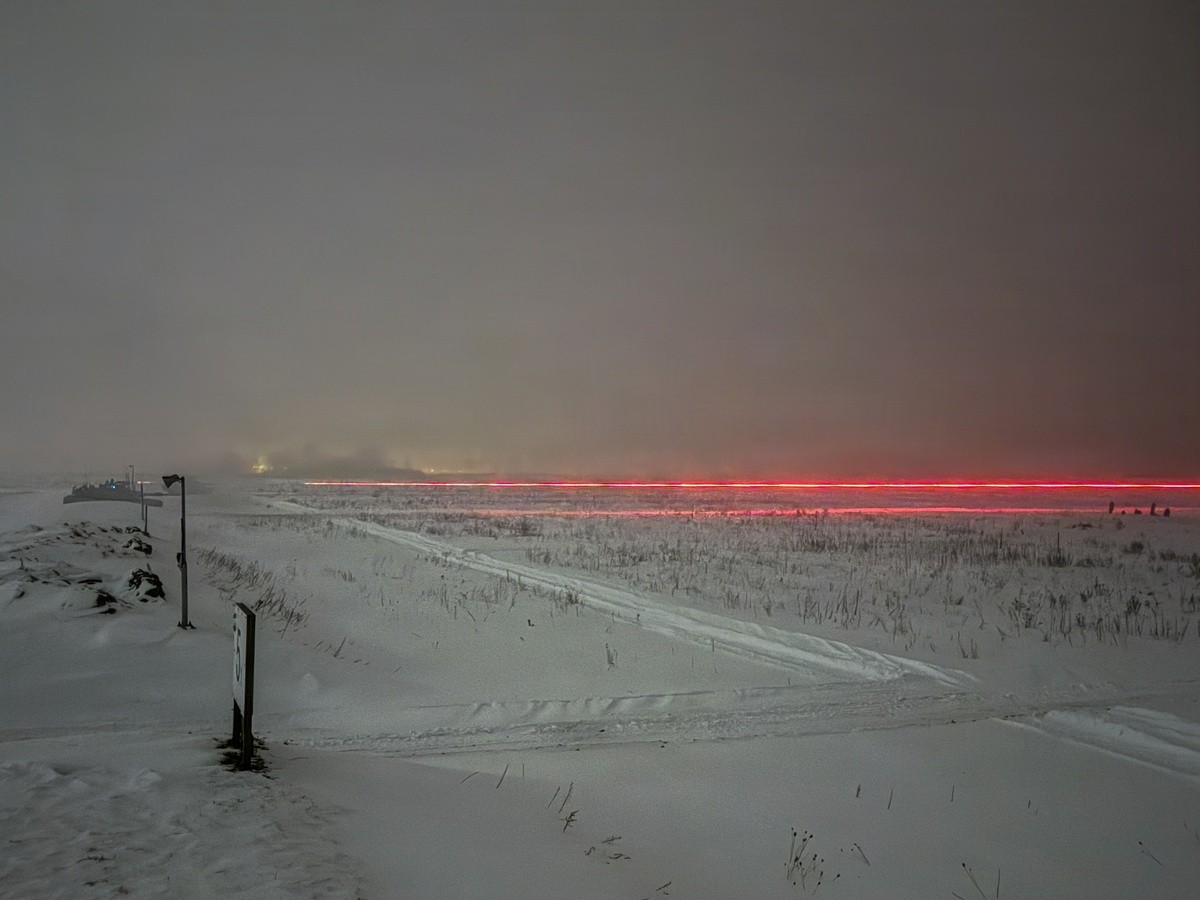
U.S. Soldiers assigned to 3rd Battalion, 8th Cavalry Regiment operate M1A2 Abrams tanks during the night live-fire portion of Operation Warhorse Surge at Bemowo Piskie Training Area, Poland, Feb. 9, 2026. Tracer ammunition provided visible projectile flight, which allowed tank crews to observe shot placement, make rapid fire adjustments and maintain accuracy while engaging targets in sub-zero temperature conditions, demonstrating the unit’s lethality and resilience during cold-weather operations. U.S. forces in Europe conduct routine training in Poland to enhance interoperability with NATO allies and maintain readiness along the alliance’s eastern flank.
(Photo Credit: U.S. Army photo by Sgt. Eric Allen)VIEW ORIGINAL
Night iterations added complexity through reduced visibility and target identification challenges. Soldiers engaged steel targets that provided audible confirmation of impacts while consolidating positions and defending against a simulated counterattack.
“The toughest part was keeping momentum in the snow and ice, but it pushed us to adapt and rely on each other,” said Pfc. Malcolm Melvin, a grenadier assigned to the unit.
Operation Warhorse Surge provided repeated opportunities for companies to assess combined-arms integration, communication and timing between mounted and dismounted elements. The training reinforced the battalion’s ability to conduct live-fire breaching and trench clearance operations in a cold-weather NATO training environment.




Social Sharing