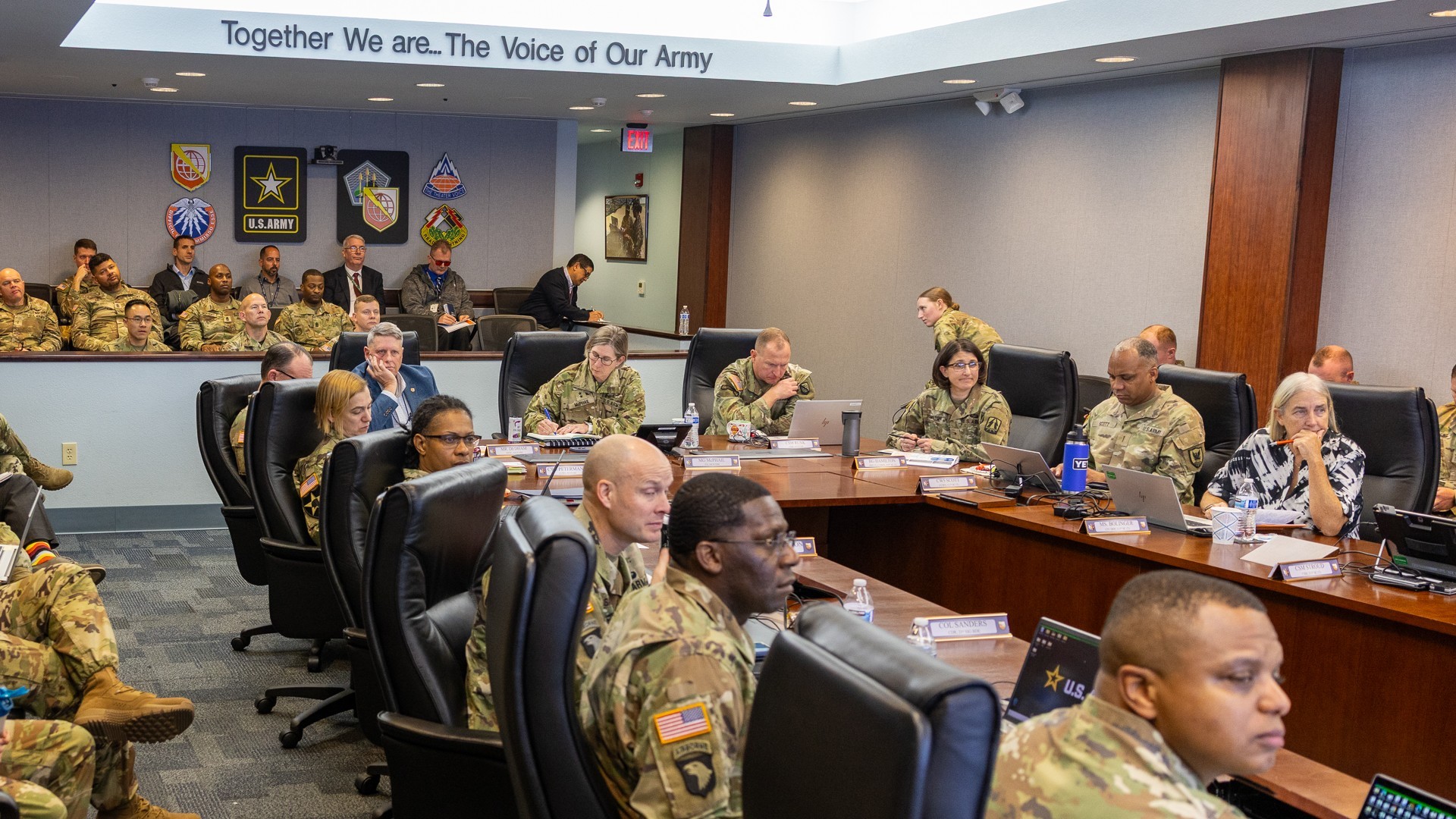
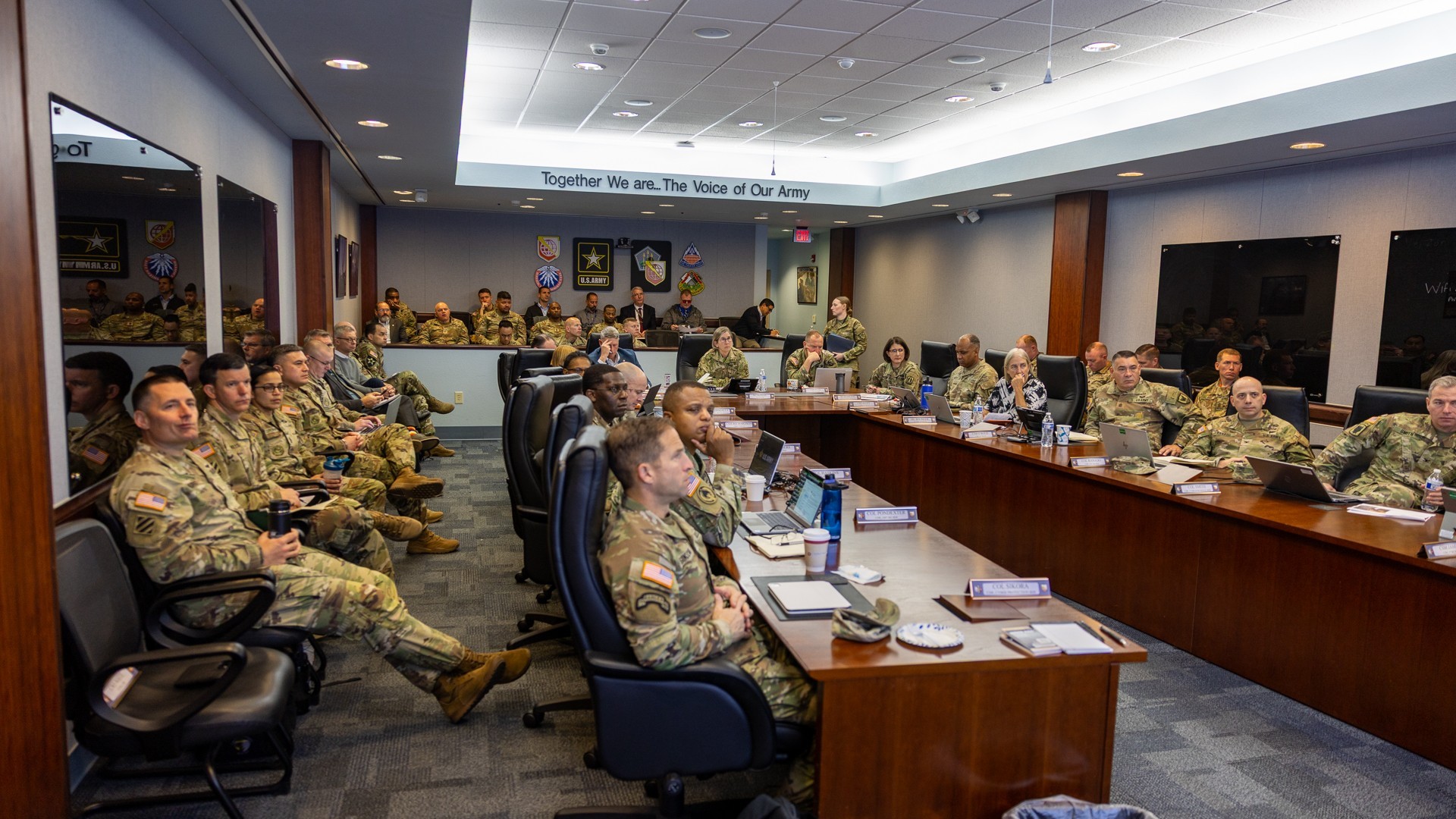
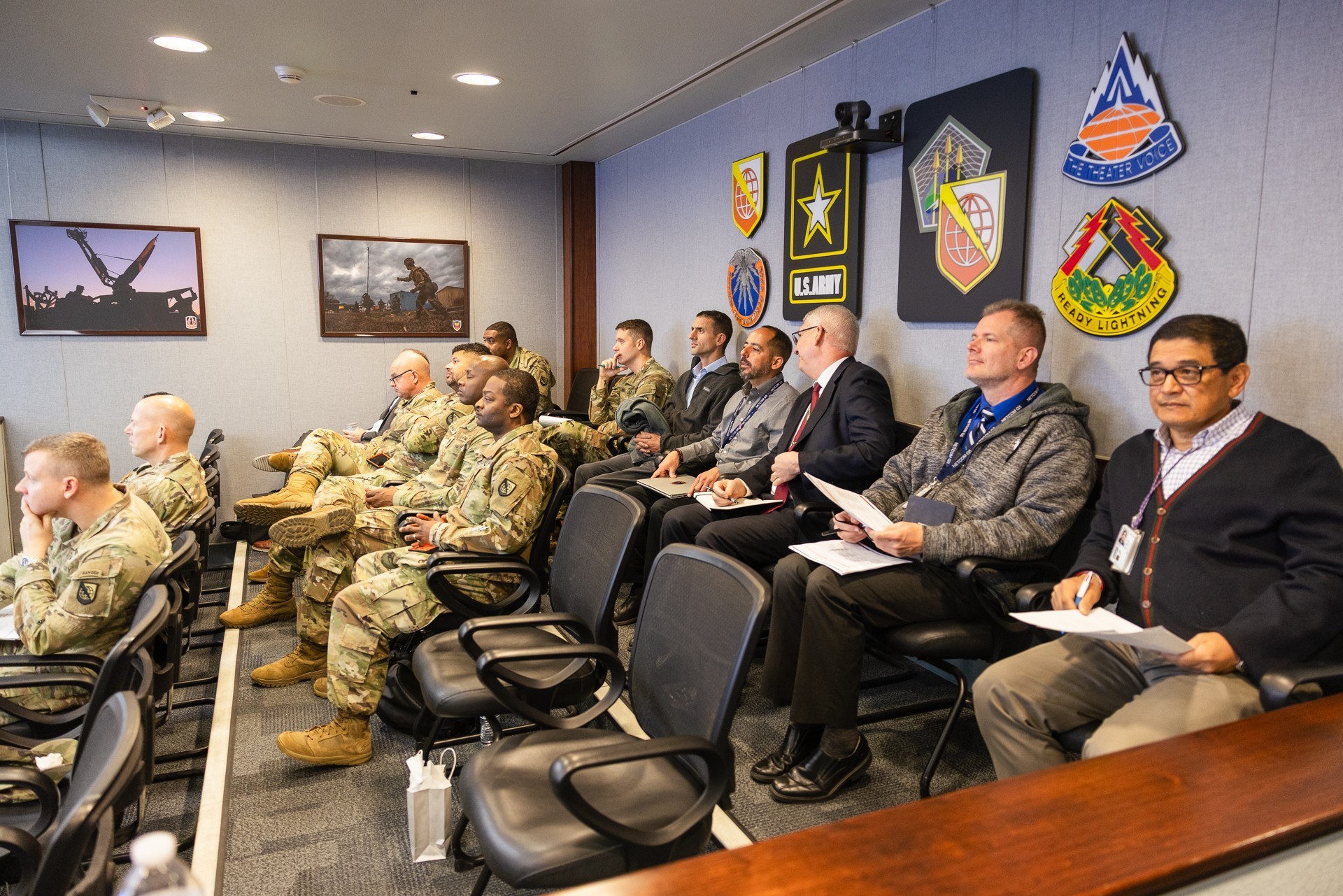
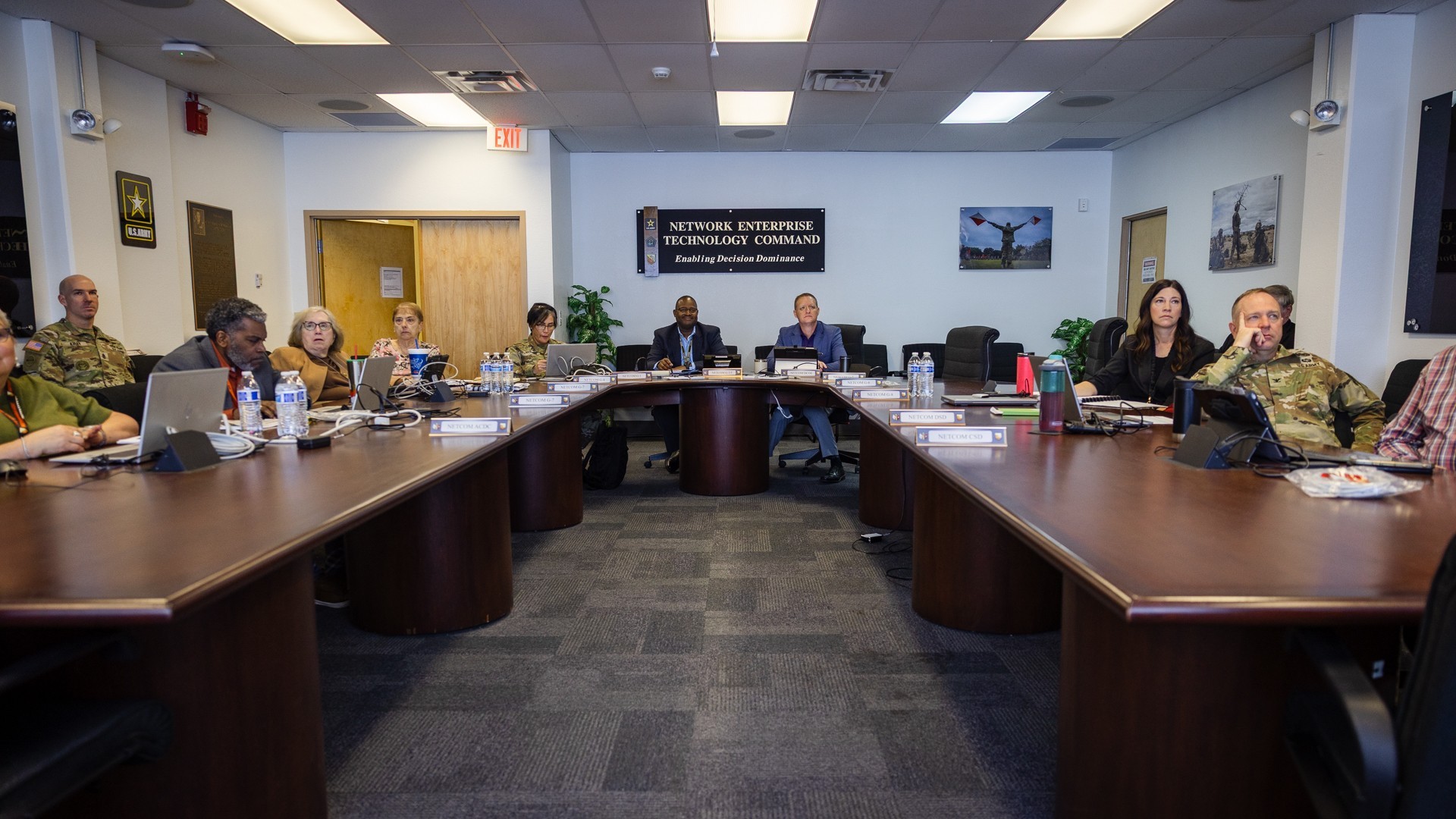
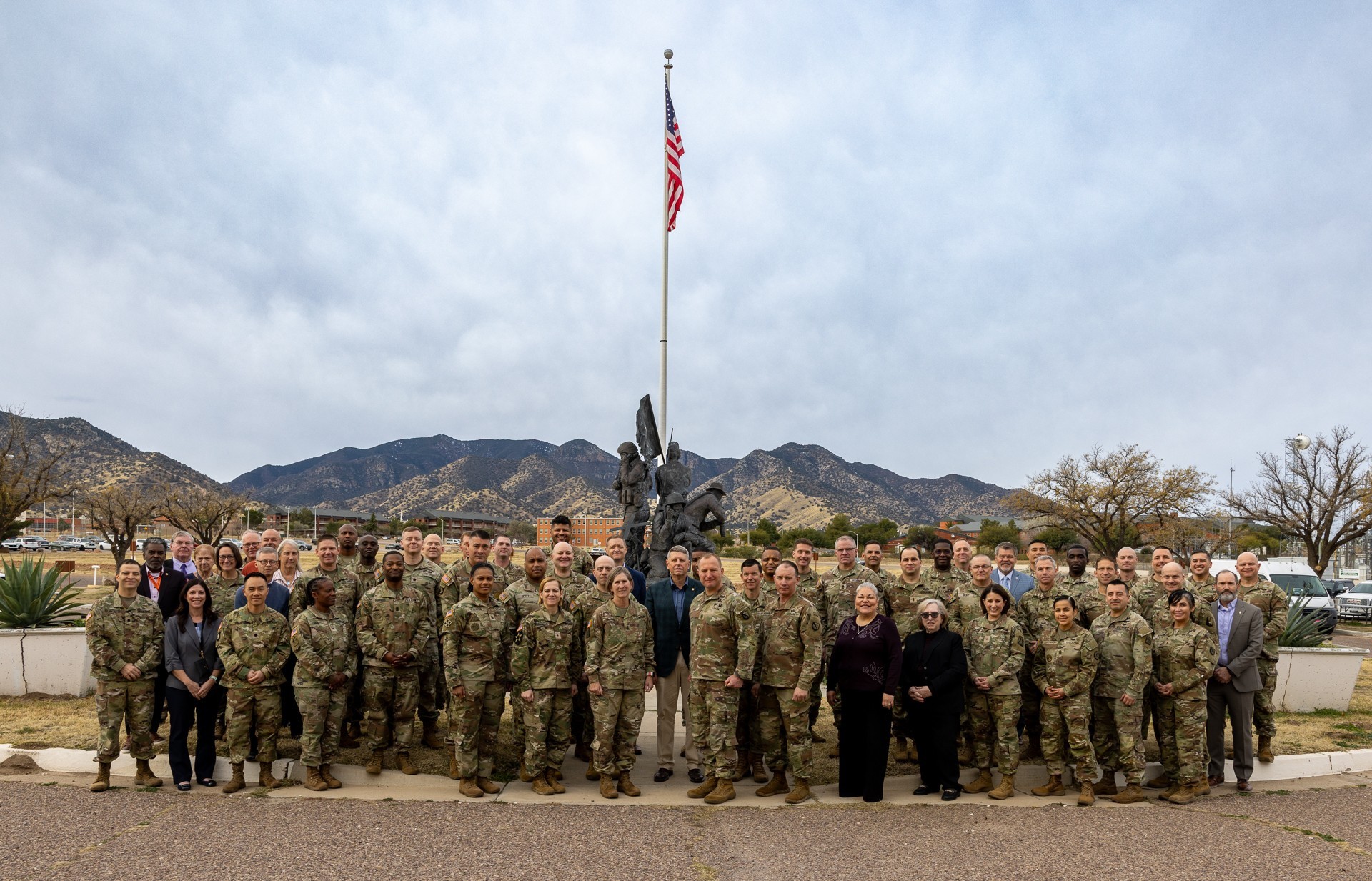
Fort Huachuca, AZ — The United States Army Network Technology Command (NETCOM) convened its annual Senior Leadership Development conference at NETCOM headquarters on Fort Huachuca, drawing senior leaders from across the enterprise, subordinate units, and global posts. Hosted by NETCOM Commanding General Major General Jacqueline “Denise” McPhail, the gathering focused on the command’s expanding role in enabling multi-domain operations through a globally integrated information technology platform.
The conference opened with remarks from Army Cyber Command (ARCYBER) Commanding General, Lieutenant General Christopher Eubank, who framed ARCYBER’s ongoing transformation as a decisive step in “setting the land domain through the cyber domain.” Eubank emphasized how tight integration between cyberspace operations and land forces is reshaping the battlespace, and how commands like NETCOM are central to that evolution.
Major General McPhail followed, outlining NETCOM’s pivotal mission: to serve as the Army’s global IT platform and to lead global operations for the Army’s portion of the Department of War Information Network (DOWIN). She described NETCOM’s imperative to ensure freedom of maneuver in cyberspace for friendly forces while denying that freedom to adversaries — a core enabler for multi-domain operations. Under her stewardship, NETCOM’s vision is clear: be the premier information service provider worldwide, empowering commanders with decision advantage and superior command-and-control capabilities.
Global integration and a theater-focused posture featured prominently in presentations and discussions. NETCOM’s distributed structure—anchored by Regional Cyber Centers in Europe, the Pacific, Southwest Asia, and Korea, and supported by signal brigades stationed from Germany to Afghanistan to Korea—was cited as key to sustaining a persistent, worldwide footprint. Leaders highlighted how that presence permits tailored regional support while maintaining unified global operations.
Operational statistics underscored the scale of NETCOM’s enterprise: roughly 10,000 annual Satellite Communications missions that support warfighting operations, nuclear command, control and communications (NC3), and other critical tasks; synchronized theater operations across three theaters within a secured global cyber domain; and mission support spanning 24 countries for warfighters, families, and enablers alike. Regional Hub Nodes and Strategic Teleports underpin that reach, providing the infrastructure necessary for seamless, theater-to-theater connectivity.
A major thread of the conference was NETCOM’s role in unifying the Army’s IT platform. Attendees reviewed how Army Unified Directory Services (AUDS) enable seamless global movement of users and devices within a single identity domain, and how the Army Global Unified Network (AGUN) acts as a software-defined integrated transport fabric serving as the security and transport backbone. The Global Secure Network (GSN) was discussed as a resilient enhancement to mission command and support for secure internet protocol networks, offering multi-site access, mobile and wireless capabilities, and data-at-rest protections that reduce reliance on traditional encryption devices.
NETCOM also highlighted its portfolio of unified services — from Army 365 tenancy and Army.mil support to unified Security, Information and Event Management (U-SIEM), the Army IT Service Desk (AESD), and Endpoint Security Services (AESS). Eleven enterprise data centers, strategically positioned to align computing and storage with mission owners, were presented as central to standardizing and consolidating IT resources across the force.
Looking ahead, NETCOM framed itself as a catalyst for Next Generation Command and Control. The command’s push toward data-centric operations and advanced capabilities intends to preserve decision advantage for commanders at every echelon. AGUN’s design prioritizes data-driven decision making at the tactical edge, and Theater Signal Brigades are driving continuous modernization through 41 distinct technology initiatives aimed at enhancing global warfighting and power projection.
Speakers detailed significant resourcing to match ambition: operational funding for global application delivery and sustainment of warfighting C2, plus funding earmarked for global warfighting C2 and data integration efforts. Technology investments include support for 252,000 Azure Virtual Desktop instances to enable flexible, device-agnostic access at the edge, and a targeted investment in artificial intelligence to advance data science capabilities across NETCOM and Army Service Components.
As the conference closed, leaders left with a reinforced sense of purpose: NETCOM’s global integration, unified delivery of the Army’s IT platform, and investments in data-centric C2 are more than organizational priorities, they are foundational elements shaping how the Army will operate in contested environments. The command’s work to enhance DOWIN-A security, expand theater-focused operations, and modernize infrastructure seeks to ensure when the next conflict demands rapid, distributed decision-making, Army commanders will have the connectivity and information advantage they need.



Social Sharing