This article and accompanying videos are part of a series that will delve into the history of the Bataan Memorial Death March, which will take place at White Sands Missile Range on March 21, 2026.
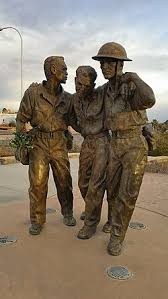
The Bataan Death March, which began on April 9, 1942, was a brutal, forced transfer of approximately 75,000 Filipino and American prisoners of war (POWs) by the Japanese Imperial Army after the Battle of Bataan in the Philippines during World War II. This event is widely recognized as a major World War II war crime due to the extreme brutality and high death toll.
After the Japanese attack on Pearl Harbor in December 1941, they invaded the Philippines. U.S. and Filipino forces, though short on supplies and suffering from disease and starvation, defended the Bataan Peninsula for 99 days, significantly delaying the Japanese advance. The largest army under American command ever surrendered, they were eventually overcome and ordered to surrender on April 9, 1942.
The Japanese military was unprepared for the substantial number of prisoners and did not provide adequate food, water, medical care, or shelter for the march to a prison camp 65 miles away. The journey for the men, already exhausted and ill from months of fighting, became an ordeal of horrific abuse and neglect.
The POWs were forced to march about 65 miles in intense tropical heat and humidity. The march typically took groups of around 100 men about five days to complete.
Japanese guards committed countless atrocities, viewing the surrender of the soldiers as a shameful act. Prisoners were beaten with rifle butts, shot, or bayoneted for little or no reason, such as slowing down or attempting to get water from stagnant puddles. Sympathetic Filipino civilians who tried to offer food or water were also subject to execution.
The walking portion ended at San Fernando, where survivors were packed into overcrowded, unsanitary boxcars for transport to Capas, a journey where many died from heat exhaustion and suffocation. From Capas, they marched a final seven miles to their destination.
The suffering did not end with the march. The destination, Camp O'Donnell, and later Camp Cabanatuan, featured deplorable, overcrowded conditions where thousands more died of disease, starvation, and continued abuse. The survivors endured forced labor and many later perished on unmarked "hell ships" taking them to Japan as slave laborers.
Estimates for the dead vary, but thousands perished during and after the march. Roughly 2,500 Filipinos and 500 Americans died during the march itself, with an additional 26,000 Filipinos and 1,500 Americans dying at Camp O'Donnell.
New Mexico holds a profound and unique connection to the Bataan Death March. The New Mexico National Guard’s 200th Coast Artillery (AA) and 515TH Coast Artillery (AA) were often referred to as the "New Mexico Brigade", with the 200th (AA) being the first U.S. unit to fire on the Japanese following the attack on Pearl Harbor.
New Mexico sent 1,816 men to the Philippines; only 987 survived the war. Half of the contingent died either during the march, in the brutal POW camps, or on hell ships while being transported to Japan for forced labor. Because of the high concentration of New Mexicans in that theater, the state suffered the highest per-capita casualty rate of any U.S. state during World War II.
After the war, the Japanese commander responsible, Lt. Gen. Masaharu Homma, was tried by an American military tribunal, convicted of war crimes, and executed.
The legacy of the Bataan Death March continues to be remembered through memorials and annual events, such as the Bataan Memorial Death March at White Sands Missile Range in New Mexico, honoring the sacrifices of those who endured the ordeal.
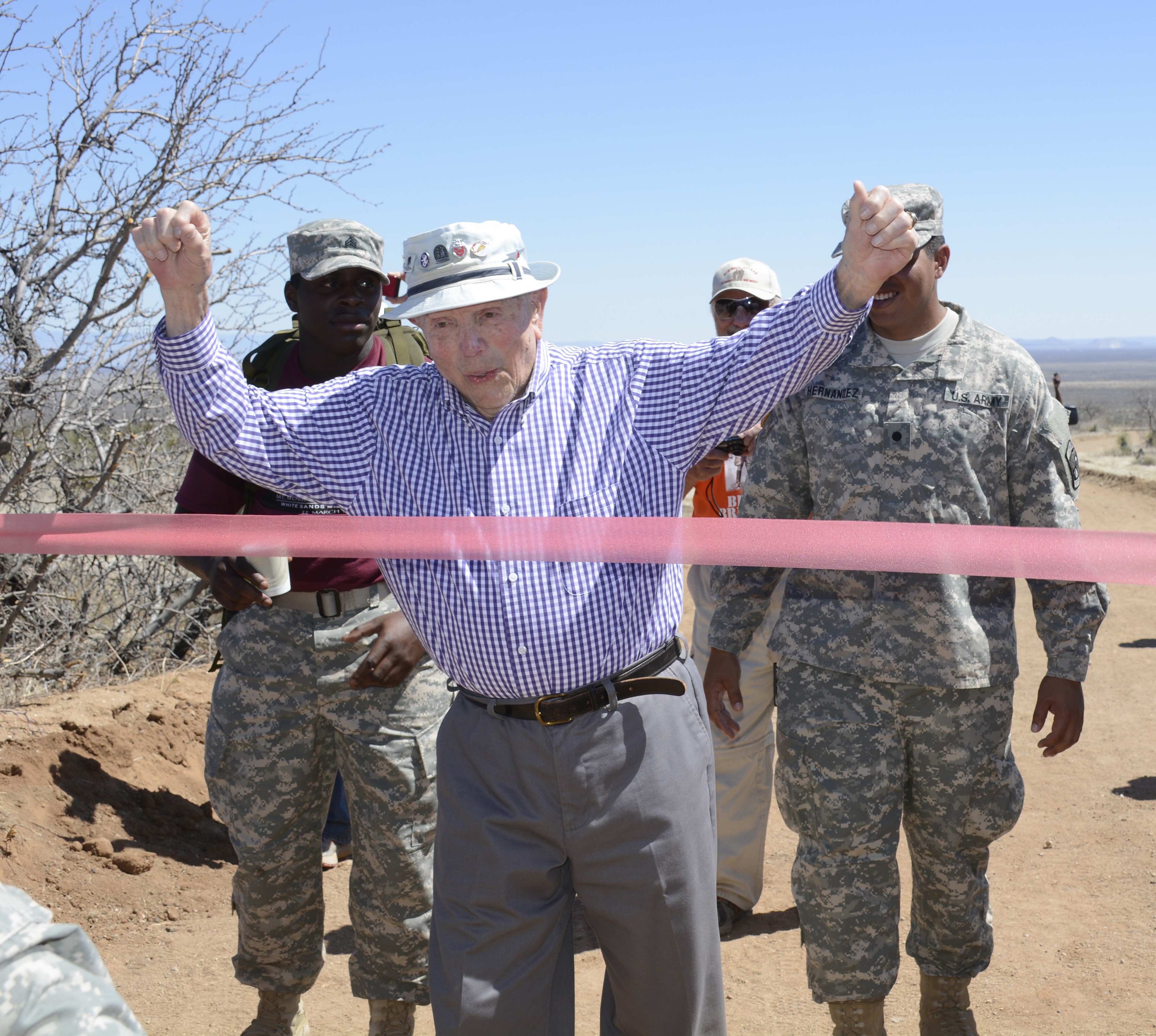
Ben Skardon, who died in 2021, was a highly decorated U.S. Army Colonel, a Clemson University alumnus, and a WWII hero renowned as the only known survivor of the infamous Bataan Death March to walk in the annual memorial march at White Sands Missile Range until he was 101. A prisoner of war for over three years, Skardon survived brutal conditions, earning two Silver Stars, a Bronze Star, and a Purple Heart before returning to teach English at Clemson for over 20 years, inspiring many with his story of resilience.
Social Sharing