FORT HUACHUCA, Az. - The U.S. Army Information Systems Engineering Command has had a transformative year, marked by significant advancements in communications security and installation resiliency.
This strategic shift is complemented by a rigorous focus on communications security, with the Communications Security Logistics Activity conducting comprehensive audits and providing global on-the-ground support to protect vital information. Foundational to this entire effort is the concept of installation resiliency, which reimagines Army bases as secure, critical hubs for training, transportation and sustainment, ensuring the force can project power effectively and withstand diverse threats.
Communications security support realigns to further Army continuous transformation effort
CSLA is set to transform its support delivery starting in FY26 to better meet modern challenges. The realignment will see traditional sustainment and logistics functions remain with the Communications-Electronics Command Integrated Logistics Support Center, while operational missions will shift to USAISEC. This transition, which will occur gradually, aims to maintain seamless COMSEC support with minimal disruption. The operational missions will be renamed the Communications Security Directorate, and the sustainment functions will be called the Tactical Radios and Cryptographic Systems Branch. CSLA is committed to ensuring continued high-quality support and addressing any challenges during this transition.
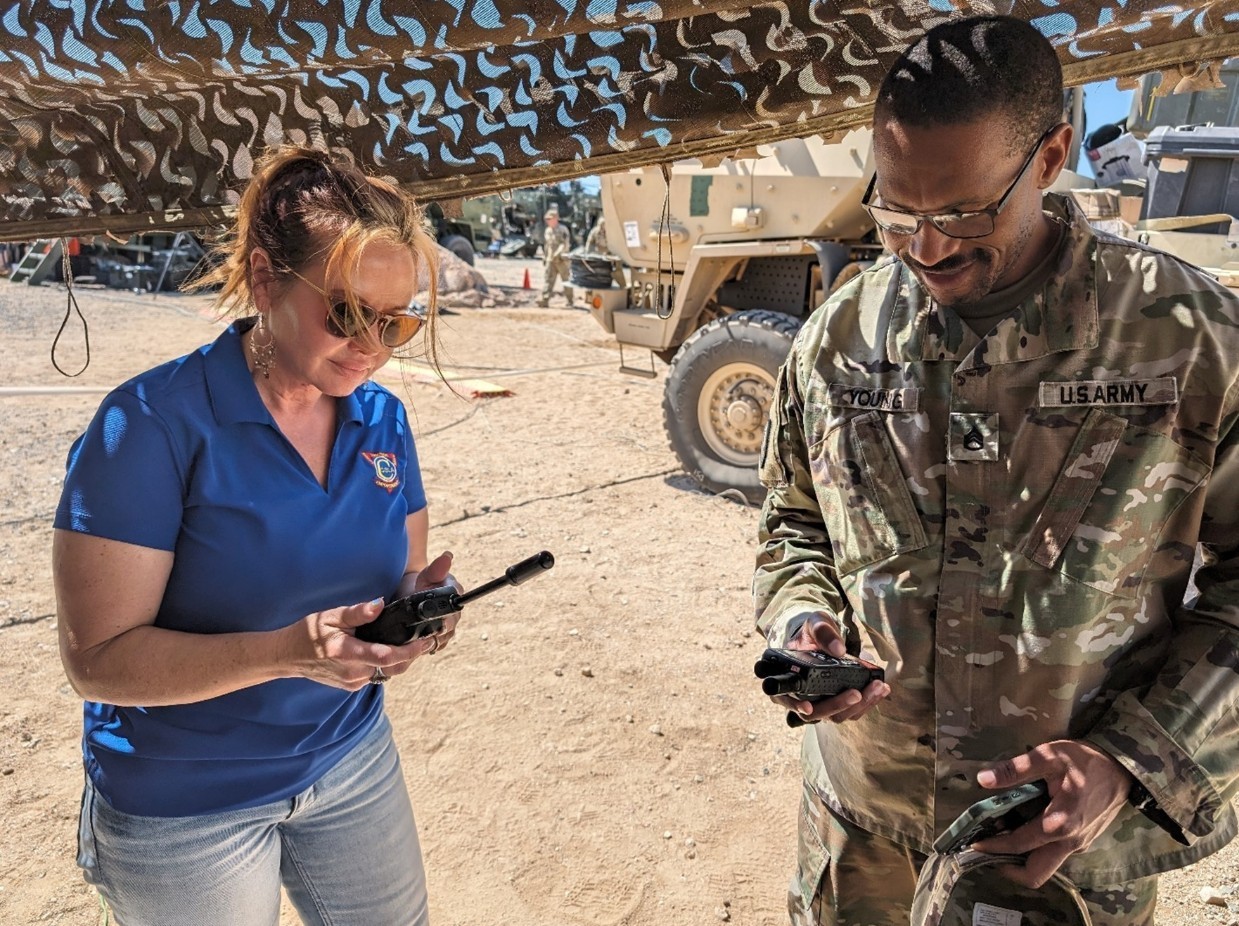
Enabling mission success: CSLA at your CIR-vice
CSLA provides comprehensive logistics and operational support for communications security equipment and cryptographic keys. Their network of COMSEC InfoSec Representatives offers virtual and on-site expertise and training to Army units worldwide, ensuring secure communications in complex operational environments.
Army Transitioning Warfighting Mission Through Installation Resiliency
The U.S. Army is prioritizing installation resiliency as a critical component of its warfighting mission, recognizing that bases are more than just housing and training facilities but are vital hubs for transport, sustainment, and power projection. This transformation involves modernizing installations to meet emerging demands, ensuring they are safe, secure, and resilient against a variety of threats, including weather, natural disasters, and foreign or domestic interference. A key element of this effort is ensuring reliable energy and water, with USAISEC playing a significant role in providing engineering and cybersecurity support for information technology at installations globally, impacting everything from the Army's metering program to major construction projects.
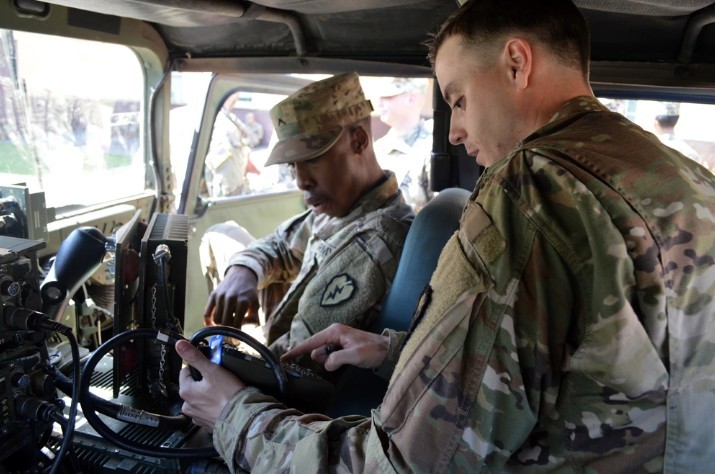
The Army’s Communications Security audit and inspection program
CSLA is adopting a "Fords Against Ferraris" philosophy to guide the Army of 2040, emphasizing simplicity and mass production in its equipment and force design. Drawing lessons from the war in Ukraine, this approach favors simple, sustainable, and easily producible weapons systems over technologically advanced but complex and difficult-to-maintain equipment. This strategy, aimed at generating and sustaining combat power for large-scale operations, is influencing the Army's modernization efforts, including the development of new vehicle platforms with common components through a Modular Open Systems Approach.
K. Brian Gold and Steven Downer contributed to this reporting.
Social Sharing