

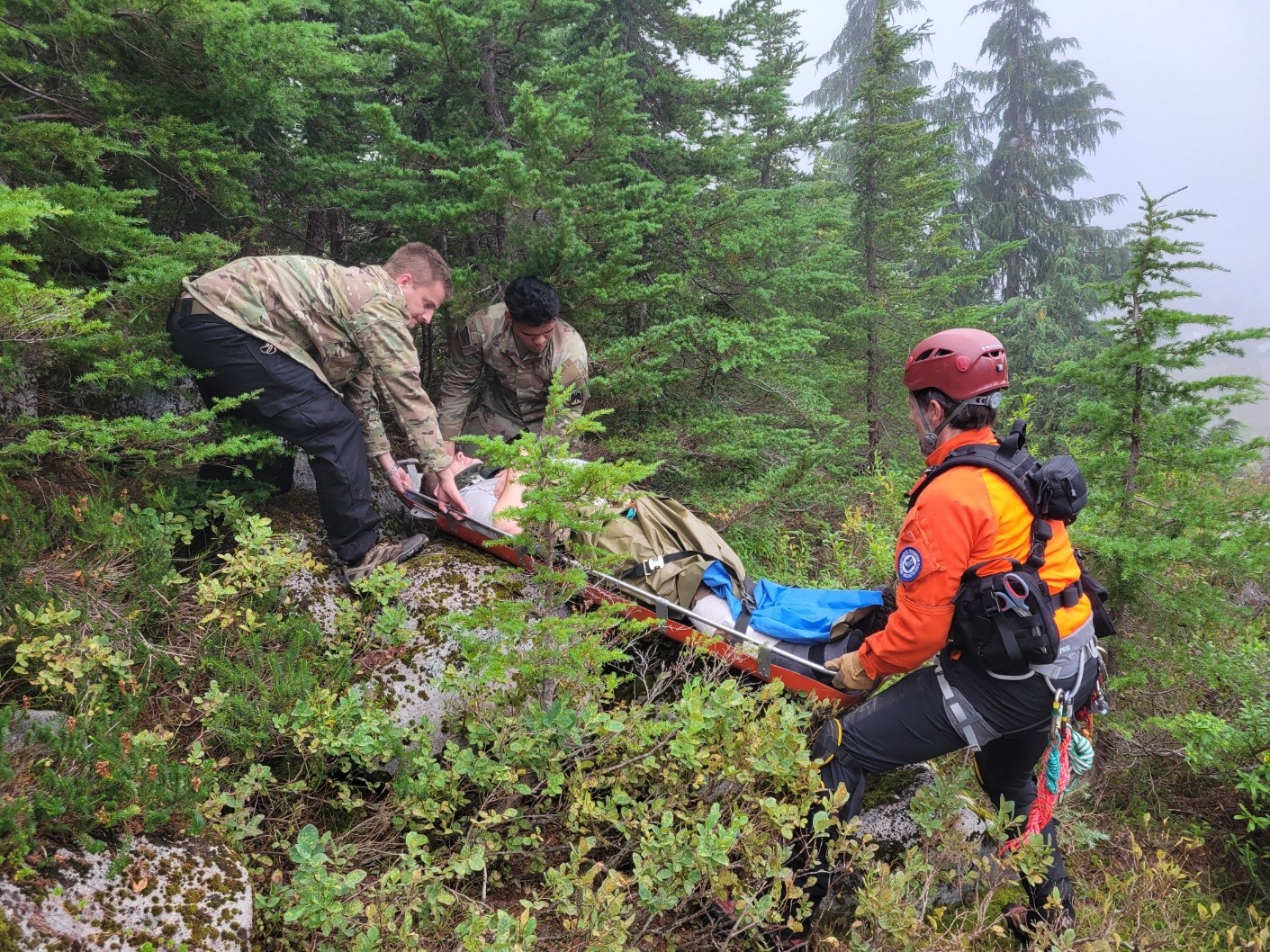
JOINT BASE LEWIS-McCHORD, Wa. — The 16th Combat Aviation Brigade (CAB), based out of Joint Base Lewis-McChord (JBLM), has been actively showcasing what it means to be part of a premier aviation unit. This summer, the 16th CAB participated in a range of high-profile operations, including Deck Landings with the United States Navy, the Launched Effects Special User Demonstration (LE-SUD), Joint Interagency Training on Prolonged Field Care, and Super Garuda Shield 2025, all while completing their annual training requirements.
As part of the 16th CABs mission in the Indo-Pacific region, the 16th CAB has prioritized not only flying over water but also training to fight over water as well. Operating in this region requires frequent training alongside Allies and Partners in countries such as Japan, Indonesia, Thailand, India, Australia, and others. Over the past several years, the 16th CAB has been refining its skills and working closely with the United States Navy to ensure seamless communication with aircraft carriers. This collaboration enables 16th CAB pilots to execute their missions effectively while contributing to the broader objective of the Department of War (DoW)—achieving peace through strength.
Deck landing training is a routine and essential exercise for the 16th CAB to ensure seamless communication and coordination with the United States Navy. These operations involve landing and conducting missions from the decks of maritime vessels, such as the U.S. Navy and partner nation surface warfare ships. Deck landings are critical because they significantly enhance the brigade’s combat radius by providing refueling options, staging areas for air assaults, and resupply nodes for land-based operations. With the 16th CAB’s area of responsibility (AOR) spanning the Indo-Pacific, maintaining readiness to respond anywhere at a moment’s notice remains a top priority.
"Deck landings provide an excellent opportunity for air crew members to train alongside our sister services," said CW2 Travis Alexander, a UH-60 Blackhawk Instructor pilot assigned to the 2-158 Aviation Battalion. "These exercises significantly enhance our lethality by enabling us to complete missions more efficiently and provide critical support to the warfighters on the ground."
Recently, the 16th CAB conducted deck landing training with the USS John Paul Jones near the Straight Juan de Fuca, focusing on crisis communication and refueling operations. The key objectives of the training included familiarizing crew members with landing on confined spots over water, often with limited visual references or lighting at night. These qualifications are among the most challenging training exercises for pilots and crew chiefs.
With a robust deck landing program, the 16th CAB ensures that no area within its AOR is inaccessible. This collaboration underscores the importance of joint training in enhancing mission readiness and interoperability between the Army and Navy.
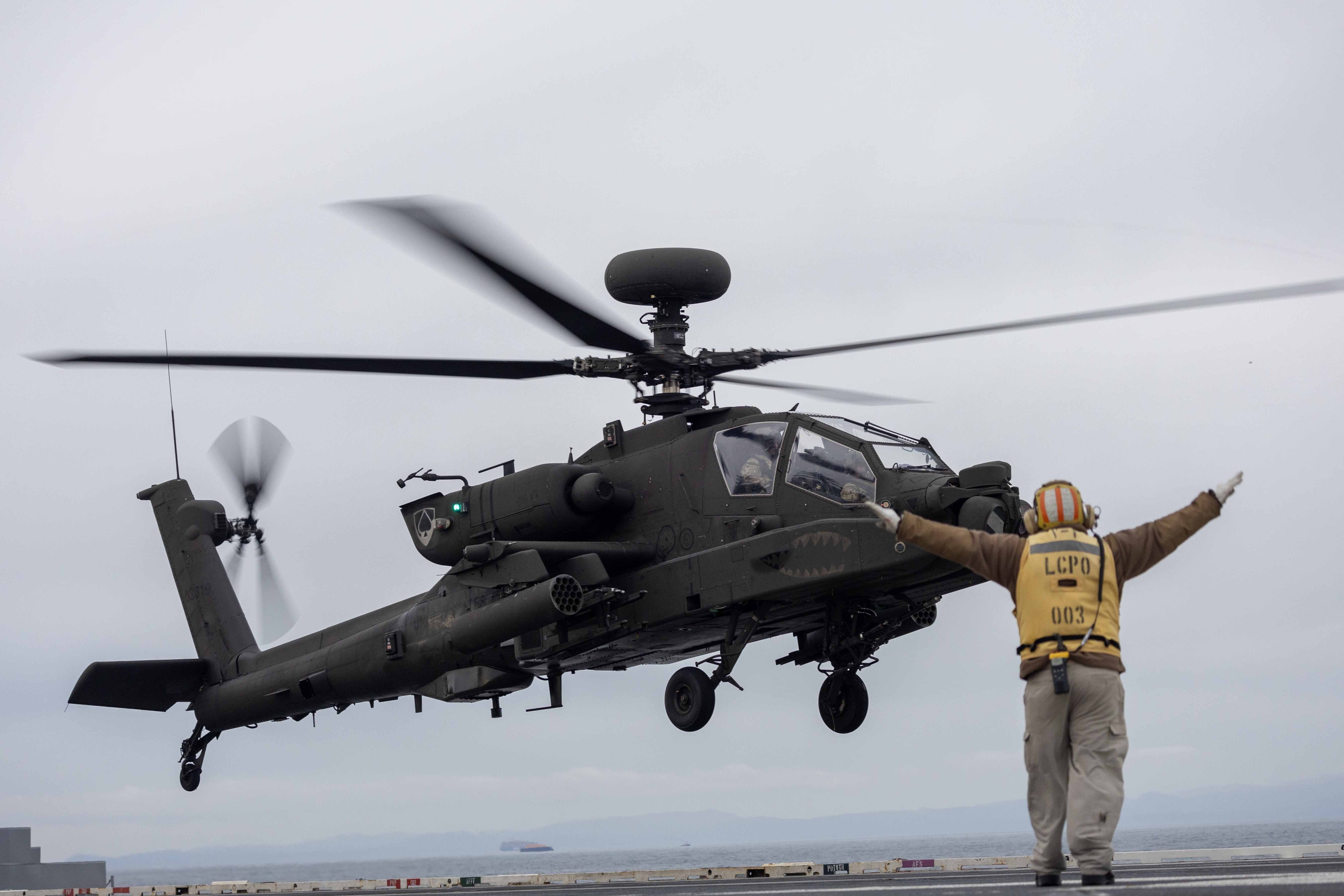
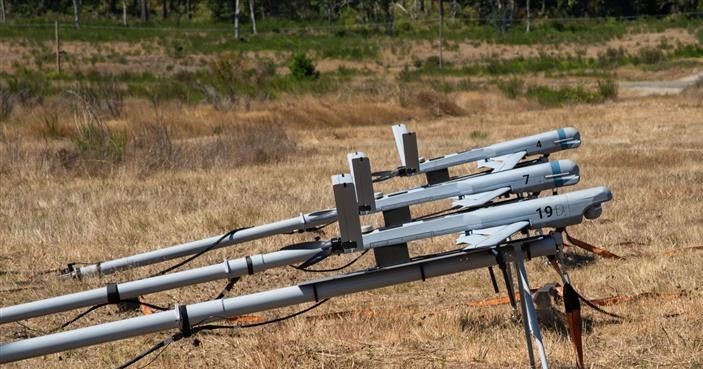
The 16th CAB recently participated in a Special User Demonstration (SUD) to test the Launched Effects – Short Range (LE-SR) systems, an innovative technology designed to enhance battlefield capabilities. These systems, developed by industry leaders such as AEVEX Aerospace, Anduril Industries, and Raytheon, are innovative, lightweight, autonomous platforms. Unlike traditional drones or loitering munitions, they are designed to target and surveil enemy forces while delivering precision kinetic strikes to high-value targets in challenging and austere environments.
During the demonstration, Soldiers from the 16th CAB successfully set up and launched the LE-SR systems from a Joint Light Tactical Vehicle (JLTV). This showcased the LE-SR’s ability to operate efficiently and effectively in dynamic environments. The SUD highlighted the portability, autonomy, survivability, and interoperability of these systems, which are essential for their integration into operational units in the near future.
"Launched Effects will increase both our lethality and survivability here in the 16th CAB," said CW2 Robert Boland, an Apache pilot assigned to the 4-6 Air Cavalry Squadron. "Their payloads, mobility, and user-friendly intuitive controls make Launched Effects systems a highly effective tool for warfighters."
This demonstration highlights the Army’s commitment to advancing innovation and equipping soldiers with cutting-edge technologies to improve lethality, situational awareness, and adaptability on the modern battlefield. By collaborating with industry partners and refining tactics, the Army ensures it remains agile and prepared to meet the demands of future conflicts.
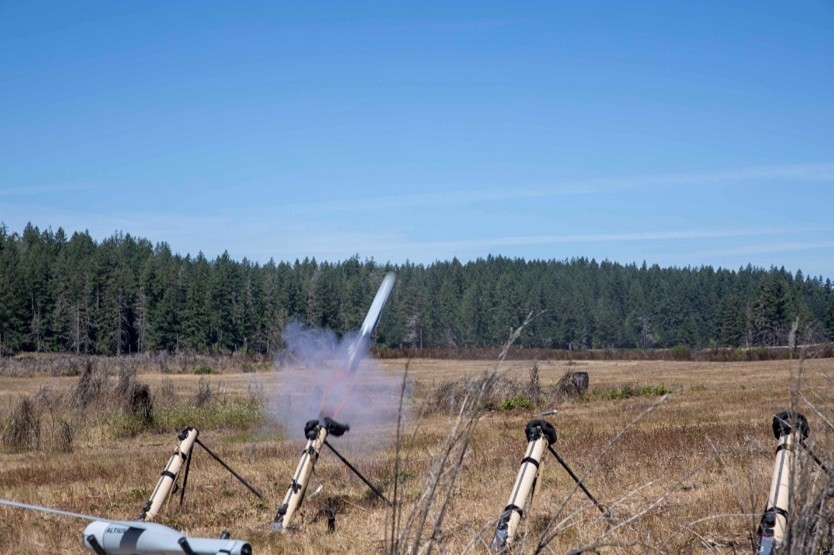
Part of the 16th CAB mission is to be prepared to support and care for soldiers and civilians in austere environments. To ensure readiness, soldiers from the 16th CAB participated in a rigorous training event at Mt. Pilchuck, Washington, located about three hours north of JBLM. This training incorporated members from US Army, Navy, Snohomish County Search and Rescue and Helicopter Rescue team to ensure medics are capable of providing lifesaving care in harsh and challenging conditions.
During the event, soldiers were trained and evaluated on rigging operations, casualty movement across difficult terrain, and advanced medical procedures, including finger thoracostomy, cricothyroidotomy, field amputations, and intubations. The training culminated in a 24-hour prolonged field care exercise, where soldiers were closely monitored and assessed on their ability to perform advanced medical techniques and transport casualties through the rugged terrain of the Cascade Mountain Range.
“This training proves to me that no matter the conditions, we can adapt and overcome any challenges,” said PFC Joshua Liwai, a medic for the Headquarters and Headquarters Company assigned the 16th CAB. “I got over my fear of heights by having faith and trust in those around me. This training made me a more proficient medic in the ever-changing field conditions.”

VIEW ORIGINAL
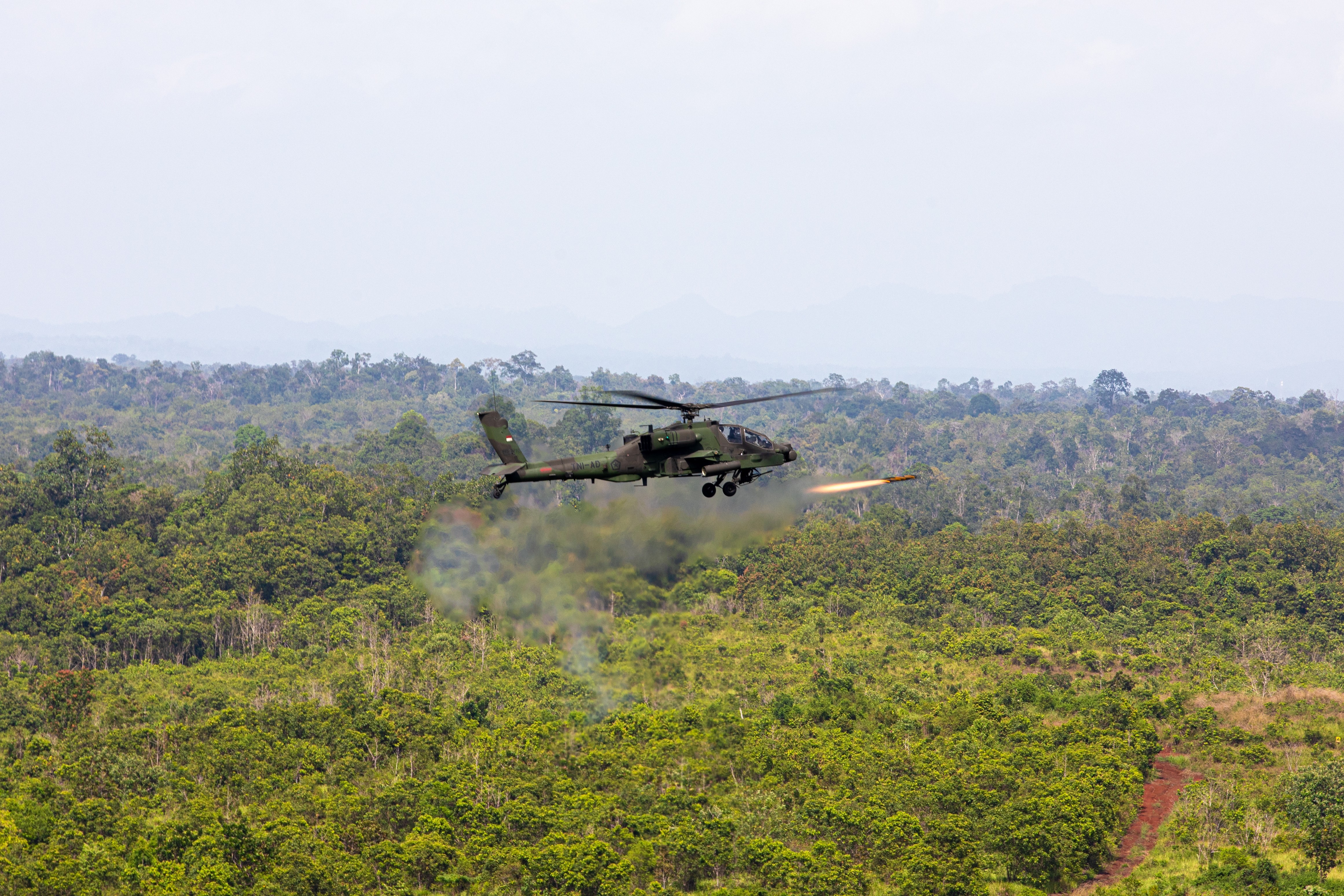
To close out a busy and productive summer, the 16th CAB participated in Super Garuda Shield 2025, held in Baturaja, Indonesia. This was the largest iteration of the exercise to date, and the 16th CAB provided critical attack aviation support throughout the event, working alongside Allies and Partners to strengthen relationships and enhance collective lethality.
The brigade played a key role in the Land Joint Strike, a planned sequencing of platforms to mass fires. The operation began with intelligence, surveillance, and reconnaissance (ISR) detection of enemy formations, followed by engagements from Australian F-35s, Indonesian F-16s, and U.S. AH-64s. Indonesian AH-64s then joined the exercise, followed by coordinated rocket artillery strikes from Indonesian and U.S. platforms, including Artillery Saturation Rocket System (ASTROS), Vehicle—Agnostic Modular Palletized ISR Rocket Equipment (VAMPIREs), and High Mobility Artillery Rocket System (HIMARS). This collaborative effort demonstrated the ability to integrate multinational forces and platforms to achieve mission success.
"Participating in Super Garuda Shield was a truly eye-opening experience," said Capt. Patrick Falk, an Apache pilot and Troop Commander assigned to the 4-6 Air Cavalry Squadron. "Arriving in Indonesia and witnessing how effectively each country worked together clearly demonstrated the success and importance of this exercise. I’m proud that the 16th CAB played a role in showcasing the collective lethality of our alliances."
The 16th CAB’s contributions included the only U.S. attack aviation platform, participating in the Jungle Field Training Exercise (FTX), Joint Fire Observer (JFO) dry and live-fire training, and the Land Joint Strike. The Brigade worked closely with Indonesian aviation units as well as Australian Joint Terminal Attack Controller (JTACs) and JFOs embedded in ground formations.
This exercise highlighted the operational capabilities of the 16th CAB and reinforced the importance of teamwork, strengthening relationships with our allies and partners, and collaboration in achieving shared mission success.

“I am extremely proud of all our Soldiers and aircrews and the readiness they have built over the past several months,” said Col. Tyler Cody, the 16th CAB Brigade Commander. Our soldiers continue to train across a wide array of aviation operations in order to be prepared for a very complex mission in the INDOPACOM AOR.”
In summary, the 16th CAB has had a busy yet highly successful summer, exemplifying what it means to be "Born in Battle"—a slogan that signifies their commitment to warfighter readiness. The 16th CAB successfully completed training exercises across the globe, showcasing their lethality and adaptability in environments ranging from overwater to land.
Social Sharing