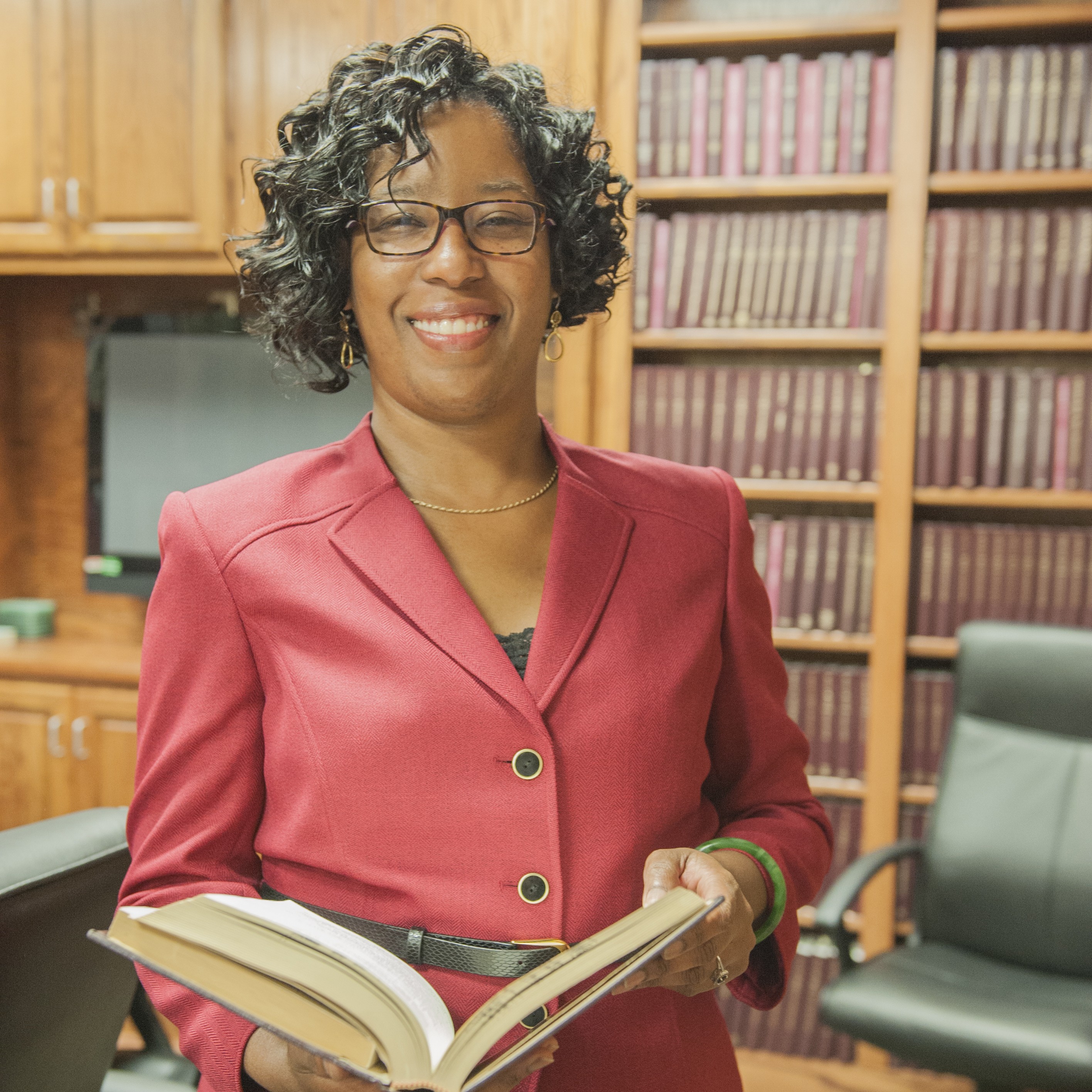
For LaVette Lyas-Brown's family, learning about and commemorating the contributions of African Americans was a continuous process, not just a month on the calendar. Though she and her family members did use that time of enhanced attention to reflect on the past and hopes for the future.
"My family has always viewed Black History Month as an important time to acknowledge the African Americans who are an essential part of this country's diverse history," said Lyas-Brown. "
She recalls growing up and how the history lessons she learned in school often had gaps, especially when it came to minority contributions.
Her parents taught her to read history from multiple sources - not only her school history books, but the encyclopedias in their home as well. From those, she saw the past stretching all the way back to ancient times.
"As a young child, my grandparents, parents and other relatives shared their personal experiences from growing up in the Deep South and by living through segregation and the Civil Rights movement. I gained a deeper understanding from my family's oral history on African Americans which often was missing from my history books at school," she said.
Her parents also kept books about African American history at home for her to read.
"I was very proud of my African American heritage at an early age and shared my knowledge with my friends and teachers at school," said Lyas-Brown.
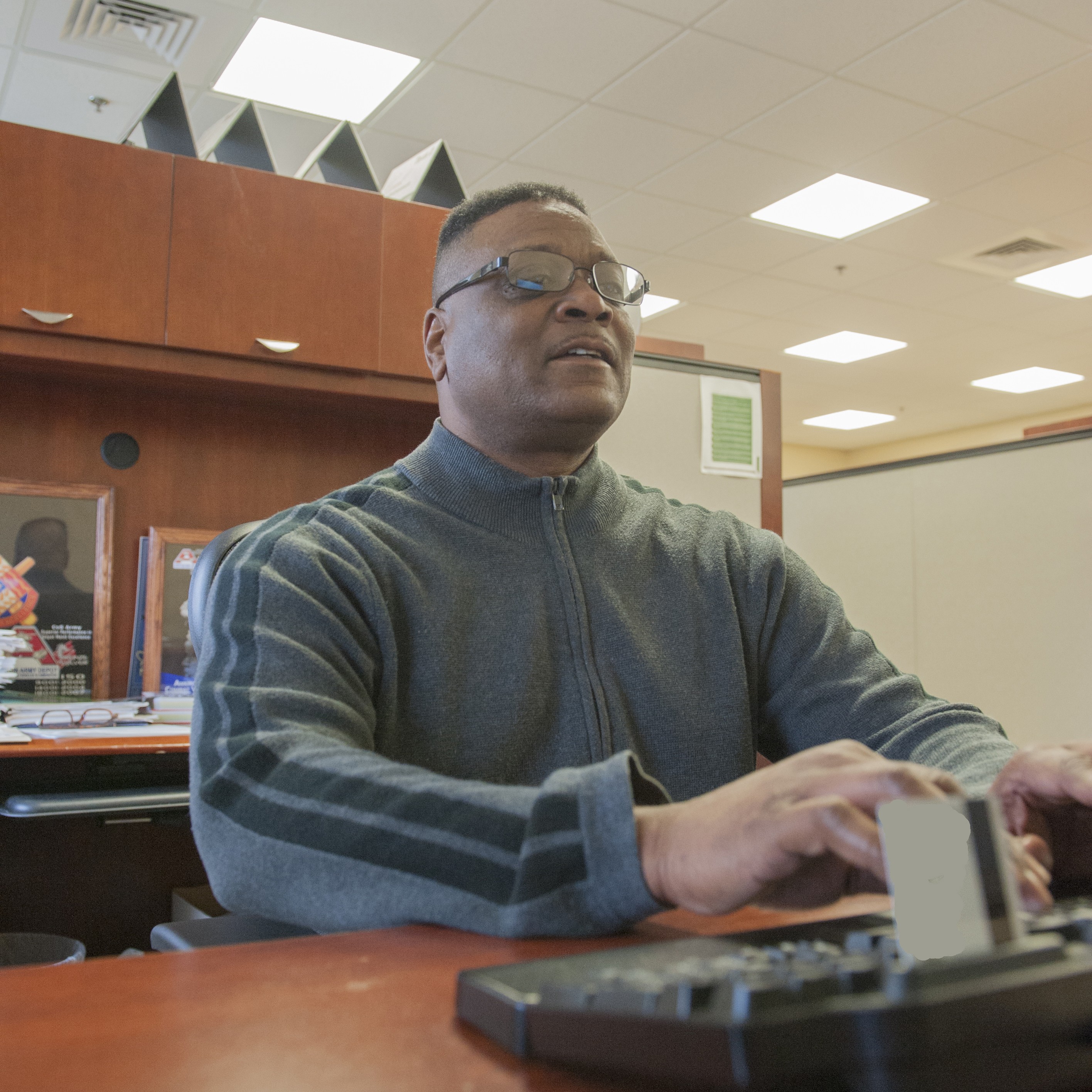
Don Evans also sees Black History Month as a time to pass on knowledge.
"For me, personally, Black History Month is a necessary event that continues the teaching and learning process," he said.
As a child born at the end of the '50s and raised in the '60s, Evans saw firsthand what racism in the South was like.
He remembers getting prepared for elementary school and having to have his immunizations. As his mother walked him and his twin sister to the doctor's office, the door in the front of the building was labeled "whites only." The Evans family had to enter in the back.
Later, at the courthouse, he saw the message repeated - on water fountains and bathrooms - segregation could be found almost anywhere he went in Marion, Ala.
But, in school, he was able to see the other side of racism as he got to know and befriended one of the two white students who attended his high school.
The white children faced their own racism within the education system as their fellow students shunned them and taunted them.
Evans' family, however, placed respect for all people high on their list of values.
The two siblings rode the same bus Evans did and he and his twin befriended the sister, eventually becoming study partners with her. This ended, however, when her father found out she was studying with black children.
He joined the military after high school graduation and still continued to see racism in the ranks. But, Evans was determined to do his best and become the best soldier and person he could be, no matter what he faced.
After spending a few years in the military, he returned home to Marion, where he enrolled in Marion Military Institute, a college which has just begun accepting African American enrollees.
He struggled through the persecution of his classmates and, at times, professors, but persevered and became the first black from Marion, Alabama to both, receive a commission and graduate from MMI.
Evans later received a Bachelor of Science, with honors, from Alabama State University and went on to serve the military for over 20 years, rising to the rank of Major before being medically released in 1996.
Throughout his life and his career, the lessons his parents instilled in him, of showing respect to everyone, has led him to view those he encounters based on who they are and what they do for themselves and others, rather than the color of their skin.
Lyas-Brown and Evans both continue to share knowledge and educate others through speaking events and conversations.
Lyas-Brown is regularly asked to speak regarding African-American history and always takes the time to ensure her message will resonate with the audience.
"I always try to find something that connects with the people I talk to," she said.
Often, this means looking for the stories of ordinary individuals who did extraordinary things. One of her favorites is Garrett Morgan, who was the topic of a project for her son when he was in kindergarten.
"When I became a parent, I passed on my family's oral tradition to my son and taught him to further explore his African American heritage. I also collected books and encouraged my son to read about African Americans, who were famous and those ordinary people who did extraordinary things," said Lyas-Brown.
Morgan created the prototype for the traffic light, a fact Lyas Brown's son was thrilled to spout every time they saw one during their travels.
"The pride that my son had when he shared that information with his classmates resounded when he came home from school and shared his experience with me," she said. "At that moment, I knew that my son had learned a valuable lesson, which is that Black history is American history."
Social Sharing