FORT DRUM, N.Y. -- Soldiers from 3rd General Support Aviation Battalion (Phoenix Battalion), 10th Aviation Regiment, 10th Combat Aviation Brigade conducted a realistic battalion-sized survival, evasion, resistance and escape training exercise Aug. 8-12 at Fort Drum.
The training exercise, led by Chief Warrant Officer 3 Eddie Goode, battalion personnel recovery officer, was created in lieu of the Army's online training course, SERE 100.2 Level A, a requirement for all Army personnel traveling outside of the United States for theater entry.
"In today's technology and environment, personnel recovery and SERE training is usually last to be included in a training plan," Goode said. "So we took what is taught on SERE 100.2 and created realistic training situations for the Soldiers in our battalion, which by the way was a first for many of them."
According to Executive Order 10631, Code of Conduct for members of the Armed Forces of the United States, there are basic standards that military service members must meet if they are isolated or held against their will. In order to meet the standards, the code of conduct also provides the essential information required to survive honorably during an isolation or captivity situation.
"Having a military occupation of high risk, our Soldiers must be trained to survive and if captured 'return with honor' -- as the survival school motto goes," Goode said. "They must be mentally and physically prepared to face whatever challenges they are faced with, wherever they may be."
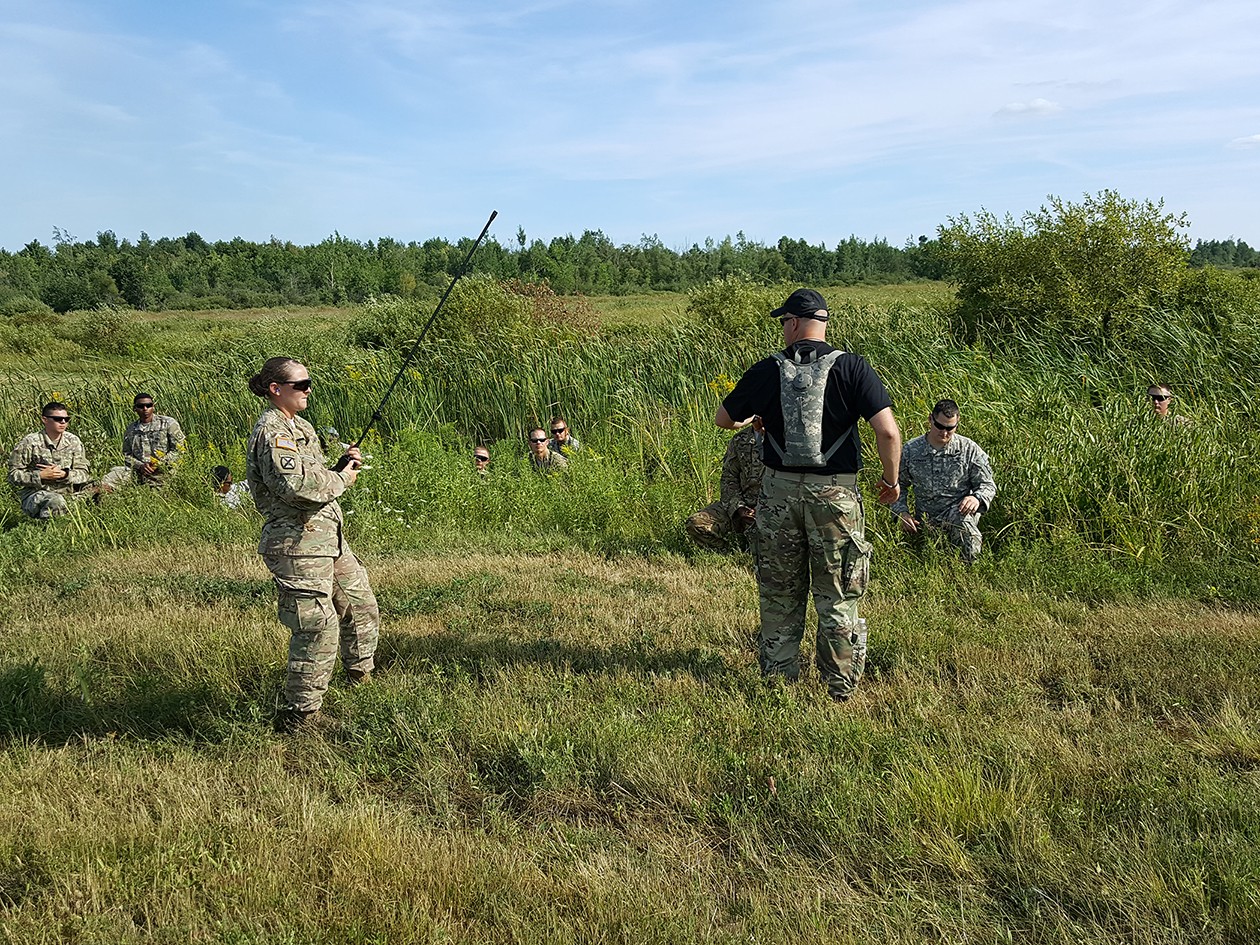
The week-long event consisted of five training lanes, each one tailored around the five personnel recovery proficiencies: architecture and doctrine, communicate, preserve life, navigate and endure hardship.
It was here that Phoenix Soldiers learned how to procure water and properly filter it for human intake. They also learned how to construct a shelter while blending it in with the environment, and they learned how to set up snares for food procurement.
And if that wasn't enough, they also received lessons on how to properly strip the meat off an animal, cook it and preserve the rest for later consumption.
Goode said this was the most memorable and exciting portion for many of the students.
"They expected this to be another mandatory boring training exercise," he said. "Instead, I had Soldiers come up to me and tell me this was the best training they've received. And that's understandable, I mean, who wouldn't want to leave the office, motor pool, hangar or even firing range to filter water directly from a pond, catch your own food, and build a fire from nothing?"
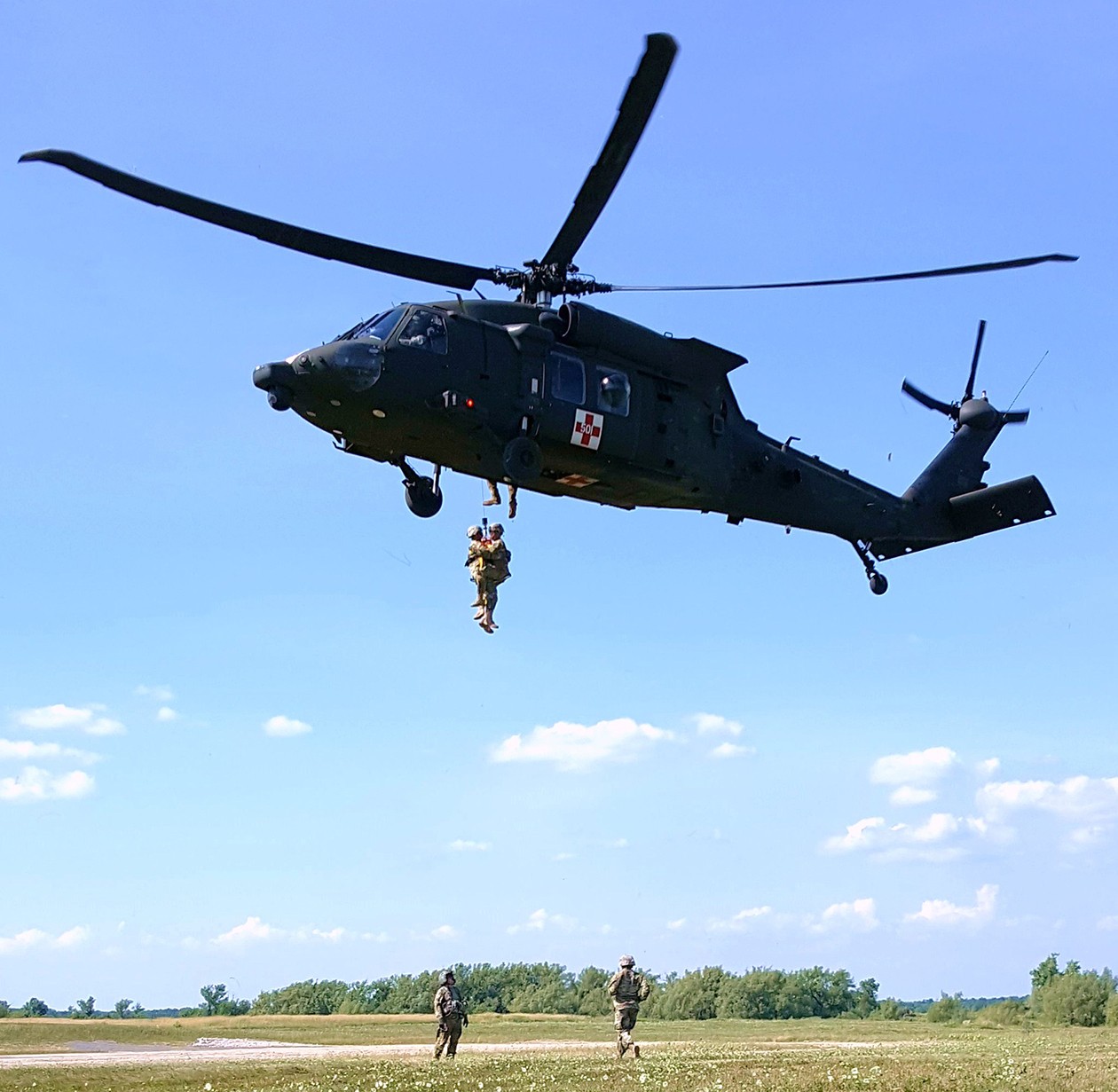
The last portion of the training exercise consisted of extracting Soldiers from the field using the battalion's UH-60 Black Hawk helicopters. In order for this to happen, the Soldiers vector them in using smoke and signal mirrors while in a secured pickup zone posture. Then, two Soldiers at a time conducted live hoists from a HH-60M Black Hawk, or medevac, helicopter.
Although not all recoveries are conducted by air, according to Goode, this can be the fastest means available with the most advantageous course of action due to combat aviation.
By the end of the week, the Soldiers walked away with a better understanding of isolation and captivity.
Before even leaving the field, Goode was starting to plan for the next battalion SERE training exercise.
"The next one will include winter training," he said. "People may not appreciate learning how to build a fire in the summer, but the winter and its negative degrees will change their minds very quickly. Remember, '1,000 days of evasion is better than one day of captivity.'"
3rd General Support Aviation Battalion
Social Sharing