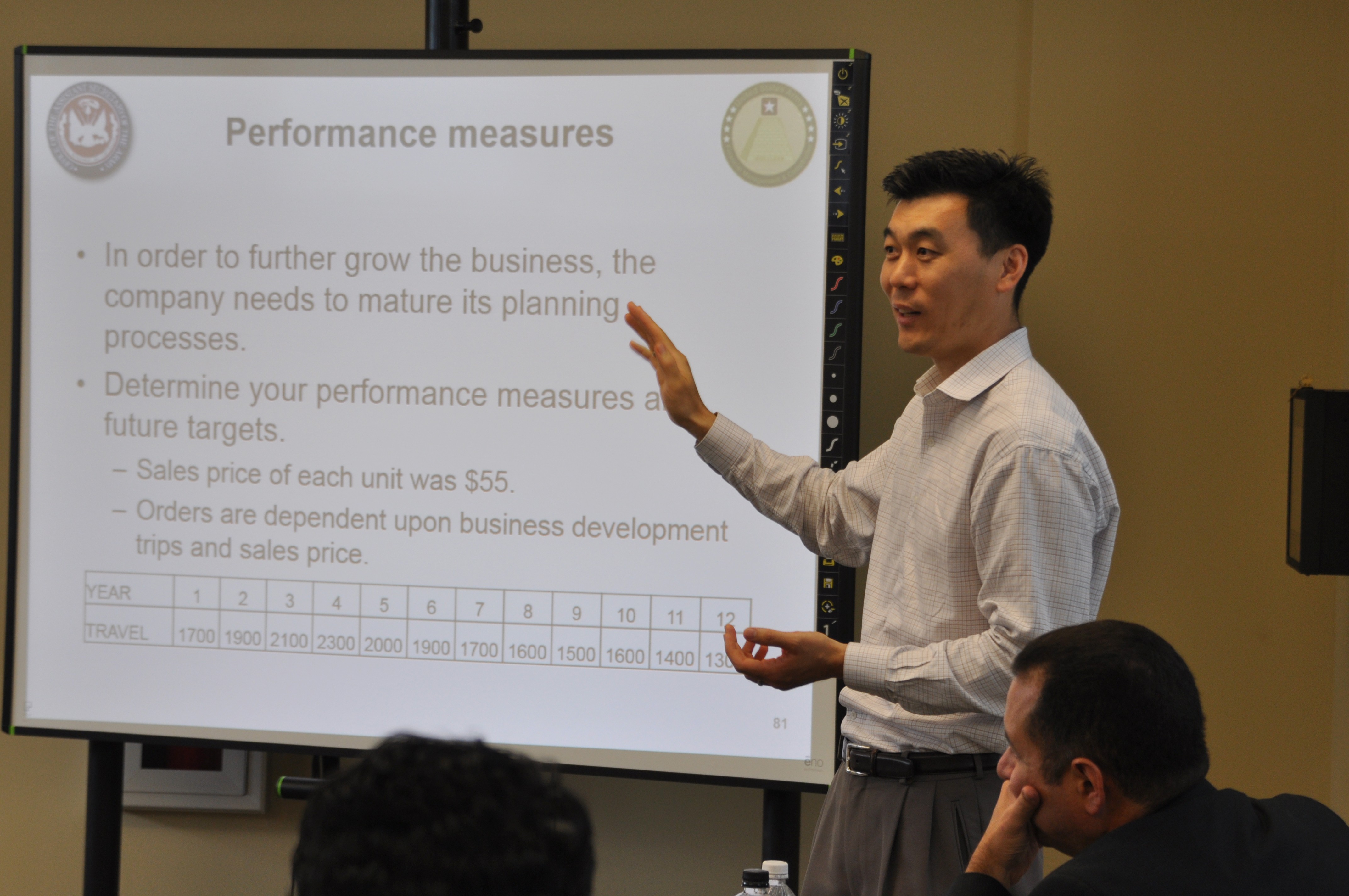


FORT BRAGG, N.C. (Sept. 5, 2013) - The Army expends tremendous effort in budget fulfillment -- all in an effort to most efficiently expend funds allocated.
Recent fiscal constraints will likely continue, with top spending lines continuing to decrease. For managers and resource professionals at U.S. Army Forces Command (FORSCOM), this reality requires a keen understanding of costs, where these costs come from, and how to provide readiness at the best value.
FORSCOM's deputy chief of staff, G-8, Phillip E. McGhee, solicited the assistance of the Deputy Assistant Secretary of the Army for Cost and Economics (DASA-CE) to develop a pilot program to train and certify individuals in cost management at all levels of planning and execution.
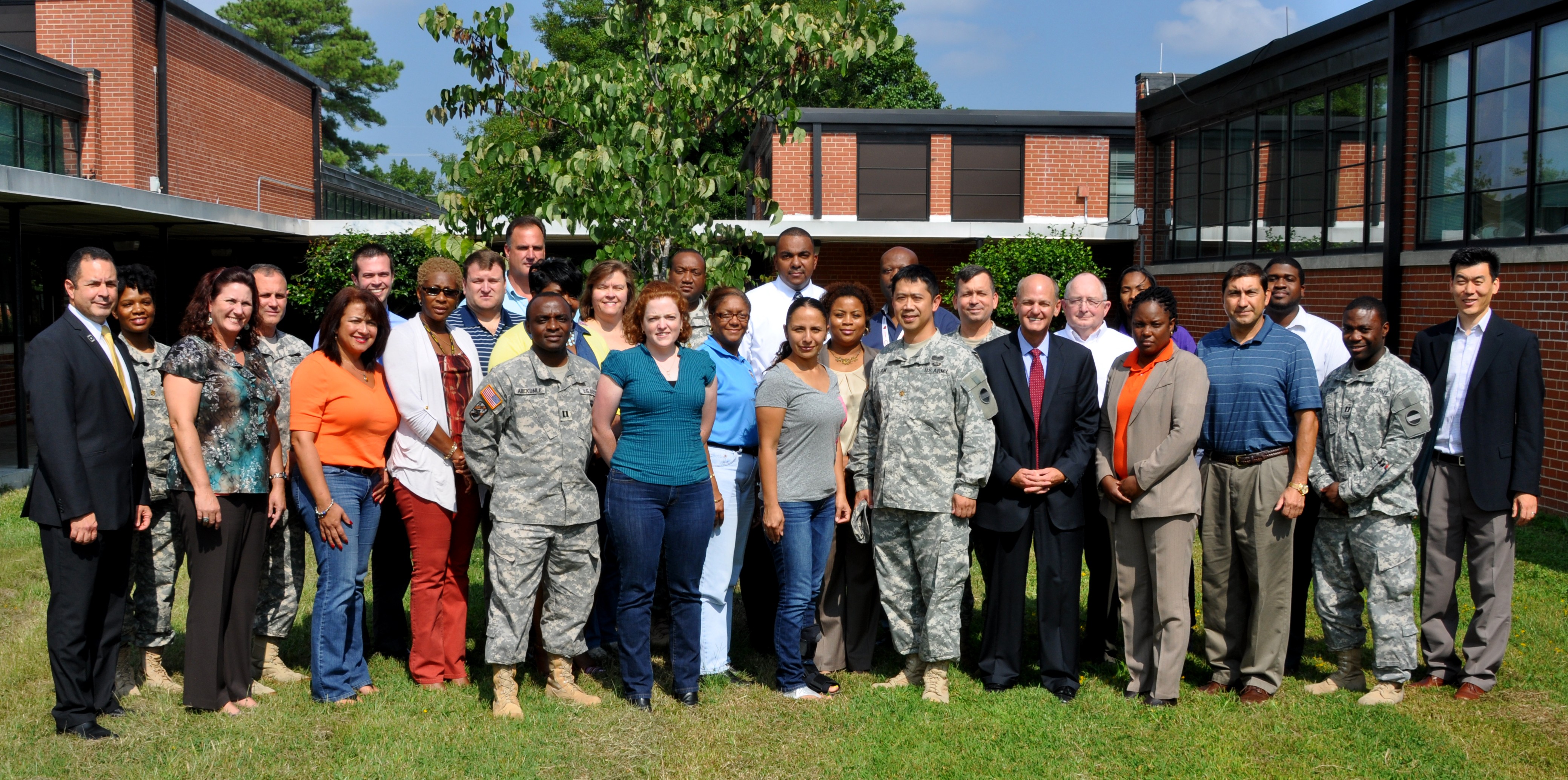
In response, the Cost Management Basics Certification course was developed and its first class graduated, here, Aug. 29.
"It's all about saving money", said McGhee emphasizing that savings must have no, or minimal impact on readiness.
"This is a big deal. It's all about training and educating our workforce," McGhee continued. "I want everyone to know that FORSCOM has the most competent, well-trained, well-versed workforce."
FORSCOM's senior leadership directed the use of a formal Cost Benefit Analysis (CBA) to enable resource-informed decisions in situations requiring any funding levels.
The CBA uses a structured methodology to determine costs and benefits of various courses of action.
FORSCOM and its subordinate units and organizations must ensure mission accomplishment is not compromised while meeting the demands of a resource constrained environment, McGhee reiterated.
Military and civilian staff members from FORSCOM, XVIII Airborne Corps, and U.S. Army Special Operations Command completed the last phase of classroom training at the Old Bowley School complex near the FORSCOM headquarters.
Capt. Wasiu Adekunle, a budget analyst in the FORSCOM G-8, described the training as very useful, "it gives us the tools to ensure a request for funding will have a roadmap for the successful use of those funds."
Each student had to complete several online training courses prior to the classroom session:
- Performance Management
- Forecasting Techniques
- Introduction to Reducing Costs
- Cost Estimating
- Overview of Managerial Accounting
- Cost Management Fundamentals
Lessons learned and student feedback from this first iteration will be used to improve the course and then it will be made available to FORSCOM elements across the nation.
"This is a pilot course. It's important that you provide feedback. We will make the changes needed," McGhee added as he discussed plans to add a longer "capstone" practical exercise that will include a commander's back-brief.
"I want to congratulate everyone again for completing the first couple of weeks online and this class work here," McGhee told the class during his graduation remarks.
"Thanks for everything you do, everyday. You have no idea how greatly I appreciate all your hard work."
Related Links:
U.S. Army Cost Benefit Analysis Guide
Social Sharing