Texas Military Department - Leadership
-
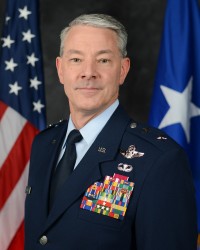 Adjutant General for the State of TexasMaj. Gen. Thomas M. Suelzer
-
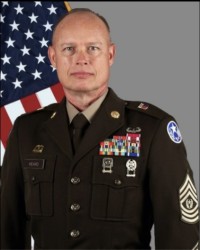 Command Senior Enlisted Leader (CSEL) for the Texas Military DepartmentCommand Sgt. Maj. Frederick M. Heard
-
 Command Chief Warrant Officer for the State of TexasChief Warrant Officer 5 Bryan T. Shaw
-
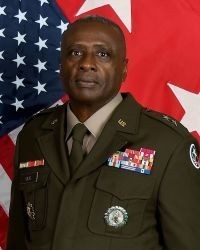 Deputy Adjutant General – ArmyMaj. Gen. Monie R. Ulis
-
 State Command Sergeant Major for the Texas Army National GuardCommand Sgt. Maj. Jose A. Escobedo
-
 Deputy Adjutant General -Air for the State of TexasBrig. Gen. Andrew J. Camacho
-
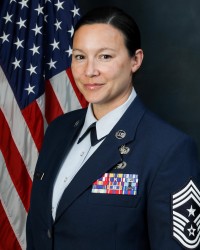 Senior Enlisted Advisor of the Texas Air National GuardCMSgt Trang S. Maxie
Who We Are
The Texas Military Department (TMD) is the state agency that commands and coordinates Texas’s military forces: the Texas Army National Guard, Texas Air National Guard, and Texas State Guard, along with a variety of domestic operations and youth programs. It operates under the authority of the Texas governor, through the state’s adjutant general, and serves as the primary link between Texas and the U.S. Department of Defense for National Guard matters.
Headquartered at Camp Mabry in Austin, TMD’s core mission is to provide trained, ready forces capable of supporting both federal and state requirements. Federally, the Texas Army and Air National Guard units can be mobilized by the President of the United States to support overseas combat operations, homeland security missions, and other national defense tasks.
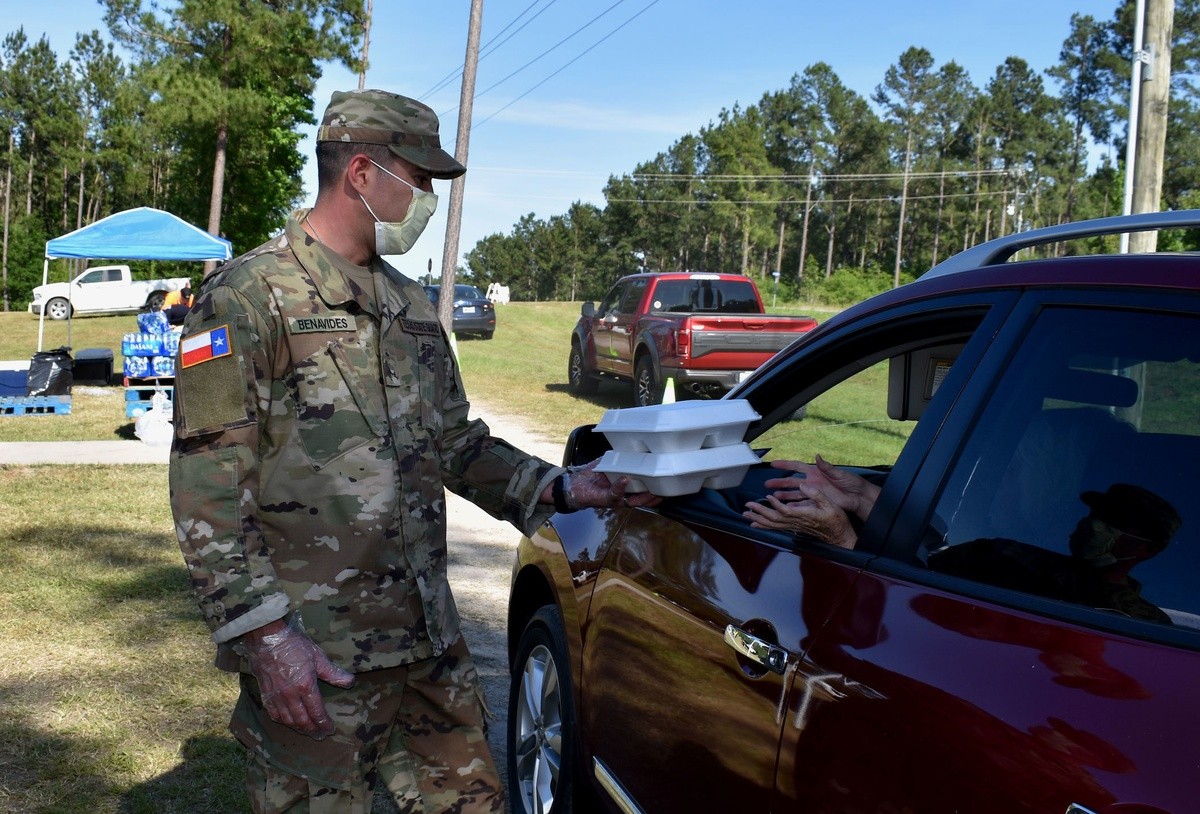
At the state level, the governor can activate Texas National Guard units and the all-volunteer Texas State Guard for emergencies such as hurricanes, floods, wildfires, border security support, civil disturbances, and pandemic response.
Historically, Texas’s organized military forces trace their lineage to the militias and ranger companies of the Republic of Texas era (1830s–1840s) and the state militia system that followed statehood.
The modern Texas National Guard as part of the U.S. National Guard system developed in the late 19th and early 20th centuries, and Texas units have since served in every major U.S. conflict from World War I through contemporary operations in the Middle East and beyond.

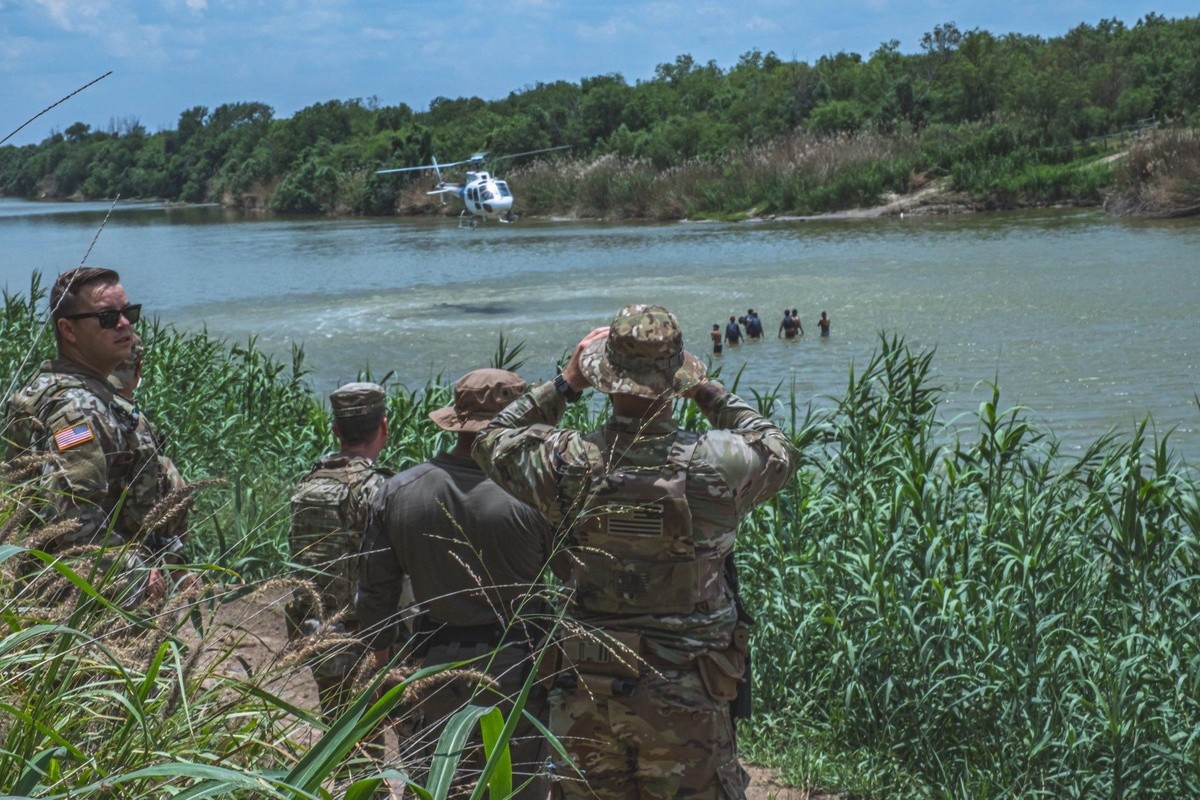
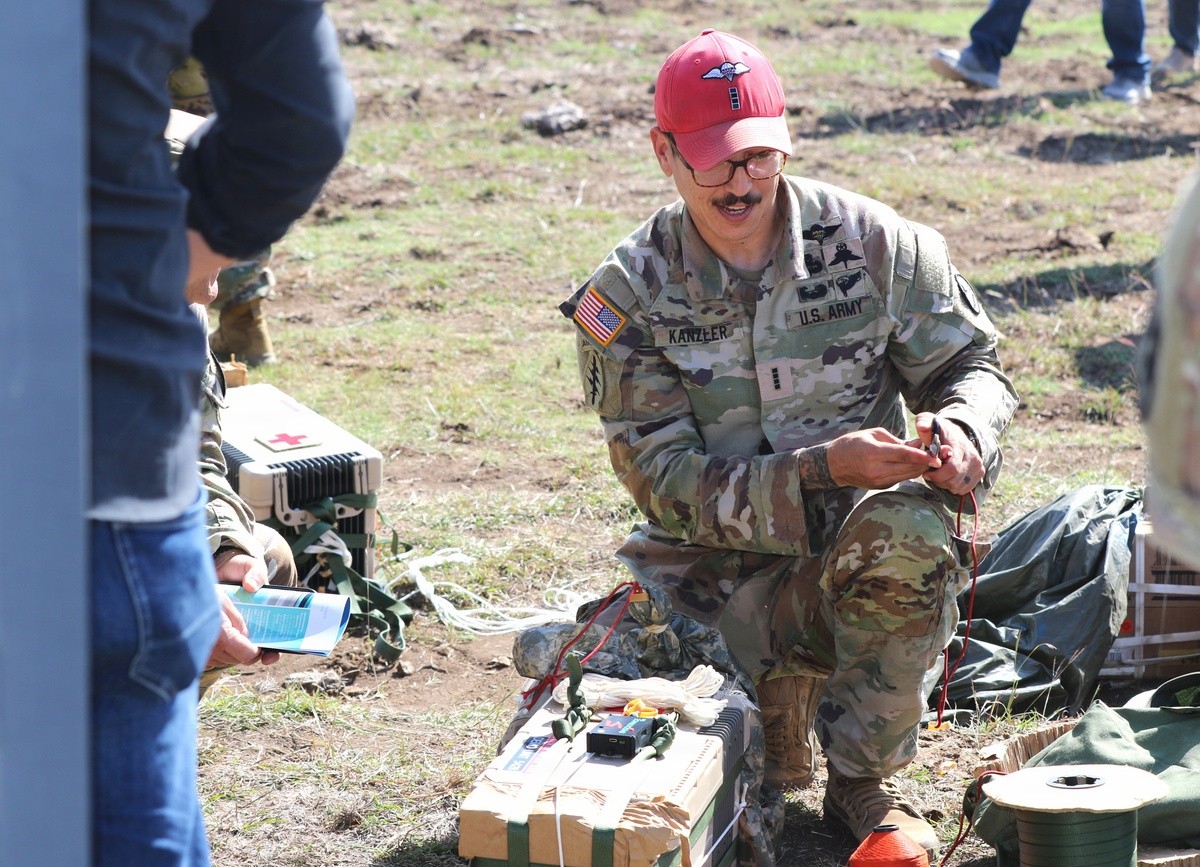

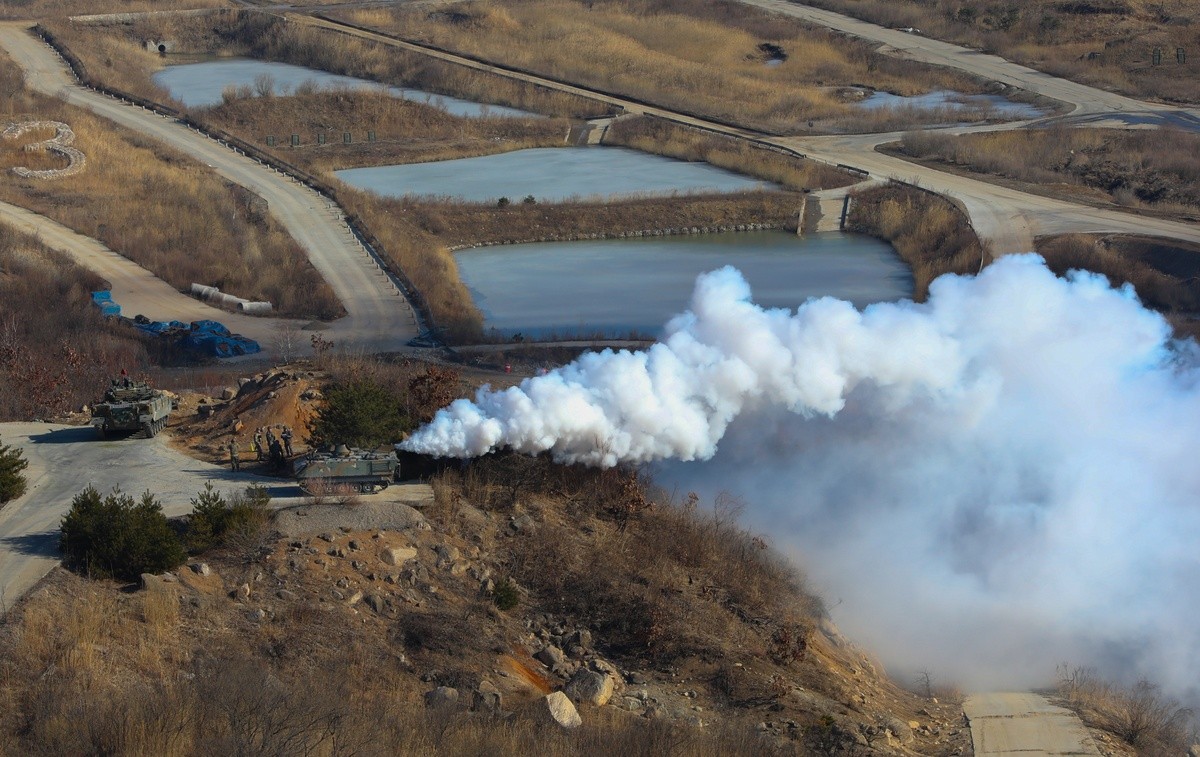

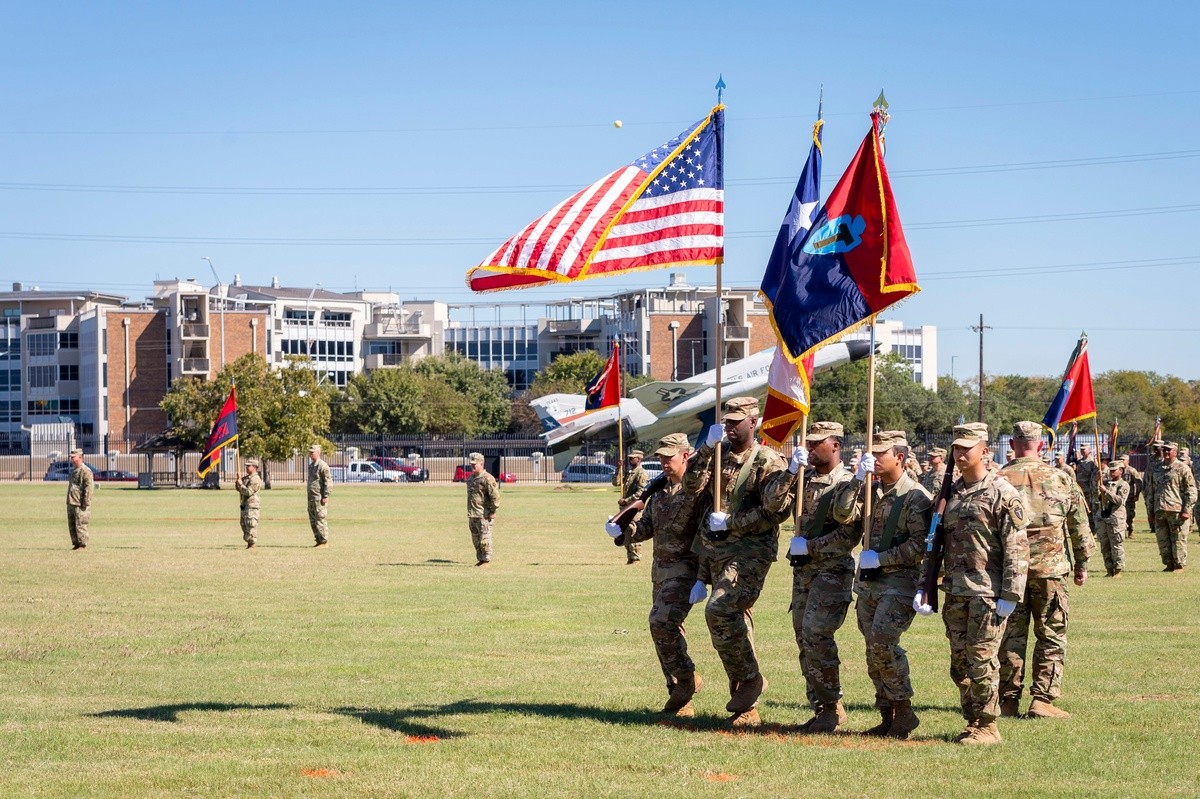

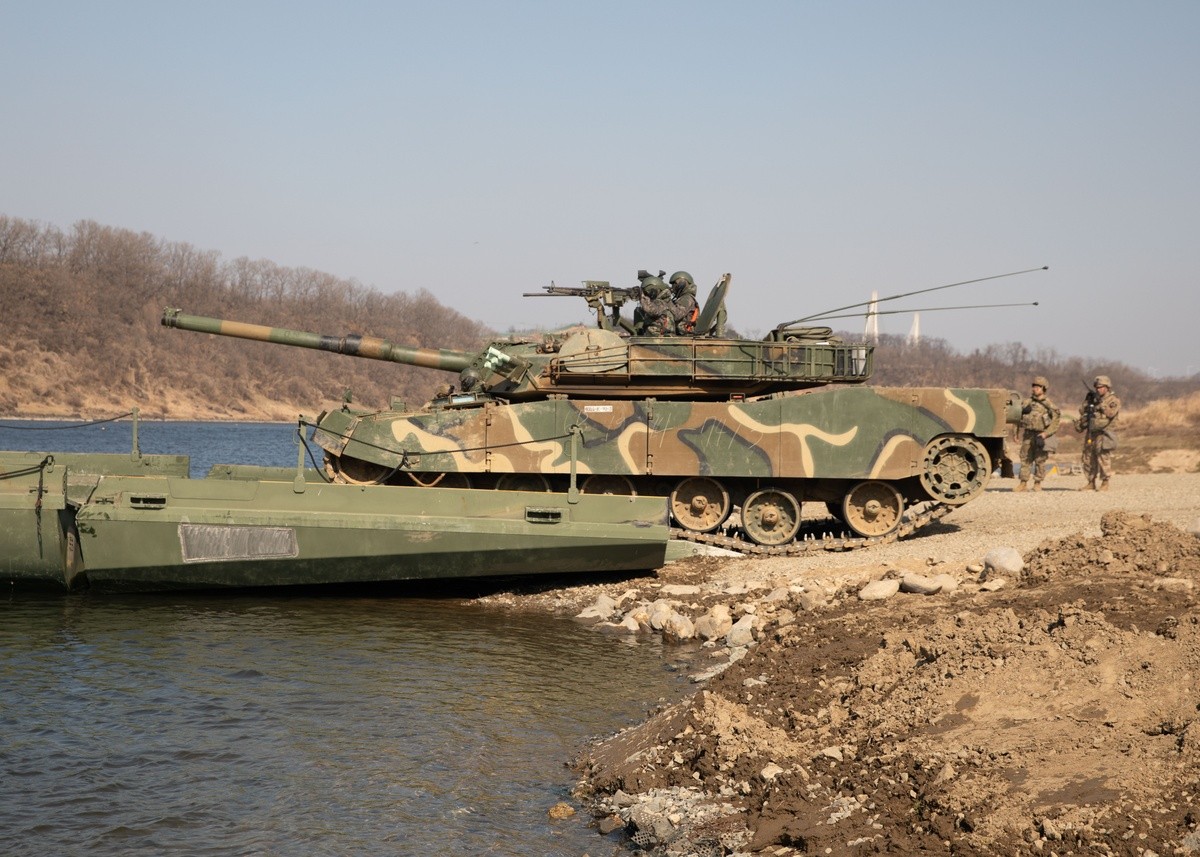
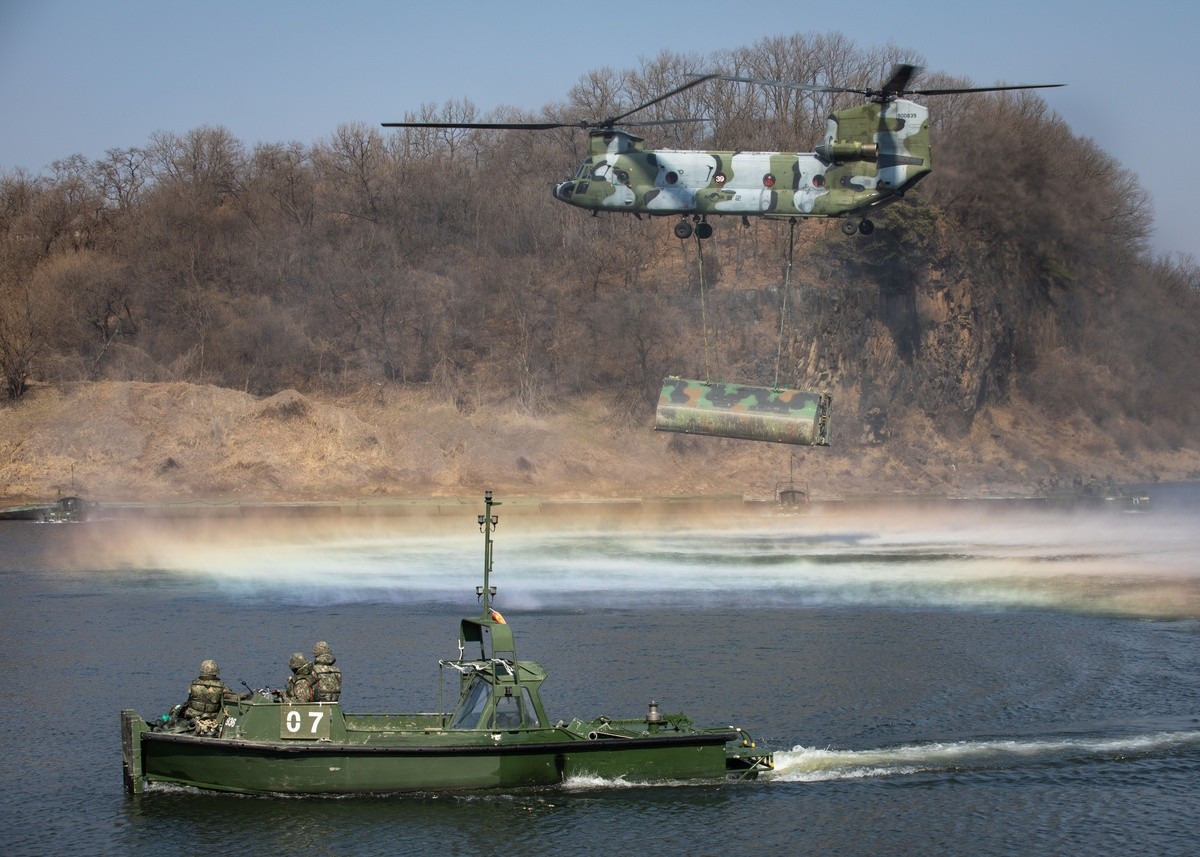
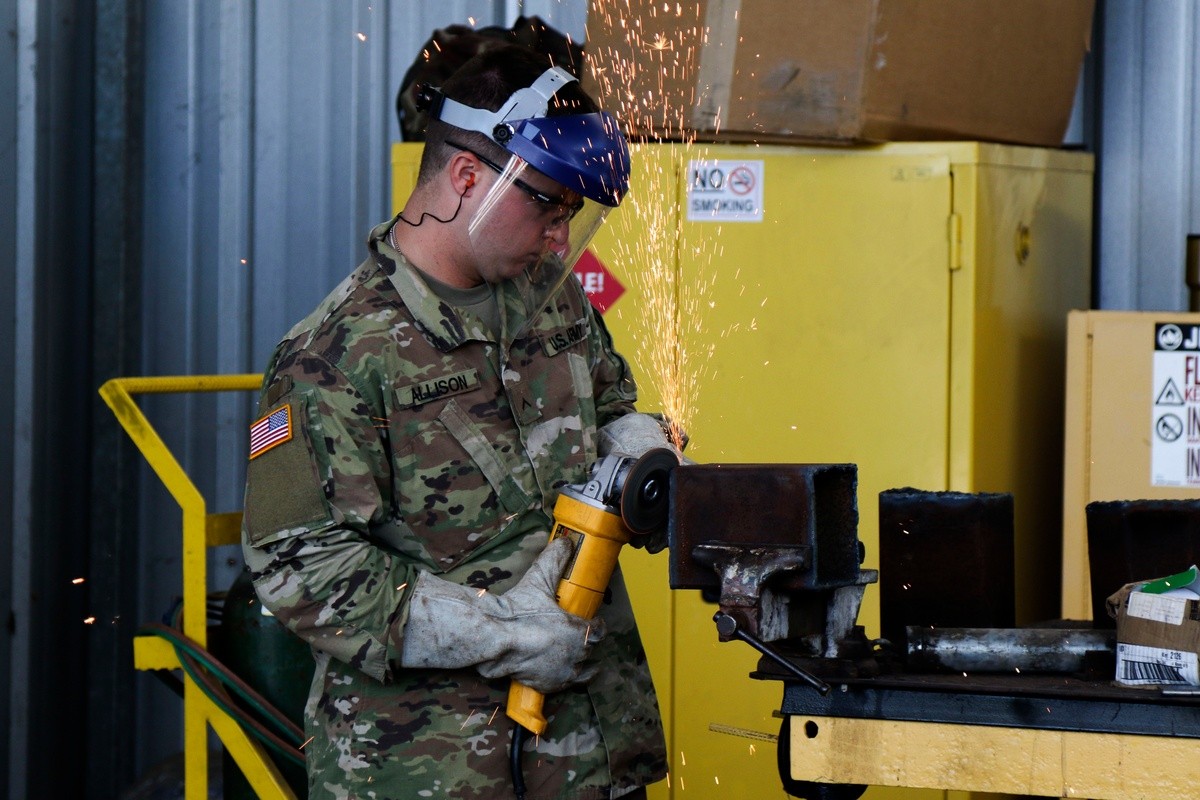
(Photos by Army 1st. Lt. Nadine Wiley De Moura, 100th Mobile Public Affairs Detachment/Released) View original
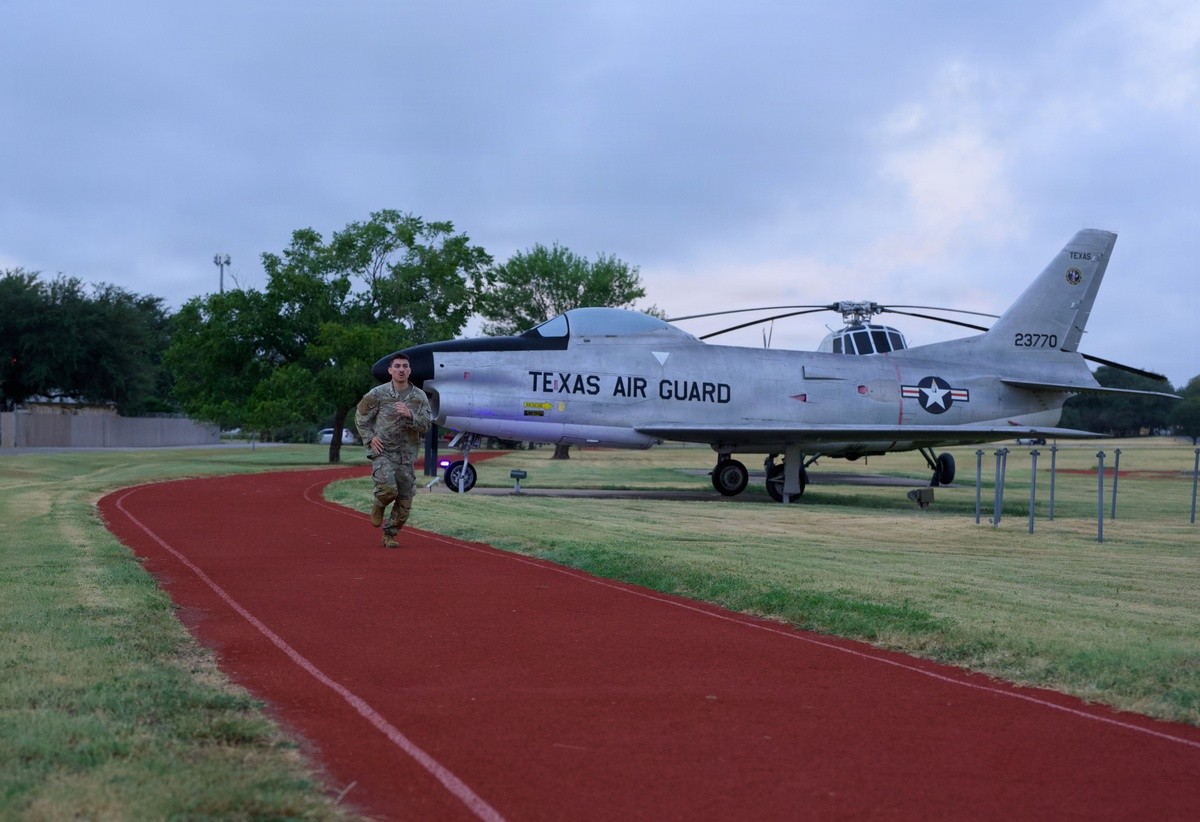
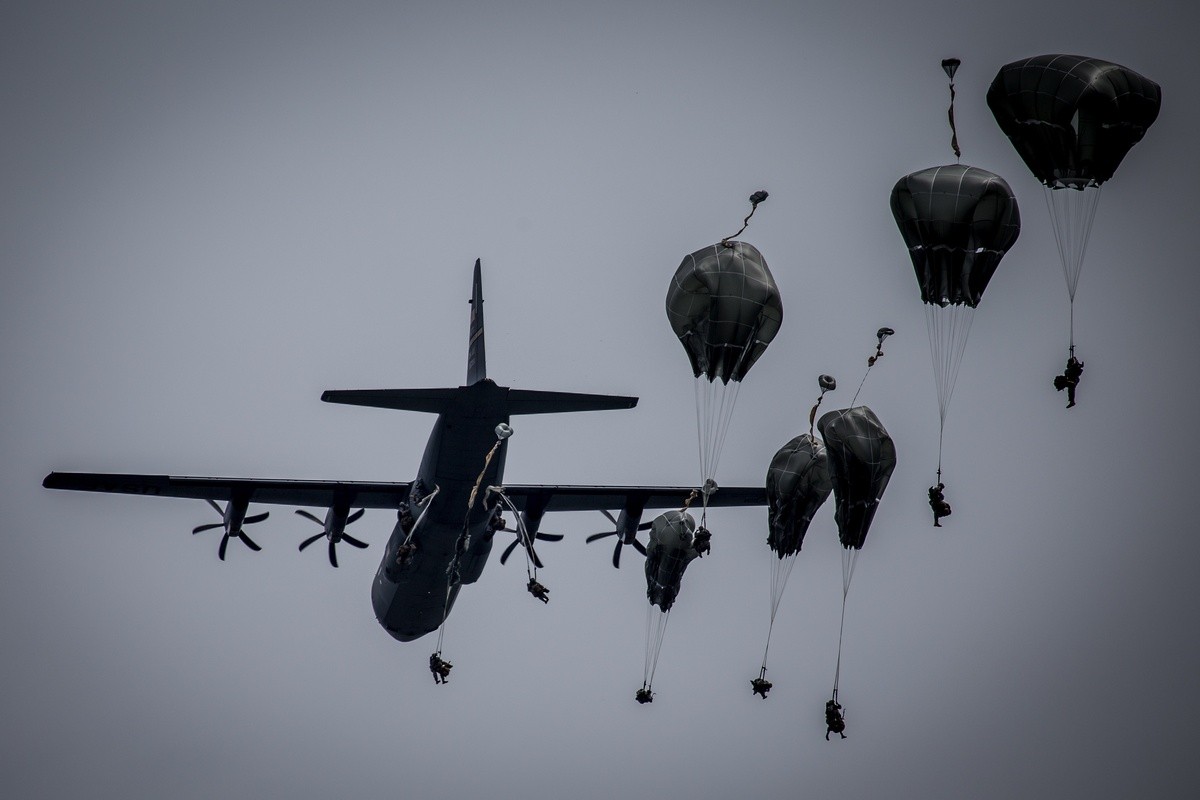
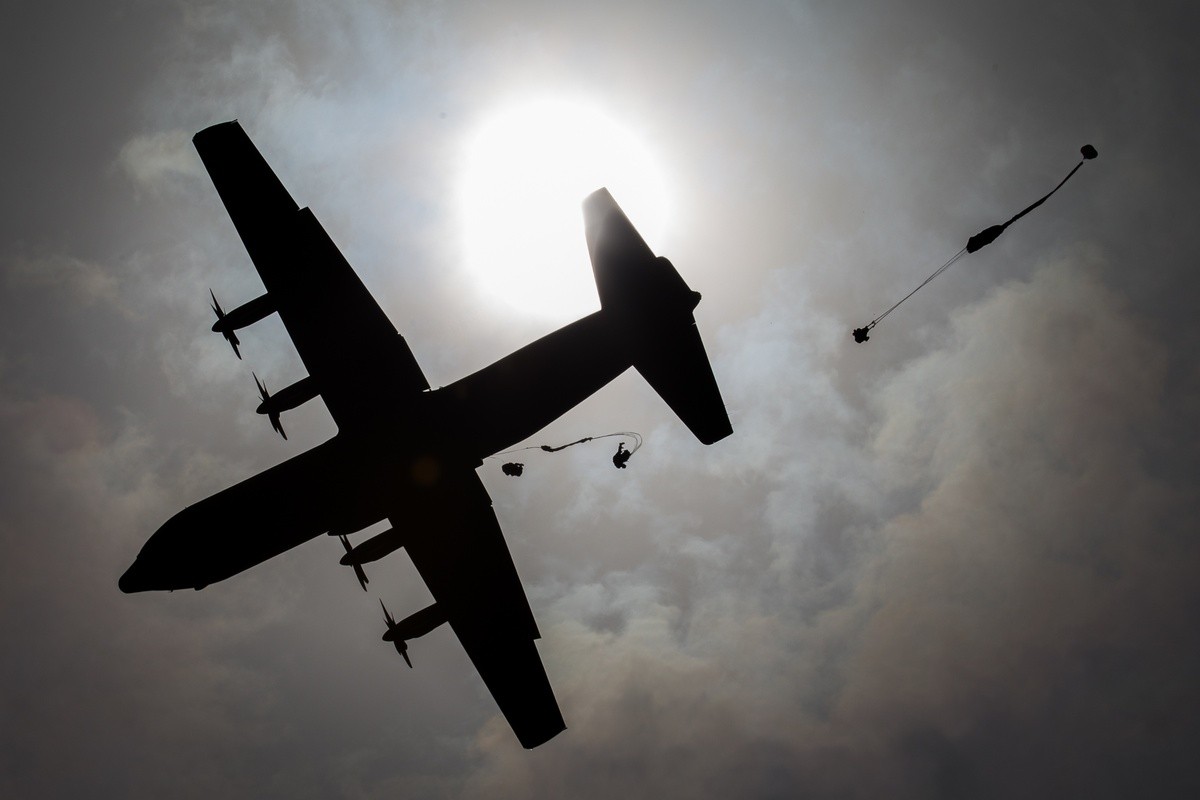
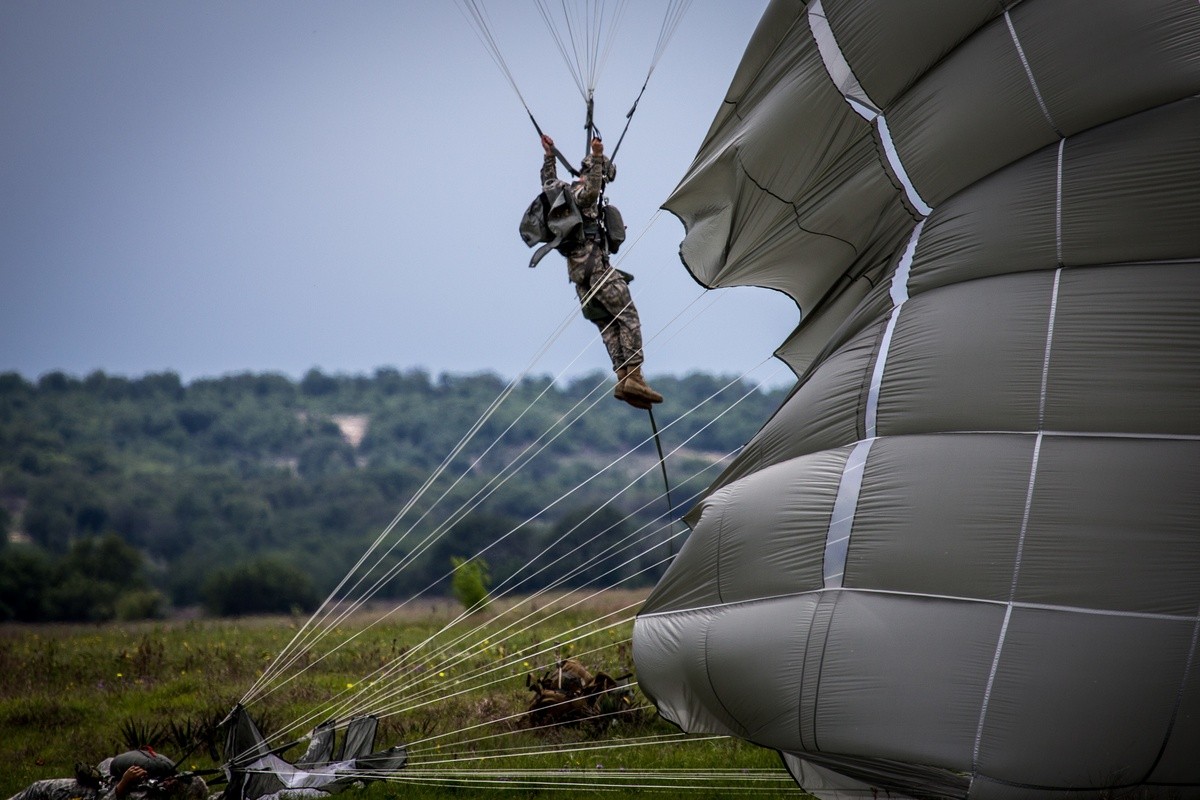
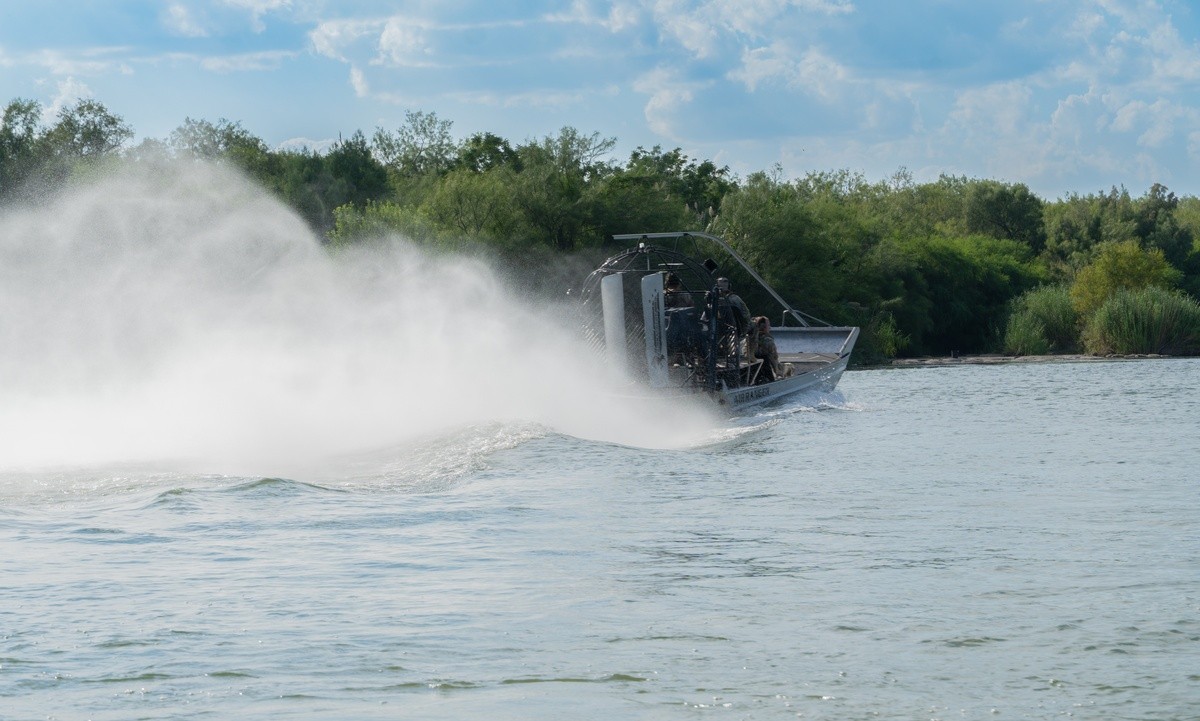
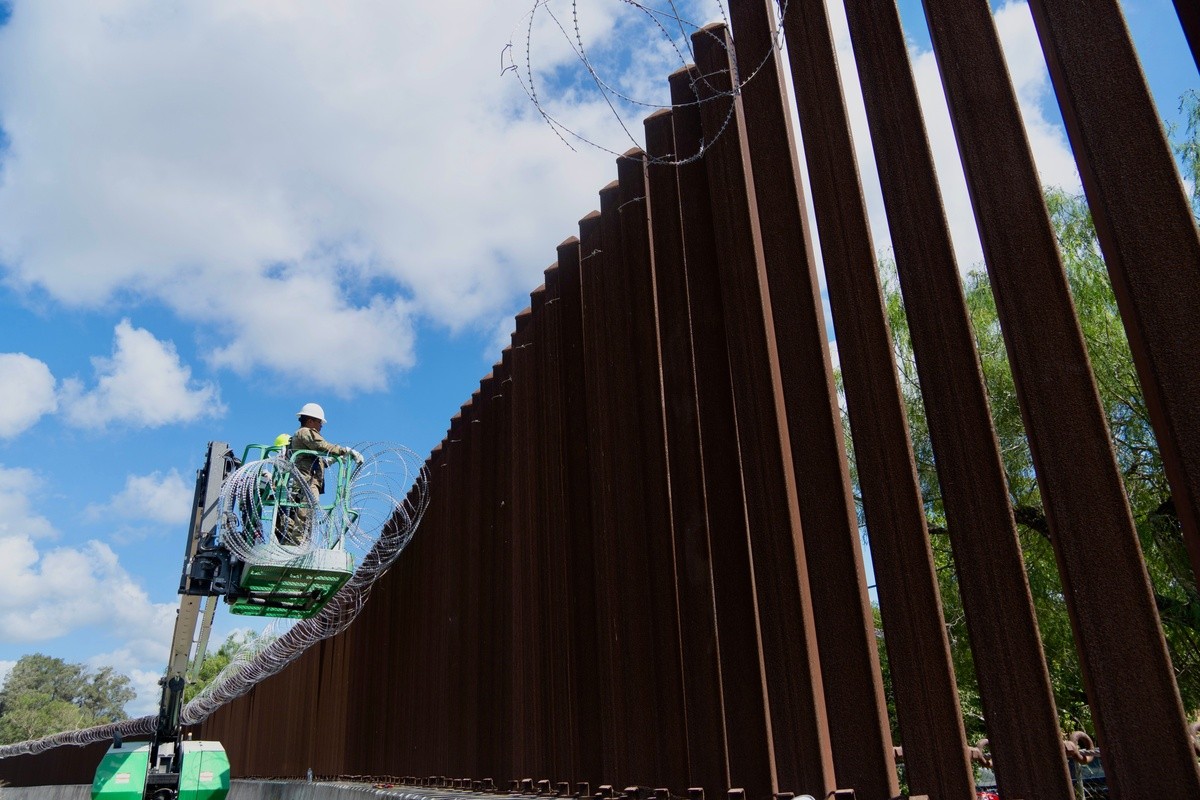
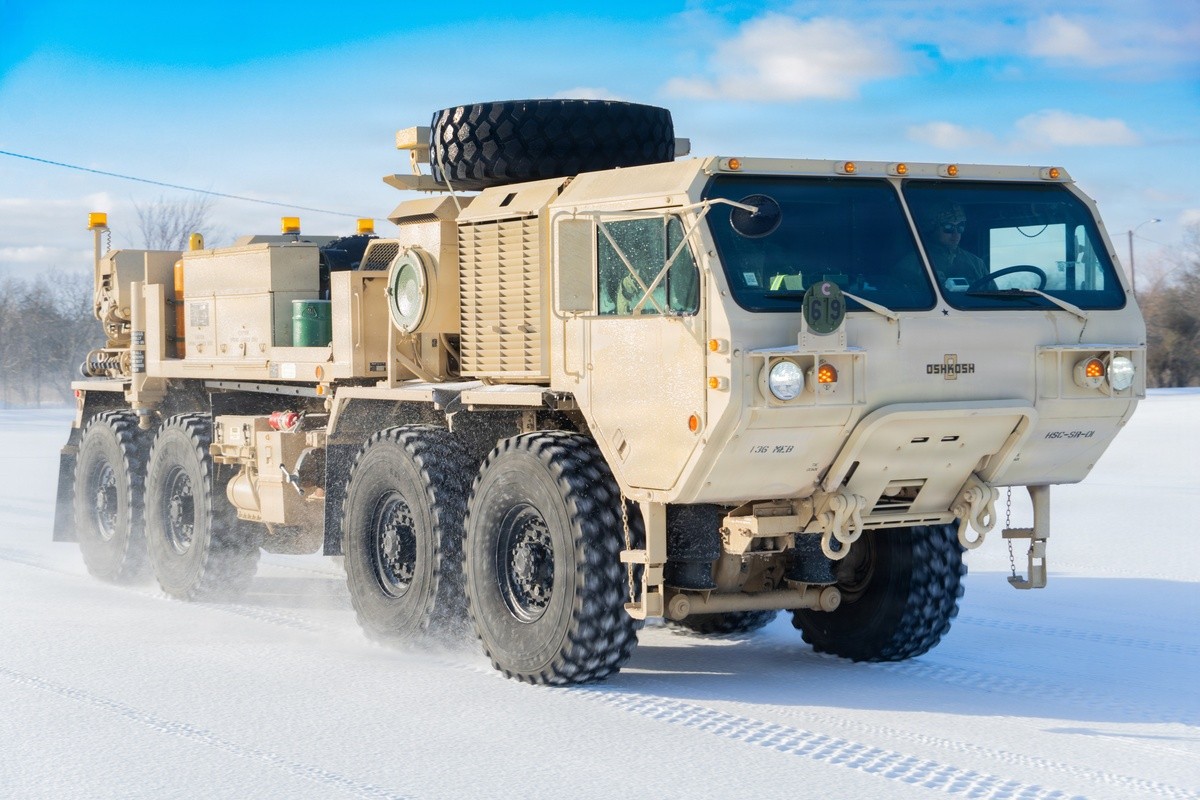

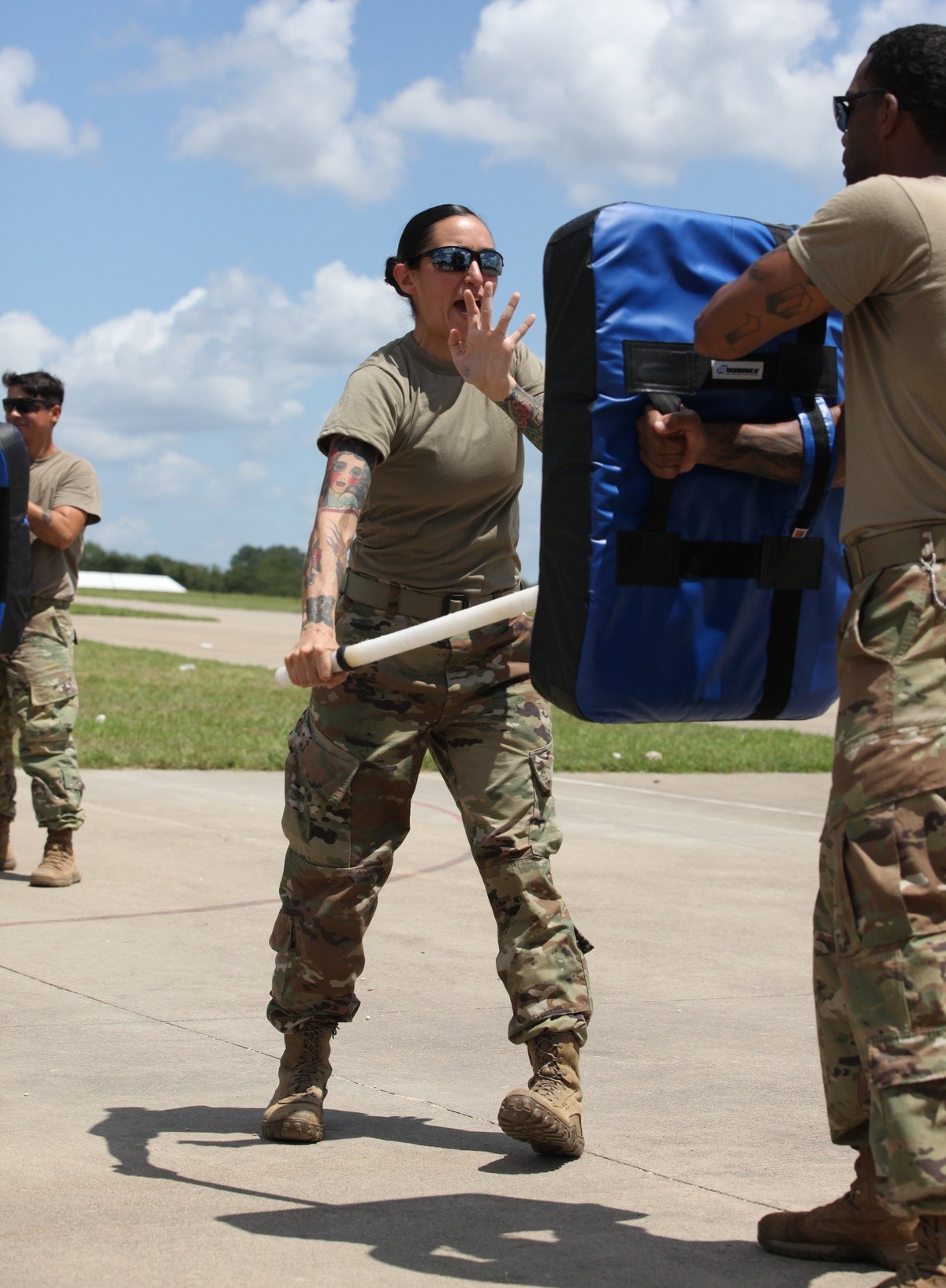
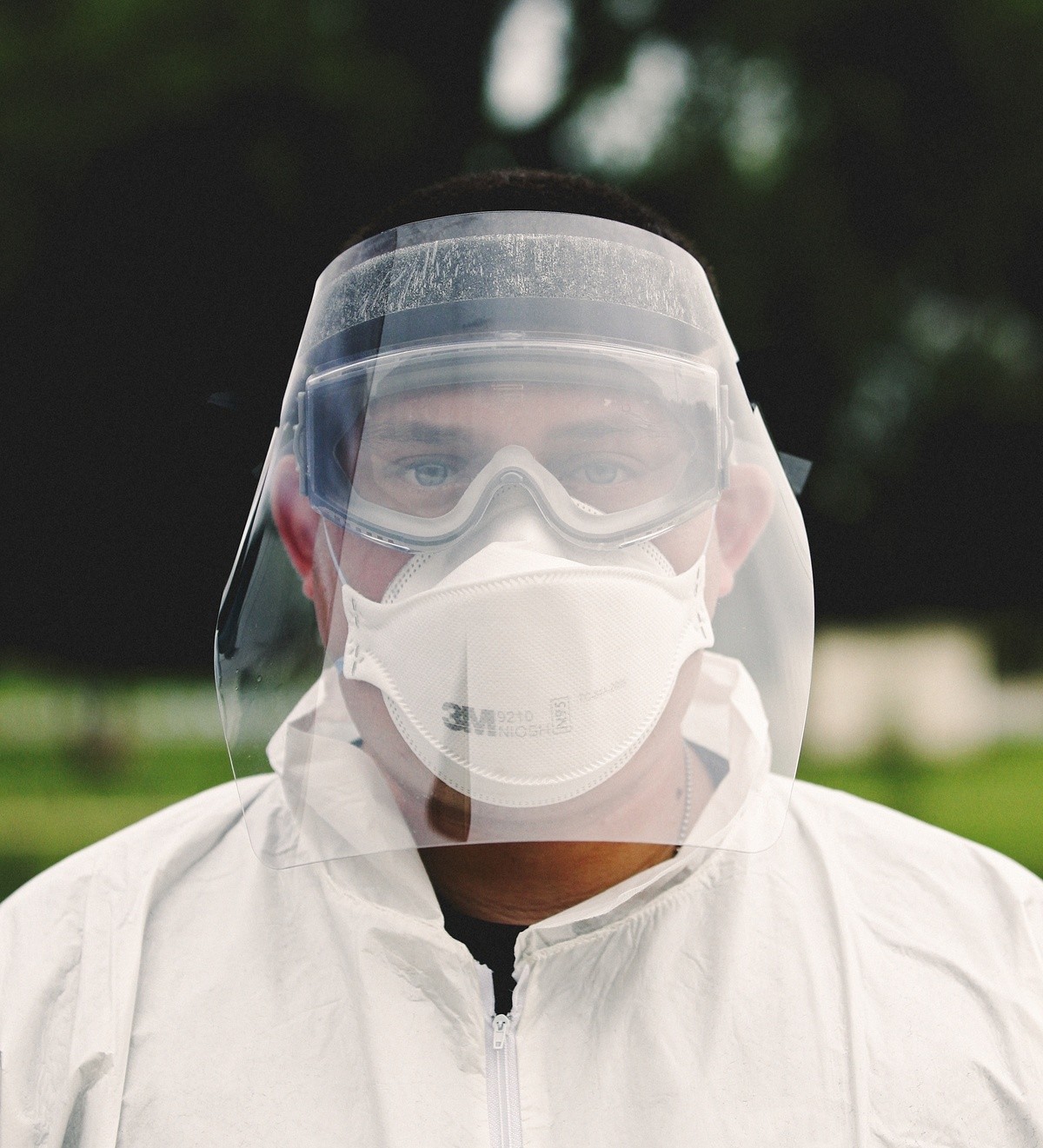
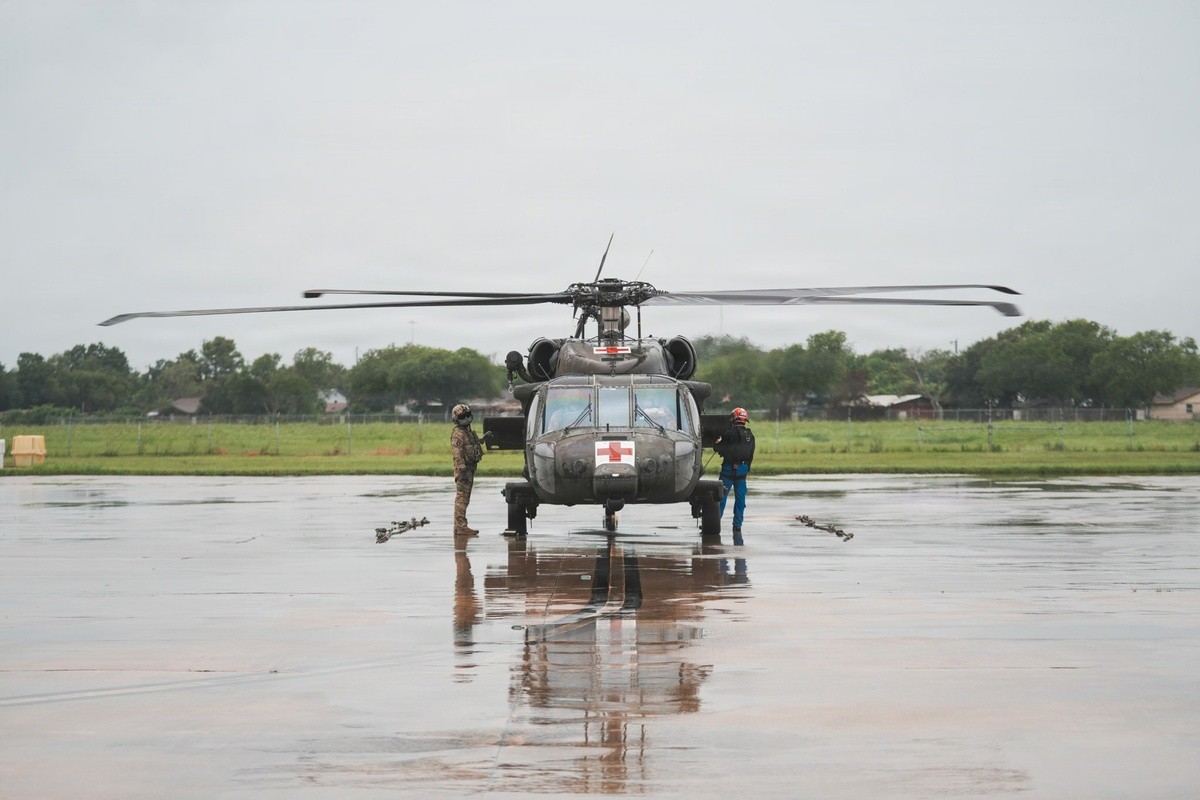
The Texas State Guard, reconstituted during World War II as a purely state force, today specializes in disaster response, shelter operations, medical support, and administrative and logistics assistance during state emergencies.
Beyond its operational roles, the Texas Military Department administers youth and community programs, including the Texas ChalleNGe Academy for at-risk youth, and supports employer and family readiness initiatives designed to ease the impact of Guard mobilizations. It also runs training centers and aviation facilities across Texas and manages state and federal resources to maintain readiness, including armories, air bases, and training ranges.
With tens of thousands of Soldiers, Airmen, State Guardsmen, civilians, and volunteers, the Texas Military Department is one of the largest and most active state military organizations in the United States. Its dual federal–state nature allows it to contribute both to national defense overseas and to the safety, security, and resilience of communities throughout Texas when disasters and emergencies strike.
Texas Military Forces History
Museum History
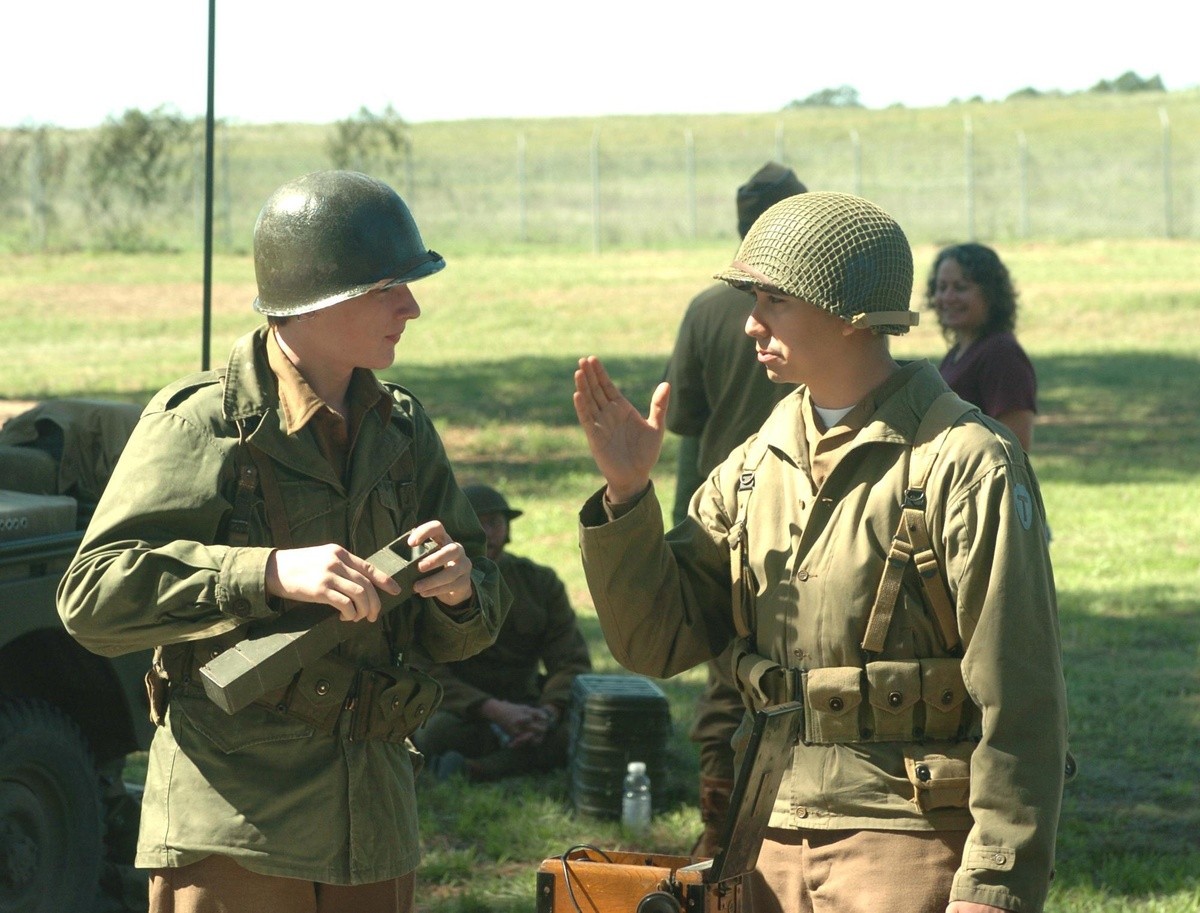
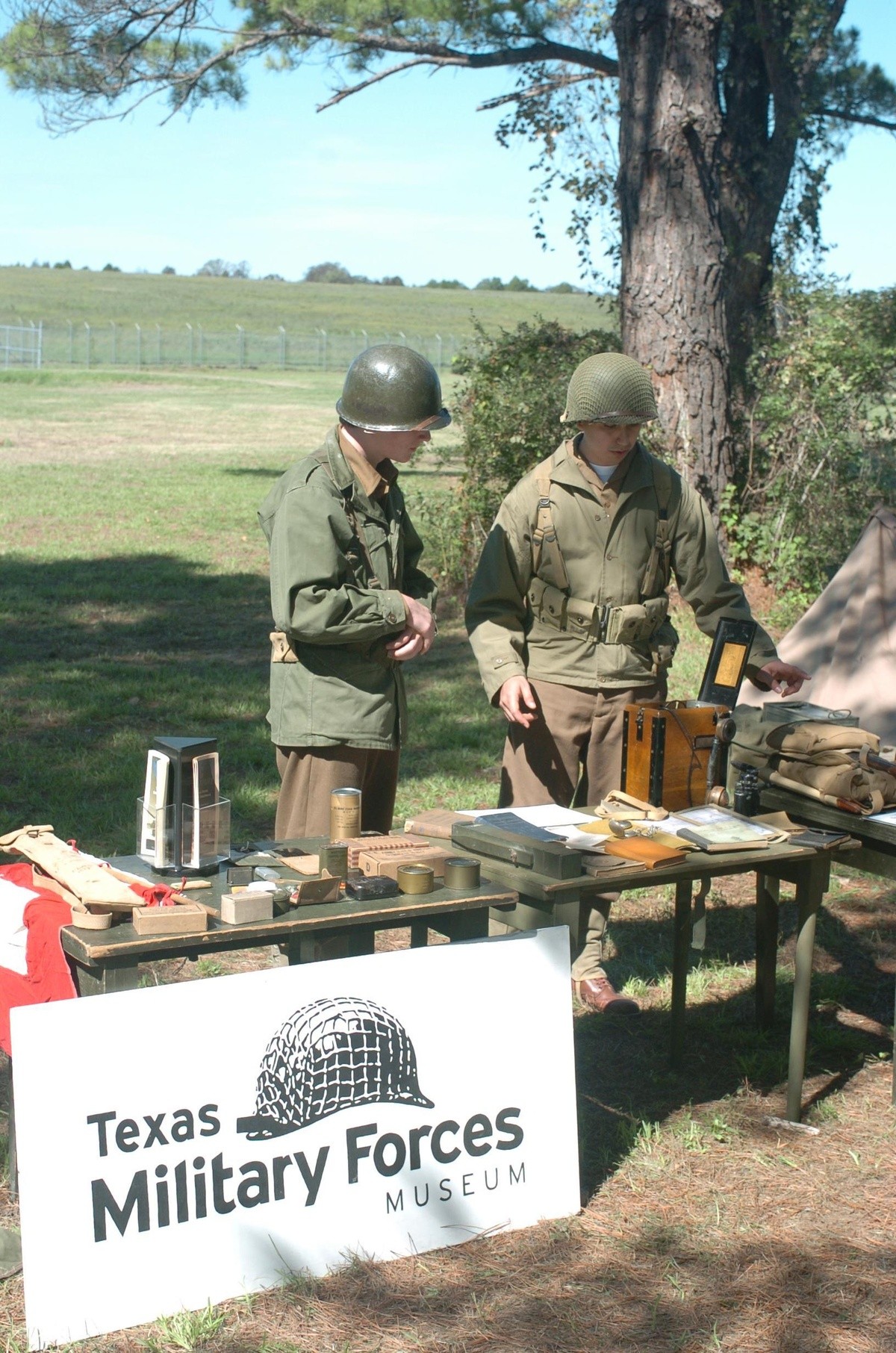
In 1986, the Adjutant General’s Department of Texas undertook to establish a museum and archival collection to tell the story of the Texas Military Forces. The following year the United States Army’s Center for Military History sanctioned the creation of a military holding and museum to be located in Austin, Texas, at Camp Mabry, headquarters of the Texas Military Forces. Under the energetic leadership of Brigadier General John C.L. Scribner, work began to collect historic vehicles, artifacts and archival material for the proposed museum.
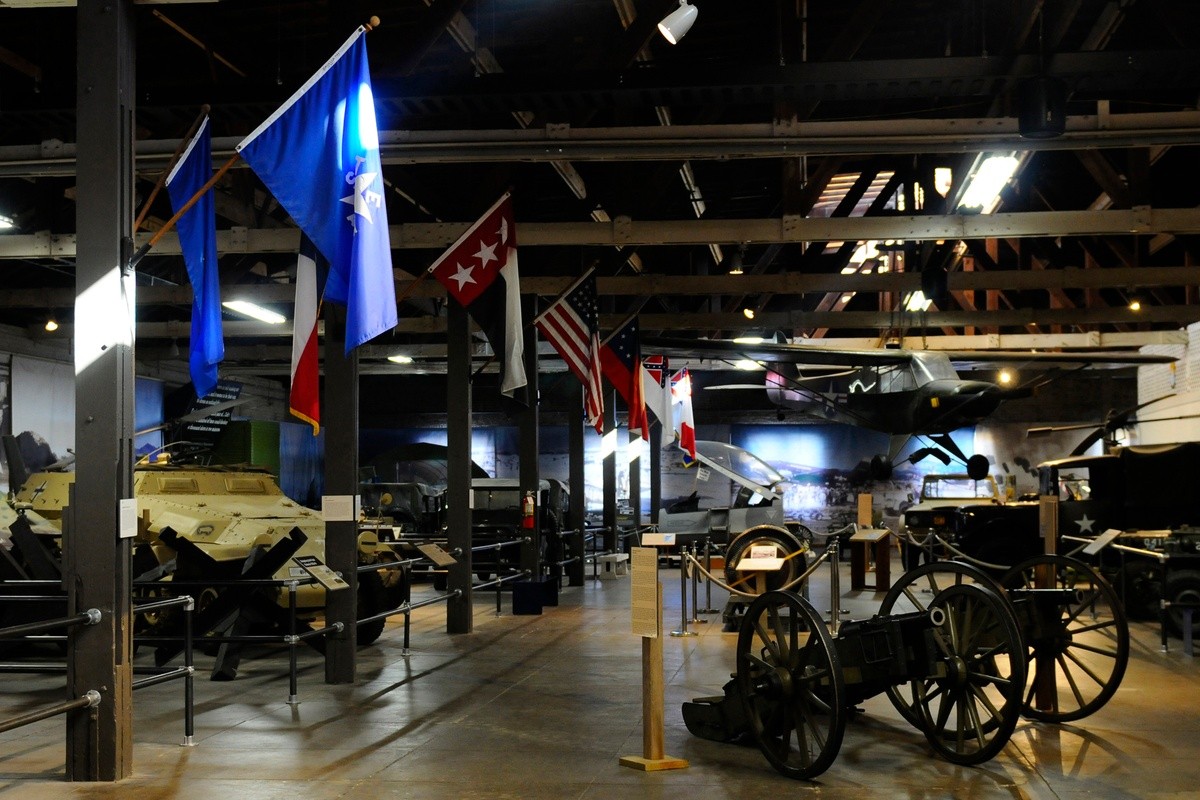
In 1990, Major General William C. Wilson designated Building 6, originally constructed in 1918 as a mess hall, as the museum’s new home. Led by General Scribner, a group of talented and devoted volunteers raised the funds necessary to convert Building 6 into a museum. Working almost exclusively with a modest amount of donated funds, as well as their own tools and equipment, they designed and created the museum’s exhibits. On November 14, 1992 the Texas Military Forces Museum opened to the public for the first time.
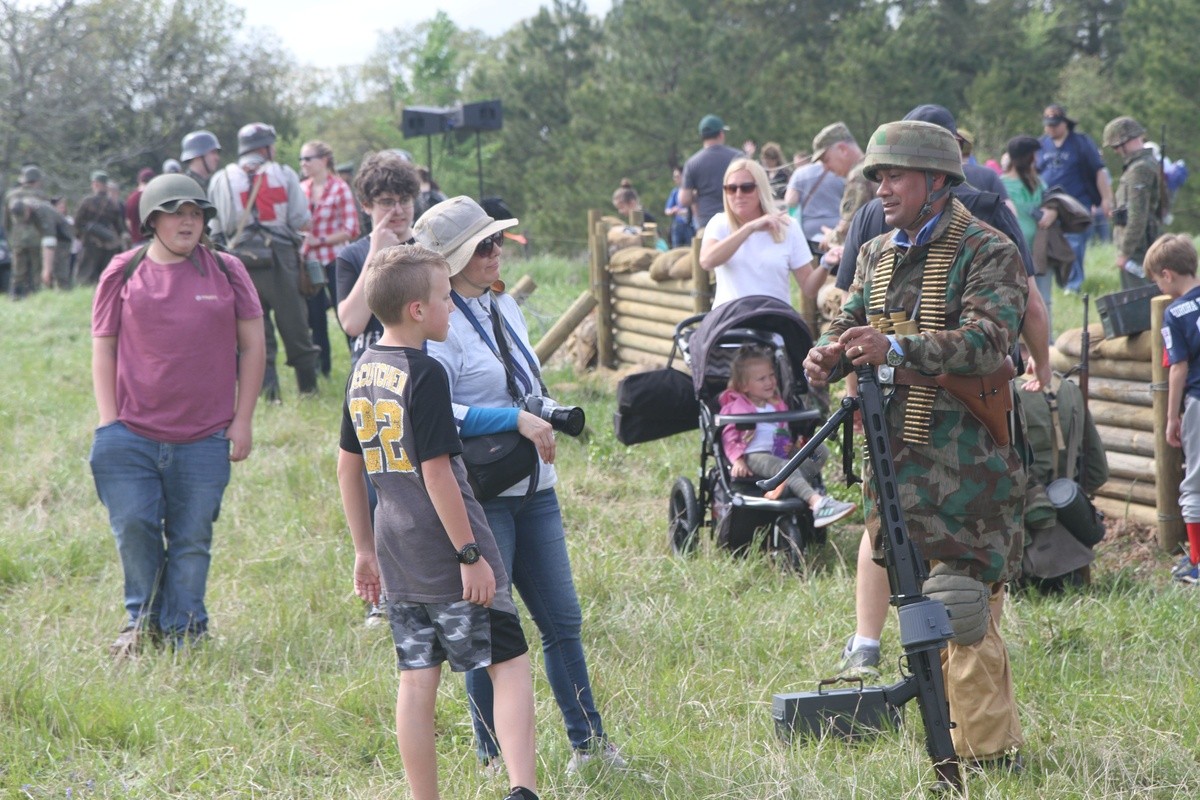
Since its inception, the museum has amassed an impressive collection of historical material and now houses more that 10,000 three-dimensional artifacts, 6,000 books, 20,000 historic photographs, more than three dozen historical military vehicles and artillery pieces, and over 600 linear feet of archival material. New items are added to this already significant collection each week.
Museum Founder
Brigadier General John C. L. Scribner was born in Laredo , Texas on January 13th, 1931. He enlisted in the Texas National Guard in 1948 as a member of the Tank Company, 141st Infantry Regiment, 36th Infantry Division. He was commissioned a second lieutenant in 1952 and served as Tank Platoon Leader, Rifle Platoon Leader, Adjutant, Operations Officer, Battalion Executive Officer and Commander of the 2nd Battalion, 141st Infantry Regiment prior to his assignment to the State Headquarters at Camp Mabry in Austin, Texas .
Brigadier General Scribner was assigned as the Commandant of the Texas National Guard Academy in 1981, and was instrumental in training over 8,000 NCO’s, specialists and officer candidates. He retired as a Colonel in 1986, with a remarkable career spanning some 38 years of dedicated service in the Texas Army National Guard.
Immediately following his retirement from the Army Guard, BG Scribner joined the Texas State Guard and assumed command of the 6th Military Police Group where he served until 1991, when he was named as the deputy Chief of Staff Operations. In 1994 he was promoted to Brigadier General and assigned to serve as the Deputy Commander for the Texas State Guard.
Upon his retirement from a remarkable military career in 1986, Brigadier General Scribner was tasked by the Adjutant General to establish a museum for the Texas Guard, without dedicated funding. It is a testament to his considerable skills that he succeeded in this task and created the backbone of the museum you see today. BG Scribner passed away on May 4, 2006. He was the driving force behind the museum from its inception and he is sorely missed by all the museum staff and volunteers.
Texas Military Forces Museum - Camp Mabry, Austin, Texas
36th Division's Honor in History: The 100th Anniversary of WWI, 75th Anniversary of WWII
25 Years Later: Texas Air Guard Pilot Recalls Protecting Air Force One on 9/11
Colonel Rolando Aguilar, an F-16 pilot with the Texas Air National Guard, recalls the morning of Sept. 11, 2001, a day off that turned into a scramble to intercept an inbound aircraft he didn't yet know was Air Force One.
Woken by his unit's crew chiefs with news that a plane had hit the World Trade Center, Harris ran for his jet and was strapped in when his wing commander gave the order: intercept an aircraft belonging to "one of our former members." Harris didn't understand what that meant until he was airborne and caught his first look at the unmistakable blue-and-white livery of Air Force One.
With the FAA having grounded every other aircraft in the country, Aguilar and his fellow Houston-based Guardsmen, flying for the same squadron a young George W. Bush once flew fighters with, escorted the president's plane toward Barksdale Air Force Base, Louisiana, carrying authorization to fire on any aircraft that failed to respond. The mission, Aguilar said, was executed "flawlessly."
Twenty-five years later, he calls it a legacy his unit can be proud of. "The National Guard stepped up," Aguilar said. "We had a role in a real important day in history."
National Guard Rescues Family During Flood Response Operations
Members of the Texas National Guard and Texas A&M Task Force 1 rescue the Bookout family during flood response operations in Crystal City, Texas, July 17, 2026. The rescue was conducted after heavy rainfall caused rivers to rise and flood residential areas, prompting emergency response efforts to assist residents affected by rising waters. (U.S. Air Force video by Staff Sgt. Derek Gutierrez)
136th Expeditionary Signal Battalion Casing Ceremony
Soldiers of the 136th Expeditionary Signal Battalion conduct a Casing Ceremony, April 6, 2026 in Houston, Texas. The Lighting Battalion Soldiers embark on a deployment within the U.S Central Command's area of operation; the 136th ESB's objective is clear, to be "The Voice of The Battlefield" by ensuring strategic and tactical communication across the region. (U.S. Army National Guard video by Spc. Jason Santillana)
Remembering Kerrville: One Year Later
One year later, the Texas Military Department remembers the devastating floods that swept through Kerr County, 29 June, 2026. Service members along with our state and federal partners worked tirelessly to save over 850 Texans impacted by this natural disaster. Together we continue to train in search and rescue operations to remain resilient and ready to assist our Texas communities. (Air National Guard video by Airman Shayla Pham)
Texas Army National Guardsmen Complete Spur Ride to Earn Their Place in the Order of the Spur
Soldiers of the 1st Squadron, 124th Cavalry Regiment, Texas Army National Guard, take part in the squadron's Spur Ride at Fort Hood, Texas, June 8-11, 2026. The four-day event tested candidates across graded lanes before inducting them into the Order of the Spur. (Air National Guard photo by Capt. Daniel Martinez)
36th Infantry Division Band wins Colonel George S. Howard Citation of Musical Excellence
The 36th Infantry Division Band is awarded the 2025 Colonel George S. Howard Citation of Musical Excellence winner. Their musical achievement is under the direction of Chief Warrant Officer 4 Jeffrey Lightsey. The Lone Star Band and its citizen soldiers continue to be the most visible public element of the Texas Military Forces, representing the Texas Army National Guard in both military and civilian events across the great state of Texas.
Texas National Guard
- May 29, 2026 Texas Guard strengthens search and rescue readiness
- July 18, 2025 Nordhaus, Raines see Heroism, Partnerships in Central Texas
- October 12, 2021 Texas National Guard hosts Egyptian Armed Forces for summit
- February 8, 2021 Texas Counterdrug supports at-risk youth program
- December 9, 2020 Texas Guardsmen serve as part of the 54th Security Forces Assistance Brigade
- October 14, 2020 Texas Guard members satisfy thirst for Lake Jackson
- July 21, 2020 Texas Guard launches innovation unit
- July 15, 2020 The Hero of Signal Mountain: The Army’s Last World War II Medal of Honor Recipient
- June 22, 2020 Texas National Guard medics conduct COVID-19 antibody tests
- May 21, 2020 Mobile Texas National Guard team conducts COVID-19 tests