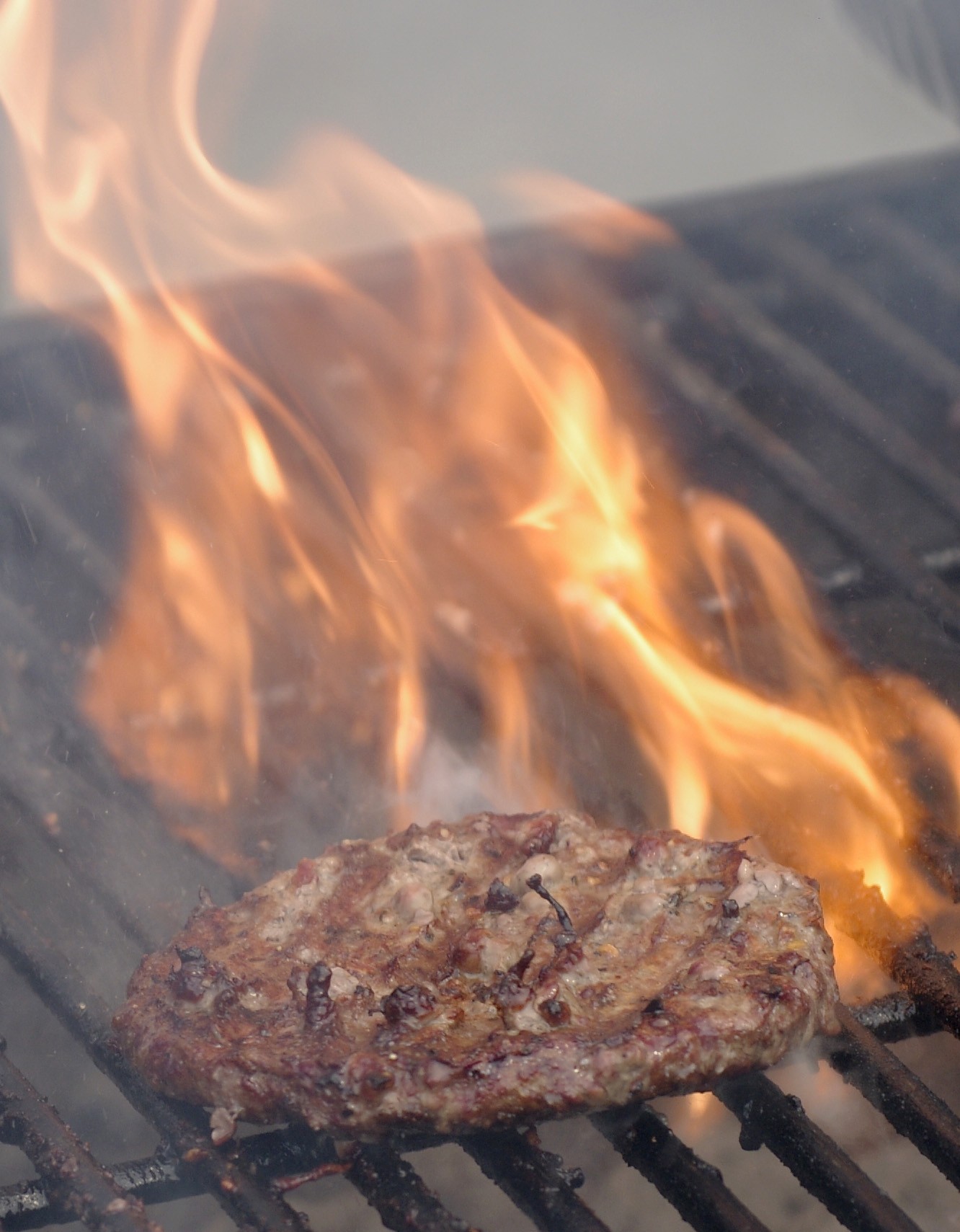
FORT GEORGE G. MEADE, Md. (June 2, 2011) -- Outdoor cooking is popular. In fact, 66 million Americans cook outdoors regularly, according to the Barbecue Industry Association. You could be one of those 66 million.
Hopefully, you will not be one of the people treated in emergency rooms this summer for injuries related to charcoal, propane and wood-burning grills.
Safety precautions:
* Instruct children on the dangers of a lit grill.
* Choose a safe grilling location away from children's play areas and areas of heavy traffic. The area should be well-ventilated to avoid danger from carbon monoxide and other combustion by-products.
* Never grill inside or even in a semi-enclosed area such as a tent or camper.
* Always grill on a flat, stable platform.
* Make sure you're not wearing clothing that could easily come in contact the fire, such as hanging shirt-tails or dangling strings.
* Never leave a grill unattended.
Propane (LP) gas grills:
* Read the owner's manual and operating instructions carefully.
* Use the exact type of tank and fuel specified.
* Check hoses and valve connections often. Do this by pouring soapy water on the connection points. If bubbles appear, retighten the connections and test again.
* Transfer and store liquid propane cylinders in an upright position and never where temperatures can reach 125 degrees.
* Follow the manufacturer's instructions whether your grill lights by match or push button igniter.
Charcoal grills:
* Do not start a fire with gasoline.
* If using an electric fire starter, use an insulated indoor/outdoor cord plugged into an outlet protected by a ground fault circuit interrupter.
* Be sure the ground is dry and you're not standing in water when plugging the starter into an outlet.
* The starter will stay hot for several minutes after use, so place it out of children's reach and on a surface that will not burn.
* If using instant-light briquettes, spread the briquettes into a single layer, making sure they touch at the edges. Light several of them at their edges with a match.
* If using standard charcoal briquettes, stack standard briquettes in a pyramid to allow air to circulate around them, causing them to light faster. Apply lighter fluid before lighting. Wait at least one minute before lighting to allow the lighter fluid to soak in. Never add fluid to the coals once they've been lit.
Flare-ups:
Fat from your meat will drip into the fire. The fire ignites the fat, causing flare-ups. The following tips can help prevent flare-ups:
* Grill low-fat meat.
* Trim excess fat from your meat.
* Place a drip pan beneath the meat to catch fat before it hits the coals.
* Don't place meat directly over the heat source.
* Keep the grill cover closed and adjust vents as necessary.
Social Sharing