
WASHINGTON — As threats to critical infrastructure evolve and military operations become increasingly dependent on electricity, the Army is reexamining how it sustains critical missions when traditional power systems are disrupted.
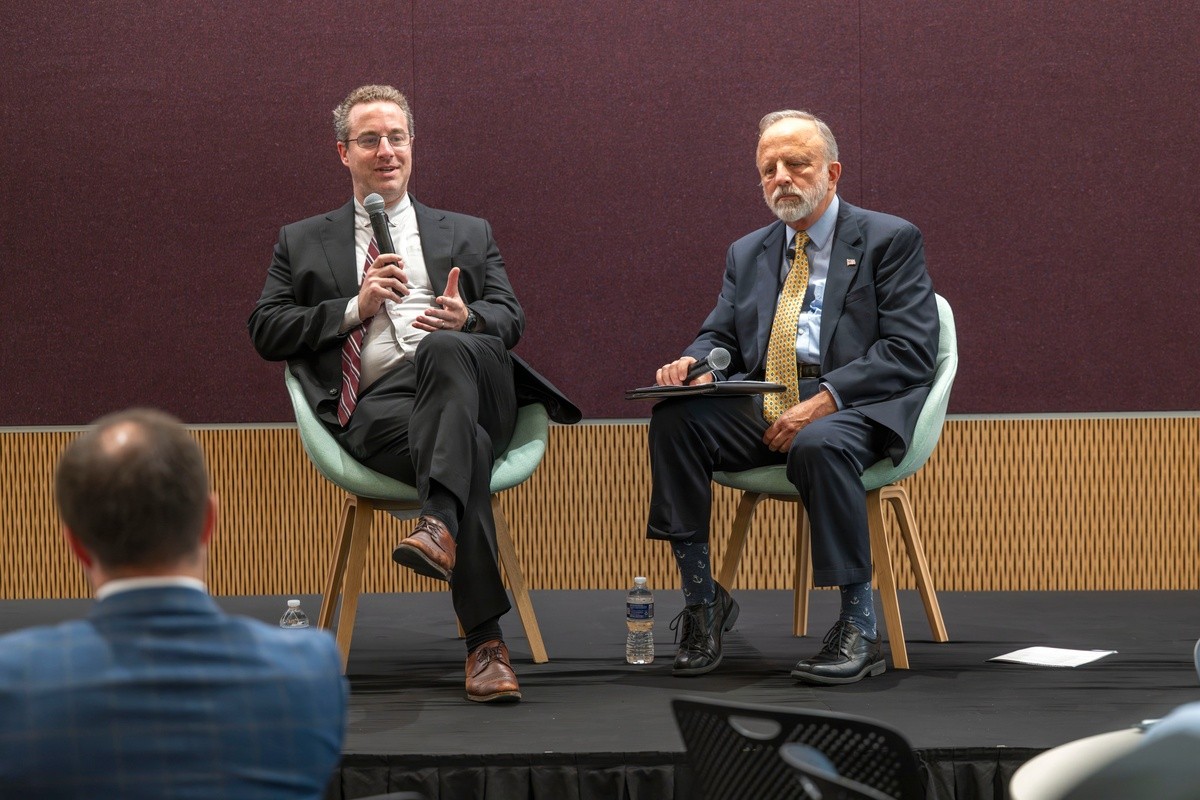
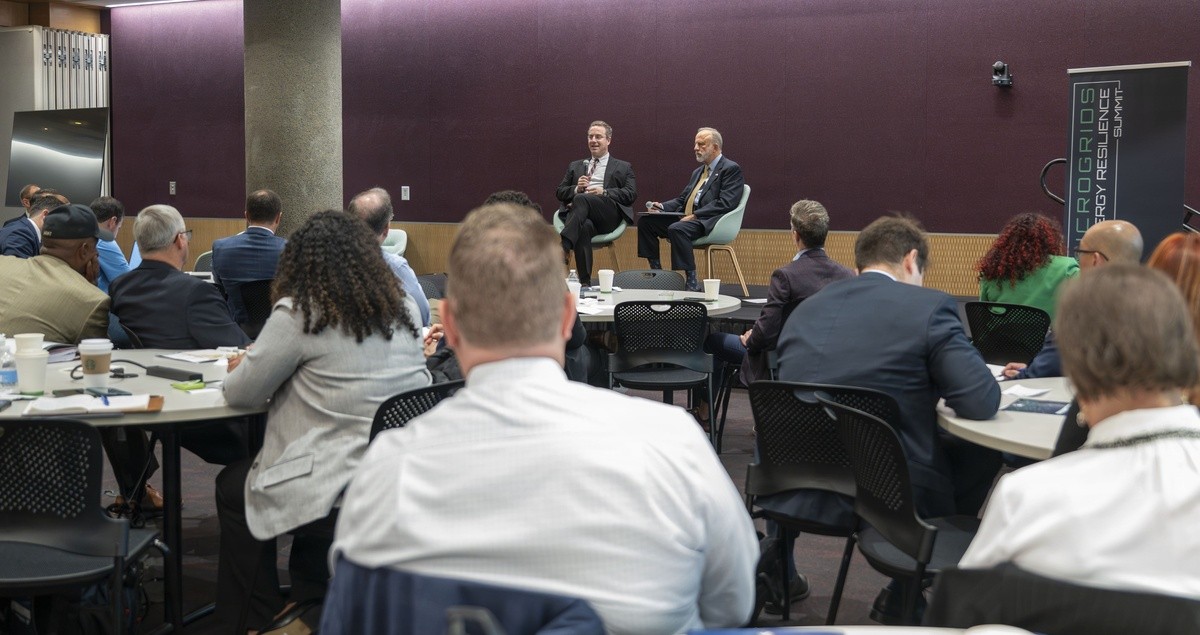
During the Defense Strategies Institute's Microgrids and Energy Resilience Summit on Nov. 4, Dr. Jeff Waksman, principal deputy assistant secretary of the Army for Installations, Energy and Environment, outlined how the Army is strengthening energy resilience through realistic testing, commercial partnerships and emerging technologies.
In a fireside chat moderated by Jack Surash, former deputy assistant secretary of the Army for Energy and Sustainability, Waksman emphasized that dependable energy is no longer simply an installation concern. It is essential to mission assurance.
What's Changed? Energy Resilience Becomes a Mission Assurance Requirement
Historically, military energy planning focused heavily on sustaining forces deployed overseas. Today, installations across the United States also support ongoing military operations, making their infrastructure increasingly important to national security.
"We now have to worry about the resiliency of these installations and how we can get to the point that, if the grid goes down, if the pipelines get taken out, how do we continue to fight?" Waksman said.
The growing dependence on interconnected electrical systems, pipelines and utilities introduces vulnerabilities that could disrupt critical missions.
Waksman acknowledged that energy limitations have not always received sufficient attention in military planning. For example, during war games, which simulate military operations to test strategies and identify potential challenges, energy shortages have sometimes been treated as separate logistical problems while the simulated fight continues.
In real-world operations, however, those shortages cannot simply be set aside. Without reliable power, the Army's ability to sustain critical missions could be compromised.
What Is the Army Doing Differently? Moving From Planning to Execution
The Army is placing greater emphasis on testing its ability to operate during electrical disruptions, expanding advanced energy systems and leveraging commercial partnerships to deliver resilient power.
Waksman highlighted Black Start Exercises, which test an installation's ability to respond to the loss of commercial power. He described an instance in which two Army installations experienced a hurricane. One had recently conducted a Black Start Exercise and restored power within hours, while the other remained without power for days.
The Army is also advancing more sophisticated microgrids that can connect critical infrastructure across installations and provide sustained power during outages, rather than relying solely on conventional backup generators.
Beyond testing and technology, Waksman described a different approach to developing energy infrastructure.
Through Enhanced Use Leases and private investment, the Army is creating opportunities for commercial developers to build energy projects on underutilized Army land. These arrangements can support surrounding communities while providing installations access to dependable power when needed.
Utilities remain essential partners, Waksman explained, because military installations depend on interconnected infrastructure and services extending beyond their boundaries.
These ongoing efforts also align with Federal Operations for Resilience, Troop Resources, Energy, Supply, and Survivability, better known as FORTRESS America, a broader Department of War initiative focused on strengthening military installations and critical infrastructure. While implementation details continue to take shape, Waksman noted that the Army was already advancing nuclear, natural gas and other energy projects before the initiative was announced.
What Does This Mean for the Future? Building Resilience Where It Matters Most
Looking ahead, the Army is pursuing a range of energy solutions, including natural gas generation, solar power paired with battery storage, potential geothermal systems and nuclear energy.
Through the Janus Program, the Army is working with five private companies to develop nuclear microreactors using an acquisition approach modeled after NASA's commercial space program. Waksman said the Army continues to pursue its goal of delivering nuclear-generated electricity to at least one military installation by Sept. 30, 2028.
Yet achieving energy resilience across every installation will take time and resources.
Waksman emphasized that the Army is prioritizing the infrastructure that is most critical to military operations, particularly its power projection platforms. This includes improving coordination among government organizations to identify critical infrastructure and focus investments where they can have the greatest operational impact.
Rather than pursuing a single solution for every installation, the Army's approach reflects the need to balance emerging technologies, practical infrastructure requirements and limited resources to strengthen readiness.
For the Army, energy resilience is more than keeping the lights on. It's about ensuring the mission continues.
Social Sharing