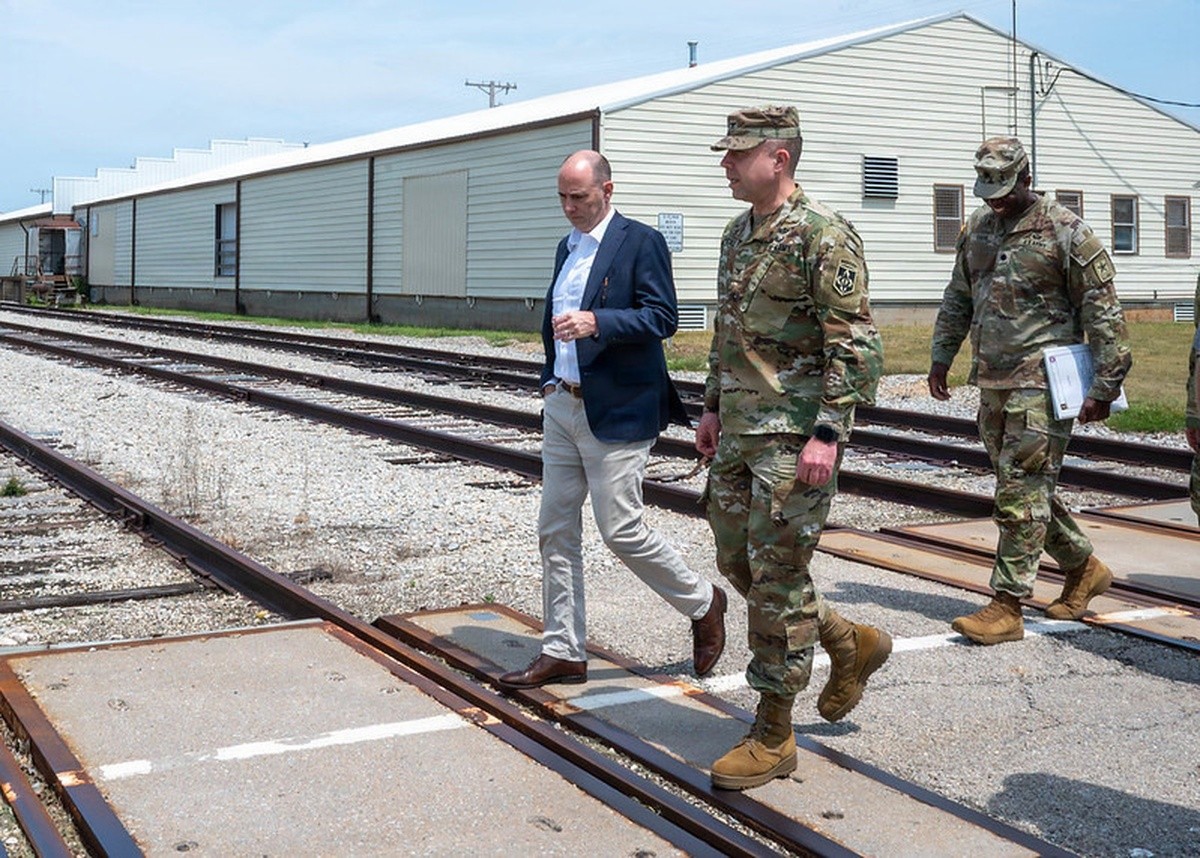
WASHINGTON — The Army is launching a comprehensive, phased effort to reform how it plans, designs, acquires and executes military construction (MILCON) projects, with several key initiatives already underway. Supported by new congressional authorities, this major step aims to deliver critical defense infrastructure up to 50 percent faster and at a 30 percent lower cost, ensuring every taxpayer dollar is spent directly on building durable, high-quality living and working spaces for Soldiers.
Historically, the legacy MILCON model relied on rigid, step-by-step processes that frequently resulted in delays, cost overruns and outdated facilities. To break this cycle, the reform effort addresses longstanding challenges by cutting administrative red tape, mandating modern building practices and reorganizing how the Army builds.
“Ultimately, what we are looking for is greater flexibility. Where it makes sense to build long-lasting structures using traditional construction, we will,” said W. Jordan Gillis, assistant secretary of the Army for installations, energy and environment. “Where a facility is needed for a shorter lifespan, we can choose a lower-cost approach suited to that need. We need as many options as possible so we can achieve the right outcomes and make our dollars go farther for Soldiers and the mission.”
A phased, collaborative approach
The Army’s transformed MILCON process will focus on four phases: planning; readiness; acquisition and design; and execution. A major shift involves merging planning and design much earlier in the project lifecycle to lock down requirements, ensure site readiness, and build cost confidence before requesting construction funds.
Rather than locking in rigid serial delivery plans, integrated design-build teams will use programmatic baselines as collaborative guardrails, giving builders and designers the agility to make smart scope and cost trades without triggering slow policy exceptions.
Embracing industrialized construction and modernization
A cornerstone of the reform will be the mandate of industrialized construction (IC) methodologies. Moving away from traditional, slow, weather-dependent, on-site building, the Army will utilize factory-built modular parts, pre-cast panelized systems, pre-engineered metal buildings (PEMB), tension fabric structures (TFS) and 3D printing. These modern commercial practices will rapidly accelerate the construction of repeatable buildings like barracks, child development centers, and hangars.
A vital, immediate focus is barracks modernization. To improve Soldier quality of life, the Army is leveraging a new Repair by Replacement (RbR) authority for eligible aging barracks projects. This allows the Army to entirely replace failing facilities with modern structures, rather than undertaking repetitive, expensive, traditional repairs that often expose hidden structural defects. The Army targeted seven RbR barracks projects in fiscal year 2026 and aims to scale up to more than 40 barracks projects in fiscal year 2027, subject to congressional funding.
Strategic agility and cutting red tape
To further accelerate delivery, the Army will be optimizing facility design lifespans from a standard 50 years to an approximately 25-year span. Requiring all facilities to be constructed for a 50-year lifespan is too rigid and wastes resources. These prolonged lifespans carry higher design and construction costs, and they risk delivering structures that the speed of innovation and changing mission requirements render obsolete well before the 50-year mark. Switching to more customized and flexible approaches, such as 25-year lifespans, will ensure structures can be easily relocated, repurposed or recapitalized as military missions and equipment evolve, preventing facilities from becoming operationally obsolete.
Additionally, redundant administrative bottlenecks will be eliminated so that resources are directed toward actual construction rather than paperwork. This streamlining effort includes several key shifts:
- Environmental and sustainability compliance: Replacing expensive third-party green certifications with strict, internal, guiding principles checklists, a transition projected to save approximately $45 million annually across the MILCON portfolio.
- National Environmental Policy Act (NEPA) reviews: Enforcing strict page limits, enforcing timelines, and narrowing the scope of environmental reviews to shorten compliance timelines from years to months.
- Electrification policy: Implementing a revised electrification policy that balances statutory environmental goals with tactical readiness and cost realities, projected to save an average of 4.3% on project costs.
- Historic preservation: Implementing a nationwide program comment under the National Historic Preservation Act of 1966 that delegates routine compliance to installations, immediately clearing over 110,000 World War II and Cold War-era structures from redundant state-level reviews.
- Endangered species consultations: Aligning construction plans with regional Integrated Natural Resource Management Plans to secure broad, upfront biological opinions, ending the cycle of fragmented, project-by-project consultations.
The reform effort will roll out deliberately in phases to ensure legal compliance, fiscal discipline, and quality assurance. As implementation continues, the Army will capture lessons learned, refine policies, and expand successful practices across the entire MILCON portfolio to deliver maximum infrastructure value for Soldiers and taxpayers alike.
Social Sharing