America's Contingency Corps trains against the drone threat of the next war

By XVIII Airborne Corps Public AffairsSeptember 21, 2026

Scarlet Dragon 26-3
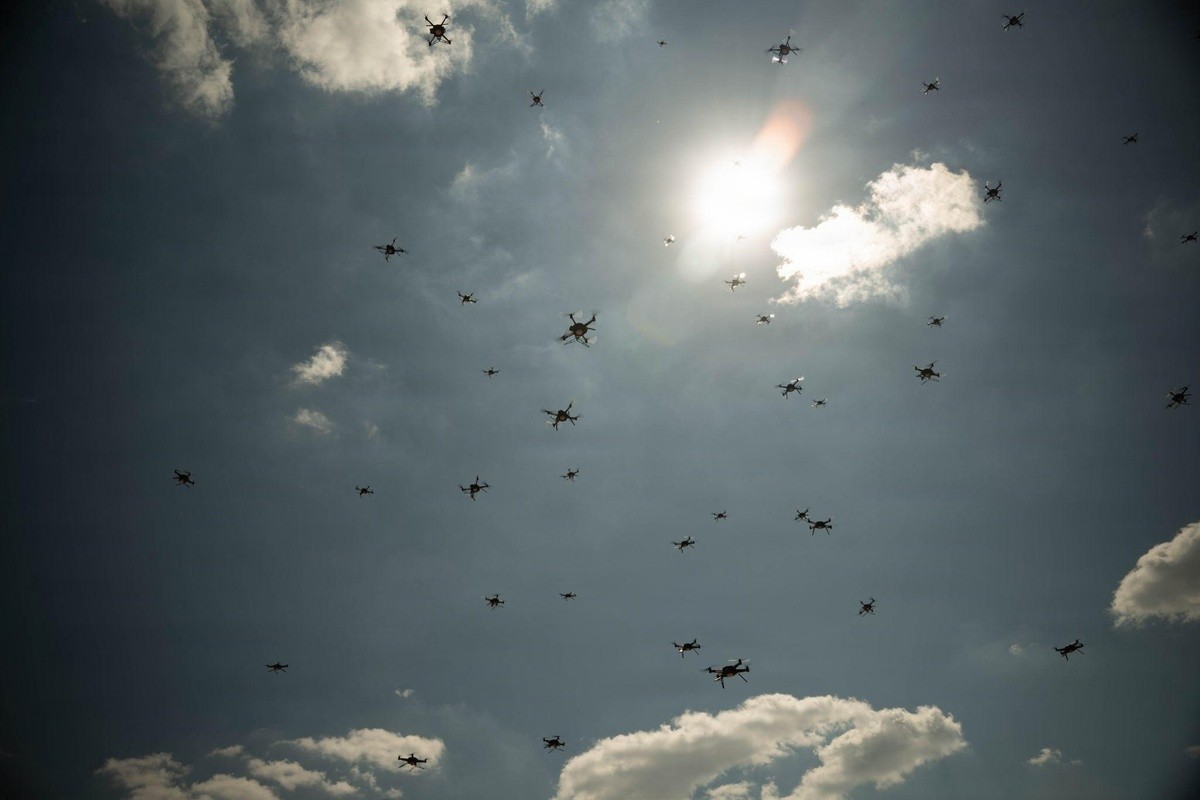
1 / 3 A drone swarm launches during the XVIII Airborne Corps’ Scarlet Dragon 26-3 at Fort Bragg, N.C., Sept. 16, 2026. During the operational stress test, 50- and 100-drone swarms were combined with other threat profiles to pressure the network across multiple echelons. Scarlet Dragon used those layered aerial attacks to validate sensor, command-and-control and air defense integration under realistic conditions. (U.S. Army photo by Sgt. Noe Cork) (Photo Credit: Sgt. Noe Cork) View original
XVIII Airborne Corps hosts Scarlet Dragon 26.3
2 / 3 An AH-64 Apache attack helicopter flies over Holland Drop Zone, Fort Bragg, N.C., during Scarlet Dragon 26-3, Sept. 16, 2026, to evaluate sensor technology intended to improve battlefield awareness. Soldiers with the XVIII Airborne Corps tested the systems to determine their effectiveness in detecting and tracking threats before integrating them into future operations. (Photo Credit: Staff Sgt. Brandon Hocson) View original
XVIII Airborne Corps hosts Scarlet Dragon 26.3
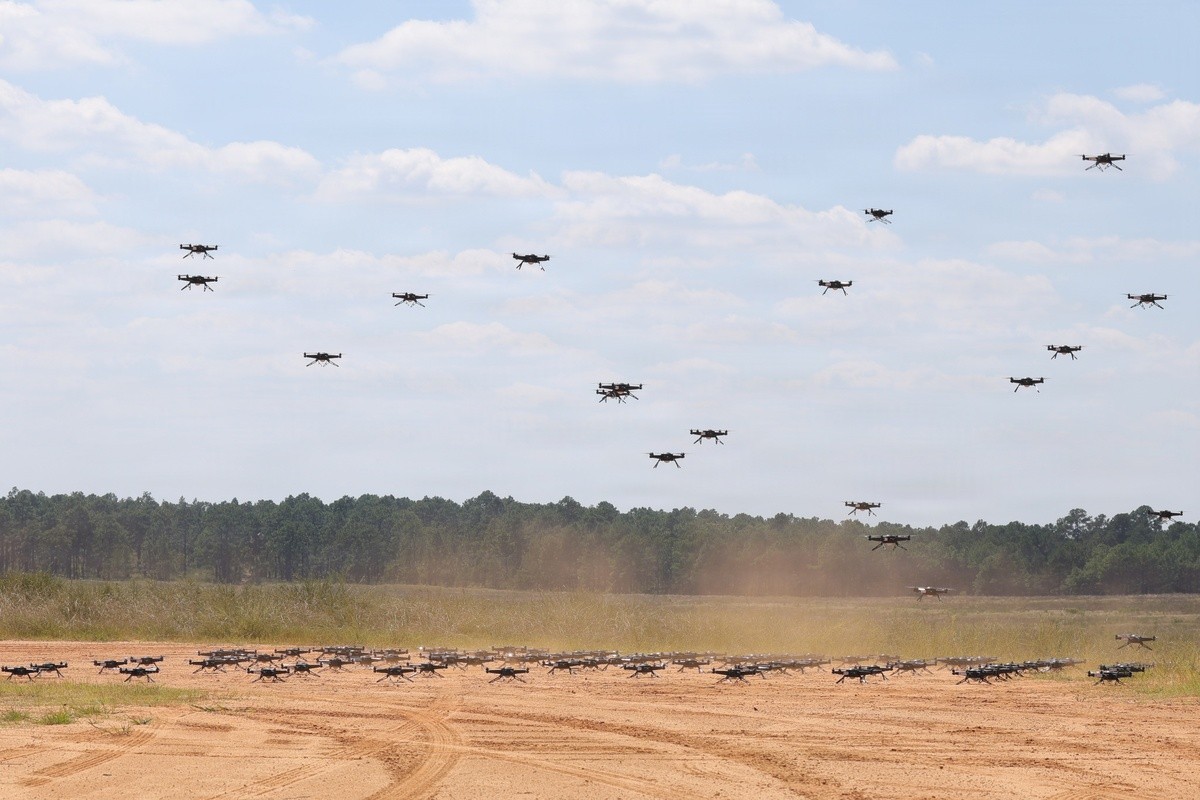
3 / 3 Small unmanned aircraft systems launch from Holland Drop Zone, Fort Bragg, N.C., during Scarlet Dragon 26-3, Sept. 16, 2026, to test the drones’ swarming capability in a simulated operational environment. Industry partners and Soldiers with the XVIII Airborne Corps evaluated the platform’s ability to operate in coordinated formation by launching dozens of aircraft simultaneously from a single site. (Photo Credit: Staff Sgt. Brandon Hocson) View original

FORT BRAGG, N.C. — The character of warfare is changing, and the growing use of unmanned aircraft systems on battlefields around the world is forcing militaries to adapt faster than ever.

At Fort Bragg, the XVIII Airborne Corps is taking on that challenge through Scarlet Dragon, an exercise that brings Soldiers and industry partners together to test emerging technology in realistic field conditions. The exercise helped the corps evaluate which capabilities can integrate across the force, including systems designed to detect, track and defeat unmanned aircraft threats.
Scarlet Dragon 26-3
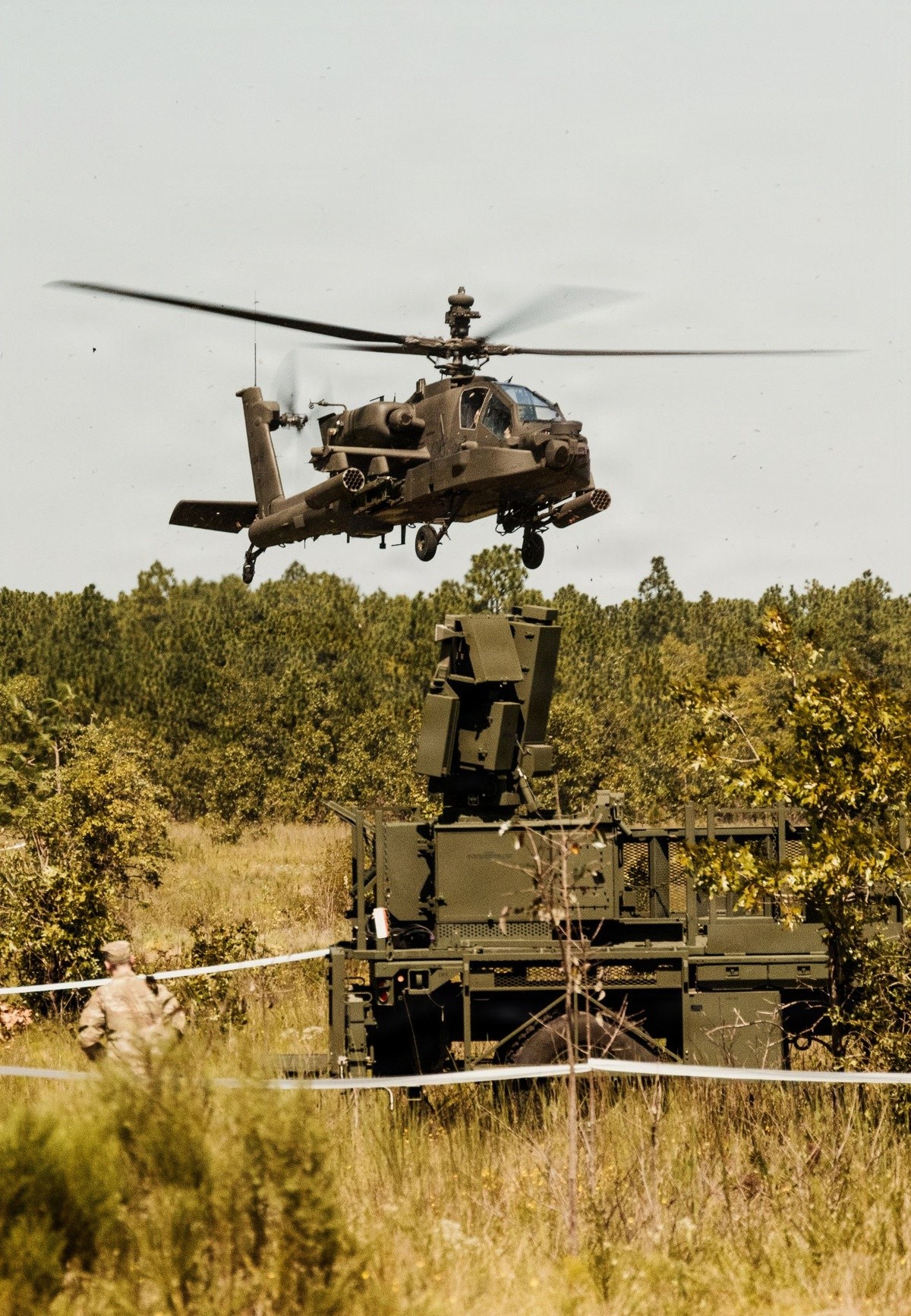
1 / 2 An AH-64 Apache helicopter flies above a Sentinel radar during the XVIII Airborne Corps’ Scarlet Dragon 26-3 at Fort Bragg, N.C., Sept. 15, 2026. Apaches from the 82nd Airborne Division Combat Aviation Brigade flew high-speed, nap-of-the-earth profiles while Sentinel radars fed tracks into a shared air picture. Scarlet Dragon tested how legacy Army systems and autonomous technology worked together against modern aerial threats. (U.S. Army photo by Pfc. Iliana Lopez) (Photo Credit: Pfc. Iliana Lopez) View original
Scarlet Dragon 26-3
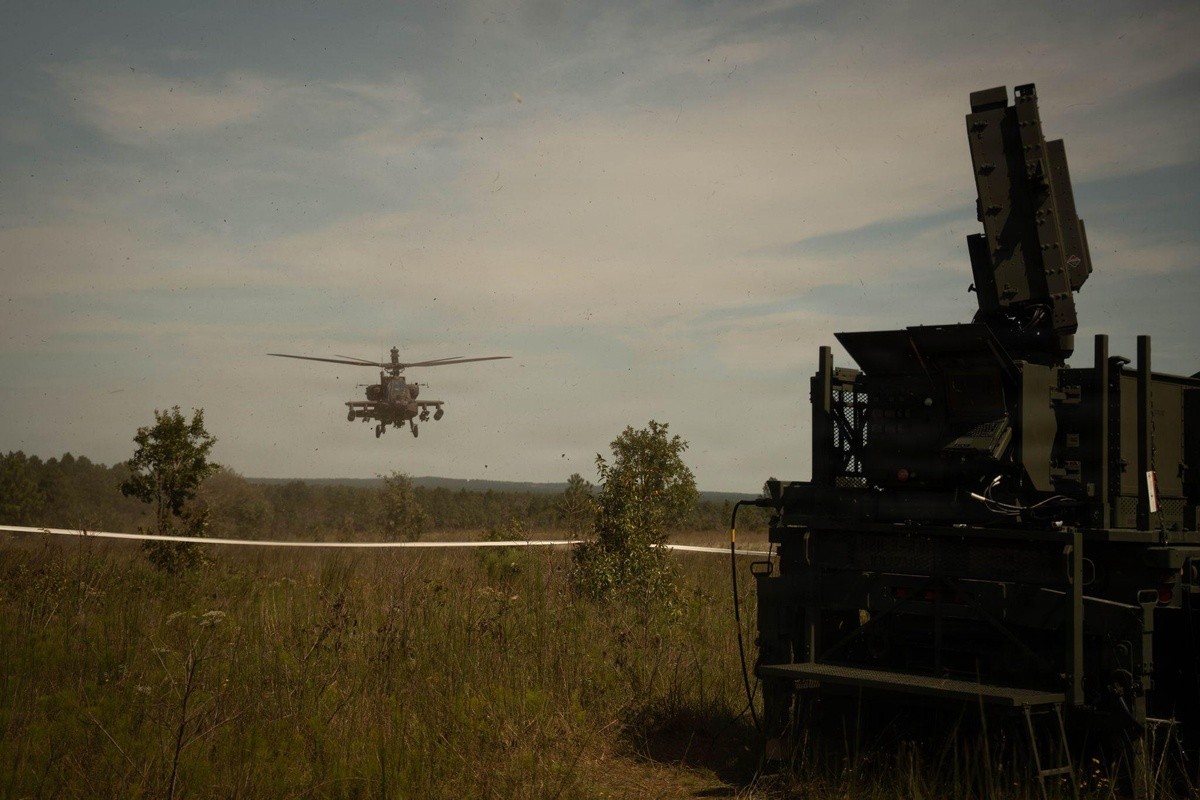
2 / 2 An AH-64 Apache helicopter conducts a low-altitude pass near a Sentinel radar during the XVIII Airborne Corps’ Scarlet Dragon 26-3 at Fort Bragg, N.C., Sept. 15, 2026. Apaches flew high-speed, nap-of-the-earth profiles while Sentinel radars helped build the shared air picture used by command posts and air defenders. Scarlet Dragon uses those profiles to stress how legacy Army systems and autonomous tools detected and tracked complex aerial threats. (U.S. Army photo by Sgt. Noe Cork) (Photo Credit: Sgt. Noe Cork) View original

“The Scarlet Dragon exercise has become a validation exercise in the dirt with Soldiers doing integrated, real-world operational-type tasks,” said Col. Tom Monahan, director of the XVIII Airborne Corps’ Joint Innovation Outpost.

The exercise, held Sept. 11-17, 2026, at Fort Bragg, combined Soldiers, military systems, artificial intelligence, resilient data pathways and industry partners to address one of the Army’s most pressing challenges: integrating sensors, electronic warfare, command-and-control and defensive fires against evolving unmanned aircraft threats.

“Basically, transitioning gaps to capability requirements that we need, capabilities that will fill the gaps, and then running them through the exercise and the experimentation to come away with our findings to support the warfighter,” said Col. Paul Staeheli, the XVIII Airborne Corps operations officer.

Rather than testing technology in isolation, Scarlet Dragon places emerging capabilities in an austere field environment where Soldiers can evaluate how they perform against realistic threats and operational problems.

Scarlet Dragon 26-3
1 / 2 A project representative prepares an unmanned aircraft system for a demonstration during XVIII Airborne Corps' Scarlet Dragon 26-3 at Fort Bragg, N.C., Sept. 15, 2026. The Corps also evaluated new UAS platforms for offensive tactical operations, not only counter-UAS defense. Scarlet Dragon tests those emerging capabilities alongside Soldiers and existing Army systems before they are fielded. (U.S. Army photo by Spc. Ra Hetep) (Photo Credit: Spc. Ra Hetep) View original
Scarlet Dragon 26-3
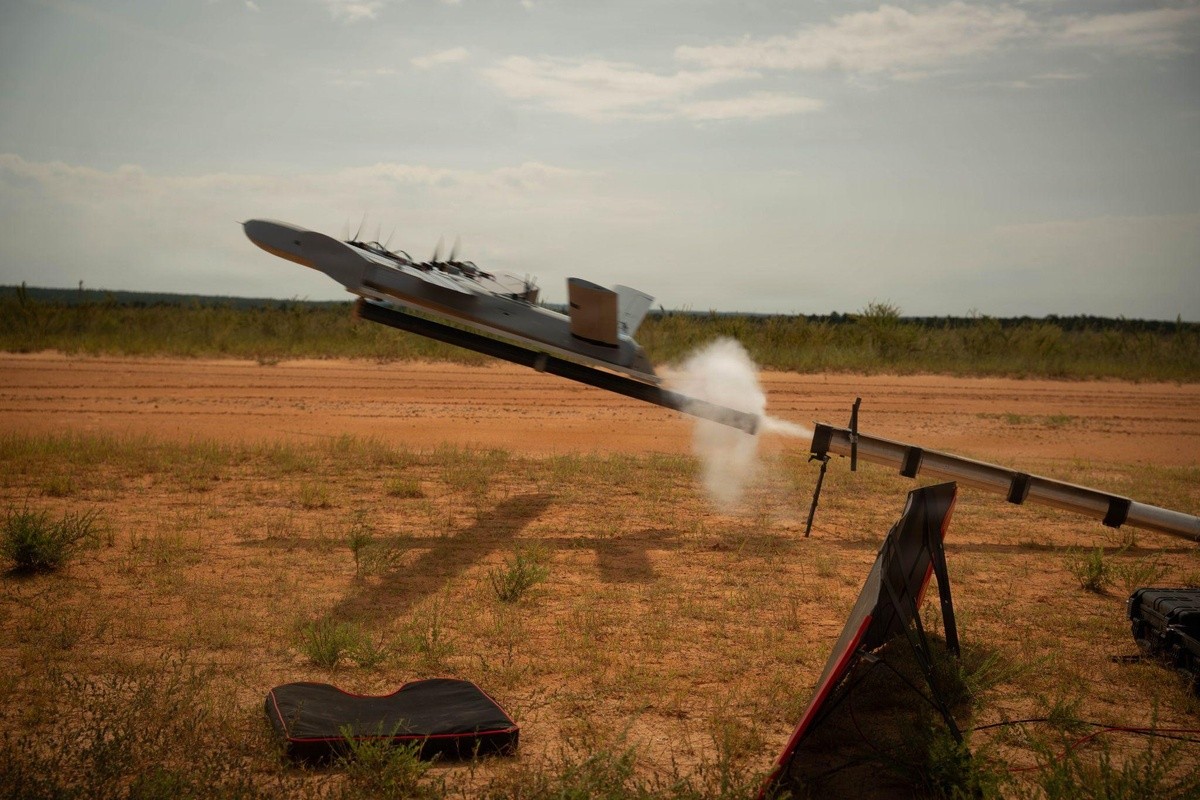
2 / 2 A fixed-wing unmanned aircraft system launches during the XVIII Airborne Corps’ Scarlet Dragon 26-3 at Fort Bragg, N.C., Sept. 15, 2026. Scarlet Dragon evaluated new unmanned aircraft system platforms for offensive tactical operations in addition to its counter-unmanned aircraft system mission. Testing emerging aircraft in a realistic field environment helped the corps assess how they could integrate with existing systems and operational workflows. (U.S. Army photo by Sgt. Noe Cork) (Photo Credit: Sgt. Noe Cork) View original

The exercise replicates tactics and capabilities Soldiers could encounter on a future battlefield, including large-scale drone swarms and systems modeled after threats seen in current conflicts. Some scenarios feature swarms of up to 100 unmanned aircraft, giving Soldiers the opportunity to train against the scale and complexity of modern drone attacks.

That threat environment allows the Corps to evaluate not only individual systems, but also how different capabilities work together.

“What we’ve found is that there’s no one sensor to rule them all,” said Col. Rob Kenny, the XVIII Airborne Corps chief of fires. “It takes an integrated, layered approach. Here at the company node, we’re working on: can we sense, can we make sense, and can we pass that information back to give time and space for our Soldiers to act?”

Electronic warfare, sensors, radar, autonomous systems and defensive fires each provide different tools for detecting, identifying and defeating unmanned aircraft. Integrating those capabilities is critical as adversaries continue to evolve their use of drones.
XVIII Airborne Corps hosts Scarlet Dragon 26.3
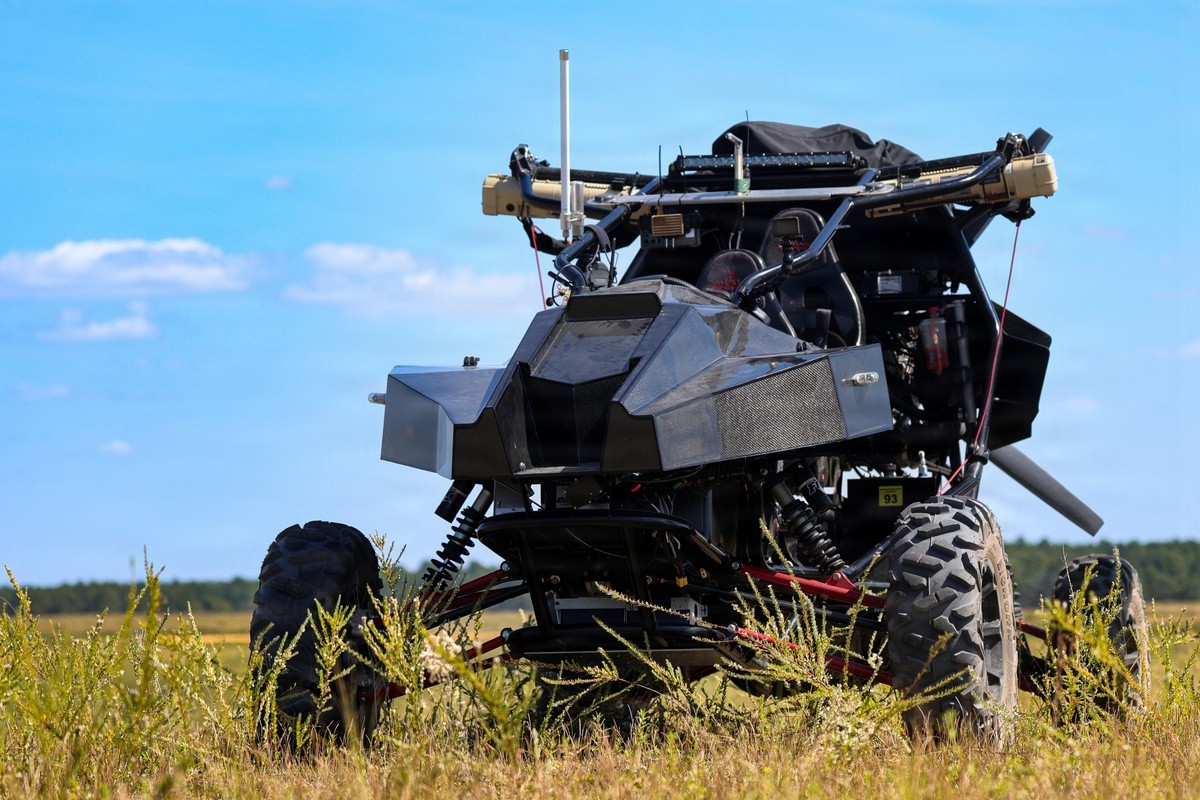
1 / 2 A dual-mode air-ground light tactical vehicle fused with an off-road utility terrain vehicle chassis sits staged at Holland Drop Zone, Fort Bragg, N.C., during Scarlet Dragon 26-3, Sept. 16, 2026, to evaluate its ability to transition between ground mobility and flight in austere environments. Soldiers with the XVIII Airborne Corps assessed the aircraft’s potential to support reconnaissance, resupply and casualty evacuation missions without relying on runways or fixed infrastructure. (Photo Credit: Staff Sgt. Brandon Hocson) View original
Scarlet Dragon 26-3
2 / 2 Modalic’s Autonomous Swarm Mothership aircraft sits on display during the XVIII Airborne Corps’ Scarlet Dragon 26-3 at Fort Bragg, N.C., Sept. 16, 2026. Configured as a mothership, the autonomous unmanned aircraft system deployed smaller drones in flight. Scarlet Dragon tested whether the network could hold the parent track, separate daughter systems and prioritize the larger threat as multiple aerial contacts appeared. (U.S. Army photo by Pfc. Iliana Lopez) (Photo Credit: Pfc. Iliana Lopez) View original

Scarlet Dragon also demonstrates how the Army can work with industry to develop and integrate new technology faster.

Leading-edge technology companies are working alongside Soldiers to identify operational problems, test potential solutions and gather feedback directly from the field. The partnership gives developers firsthand insight into how their systems perform in realistic military environments while giving Soldiers an opportunity to shape the technologies they may eventually use.

“The vendors out here are different contractors with different companies trying to show the limitations and capabilities of all their systems,” said Staff Sgt. Charles Johnson, noncommissioned officer in charge of the G34 company node. “They’re giving the full scope of what their systems can do and how it can help us in the best way possible.”

The effort extends beyond developing new equipment. The exercise examines the broader counter-UAS challenge, from passive detection technologies such as acoustic sensors and portable radar to autonomous systems and emerging capabilities designed specifically for the UAS fight.

Scarlet Dragon 26-3
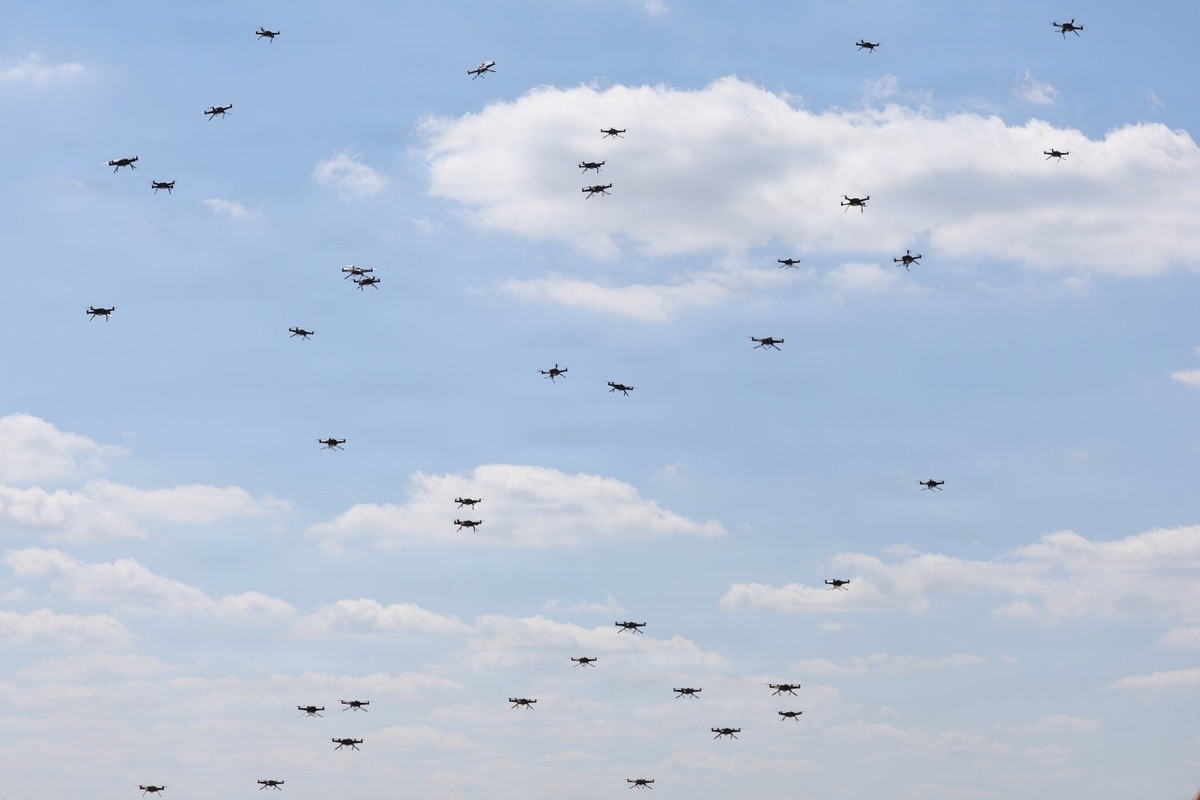
1 / 2 F11 Core drones fly in formation during a demonstration at the XVIII Airborne Corps’ Scarlet Dragon 26-3 at Fort Bragg, N.C., Sept. 16, 2026. Scarlet Dragon used small and large coordinated swarms in tactical formations to challenge sensors, software and air defense crews. These aerial threat presentations helped the corps evaluate how its counter-unmanned aircraft system network detects, tracks and responds to multiple simultaneous threats. (U.S. Army photo by Sgt. Noe Cork) (Photo Credit: Sgt. Noe Cork) View original
XVIII Airborne Corps hosts Scarlet Dragon 26.3
2 / 2 Dozens of small unmanned aircraft systems disperse across the sky above Fort Bragg, N.C., during Scarlet Dragon 26-3, Sept. 16, 2026, to test coordinated swarm flight in support of the XVIII Airborne Corps’ innovation evaluation. Industry partners and Soldiers assessed the aircraft’s ability to maintain formation and respond to commands at scale, informing decisions on which systems to advance toward fielding. (Photo Credit: Staff Sgt. Brandon Hocson) View original

That approach reflects the Corps’ broader responsibility as America’s Contingency Corps.

The exercise also reinforces a larger message about modernization: preparing for the future battlefield requires more than buying new equipment. It requires understanding emerging threats, testing solutions under realistic conditions and rapidly adapting when those solutions fall short.

Through experimentation and collaboration with industry, the XVIII Airborne Corps is working to integrate autonomous technologies with legacy systems and address a rapidly evolving unmanned aircraft threat.

The goal is not simply to observe the future of warfare, but to prepare for it.

As unmanned systems continue to reshape battlefields around the world, exercises such as Scarlet Dragon give the corps an opportunity to learn, adapt and develop the capabilities Soldiers will need to maintain an advantage in future conflicts.

The XVIII Airborne Corps will continue to validate these systems in April 2027 during Scarlet Dragon 27-1, preparing for the larger Summit Strike exercise at Fort Drum, New York, in September 2027.