
On National POW/MIA Recognition Day, the U.S. Army Chaplain Corps stands alongside Soldiers, Families, and communities nationwide to honor our nation’s former prisoners of war and solemnly remember those who remain unaccounted for.
Observed annually on the third Friday of September, this day of remembrance honors the valor and endurance of service members held in captivity and reaffirms our enduring commitment to bringing every missing warrior home. For Army chaplains and religious affairs specialists, the observance holds profound significance—serving as a time to reflect on a historic legacy of providing pastoral care through the darkest trials of conflict, captivity, and grief.
One of the most recognized examples is Chaplain (Capt.) Emil J. Kapaun, who served with the 8th Cavalry Regiment, 1st Cavalry Division, during the Korean War. A Catholic priest, Father Kapaun redefined battlefield ministry in November 1950 during the Battle of Unsan, when he voluntarily remained behind with the wounded rather than evacuating. Following his capture by Chinese forces, he was marched to Prison Camp No. 5 in Pyoktong, North Korea, where he began a legendary, self-sacrificing "ministry of presence" that sustained his fellow prisoners of war.

Under freezing, starvation conditions, Kapaun walked the camp daily, bathing the sick, foraging for food, and boiling clean water to prevent dysentery. He was the camp’s moral anchor: praying with fellow POWs, leading nightly Rosaries, and defiantly celebrating Holy Mass, including a forbidden 1951 Easter sunrise service that restored the prisoners' will to survive.
Kapaun died in captivity on May 23, 1951, and was posthumously awarded the Medal of Honor in 2013.
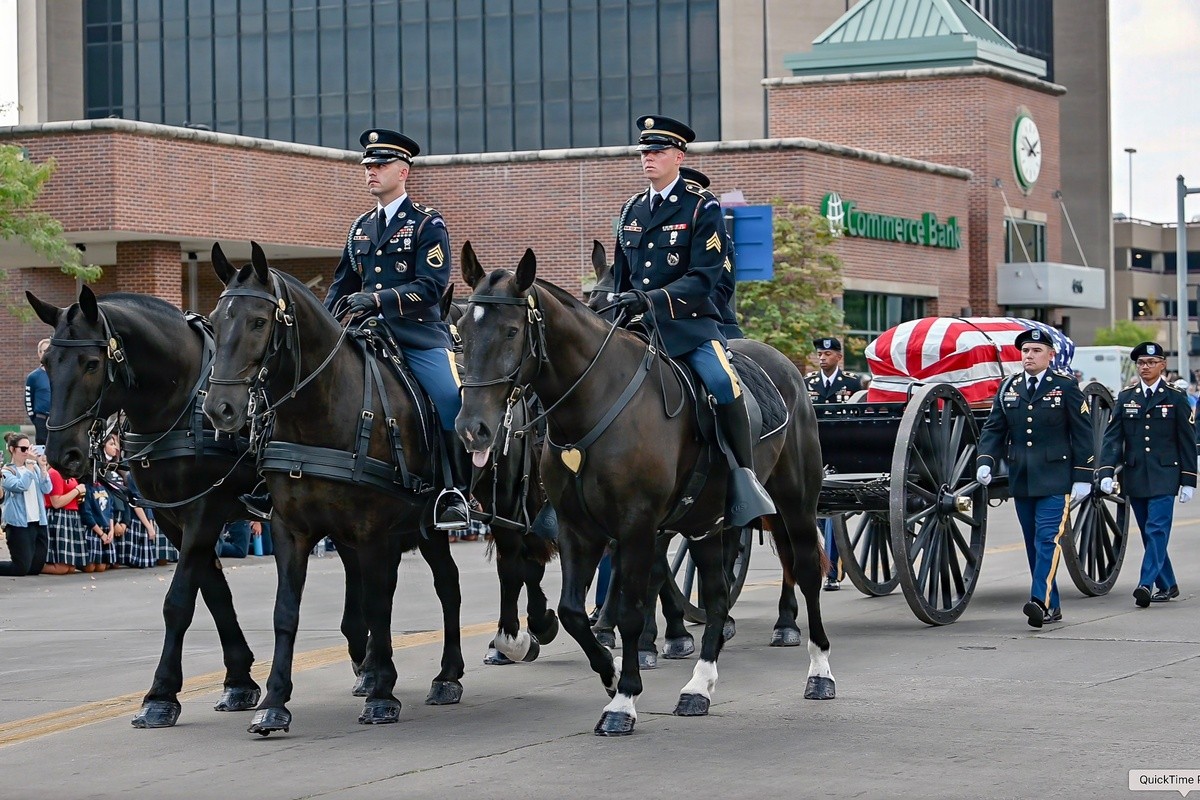
Chaplain Kapaun, a Medal of Honor recipient, died in a North Korean POW camp on May 23, 1951. Nearly 70 years later, his remains were identified in March 2021 by the Defense POW/MIA Accounting Agency. His homecoming stands as a powerful reminder of our nation’s sacred, ongoing promise: "You Are Not Forgotten." View original
For 70 years, Kapaun’s resting place was unknown. However, through the relentless work of the Defense POW/MIA Accounting Agency, his remains—buried anonymously in Hawaii since 1956—were positively identified in March 2021 using DNA and forensic analysis. In September 2021, Kapaun finally returned home to Kansas, escorted by a military caisson to be laid to rest at the Cathedral of the Immaculate Conception in Wichita. His homecoming stands as a powerful reminder of our nation’s sacred, ongoing promise: "You Are Not Forgotten."
The Defense POW/MIA Accounting Agency leads our nation’s relentless effort to account for the more than 80,000 U.S. service members who remain missing from past conflicts. Utilizing advanced forensics, the DPAA works to bring long-awaited answers to military Families. The iconic POW/MIA flag, bearing the words "You Are Not Forgotten," stands as a national promise that we will never abandon the search for those who sacrificed everything.
POW/MIA Recognition Day honors former prisoners of war, remembers those who have not returned home, and recognizes the Families who continue to await answers. For Army chaplains and religious affairs specialists, the observance reflects a commitment to standing alongside Soldiers and Families, providing unwavering pastoral care through the unique challenges of military service.
Social Sharing