Synthetic cannabinoids and kratom are often marketed as “natural,” “legal” or “safe alternatives” to cannabis or prescription medications, but those claims can be misleading. For Soldiers, using these substances can jeopardize their health, their unit’s readiness and their career.
Although synthetic cannabinoids and kratom are chemically different, both are prohibited under Army policy because they pose risks to safety and mission performance.
“Army policy prohibits Soldiers from using, possessing or distributing synthetic cannabinoids and kratom. Violations can lead to disciplinary or administrative action and put a Soldier’s career at risk,” said Andrea Donoghue, Army Substance Abuse Program Manager.
Synthetic cannabinoids are human-made chemicals designed to mimic THC, the psychoactive ingredient in cannabis. They are not a safer alternative.
Manufacturers frequently alter their chemical formulas to stay ahead of laws. These changes make synthetic cannabinoids unpredictable from one batch to the next. There is no reliable way to know what a product contains or how it will affect the body.
Synthetic cannabinoids can cause severe, sudden physical and psychological reactions. Users may experience dangerously rapid heart rate, severe anxiety, intense paranoia, hallucinations and even seizures.
These products are often easy to find online or in local shops and may appear legitimate. They are commonly labeled “herbal blend,” “legal high” or “cannabis-free.” But professional-looking packaging does not mean a product is safe or permitted under Army policy.
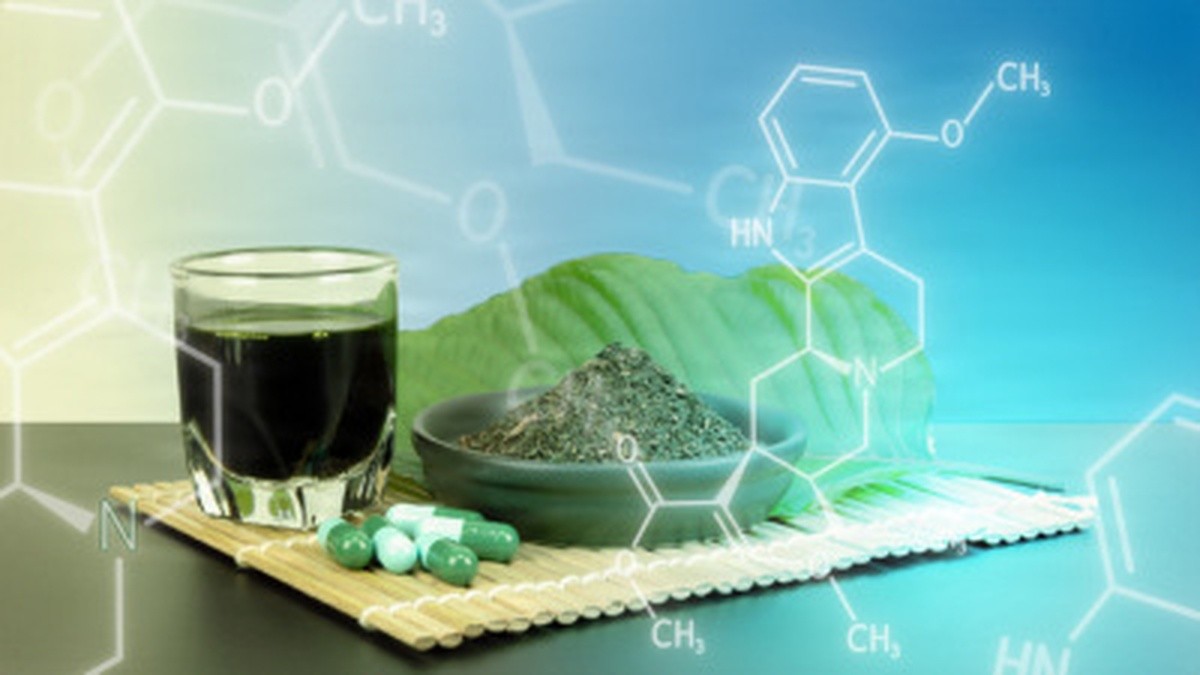
Kratom is derived from the leaves of a tree native to Southeast Asia and is often marketed as a natural remedy or dietary supplement. It is sold in powders, capsules, teas, gummies and vapes.
Its active chemical compounds can mimic opioid effects, impair cognitive and physical performance, pose overdose risks and cause long-term health consequences. Like synthetic cannabinoids, kratom products may seem harmless because of “all-natural” branding. However, natural doesn’t mean safe, and it doesn’t mean it’s allowed.
“Soldiers who test positive for synthetic cannabinoids or kratom will be referred for a substance use disorder evaluation. They’ll also be required to complete the Army Substance Abuse Program’s Alcohol and Drug Abuse Prevention Training,” said Donoghue.
Leaders, peers and Family members should watch for changes in Soldiers, such as withdrawing from others, sudden mood swings, unusual irritability, struggling to perform duties or poor decision-making. These behaviors do not always indicate substance misuse, but they may be signs that someone is having a difficult time and needs support.
Reducing risk across the force starts with staying informed, rejecting misleading marketing and making responsible choices. If you or someone you know is struggling, contact your installation Army Substance Abuse Program office, Substance Use Disorder Clinical Care or speak with your chain of command.
Additional services for counseling, referrals and crisis response:
- SAMHSA National Helpline: 800-662-HELP (4357) for referrals to local treatment facilities, support groups and community-based organizations.
- 988 Suicide & Crisis Lifeline: Dial 988 and press 1; available 24/7 for mental health crises, emotional distress or substance use concerns.
Social Sharing