1 / 4
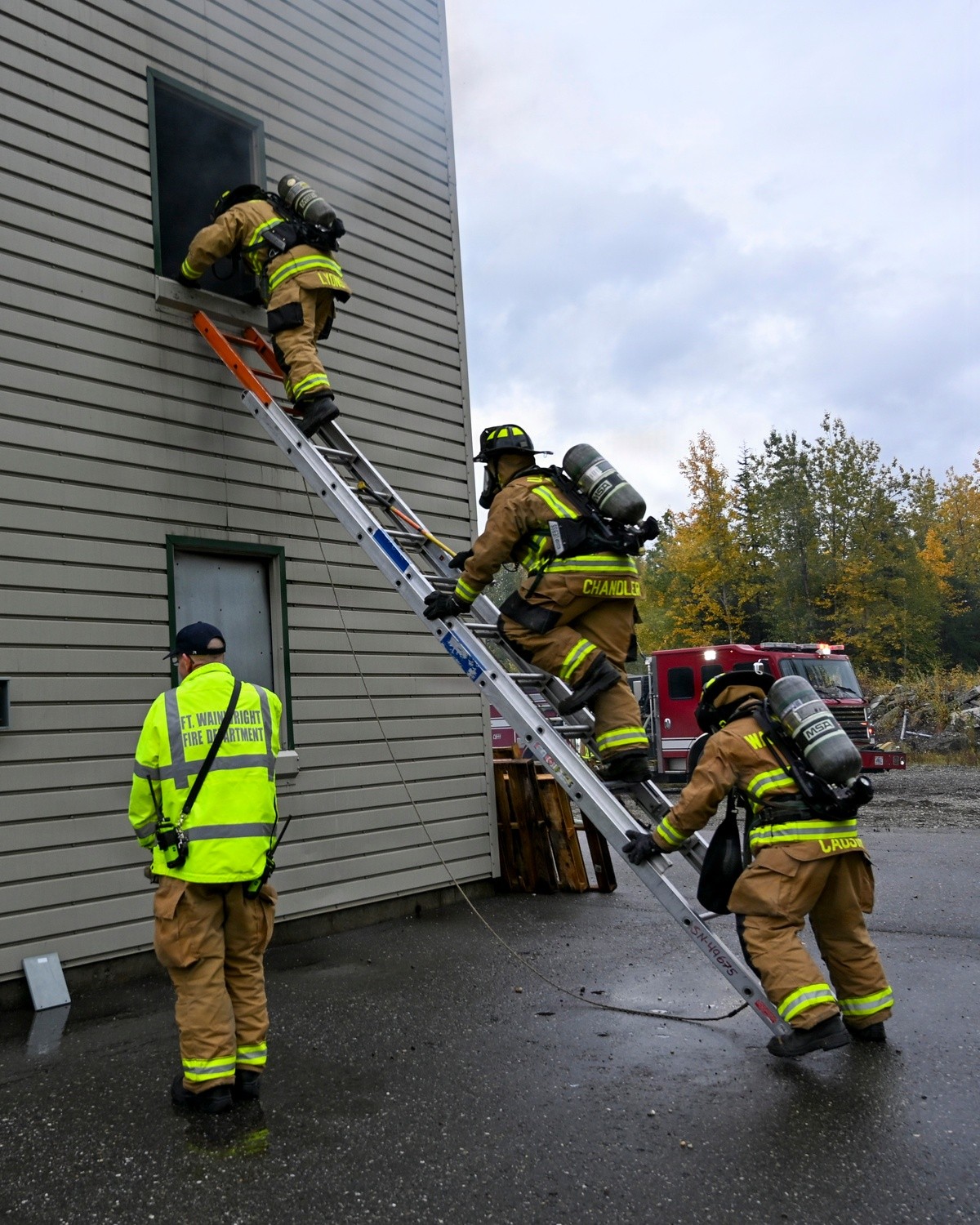
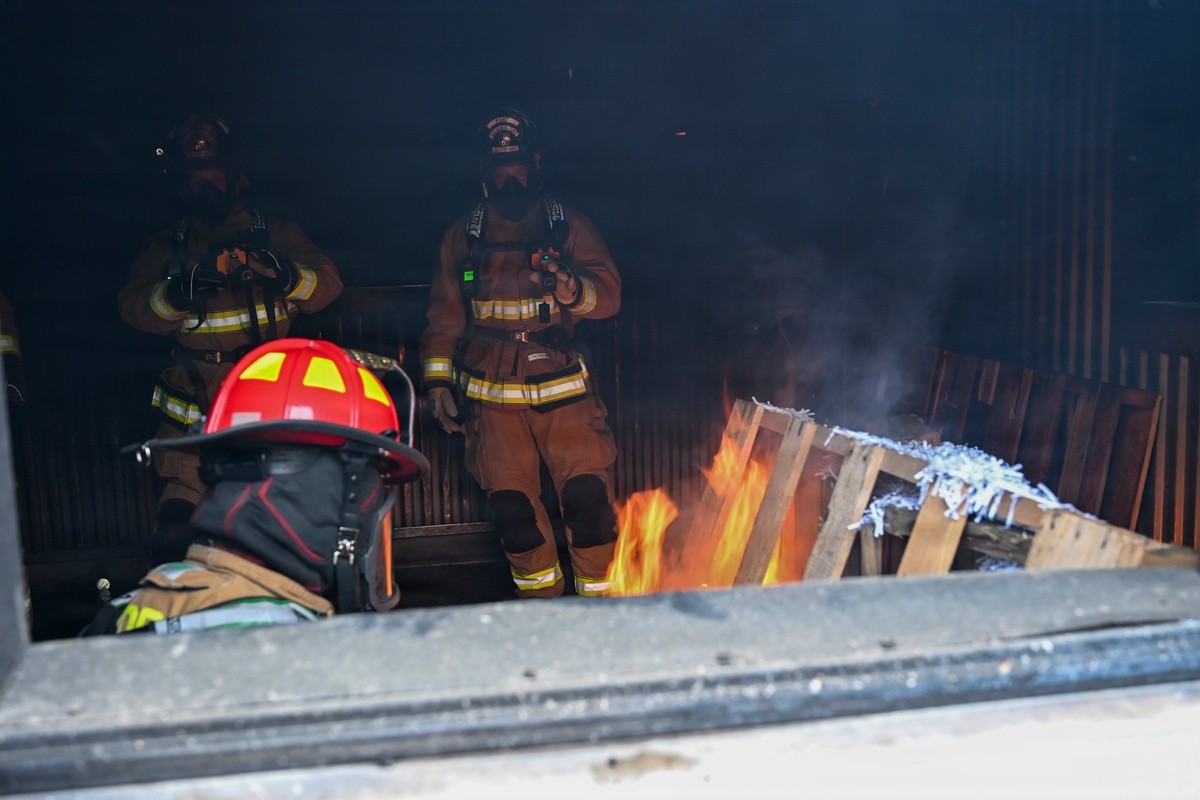
U.S. Army firefighters assigned to Fort Wainwright Fire Department Stations 1, 2, and 3 conduct annual live-fire training evolutions at the garrison Firefighting Trainer facility at Fort Wainwright, Alaska, Sept. 12, 2026. The high-intensity exercise tested crews in interior fire attacks, second-story entries, and roof ventilation under extreme heat conditions to strengthen operational readiness and safety across the installation.
(Photo by Brady Gross, U.S. Army Garrison Alaska, Fort Wainwright Public Affairs)
(Photo Credit: Brady Gross)View original2 / 4
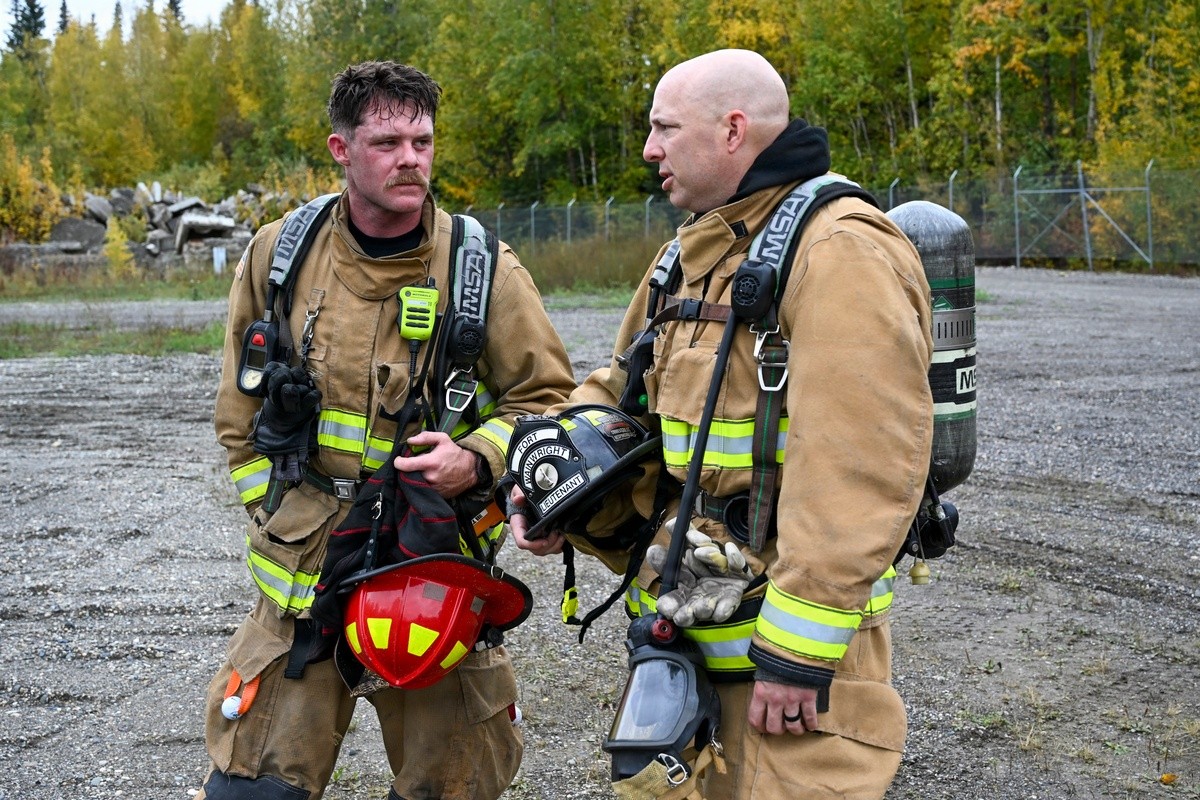
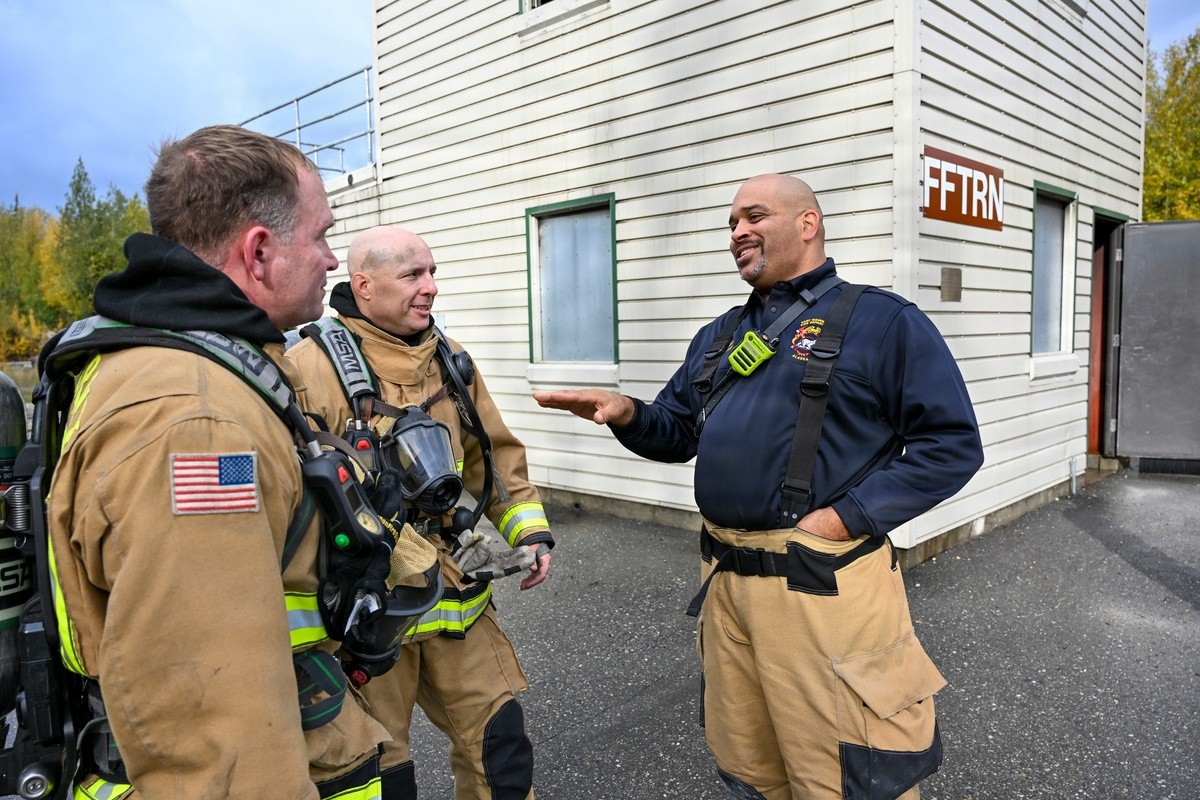
U.S. Army Garrison Alaska, Fort Wainwright command leadership, Garrison Commander Col. John Campbell and Command Sgt. Maj. Eric Dingman engage Fort Wainwright Fire Department firefighters during annual live-fire training evolutions at Fort Wainwright, Alaska, Sept. 12, 2026. The high-intensity exercise tested crews from Stations 1, 2, and 3 in interior fire attacks, second-story entries, and roof ventilation under extreme heat conditions to strengthen operational readiness and installation safety.
(Photo by Brady Gross, U.S. Army Garrison Alaska, Fort Wainwright Public Affairs)
(Photo Credit: Brady Gross)View original3 / 4
U.S. Army firefighters assigned to Fort Wainwright Fire Department Stations 1, 2, and 3 conduct annual live-fire training evolutions at the garrison Firefighting Trainer facility at Fort Wainwright, Alaska, Sept. 12, 2026. The high-intensity exercise tested crews in interior fire attacks, second-story entries, and roof ventilation under extreme heat conditions to strengthen operational readiness and safety across the installation.
(Photo by Brady Gross, U.S. Army Garrison Alaska, Fort Wainwright Public Affairs)
(Photo Credit: Brady Gross)View original4 / 4
U.S. Army firefighters assigned to Fort Wainwright Fire Department Stations 1, 2, and 3 conduct annual live-fire training evolutions at the garrison Firefighting Trainer facility at Fort Wainwright, Alaska, Sept. 12, 2026. The high-intensity exercise tested crews in interior fire attacks, second-story entries, and roof ventilation under extreme heat conditions to strengthen operational readiness and safety across the installation.
(Photo by Brady Gross, U.S. Army Garrison Alaska, Fort Wainwright Public Affairs)
(Photo Credit: Brady Gross)View original
FORT WAINWRIGHT, Alaska — Fort Wainwright Fire Department crews from Stations 1, 2 and 3 conducted annual live-fire training Sept. 12, 2026, at the garrison Firefighting Trainer facility to sharpen core emergency tactics.
The high-intensity exercise pushed firefighters through interior fire attacks, second-story breaches, thermal tracking and roof ventilation tactics under extreme temperatures reaching 800 degrees Fahrenheit. The realistic scenarios tested air-management protocols, proper equipment selection and clear radio communications under pressure.
"This is one of the best trainings that we can do," said Battalion Chief Jason Davis. "A lot of these guys are younger. When they're around the station and running on smells and bells, it doesn't become real until they actually get out on a fire."
Proper communication remained a central focus during the evolutions, directly impacting firefighter safety on the ground.
"Communication is the number one downfall on the ground," Davis said. "That's how people get hurt. If somebody ventilates something when the fire attack is not ready, it can push a fire directly onto the crew."
1 / 4
U.S. Army firefighters assigned to Fort Wainwright Fire Department Stations 1, 2, and 3 conduct annual live-fire training evolutions at the garrison Firefighting Trainer facility at Fort Wainwright, Alaska, Sept. 12, 2026. The high-intensity exercise tested crews in interior fire attacks, second-story entries, and roof ventilation under extreme heat conditions to strengthen operational readiness and safety across the installation.
(Photo by Brady Gross, U.S. Army Garrison Alaska, Fort Wainwright Public Affairs)
(Photo Credit: Brady Gross)View original2 / 4
U.S. Army Garrison Alaska, Fort Wainwright Provost Marshal Kurt Boehm, engages with Fort Wainwright Fire Department firefighters during annual live-fire training evolutions at Fort Wainwright, Alaska, Sept. 12, 2026. The high-intensity exercise tested crews from Stations 1, 2, and 3 in interior fire attacks, second-story entries, and roof ventilation under extreme heat conditions to strengthen operational readiness and installation safety.
(Photo by Brady Gross, U.S. Army Garrison Alaska, Fort Wainwright Public Affairs)
(Photo Credit: Brady Gross)View original3 / 4
U.S. Army firefighters assigned to Fort Wainwright Fire Department Stations 1, 2, and 3 conduct annual live-fire training evolutions at the garrison Firefighting Trainer facility at Fort Wainwright, Alaska, Sept. 12, 2026. The high-intensity exercise tested crews in interior fire attacks, second-story entries, and roof ventilation under extreme heat conditions to strengthen operational readiness and safety across the installation.
(Photo by Brady Gross, U.S. Army Garrison Alaska, Fort Wainwright Public Affairs)
(Photo Credit: Brady Gross)View original4 / 4
U.S. Army Garrison Alaska, Fort Wainwright command leadership, Garrison Commander Col. John Campbell and Command Sgt. Maj. Eric Dingman, engage Fort Wainwright Fire Department firefighters during annual live-fire training evolutions at Fort Wainwright, Alaska, Sept. 12, 2026. The high-intensity exercise tested crews from Stations 1, 2, and 3 in interior fire attacks, second-story entries, and roof ventilation under extreme heat conditions to strengthen operational readiness and installation safety.
(Photo by Brady Gross, U.S. Army Garrison Alaska, Fort Wainwright Public Affairs)
(Photo Credit: Brady Gross)View original
Garrison Commander Col. John Campbell joined Command Sgt. Maj. Eric Dingman and Provost Marshal Lt. Col. Kurt Boehm on site to participate in the evolutions firsthand. Involving command leadership at the trainer provided an unfiltered view of the physical demands and split-second decisions firefighters face in high-heat environments, reinforcing garrison support for operational and community readiness.
1 / 4
U.S. Army Garrison Alaska, Fort Wainwright Commander, Col. John Campbell, engages Fort Wainwright Fire Department firefighters during annual live-fire training evolutions at Fort Wainwright, Alaska, Sept. 12, 2026. The high-intensity exercise tested crews from Stations 1, 2, and 3 in interior fire attacks, second-story entries, and roof ventilation under extreme heat conditions to strengthen operational readiness and installation safety.
(Photo by Brady Gross, U.S. Army Garrison Alaska, Fort Wainwright Public Affairs)
(Photo Credit: Brady Gross)View original2 / 4
U.S. Army Garrison Alaska, Fort Wainwright command leadership, including Garrison Commander Col. John Campbell, Command Sgt. Maj. Eric Dingman and Provost Marshal Kurt Boehm, observe Fort Wainwright Fire Department firefighters during annual live-fire training evolutions at Fort Wainwright, Alaska, Sept. 12, 2026. The high-intensity exercise tested crews from Stations 1, 2, and 3 in interior fire attacks, second-story entries, and roof ventilation under extreme heat conditions to strengthen operational readiness and installation safety.
(Photo by Brady Gross, U.S. Army Garrison Alaska, Fort Wainwright Public Affairs)
(Photo Credit: Brady Gross)View original3 / 4
U.S. Army Garrison Alaska, Fort Wainwright command leadership, Garrison Commander Col. John Campbell and Command Sgt. Maj. Eric Dingman engage Battalion Chief Jason Davis during annual live-fire training evolutions at Fort Wainwright, Alaska, Sept. 12, 2026. The high-intensity exercise tested crews from Stations 1, 2, and 3 in interior fire attacks, second-story entries, and roof ventilation under extreme heat conditions to strengthen operational readiness and installation safety.
(Photo by Brady Gross, U.S. Army Garrison Alaska, Fort Wainwright Public Affairs)
(Photo Credit: Brady Gross)View original4 / 4
U.S. Army Garrison Alaska, Fort Wainwright Command Sgt. Maj. Eric Dingman, engages Fort Wainwright Fire Department firefighters during annual live-fire training evolutions at Fort Wainwright, Alaska, Sept. 12, 2026. The high-intensity exercise tested crews from Stations 1, 2, and 3 in interior fire attacks, second-story entries, and roof ventilation under extreme heat conditions to strengthen operational readiness and installation safety.
(Photo by Brady Gross, U.S. Army Garrison Alaska, Fort Wainwright Public Affairs)
(Photo Credit: Brady Gross)View original
Campbell emphasized that the core purpose behind every training remains the safety and protection of Fort Wainwright’s resident families and installation community. Coming directly off the garrison’s Sept. 11 remembrance ceremony the day prior, Campbell noted that those memories and the legacy of first responder sacrifice were still fresh, giving the exercise an added layer of purpose for everyone on site.
While this specific live-fire training is only an annual requirement, every training is an opportunity to build up tactical reps through realistic stress. Ensuring garrison fire crews maintain the proficiency needed, is crucial to protect Fort Wainwright Soldiers, resident families, and the surrounding community.





Social Sharing