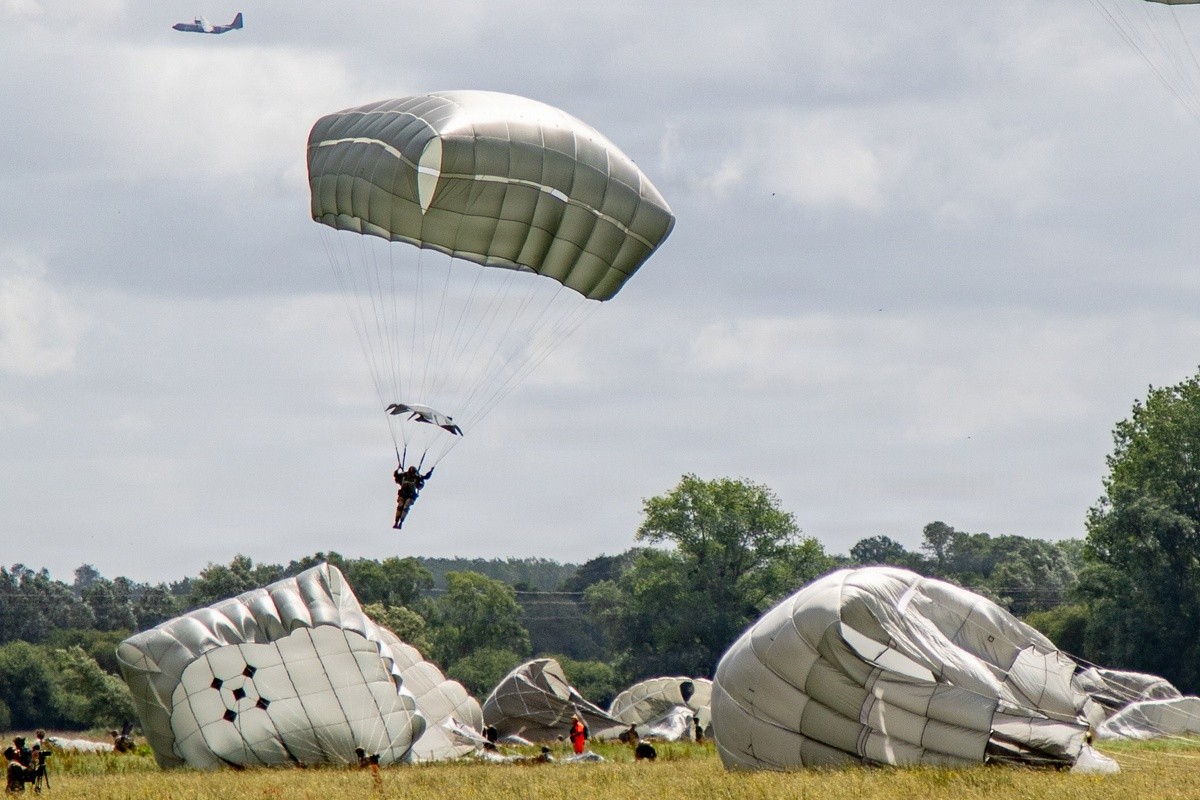
Each year on August 16, the Army observes National Airborne Day, recognizing the Soldiers who have volunteered to serve in airborne formations and honoring the commitment that has defined paratroopers for more than eight decades.
Since the creation of the Army’s first parachute test platoon in 1940, airborne Soldiers have answered some of the Nation’s most demanding calls. From the battlefields of World War II to today’s global operations, paratroopers have relied on their training and the trust built within their formations to accomplish the mission.
Army chaplains have served alongside airborne Soldiers throughout that history, becoming an integral part of formations that must move with speed and operate independently. After a jump, Soldiers may find themselves separated from their larger formations and operating across unfamiliar terrain, placing greater demands on individual Soldiers and the relationships within their units. Chaplains must be prepared to operate in that environment, training alongside paratroopers, participating in airborne operations, and remaining present as Soldiers carry out their duties.
Chaplain Francis L. Sampson

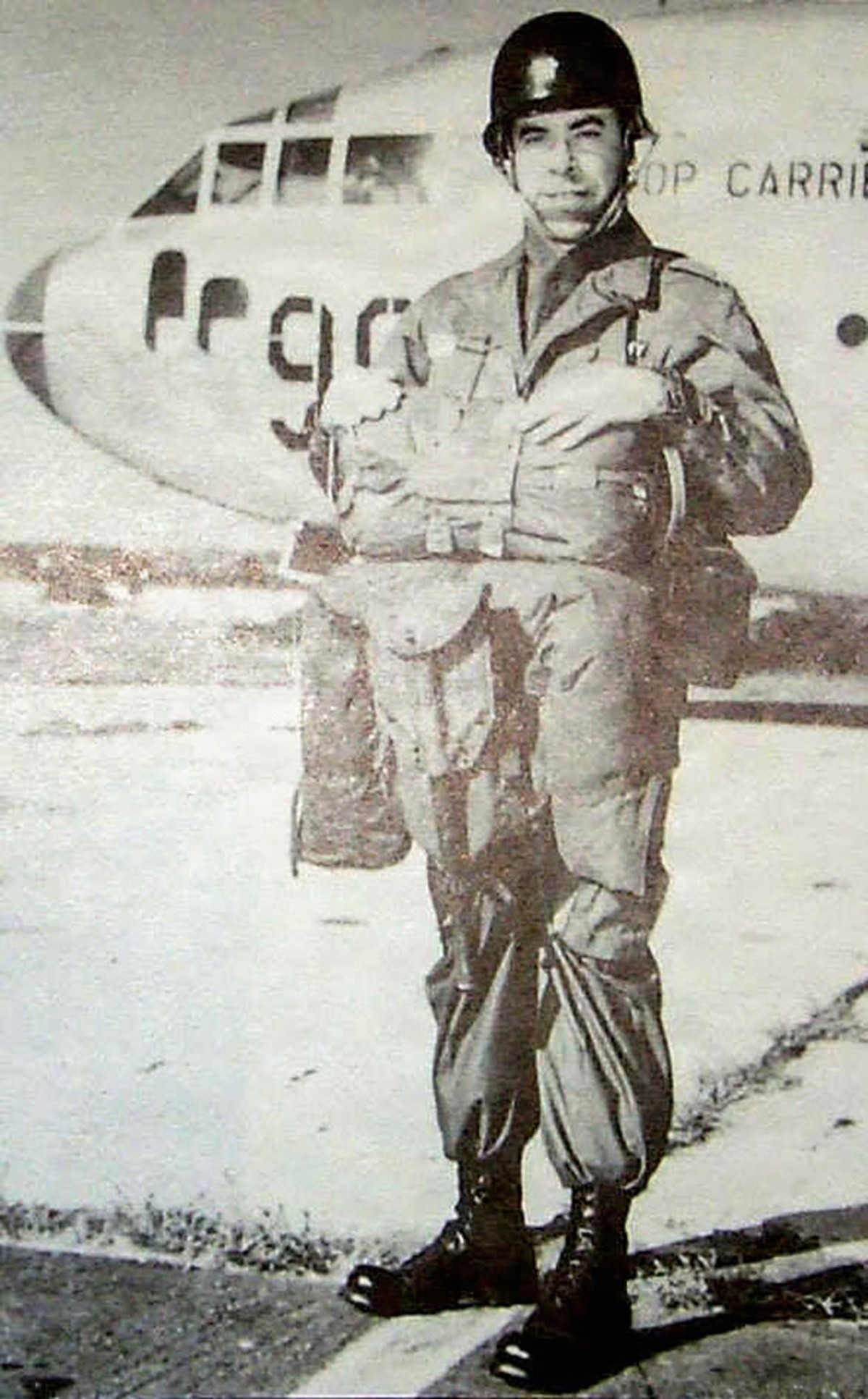
One of the most recognized airborne chaplains was Francis L. Sampson, known as the Paratrooper Padre. During the D-Day invasion, Sampson parachuted into Normandy with the 101st Airborne Division. After landing, he sought out scattered paratroopers and provided pastoral care to Soldiers wounded in the fighting. When he was later captured, he remained with and cared for injured Soldiers rather than leaving them behind. His actions earned him a Distinguished Service Cross and a Purple Heart. Sampson later went on to complete two additional combat parachute jumps during his military career, one in Holland during World War II and another in Korea during the Korean War, demonstrating his commitment to providing pastoral care wherever Soldiers were called to serve.
Sampson’s service and leadership led to his appointment as the 12th Chief of Chaplains in 1967. Drawing on decades of experience serving Soldiers in combat, he continued to advance the Chaplain Corps’ commitment to pastoral care and professional development. In 1970, Sampson introduced a Clinical Pastoral Education program at Walter Reed Medical Center, adapting a training model used in civilian hospitals to provide Army chaplains with additional practical experience in pastoral counseling and care. The program expanded opportunities for chaplains to develop their skills in caring for Soldiers, helping shape the Chaplain Corps’ mission to strengthen pastoral care within the Army.
Today, this mission continues through the many ways the Chaplain Corps prepares and develops its chaplains, including clinical pastoral education, counseling training, professional development, and hands-on experience serving Soldiers in a variety of settings. This preparation enables chaplains and Religious Affairs Specialists to provide pastoral care and support throughout the force, whether in garrison, during training, alongside Soldiers during deployment, or airborne formations, in the sky.
On National Airborne Day, the Army honors the Soldiers who take the skies in service to our Nation and the chaplains and Religious Affairs Specialists who support them every step of the way on the ground, in the air, and throughout every mission.
Social Sharing