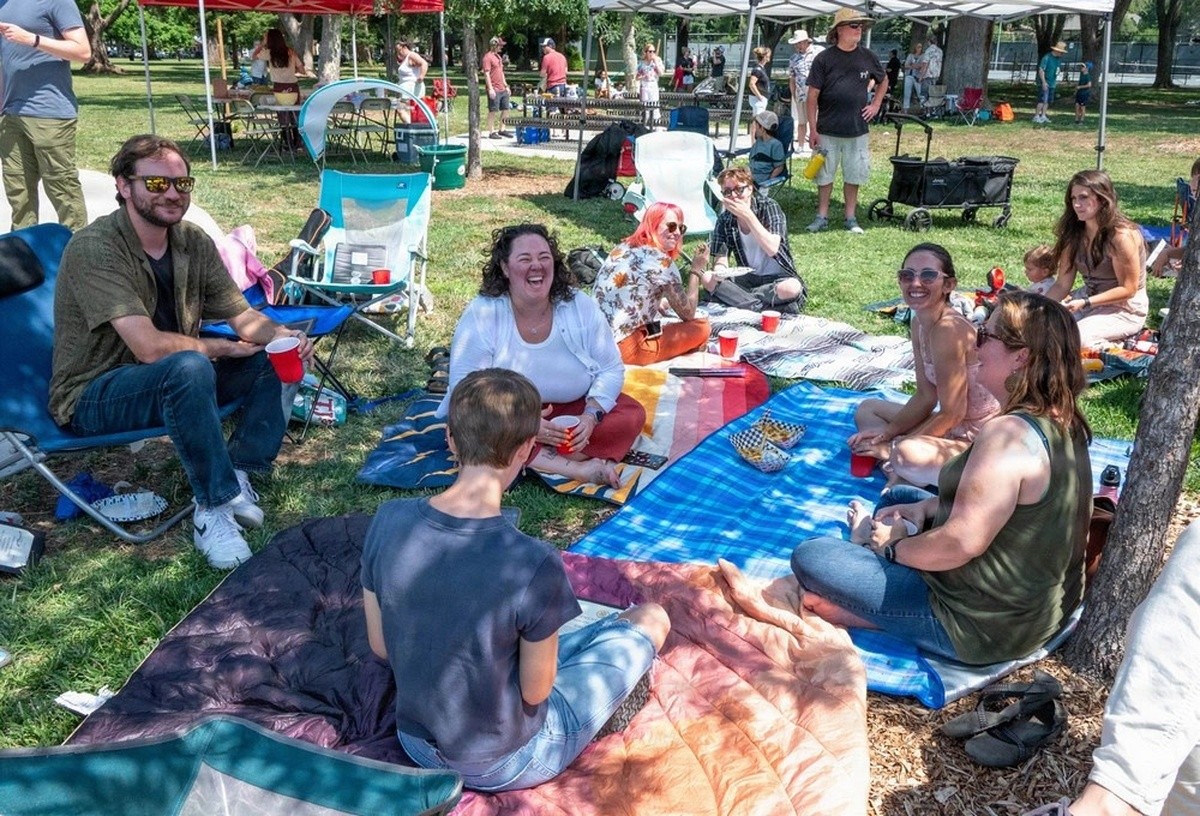
Summer brings many opportunities to relax and reconnect with Family and friends. Barbecues, vacations, pool parties, sporting events and holiday celebrations like Fourth of July are all hallmarks of the season. But while summer is often associated with fun and freedom, it can also bring an increase in alcohol-related incidents that affect Soldiers and Family members alike.
According to Traci D. Waters, Army Substance Abuse Program specialist, the combination of warmer weather, outdoor recreation and holiday celebrations can create environments where people are more likely to take risks or underestimate the effects of alcohol.
“Summer creates a perfect storm of conditions that can increase alcohol-related risks,” Waters said.
According to the National Highway Traffic Safety Administration, drinking and driving remains one of the most recognized dangers. Waters emphasized, however, that many summer activities become significantly more hazardous when alcohol is involved. Swimming, boating, hiking and grilling all require good judgment and quick reaction times.
Alcohol can impair both, increasing the likelihood of preventable accidents and injuries.
Those risks often become more pronounced around holidays like Fourth of July and other celebratory events. During celebrations, people may drink faster than they realize while spending hours outdoors in the heat.
Waters encourages Soldiers and Families to make transportation arrangements before the first drink is served. “A plan for safe transportation is just as important as the celebration itself,” Waters said. Whether that means selecting a designated driver, coordinating with friends, using rideshare services or taking advantage of local transportation options, planning ahead removes the need to make critical decisions while impaired.
Waters also noted that one of the most common misconceptions during the summer months is the belief that alcohol helps people cool off in hot weather. In reality, the opposite is true.
“Alcohol does not cool the body. It makes heat stress more likely,” she said. It can also mask the early signs of dehydration, making it harder for people to recognize when their bodies need water and rest, Waters said. For Soldiers training outdoors or participating in summer recreational activities, that combination can increase the risk of heat exhaustion and heat stroke.
Staying hydrated is one of the simplest and most effective ways to protect against heat-related illness. Waters recommends alternating alcoholic beverages with water, eating before and during alcohol consumption, and paying attention to signs of heat stress throughout the day.
She also encourages individuals to look out for those around them. Symptoms of alcohol poisoning, dehydration and heat-related illness can sometimes be similar, causing people to dismiss serious medical conditions as simple intoxication.
Warning signs that require immediate medical attention include confusion, difficulty staying awake, repeated vomiting, dizziness, fainting, hot or dry skin and slow or irregular breathing.
“If any of these signs appear, seek medical help right away,” Waters said. “Quick action can save a life.”
Beyond reducing risk, Waters says summer presents an opportunity to focus on activities that support health, resilience and connection. Hiking, biking, fitness challenges, picnics, outdoor games, volunteer opportunities and community events all provide opportunities to enjoy the season without alcohol.
For those who choose not to drink, she recommends bringing nonalcoholic beverages, enjoying mocktails or volunteering to be the designated driver. Most importantly, she encourages people to focus on the experience itself rather than alcohol as the centerpiece of the event.
“Choosing alcohol-free fun opens the door to more connection, stronger resilience and a healthier lifestyle,” Waters said. “It’s a reminder that some of our best memories are made not because of alcohol but because we’re fully present to enjoy them.”
Ultimately, Waters said responsible alcohol use is not just a personal choice. It is a readiness issue that affects individual well-being, unit cohesion and the safety of the Army and broader community.
“Every responsible choice you make strengthens your readiness and sets the standard for others to follow,” she said.
As summer activities continue and Families gather to celebrate the season, Waters hopes Soldiers will remember one simple message.
“Think ahead, stay in control,” she said. “Be the reason everyone has a great time and gets home safely.”
If you need help or would like more information on the Army Substance Abuse Program, reach out immediately.
Find Help at Your Installation
Contact your local ASAP office for early intervention, treatment referrals and deterrence and prevention education.
Find Help in Your Local Area
The Substance Abuse and Mental Health Services Administration provides referrals to local treatment facilities, support groups and community-based organizations. SAMHSA’s National Helpline, 800-662-HELP (4357), is confidential and available 24 hours a day.
Social Sharing