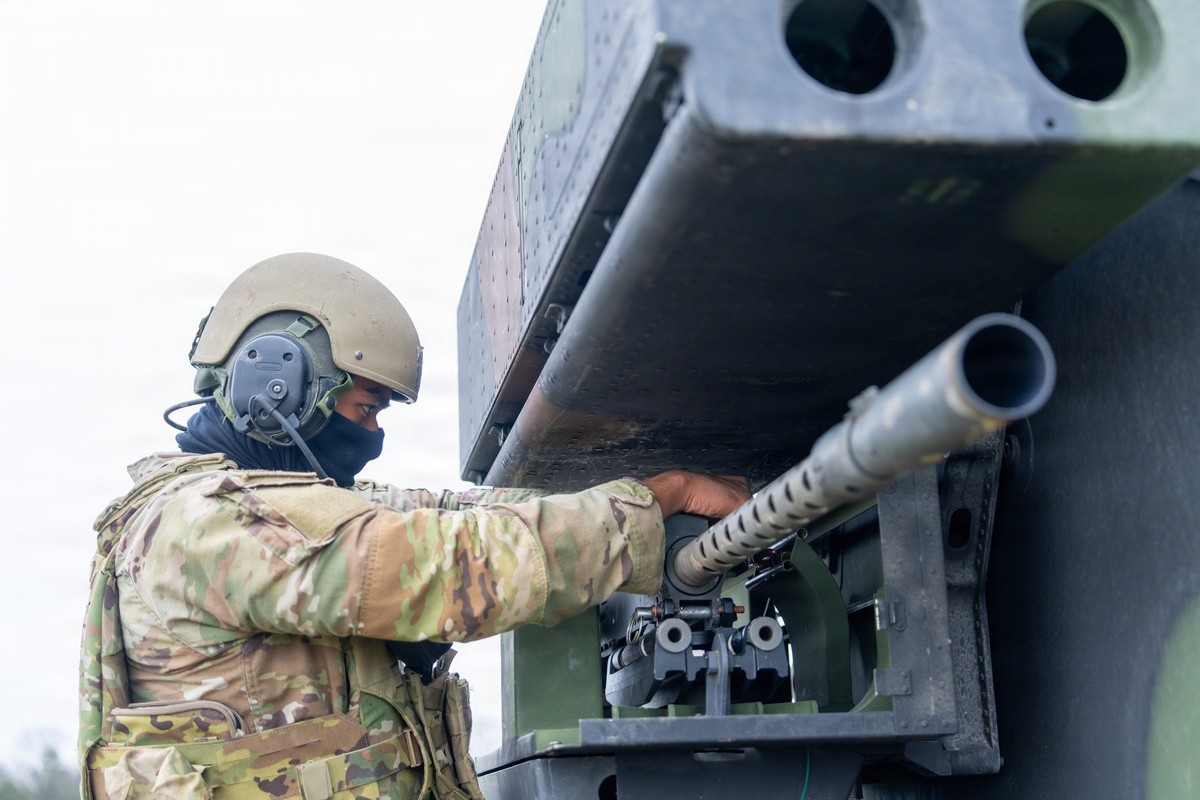
Dynamic Front 26 is the U.S. Army’s premier fires interoperability exercise in Europe, bringing together multinational forces to integrate offensive and defensive fires and strengthen readiness. VIEW ORIGINAL
PARIS — Kevin Marcus, U.S. Army Europe and Africa deputy chief of staff, G-5, highlighted the need for faster production, stronger industrial cooperation and capabilities that can meet operational demand in Europe during a panel at Eurosatory 2026.
Marcus joined Army, allied, partner, and industry leaders for a panel titled “Transatlantic Industrial Power: Production at Speed and Scale” at the Paris Nord Villepinte Exhibition Centre in Villepinte, France, June 17, 2026. The discussion focused on foreign military sales reform, co-production, interoperability and the operational demands shaping the defense industrial base on both sides of the Atlantic.
For U.S. Army Europe and Africa, Marcus said the issue is not only how nations buy equipment, but also how the defense industrial base can produce and deliver enough capability to meet the demand facing U.S., allied, and partner formations.
“Whether it be [U.S. foreign military sales] or direct commercial sales or whatever, it's about the supply required to meet the demand,” Marcus said.
That demand, Marcus said, is shaped by plans designed to support NATO’s warfighting concept and the operational requirements facing forces in Europe. He described a security environment defined by readiness challenges, magazine depth requirements, and an adversary that has shown the ability to reconstitute forces and integrate new capabilities into how it fights.
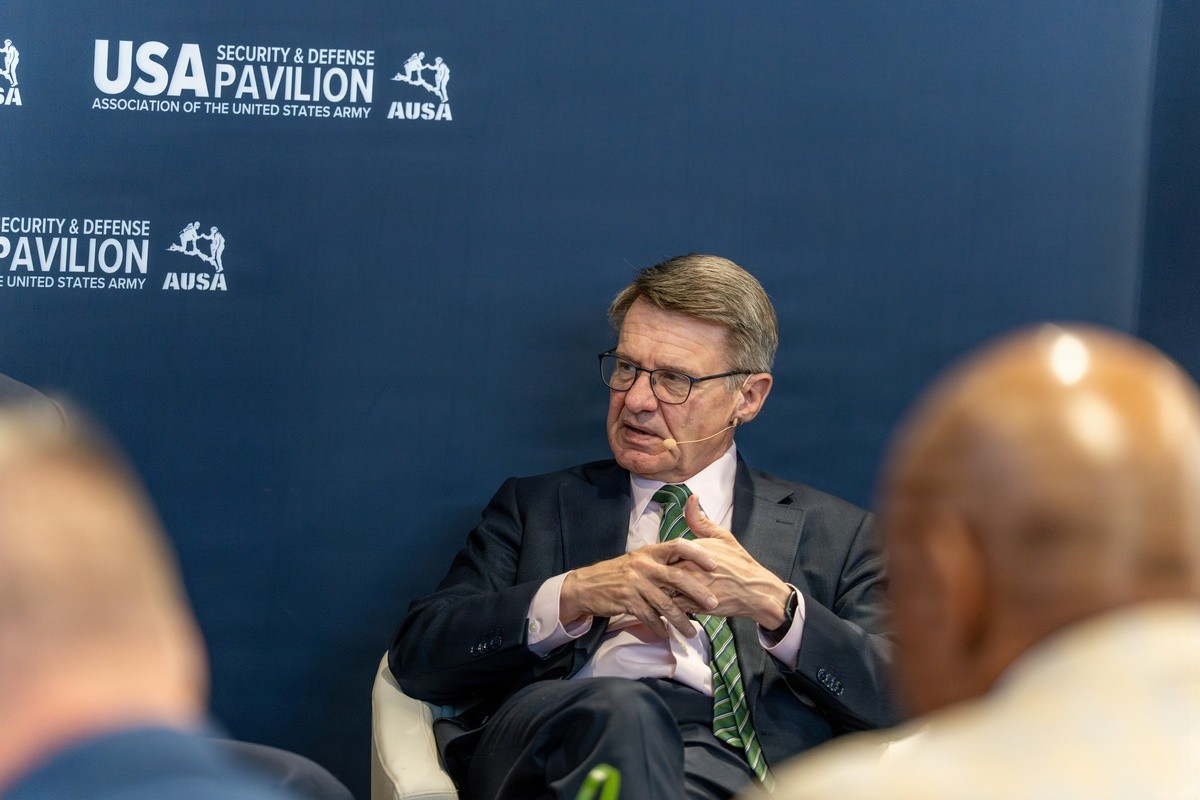

Marcus tied that operational picture to the Eastern Flank Deterrence Initiative, or EFDI, which is helping frame requirements for how the Army and its allies think about capability development, deterrence and defense across the theater.
He described the scale of the challenge in practical terms, pointing to the need for air and missile defense, long-range fires, ground combat power and layered capabilities that can support NATO plans. Those requirements, Marcus said, drive the need for production capacity that can keep pace with operational planning and allow forces to receive, train on and integrate equipment before it is needed.
“We’ve got a pressing requirement that’s got to be met, and it’s got to be met in time that we are able to integrate that equipment, train on that equipment, interoperate with that equipment,” Marcus said. “So the demands are pretty pressing.”
Marcus said that demand makes speed and scale essential across the transatlantic defense industrial base.
“That really makes the case in the importance and imperative to speed and scale across the entire defense industrial base on both sides,” Marcus said.
The panel placed Marcus’ theater perspective alongside the broader Army acquisition perspective provided by Brent Ingraham, assistant secretary of the Army for acquisition, logistics and technology.


Dynamic Front 26 is the U.S. Army’s premier fires interoperability exercise in Europe, bringing together multinational forces to integrate offensive and defensive fires and strengthen readiness. VIEW ORIGINAL
Ingraham discussed ongoing acquisition reform and how the Army is changing the way it manages capability development and delivery.
Ingraham said the Army has made a structural shift from managing individual programs to managing capability portfolios. That approach, he said, is intended to help the Army think less narrowly about individual systems and more broadly about how different capabilities work together to support missions on the battlefield.
The Army moved from 12 program executive offices to six portfolio acquisition executives as part of that reform effort. Ingraham described the change as more than an organizational adjustment, saying it reflects a broader shift in how the Army thinks about delivering capability to the force and to allies and partners.
“That is really what this acquisition reform has been about,” Ingraham said. “How do we think about the entire portfolio, how do we actually deliver capability on the battlefield that allow you to do an end-to-end mission set, not specifically focused on individual programs.”
That portfolio-based approach also changes how the Army looks at foreign military sales and international partnerships. Rather than treating security cooperation as separate from acquisition, he described it as part of a larger effort to deliver capability across the full mission set.
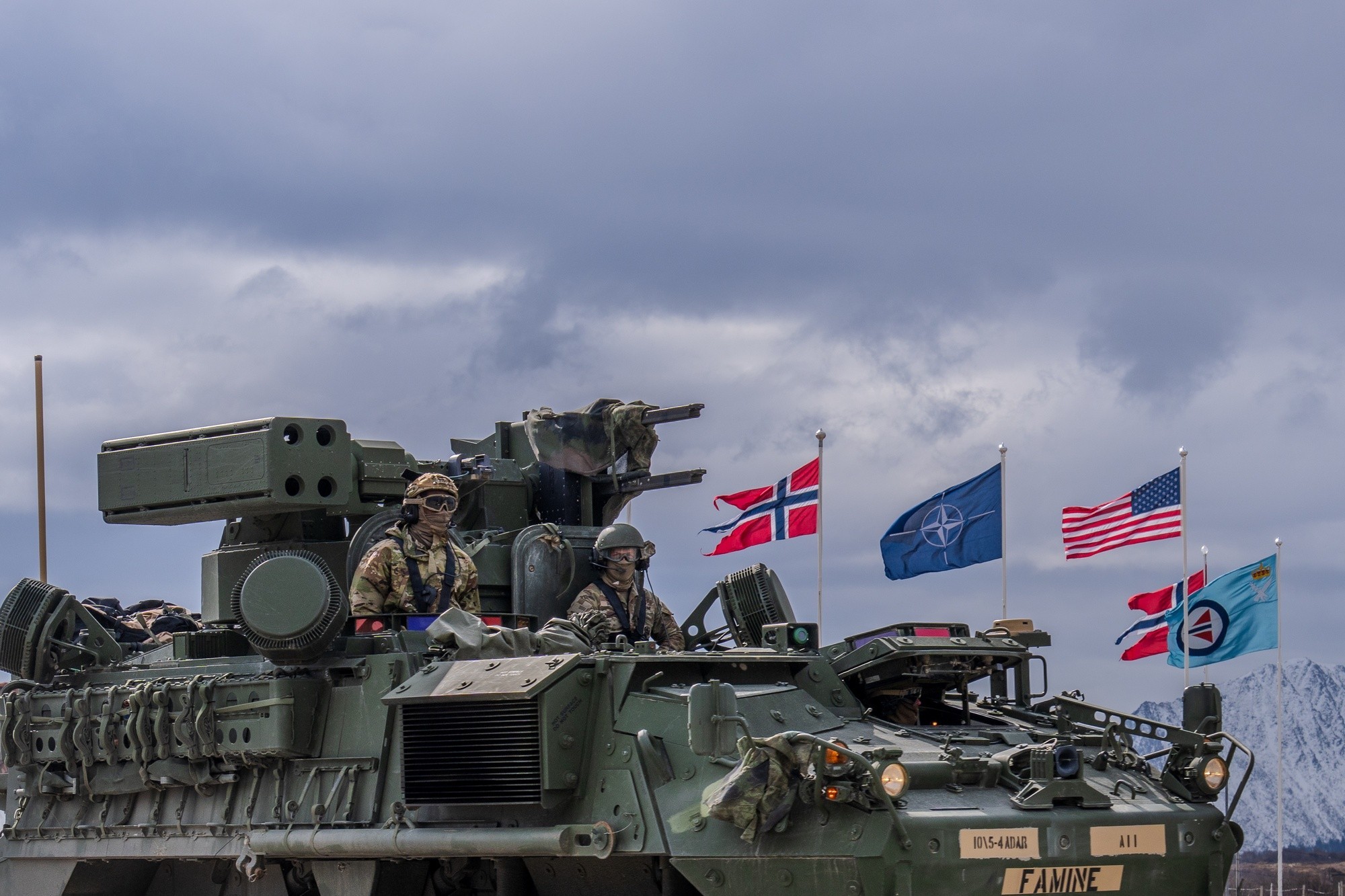
Formidable Shield 25 is a U.S. Sixth Fleet-led, multinational exercise focused on integrated air and missile defense. The live-fire training brings together naval, air and ground forces from 10 NATO allies and partners. The 5th Battalion, 4th Air Defense Artillery Regiment is supporting the exercise with short-range air defense capabilities. VIEW ORIGINAL
Ingraham tied the portfolio approach to Secretary of the Army Dan Driscoll’s broader push to make Army systems more interoperable and data-driven. He referenced Project Jailbreak as part of that effort, an initiative aimed at identifying technical barriers that prevent systems from sharing information and helping the Army move toward equipment that can transmit and receive data across formations.
Ingraham also emphasized the importance of supply chains. He said deterrence depends on more than the weapon systems on the battlefield. It also depends on the ability to produce, reconstitute, and deliver capability when demand increases.
“Deterrence is really based on more than just what the weapons system on the battlefield, it actually brings the supply chain and the ability to reconstitute, produce, and deliver,” Ingraham said.
For the Army, that means thinking about industrial capacity across the Atlantic, not only inside national borders. Ingraham said the United States and its allies have an opportunity to build stronger supply chains, increase production, and rebuild stockpiles in a way that supports readiness for future conflict.
Together, Marcus's and Ingraham's comments underscored a central theme of the panel: transatlantic industrial power depends on clear requirements, reliable demand, faster acquisition pathways, and industry capacity that can produce at the speed and scale required by the force.


The panel also featured Patrick Mason, deputy assistant secretary of the Army for defense exports and cooperation and retired U.S. Army Lt. Gen. David Bassett, with The Cohen Group. Retired U.S. Army Col. Daniel Roper, director of national security studies for the Association of the United States Army, moderated the discussion.
Mason discussed foreign military sales reform and the need to improve speed, transparency and demand aggregation. Bassett provided an industry perspective on production, investment, and the importance of consistent demand signals.
For U.S. Army Europe and Africa, the discussion reflected the connection between theater requirements and the industrial base needed to support them.
EFDI, readiness and deterrence depend not just on concepts and plans, but also on the ability to field capabilities fast enough for Soldiers and allied formations to use them effectively.
Eurosatory provided a venue to bring those perspectives together. The event connected military leaders, government officials, allies, partners, and industry representatives around a shared question: how to move from requirements to fielded capability faster.
Speed and scale are not abstract acquisition goals or empty platitudes. They shape how the Army and its European allies build readiness, strengthen deterrence, and prepare formations to meet operational demands across the continent.
Social Sharing