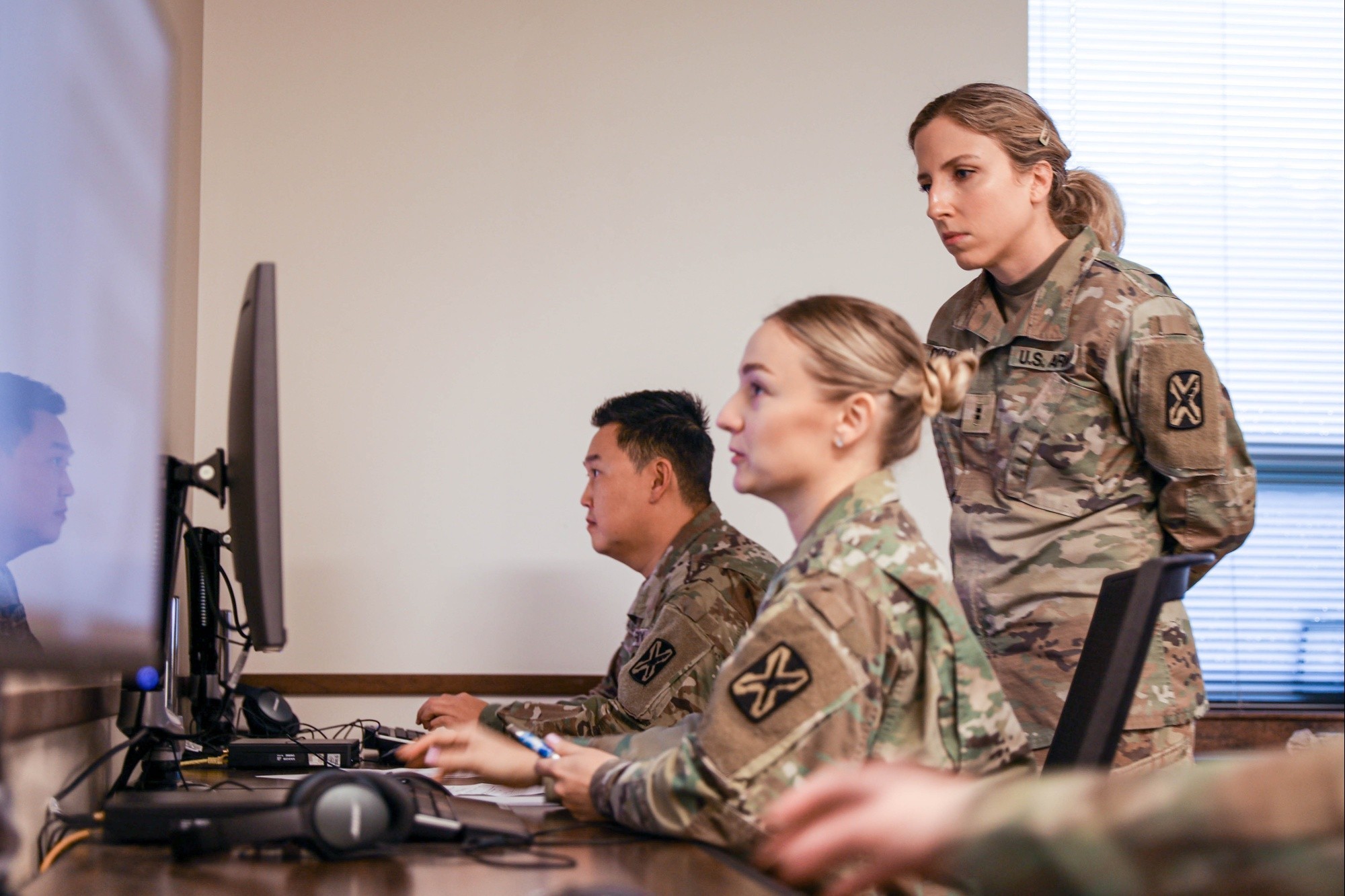
WASHINGTON—Army leaders now have unprecedented visibility into unit retention trends thanks to the modernization of the Department of the Army Career Engagement Survey (DACES). As part of the Human Resource Continuous Transformation initiative, DACES has transformed into a mobile friendly, life cycle-based survey suite that captures soldier feedback at key career points, giving leaders near real time insight into retention, career satisfaction, and command climate.
For the first time, the Army is aggregating exit data, creating a direct line of communication from soldiers in the field to leaders at every echelon. “While installations and units have run their own surveys in the past, the Army is now aggregating exit data at scale for the first time in order to inform policy,” said Col. Angela N. Chipman, Military Personnel Accessions & Retention Division Chief, Directorate of Military Personnel Management. “This mirrors the talent management systems used by major corporations to understand why people stay or go.”
The updated DACES program has new features to make it easier to use and encourage more soldiers to take part. Separating soldiers can now use QR codes at transition sites, allowing them to conveniently complete the survey on a personal device while waiting for their Certificate of Release or Discharge from Active Duty (DD214). In addition, DACES is now integrated into the Integrated Personnel and Pay System – Army (IPPS-A), which automatically prompts soldiers to participate when they submit a separation action or as they enter their reenlistment window. These improvements have already proven effective, leading to a notable increase in survey completion rates.
Early findings highlight several key factors influencing a soldier's decision to continue serving or separate. While base pay and housing allowances remain the most significant financial drivers, the most influential non-monetary factors include choice of duty station, unit assignment, and personal fulfillment. “We’ve finally given soldiers a direct way to tell us what matters most,” Chipman said. “The data shows exactly which levers to pull whether it’s financial stability or giving a soldier more agency over their next career move.”
Anonymous results for commanders will be available through the Vantage platform, giving leaders a current picture of soldier sentiment across their formations. “Commanders deserve a transparent view of their units’ perspectives,” Chipman said. “We have the data to provide that insight, and it’s my job to ensure they have access to it.”
By giving leaders clearer insight into why Soldiers stay or leave, the Army aims to strengthen retention and build a more responsive, people focused force. Participation in DACES remains optional and anonymous to ensure candid feedback.
Social Sharing