FORT HUACHUCA, Ariz. — Under the direction of the U.S. Army Materiel Command, the Communications-Electronics Command, U.S. Army Information Systems Engineering Command, is spearheading a proof-of-concept initiative in close partnership with the local garrison. USAISEC’s new Installation Resiliency and Mission Assurance, or IRMA, initiative aims to modernize how the Army monitors, manages, and mitigates risks associated with its critical military infrastructure in each installation.
Dr. Jennifer Mills, director of the USAISEC Data Science and Engineering Directorate and chief data analytics officer, explained the importance of the IRMA initiative.
“Army installation resilience and mission assurance require each facility to function independently during kinetic attacks, cyber disruptions or natural disasters," she said. "To sustain global power projection and warfighter readiness, the U.S. Army enforces strict continuity of operations in heavily contested, multidomain, operational environments.”
To enhance continuity of operations, the IRMA initiative focuses on monitoring critical military infrastructure required for mission readiness, such as installation power, water, gas, and other systems. This initiative utilizes integrated working groups to produce the synergy required to break down data silos by integrating operational technology sensor data into a single, common operating picture. Recognizing that robust infrastructure is the backbone of military resilience, the IRMA initiative will provide commanders with unprecedented visibility into the health of essential installation services.
Mills further explained the end goal of this innovative initiative.
“To withstand isolation in a contested environment, the Army is shifting from a centralized, vulnerable infrastructure to self-sufficient, data-informed operational nodes," she said. "Therefore, ISEC’s IRMA initiative must focus on building the resilient capability of military infrastructure to avoid, prepare for, or recover from unforeseen conditions such as extreme natural disasters, cyberattacks to the infrastructure, and physical threats on the installations that [could] hinder our mission.”
To ensure the success of the IRMA mission, the USAISEC and Fort Huachuca Garrison leaders host the IRMA working group events comprising of three specialized groups. Each specialized group focuses collaboratively on one of three critical lines of effort:
- Data science and analytics group: Identifies critical utility systems and establishes a centralized dashboard to monitor performance and predict maintenance needs.
- Infrastructure modernization group: Assesses current utility meters and designs a secure, resilient, operational technology network architecture.
- System interoperability group: Develops accredited, cost-effective network plans to ensure legacy utility systems can communicate seamlessly with modern sensor platforms.
Stakeholder awareness continues to grow, bolstered by the establishment of this centralized collaboration workspace to advance these three focus areas.
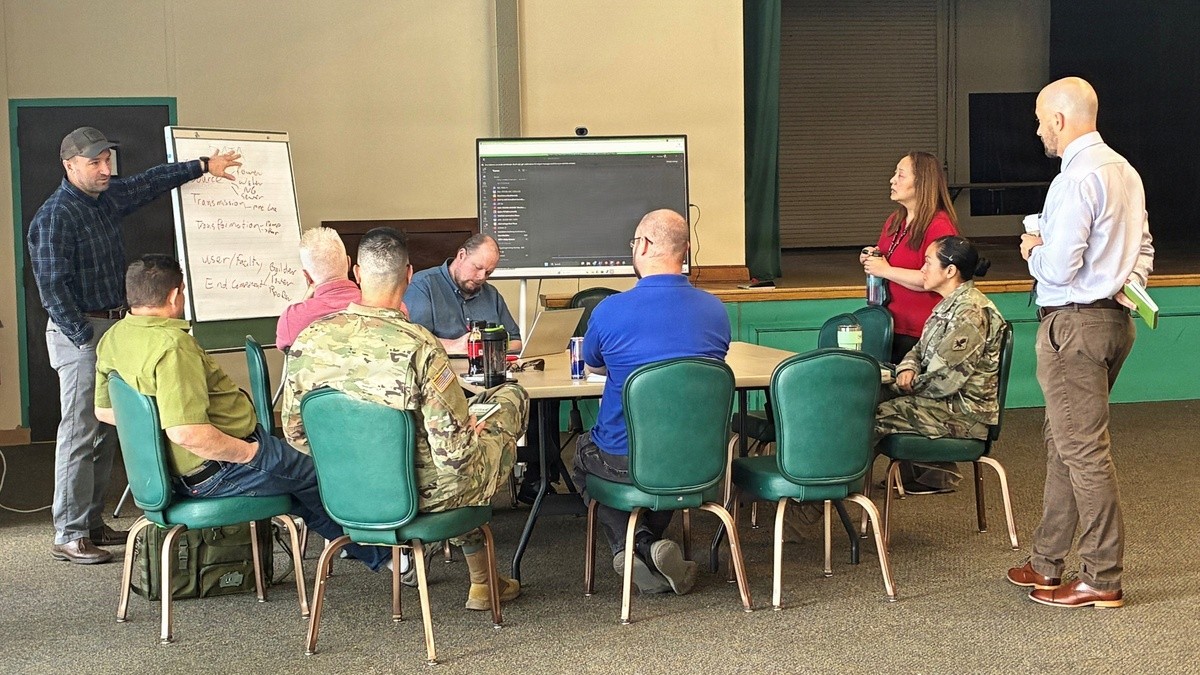
As an initial step toward IRMA development, USAISEC and the Fort Huachuca Garrison hosted the first IRMA working group on April 21, 2026. This collaborative event included teammates from the Deputy Assistant Secretary of the Army for Energy and Sustainability, the Installation Management Command Directorate-Sustainment, and the local Directorate of Public Works working together to address relevant network architecture and system design requirements.
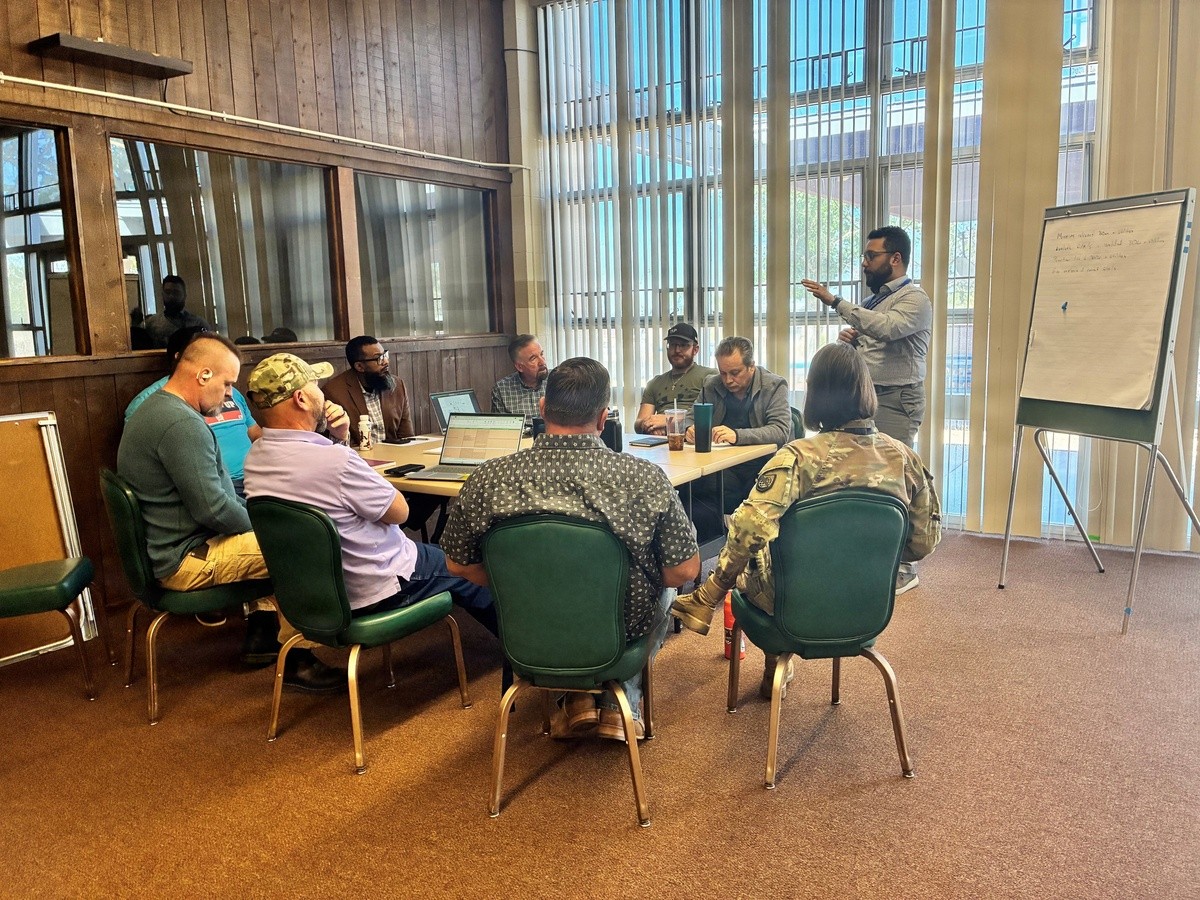
As a second step to keep the momentum going, USAISEC and the Fort Huachuca Garrison hosted another IRMA Working Group on May 18, 2026. This event continued the collaborative, creative synergy with infrastructure services partners from the first working group session to ensure IRMA development stays on a forward trajectory. The eventual target is to transform utility data into a near-real-time dashboard that provides strategic insights regarding the status of installation resilience and mission readiness.
The next steps for the IRMA initiative include a focused decision-criteria session with the Fort Huachuca garrison commander to streamline operational requirements and assign organizational roles. To ensure rapid capability delivery, USAISEC is developing small, localized pilot projects on Fort Huachuca to validate the underlying architecture. Designed specifically for scalability, the innovations refined during these pilot projects will serve as a baseline. Following successful implementation, USAISEC and key Army stakeholders plan to expand this modernized sensor platform across the enterprise, establishing a new standard for Army installation infrastructure worldwide.
The ultimate deliverable of the IRMA initiative will be a powerful decision-support tool that enhances installation resilience, reduces operational costs, and enables data-driven decisions that directly sustain Army readiness and power projection. By transforming raw utility data into actionable intelligence, this tool will empower garrison commanders with the real-time situational awareness needed to proactively safeguard installation power, water, and other infrastructure systems. By providing this capability, IRMA will allow commanders to make rapid, informed decisions that enhance base resiliency, mitigate risks, and guarantee mission assurance.
Social Sharing