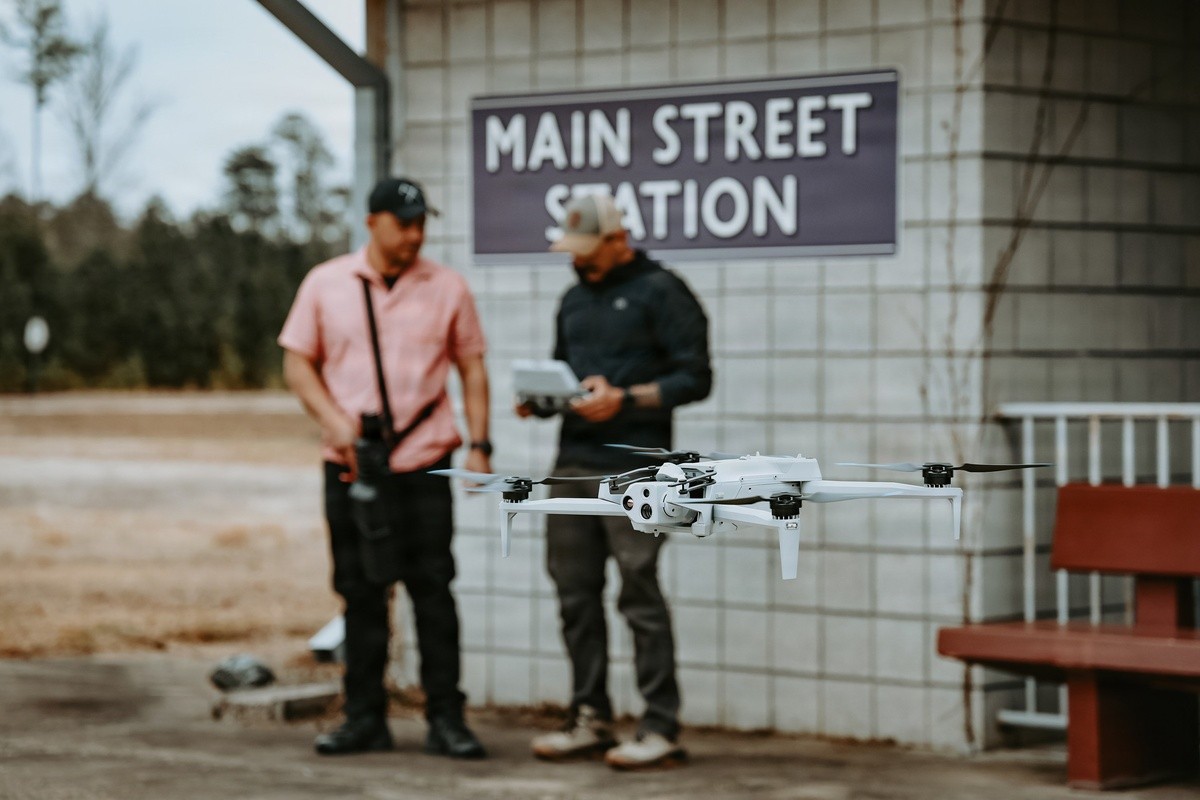
FORT BRAGG, N.C. – Recently, U.S. Army Special Operations Civil Affairs (ARSOF CA) soldiers practiced their uniquely focused mission of civil-military integration through competition, crisis, and conflict. With core competencies in civil reconnaissance (CR) and civil knowledge integration (CKI); a process that examines and analyzes a society’s social, economic, political, and cultural dynamics to inform commanders on key civil considerations, identify areas of focus for operations, point out critical vulnerabilities and exploit opportunities to aid civil populations. It is exercises like these that ensure ARSOF CA’s value to the joint force remains sharp, ready, and competent to accomplish any mission.
Bringing it All Together
The unit of action, or on-the-ground force, for ARSOF CA is the Civil Affairs Team, or CAT, tasked to directly engage with civilian leaders, agencies, military/paramilitary forces and other partners, as well as interested non-governmental organizations (NGOs), and other key stakeholders. The aim of these operations is to better understand and inform the joint force commander and execute CR and CKI at the source. These skills are crucial in operating areas facing instability, conflict, or even disaster, allowing CATs to deploy during competition, crisis, or any scale of conflict to enable movement, access, and placement for joint forces. Their actions not only create conditions to strengthen civil networks and partnerships but also consolidate military gains into enduring strategic wins, securing both U.S. foreign policy objectives and the long-term stability of a nation, region, or area of operations.
CATs from across Fort Bragg practiced these critical competencies at the most recent STALKHM exercise, held at training sites throughout the state of Virginia. STALKHM is a comprehensively designed, resourced, and administered external evaluation aimed at testing and certifying companies, typically comprised of five CATs, for deployment to theaters of operations around the globe. The ARSOF CA regiment named the exercise “STALKHM” in honor of fallen ARSOF CA servicemembers: Sgt. 1st Class Matthew Sluss-Tiller, Maj. James Ahern, Maj. Robert Lindenau, Sgt. Keith Kline, Sgt. 1st Class David Hartman, and Staff Sgt. Kashif Memon. We remember their ethos of service and their selfless sacrifices with this certification exercise.
The exercise builds a robust and complex scenario that simulates an ARSOF CA deployment to a global area of operations and tests them through all phases of conflict, from competition, through crisis, and the critical transition to conflict. After this training, companies are better prepared to inform joint commanders and staff in the civil domain, identify threats to civilian populations and forces, respectively, and provide key observations and assessments to enable movement for additional military forces in a theater of operations.
Consolidation of Gains
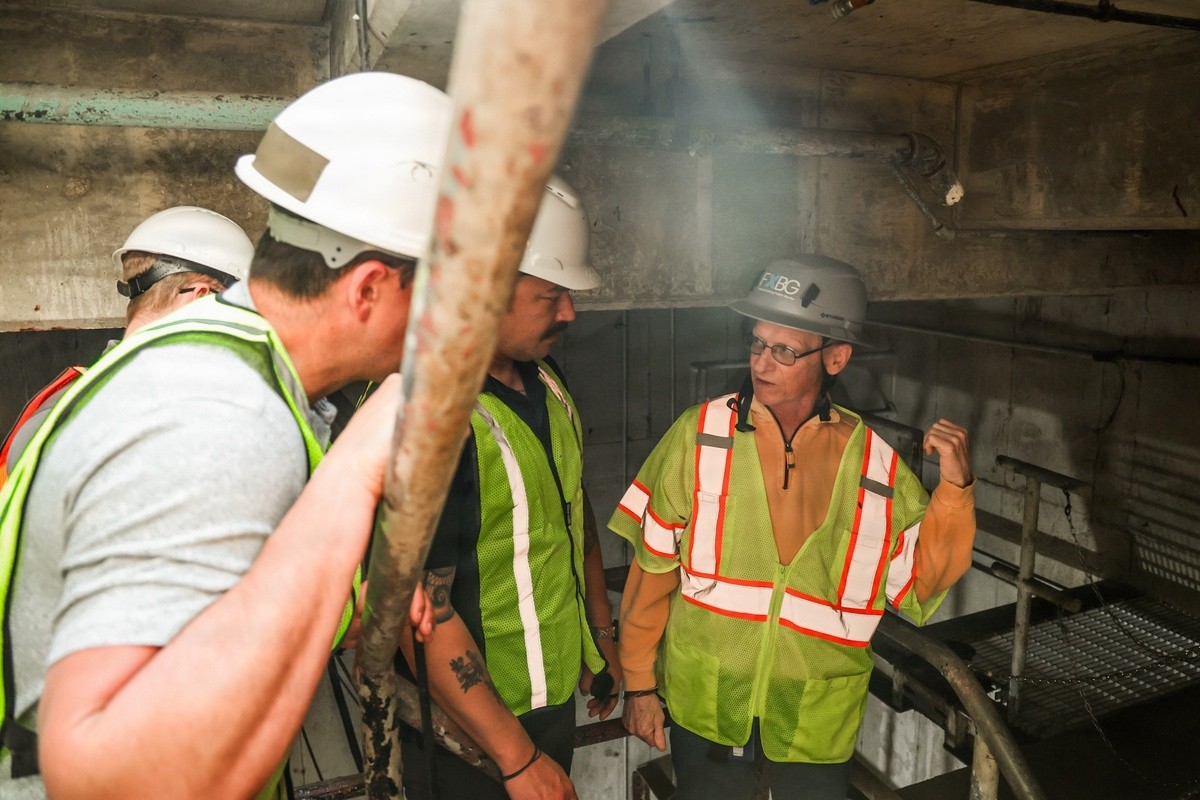
As a part of the exercise, one CAT conducted realistic military training (RMT) in Fredericksburg, Va., partnering with the Fredericksburg Municipal Public Works Department, to assess the city’s disaster response protocols, wastewater management, as well as their infrastructure and utility maintenance and repair capabilities. Together with municipal engineers and utility workers, they discussed how ARSOF CA would conceptionally assist with coordinating or resourcing road repairs, maintaining electricity grids, sanitation, and ensuring the distribution of clean water to civil populations. These engagements, coupled with advanced digital mapping and AI-driven analysis platforms, enabled CATs to quickly evaluate civil capabilities and prioritize needs while collaborating with partners to better integrate technical expertise and civil knowledge to encourage and maintain stability.
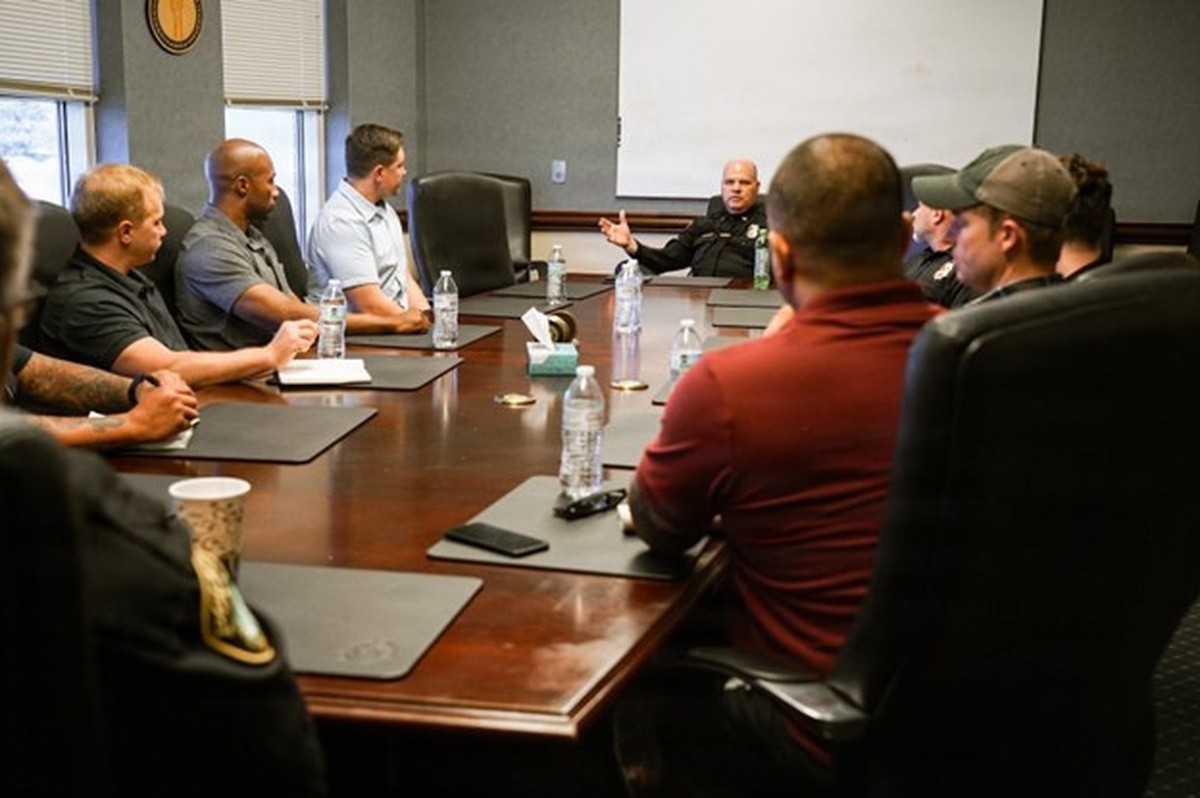
Another CAT, tasked to engage with partners in Newport News, Va., brought expertise and took lessons from the city’s police department addressing notional civil unrest and other public safety best practices. The CAT offered lessons learned from their previous deployments and training, while the department leadership offered critical insights into public safety techniques and rules of engagement based on local law. This engagement built upon the CAT's ability to understand and integrate local laws and law enforcement capabilities into civil considerations. This information could be critical in how a joint force commander partners with local law enforcement to address a crisis or respond to conflict.

At the Edge of U.S. Soft Power
In addition to direct engagement, CATs exercised a comprehensive range of civil services vital in all phases of conflict. Within these CATs, an assigned Civil Affairs Medical Sergeant (38W – Military Occupational Specialty) will practice direct medical care delivery, to include Tactical Combat Casualty Care (TCCC) and Medical Capabilities (MEDCAP) events. MEDCAP events typically partner CATs with local healthcare providers, NGOs, and other civil entities to provide critical direct medical services to civil populations in most need. In addition to critical medical services, ARSOF CA can provide resources and advise partners to better provide clean water, repair and maintain critical infrastructure facilities, assist with traffic and road maintenance, restore electricity and other key utilities, as well as proper sewage and waste disposal. CATs also coordinate with public safety, like fire and police departments, to manage and secure aid delivery; safely moving critical supplies where needed quickly.

Practicing for Future Conflict
The shifting nature and scale of warfare places special emphasis on strategic competition to best confront crisis and prevent conflict. In today’s contentious global environment, the ability of ARSOF CA to not only understand civil populations, but to inspire and influence them, is critical to keeping order from descending to chaos. Command Sgt. Maj. Marius Orhon, senior enlisted leader of the ARSOF CA Regiment, recently noted, “In large scale combat, our ability to engage and influence our partners, even in denied or disrupted environments, is what sets us apart and gives our commanders the edge.” To meet these evolving challenges, the civil affairs regiment is transforming with a renewed emphasis on fundamentals and integration of innovative technologies like artificial intelligence (AI) and unmanned systems (UxS), empowering our teams to even more rapidly assess civil environments and observe key publics, identify vulnerabilities to infrastructure or movement, and deliver real-time recommendations to commanders in all phases of conflict.
Social Sharing