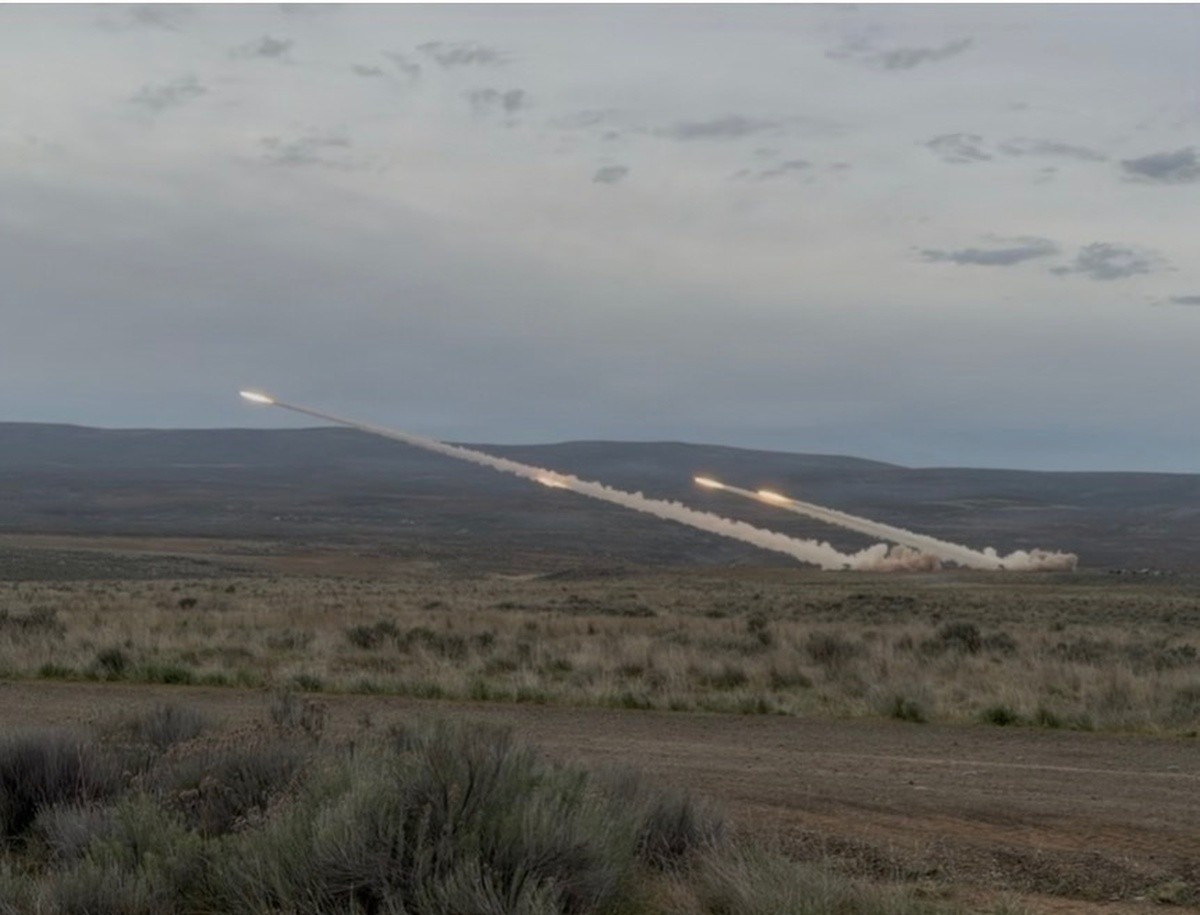

JOINT BASE LEWIS-MCCHORD, Wash. — America’s I Corps demonstrated its ability to deliver synchronized, multi-domain effects across the Indo-Pacific during Operation Courage Lethality, a multi-day fire control exercise conducted at the corps level this past month.
The exercise tested the corps’ ability to plan, integrate and execute joint and combined arms operations across land, air, maritime, space and cyberspace domains.
Courage Lethality focused on executing a corps-level scheme of effects, identifying gaps in joint fires integration and validating command and control systems across dispersed locations. Units operated from Washington, Oregon, Idaho, Hawaii, Alaska and Australia, demonstrating the corps' ability to command forces and deliver effects across vast distances.
A key component of the exercise included the 17th Field Artillery Brigade’s live-fire certifications at Orchard Combat Training Center, Idaho and Yakima Training Center, Washington, reinforcing long-range precision fires capabilities. The training also included a High Mobility Artillery Rocket System Rapid Infiltration, or HIRAIN, mission followed by HIMARS live-fire operations, integrating joint capabilities and demonstrating rapid deployment and delivery of precision fires.
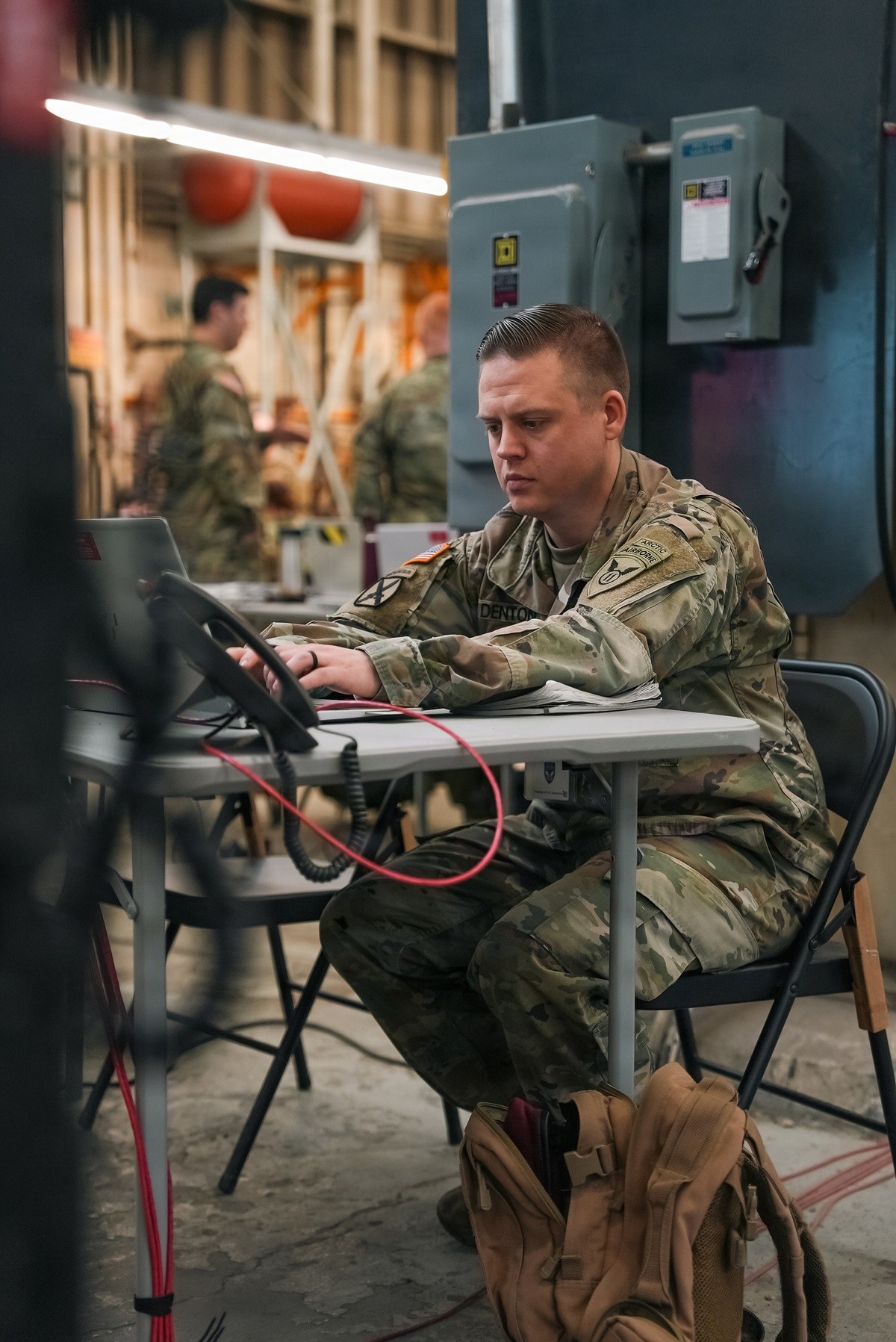

“Courage Lethality is designed to ensure we can fight tonight and win the first fight,” stated Lt. Col. Edward A. Guelfi, the commanding officer of the 1st Battalion, 3rd Field Artillery Regiment, 17th Field Artillery Brigade. He emphasized that the exercise tests the corps’ ability to deliver synchronized, lethal effects from multiple locations at once while reducing its signature and increasing survivability. “This exercise proves we can generate combat power quickly, mass effects decisively and sustain operations in a contested Indo-Pacific environment.”
The exercise also emphasized counter-unmanned aircraft systems, as Soldiers tested emerging capabilities to identify and neutralize small unmanned threats. Integrating C-UAS into multi-domain operations enhances force protection and supports the Army’s broader focus on innovation. This training reinforced the culture of transformation across the corps that is driving continuous adaptation to emerging threats and evolving operational environments.
“We successfully validated the Base Defense Operations Center’s survivability, mobility and air battle management in an austere, contested environment,” explained Capt. Ian Douglas, I Corps deputy chief of air and missile defense. “Ultimately, our integration efforts reduced engagement timelines to approximately seven seconds from detection to decision.”
Operation Courage Lethality was part of I Corps’ ongoing continuous transformation efforts to modernize its warfighting capabilities and strengthen its ability to operate as a lethal, interoperable force across the Indo-Pacific. Lessons learned during the exercise will directly inform future training and operational planning, ensuring I Corps remains ready to fight and win in any operation or conflict within the Indo-Pacific.
Social Sharing