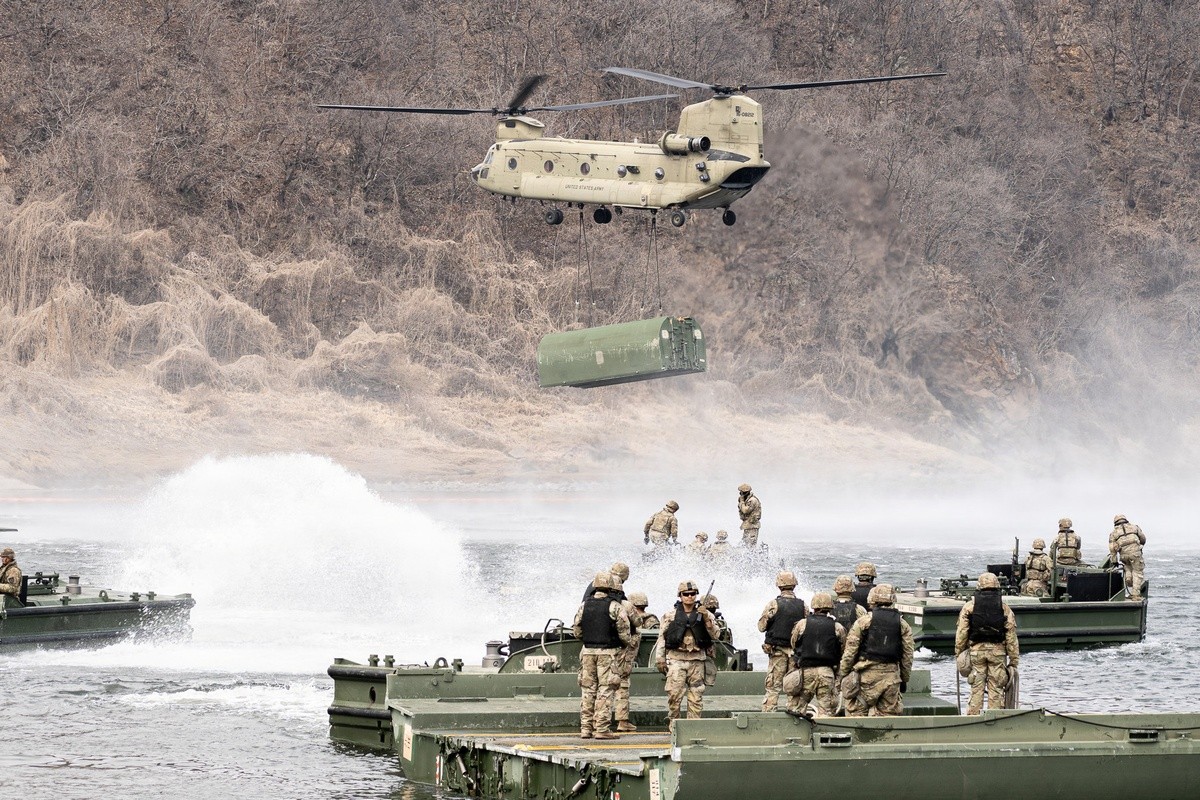
Freedom Shield is an annual combined exercise conducted in support of the ROK-U.S. Mutual Defense Treaty signed in 1953. This combined exercise highlights the ironclad commitment between the two nations to maintain a robust combined defense posture and to defend the people of the ROK and the United States from any threat or adversary. VIEW ORIGINAL
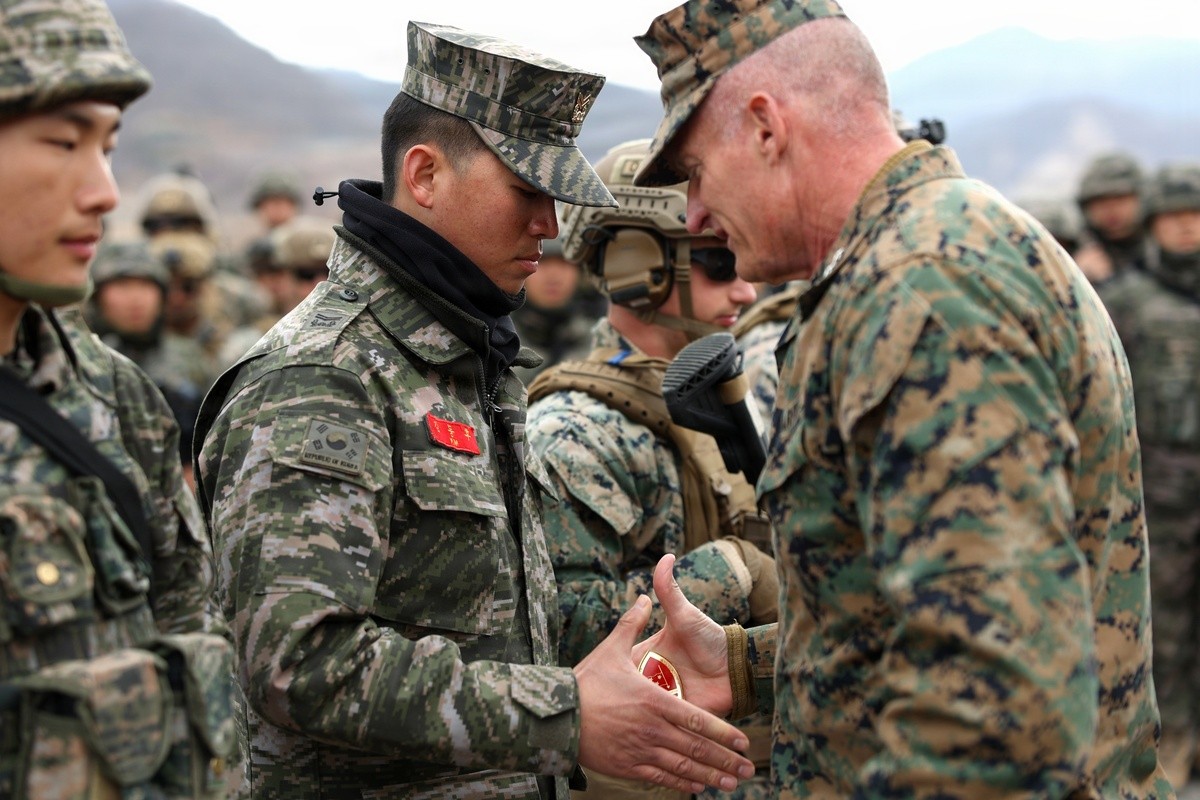
CAMP HUMPHREYS, South Korea — The Republic of Korea and the United States successfully concluded Freedom Shield 26 on March 19, reaffirming a strong combined defense posture and further enhancing the alliance’s ability to conduct operations across all domains. The annual combined exercise commenced on March 9.
This year’s exercise incorporated lessons learned from recent conflicts into training scenarios to enhance realism, with a focus on maintaining a high level of combined readiness. The exercise also served as an important opportunity to support ongoing preparations for the conditions-based transition of wartime operational control, in accordance with alliance agreements.
Throughout the exercise, the alliance strengthened its ability to respond rapidly and effectively to complex security threats. Under the Combined Forces Command, commanders and staffs integrated capabilities across multiple domains and further developed procedures to synchronize joint and combined operations.
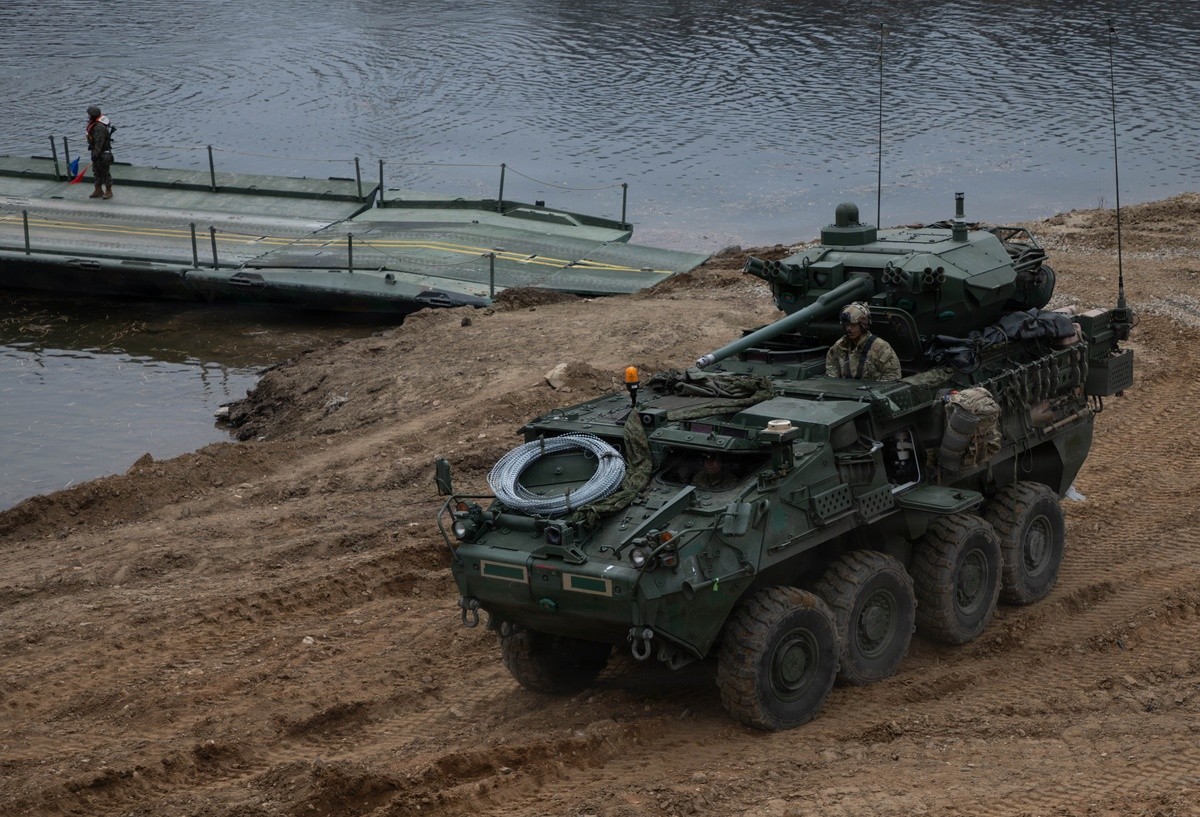
Freedom Shield is an annual combined exercise conducted in support of the ROK-U.S. Mutual Defense Treaty signed in 1953. This combined exercise highlights the ironclad commitment between the two nations to maintain a robust combined defense posture and to defend the people of the ROK and the United States from any threat or adversary. VIEW ORIGINAL
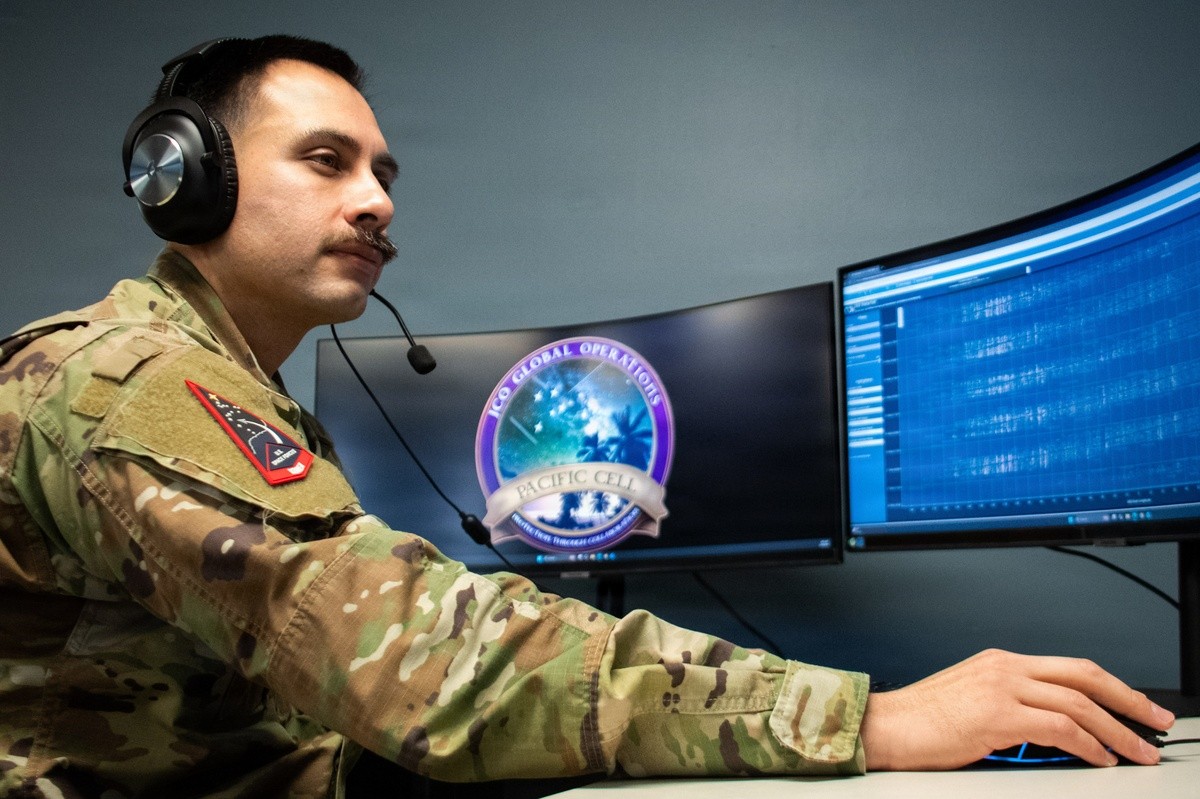
FS 26 also included Warrior Shield, a large-scale field training exercise conducted across the Korean Peninsula. With participation from ground, maritime, air and marine forces, the training focused on strengthening interoperability and tactical capabilities in field environments. By linking command post training with field training exercises, Warrior Shield enhanced combat proficiency, enabling forces to respond immediately and decisively in real-world contingencies.
During the exercise, senior ROK and U.S. military leaders visited command posts and training sites to assess operations and engage with service members.
“Freedom Shield 26 demonstrates the strength of our alliance and our ability to train, build readiness, and operate seamlessly as one force,” said Gen. Xavier T. Brunson, commander of United Nations Command, Combined Forces Command and U.S. Forces Korea. “No other alliance trains as we do from competition, to crisis, to conflict all with an eye to peace and stability on the Korean Peninsula and in Northeast Asia. There is no substitute for training, there is no excuse for not being ready.”
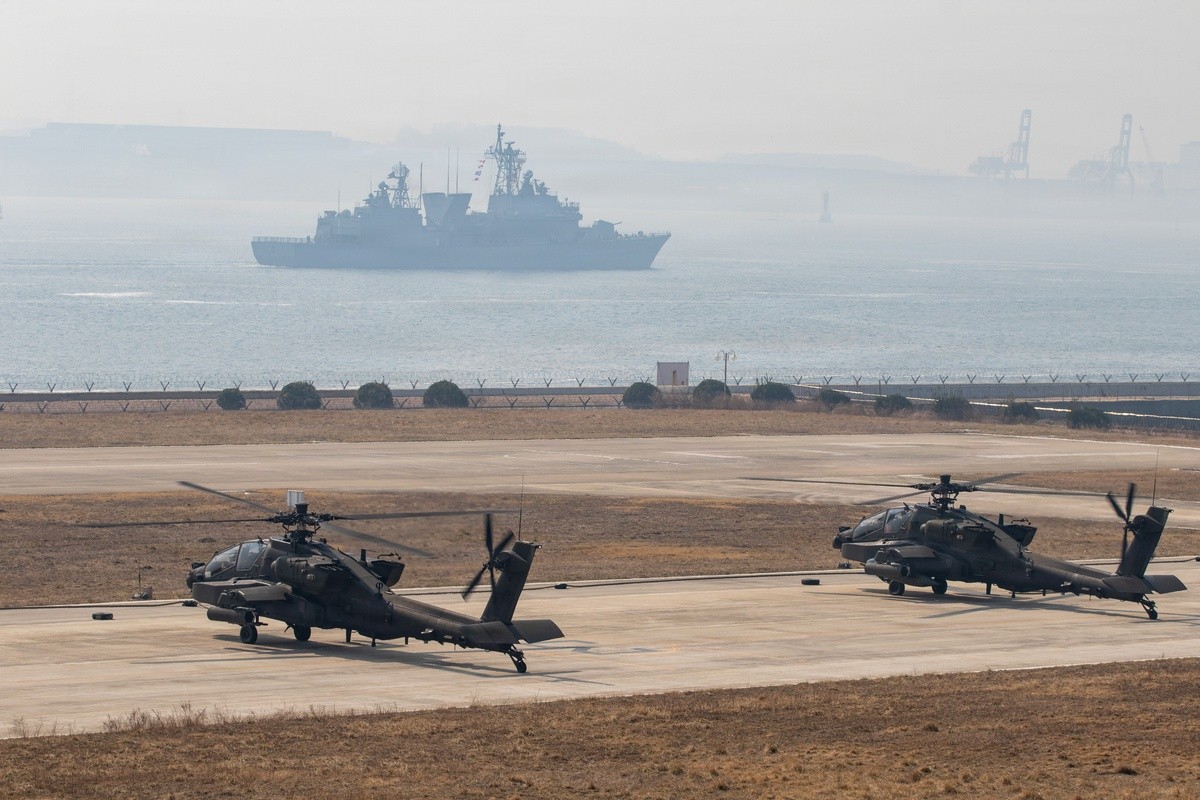
Freedom Shield is an annual combined exercise conducted in support of the ROK-U.S. Mutual Defense Treaty signed in 1953. This combined exercise highlights the ironclad commitment between the two nations to maintain a robust combined defense posture and to defend the people of the ROK and the United States from any threat or adversary. VIEW ORIGINAL

“As we prepare for the OPCON transfer, this year's FS 26 reaffirmed the common value of peace and stability of the Korean Peninsula shared between ROK and U.S. and elevated our robust combined defense posture and combined operational capabilities to the next level,” said Chairman of the ROK Joint Chiefs of Staff Gen. Jin Yong-sung. “The ROK-U.S. team stood shoulder-to-shoulder in command posts and field exercises, truly becoming one-team. Going forward, the two countries will actively continue to develop with initiative the combined defense posture for the future strategic environment."
Several United Nations Command member states participated in the exercise, demonstrating the international community’s strong commitment to maintaining peace and stability on the Korean Peninsula. The Neutral Nations Supervisory Commission observed the exercise to assess the adherence to the armistice agreement and its defensive nature.
Based on the spirit of the Oct. 1, 1953 ROK-U.S. Mutual Defense Treaty, FS 26 demonstrated that the alliance possesses the overwhelming will and capability to deter and overcome any threat to the Republic of Korea. The exercise also reaffirmed the alliance’s commitment to maintaining peace and stability on the Korean Peninsula and across Northeast Asia while upholding the armistice agreement.
Social Sharing