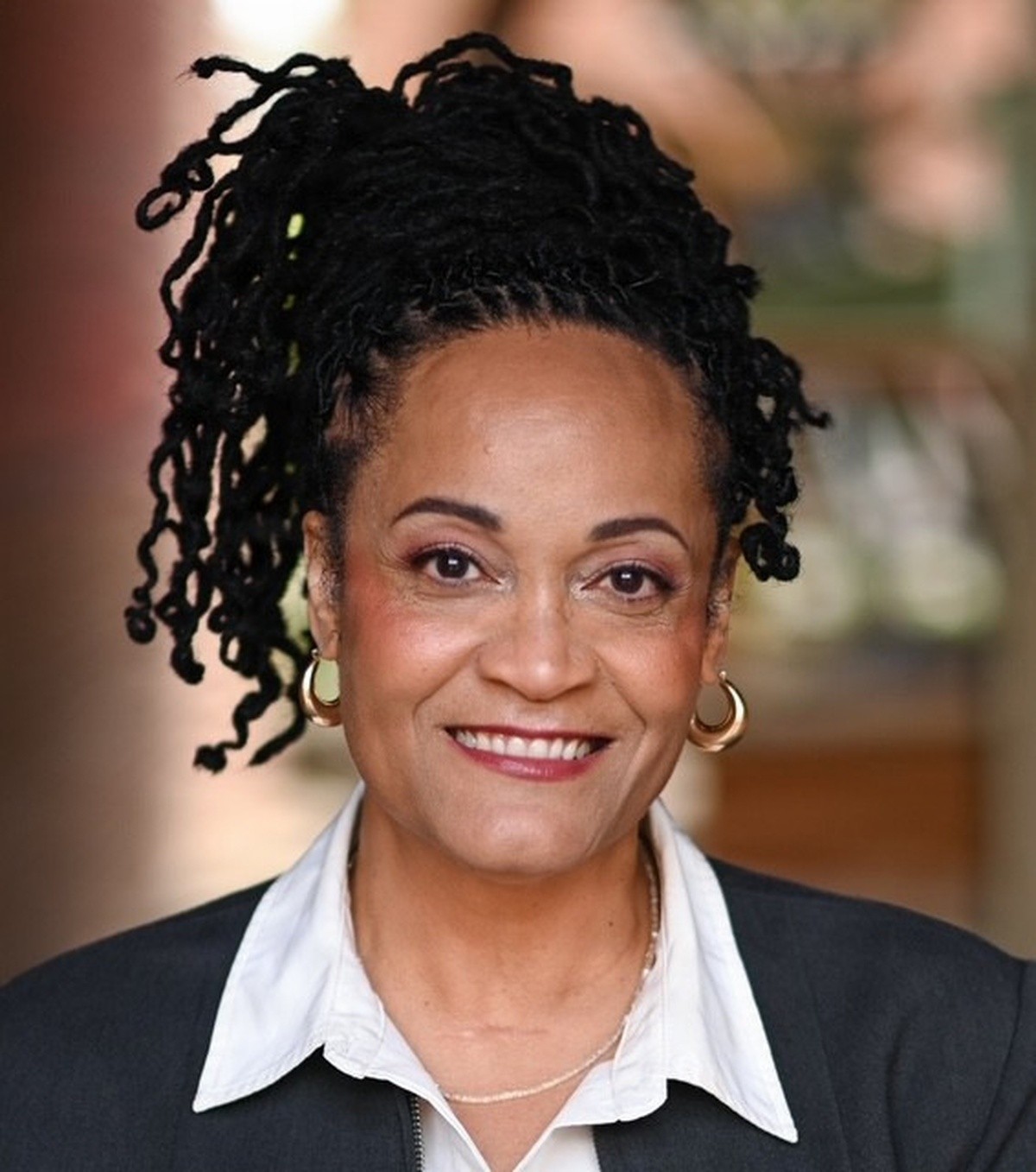
“Everyday Courage” is a series highlighting stories from Army community members that show how their resilience was put to the test and how they were able to overcome hardships. Denver Beaulieu-Hains is a domestic violence Survivor, Army-trained communications expert and Veteran. She is an outspoken domestic abuse awareness advocate, focusing on its root causes and promoting healing and support resources for military Families. This is her story.
I lived with my husband, who was a Soldier, for at least six years before I decided to leave. I knew I needed to leave because I was afraid that he’d kill me. We got married when I was 21 years old, right out of college. Throughout our marriage, I was extremely isolated. When we were stationed at Fort Bragg, we lived in a little town that was far from the base, and I didn’t have many friends. When we moved to Fort Belvoir, there was more of a community. I had a vehicle, but if my husband was home, he would drive me everywhere to control my movements. He’d say things like, “You know, you don’t need to have friends—you have me.” He would tell me I was “too good” to hang out with people on the base, as an attempt to keep me isolated.
At the time, I felt like there were rules that would hurt my family if I reported the physical and emotional abuse. It was like getting punished because if you spoke up, you could lose your rank and salary. There was a stigma surrounding it, including feelings of embarrassment.
When my husband traveled for work, I managed everything. As I navigated garrison life, I learned about the programs that were available at post, including Army Community Service. Seeing posters and flyers and speaking to people helped me learn about the resources that were available to me. I began to ask questions. I went to a women’s support group. It was a simple group where women could come together and talk. I realized I didn’t want just to talk about what was happening to me. I didn’t want to be in the same place a year later. I planned to leave, and I knew the Army would be my refuge. It was what I knew and understood. It was a safe space. All I needed was a roof over my head, lights and water. I felt all the rest would come later. I could make a life and a career to support my children.
So, I enlisted in the Army. But as my career developed, the violence escalated in my marriage. I struggled with the stress and emotional turmoil of an investigation. I was eventually issued an order of protection. The person that I credit the most with changing my life was my 1st Sgt., “Top.” I was stationed in Korea as an on-air broadcaster with the American Forces Network. I went from having a full head of hair to shaving it all off. Top could tell something had changed drastically in my life. He was direct and to the point when discussing my mental health. He urged me to address the issues at hand.
I left Korea in the middle of winter under a compassionate reassignment. It was after my husband smuggled a weapon from work in the trunk of his car and drove to my home.
I relocated to Hawaii with my three kids. I had no car and no furniture. I had very little, but I had a fresh start. People in the community didn’t know my story, but there was always help along the way.
Top’s attention to detail and care and concern ensured my safety while I grew as a leader, Soldier and mother of three.
To me, resilience means taking nothing and turning it into something. That means you keep going even though the future is unknown and uncertain. My children wouldn’t become a statistic. I worked every day to ensure they wouldn’t carry the trauma of my experiences. I had to be the positive example.
After I left my husband, each day was full of post-traumatic growth and personal accountability. I learned about my social triggers and the impacts the abuse had on me and my Family. Over time, we’ve learned to talk about our experiences. We share the good, the bad and the ugly as we are all healing together. True healing is when one recognizes the event and, with support, can cope and move beyond the pain.
Loud noises and sudden, unexpected movements freaked me out once upon a time. Back then, I didn’t know I could be triggered by regular, everyday occurrences. They were symbols of past experiences that have since been reconciled as I’ve healed physically, mentally, spiritually and emotionally. My awareness and understanding of the traumatic memories have helped them fade into my past. The post-traumatic stress, insecurity and damage to my confidence are things I’m still working on, as healing is a priority. Today, I refuse to let those events rule my life.
I’ve dedicated the past 20 years of my life to sharing my story. I’ve had a meaningful career, and I’ve traveled the world. I’ve even won awards for my work. My children are adults, and I have three grandchildren. I want to help others find hope, strength and the resources to begin their own healing journey. If you’re in an abusive relationship, you’re not your current circumstance. You’re always growing; you’re always changing. Don’t be afraid to let go, because what you let go of just creates opportunities for the future. There is support available right in your own network. People can and will help.
If you or someone you know are in need of assistance, please reach out
Safety From Violence & Abuse
https://www.militaryonesource.mil/relationships/prevent-violence-abuse/
Social Sharing