
Greg Wilson, ASC Public Affairs
ROCK ISLAND ARSENAL, Ill. - The U.S. Army Sustainment Command’s Supply Chain Operations Directorate moves quietly in the background, coordinating the Army’s supply picture in ways that ripple across every formation.
A unit’s equipment, ammunition, repair parts and everyday Soldier gear relies on a continuing feed of materiel, from the mundane to the mission critical.
The focus of SCOD, as its name implies, is the supply chain itself: the process of getting supplies and equipment from one location to another and ultimately to where the Soldier needs it.
For instance, if there is a delay in a shipment, the Soldiers, Civilians and contractors in SCOD track where in the chain that particular shipment is through the Army Vantage program - a cloud-based analytics platform that brings together and visualizes data across the Army using advanced analytics and artificial intelligence to connect millions of data points into displays that supports quicker, more informed decisions.
This allows SCOD to provide real-time day-to-day information to units to help them get it moving again. All of this is geared toward moving fuel, hazardous materiel, repair parts, clothing and equipment quickly and safely to units around the world.
“The Supply Chain Operations Directorate plays a key role in making sure Soldiers and Army personnel worldwide have the supplies they need, when they need them,” says Stacy Townsend, who leads the SCOD, lodged in ASC’s Support Operations Directorate.
The SPO is a collection of specialized offices that coordinate the command’s major logistics efforts, such as supply, maintenance, transportation and logistics, essentially serving as ASC’s operational nerve center.
ASC is a major subordinate command of U.S. Army Materiel Command and is AMC’s “single face to the field” for logistics and materiel readiness. Its focus and attention to detail helps ensure that units receive equipment on time, distribution networks don’t stall, readiness rates don’t drop, and combatant commanders get what they need to sustain operations.
“SCOD uses data analysis and coordination with Army Field Support Brigades and commands to spot and fix problems in the supply chain,” explains SCOD Deputy Maj. Ian Black.
AFSBs, which are subordinate units to ASC, are regionally aligned units located around the globe that oversee and integrate sustainment, logistics, and materiel support, linking AMC capabilities to keep every unit supplied and available should the need arise.
Information sharing and coordination are central to keeping everyone involved aligned with evolving requirements, aware of shifting conditions, and connected to the larger mission.
“We are in constant communication with personnel and groups all over the world,” says Chief Warrant Officer 3 Ikaika Tautua, senior supply systems technician with SCOD.
“We coordinate scheduled and unscheduled meetings to address current issues and find a way to resolve them,” says Tautua. “We also look for patterns and measure performance and regularly communicate with people and organizations throughout the Army and the Department of War.
“In addition,” he says, “we share updated guidance with AFSBs and Logistics Readiness Centers through our Standard Operating Procedures, making sure everything stays aligned with the latest Army Regulations.”
An LRC serves as the installation’s logistics hub, providing supply, maintenance, and transportation services that Soldiers and units rely on. As part of the AFSB structure, it executes the brigade’s sustainment responsibilities at the local level and helps prevent delays caused by outdated processes.
Black says they frequently field inquiries from units about the status of expected supplies in the pipeline, answering questions about where items are and when they’ll arrive.
Also, when one unit faces a shortage, they help identify where another unit may have a surplus. From there, it becomes a relatively simple transfer, both physically and in the system, to keep materiel moving where it’s needed most.
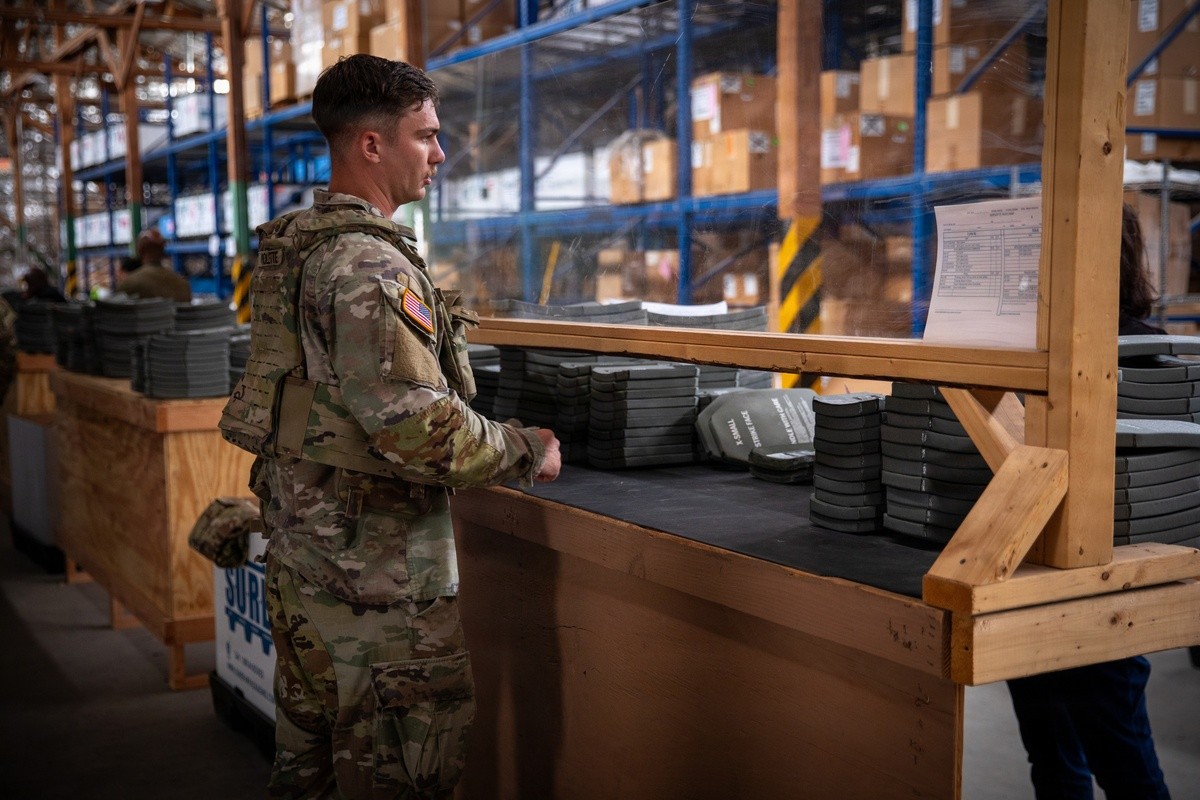
SCOD also works closely with ASC’s Central Issue Facilities. These are supply points that handle issuing, exchanging and taking back a Soldier’s worn or excess organizational clothing and individual equipment. This includes uniforms, helmets and other gear a Soldier wears or uses during their career. Through the years, a Soldier can sign for all kinds of personal gear and take responsibility for it. With frequent moves, it’s easy to end up carrying equipment they’re still accountable for, even if it’s not something they no longer need.
Army leaders say that tracking unneeded equipment is burdensome for Soldiers and inefficient for the Army, which must continue managing those items. The ongoing Army-wide Rapid Removal of Organizational Clothing & Individual Equipment initiative aims to reclaim outdated gear and remove it from Soldiers’ records.
How big of an issue is this? Black says that “42 active‑duty CIFs have disposed of more than four million excess items over the past year and a half, and we currently have just over one million more items no longer needed that are slated to be taken off the books, valued in excess of a million dollars.”
Leaders focus on three core functions: improving processes, analyzing systems, and overseeing programs. These rely on clear information about resources and how best to move them. Together, they unify efforts to solve problems, standardize operations, and reduce the load on people at the front line.
The intended result is getting needed equipment and supplies to Soldiers faster and more efficiently, which means greater readiness.
Social Sharing