The 16th Combat Aviation Brigade (CAB) continues to set the standard for Army Aviation in the Pacific, placing warfighting, lethality, and mission readiness at the center of everything it does. As the Army’s premier aviation force in the Indo-Pacific, the brigade remains focused on building combat power through realistic training, joint integration, and rapid deployment readiness—ensuring it can answer the nation’s call anytime, anywhere.
Throughout this past fall, the 16th CAB executed a series of high-impact training events designed to expand operational reach, strengthen joint interoperability, and increase lethality across the formation.
Enhancing Lethality: SPIKE NLOS Live-Fire Demonstration
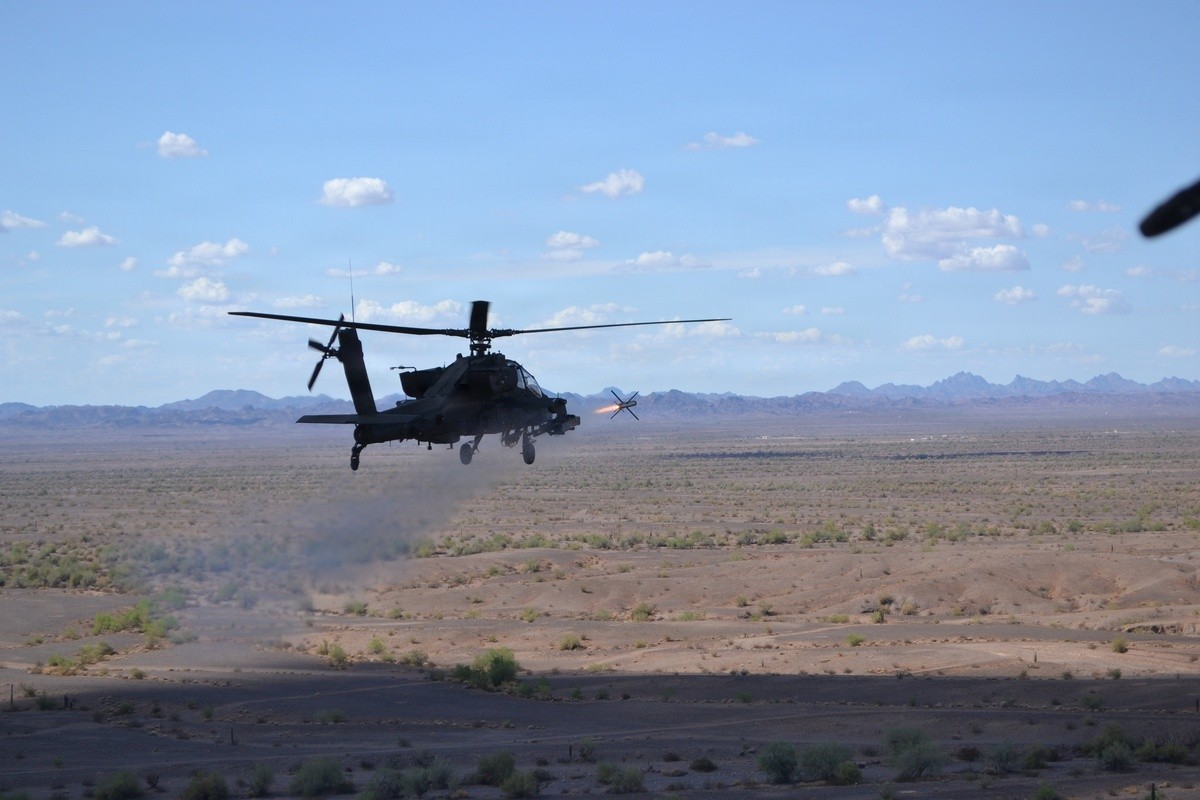
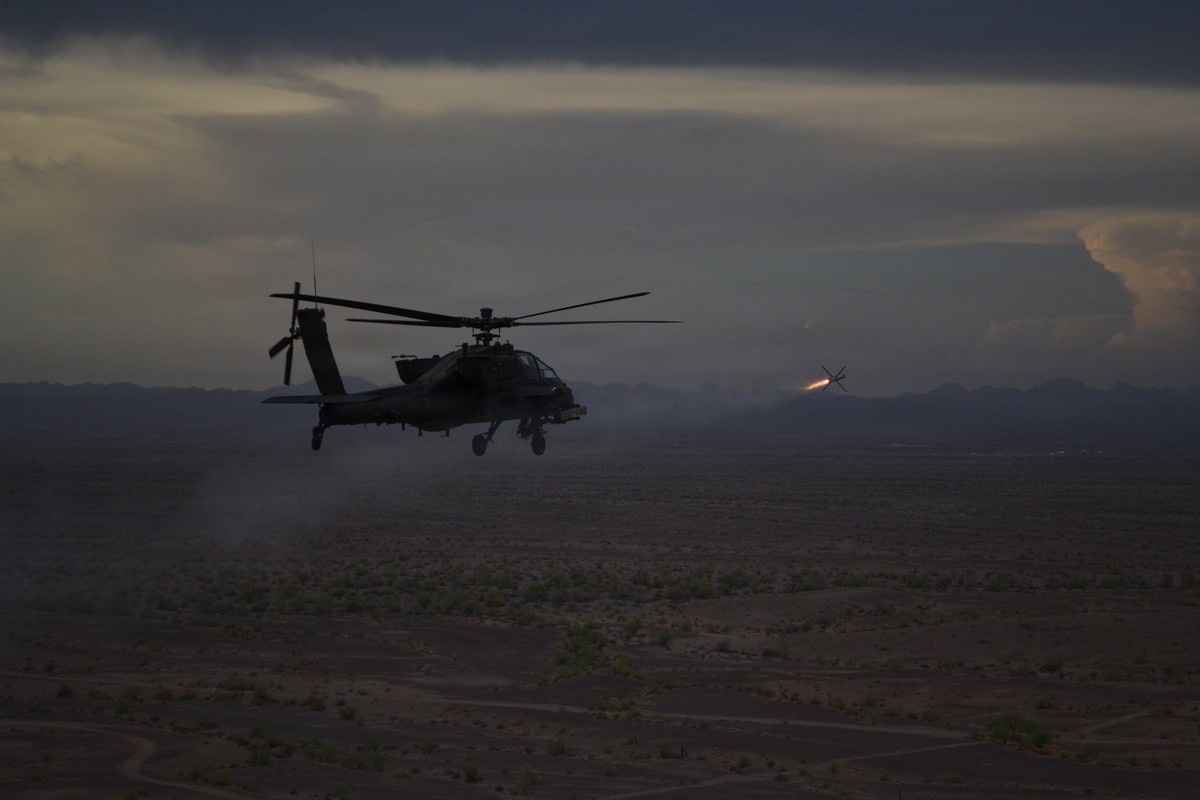
United States Army Aviation continues to modernize its warfighting capabilities, and this fall the 16th CAB played a key role in advancing next-generation lethality. In September, soldiers from the 1st Attack Battalion, 229th Aviation Regiment (1-229 AB) conducted a live-fire demonstration of the SPIKE Non-Line-of-Sight (NLOS) missile at Yuma Proving Ground, marking a significant leap forward in Apache attack aviation capability.
The SPIKE NLOS dramatically increases the Apache’s operational reach, allowing aircrews to engage numerous types of moving and stationary targets from extended standoff distances. SPIKES precision and ability to strikFe deep into enemy lines, with or without direct line of sight give commanders an organic capability not previously available within the Pacific Theater.
“The AH-64E Apache now provides organic, lethal, precision munitions beyond the military crest for the ground commander,” said Chief Warrant Officer 4 Brandon Garner, the Standardization Officer for 1-229 AB. “The more challenges we present our enemy to solve, the greater our chances of a successful campaign. Spike delivers that challenge in spades.”
The successful demonstration reinforces the Army’s commitment to a more lethal, survivable, and agile force, capable of delivering precision effects at extended ranges and reshaping the contours of future conflict
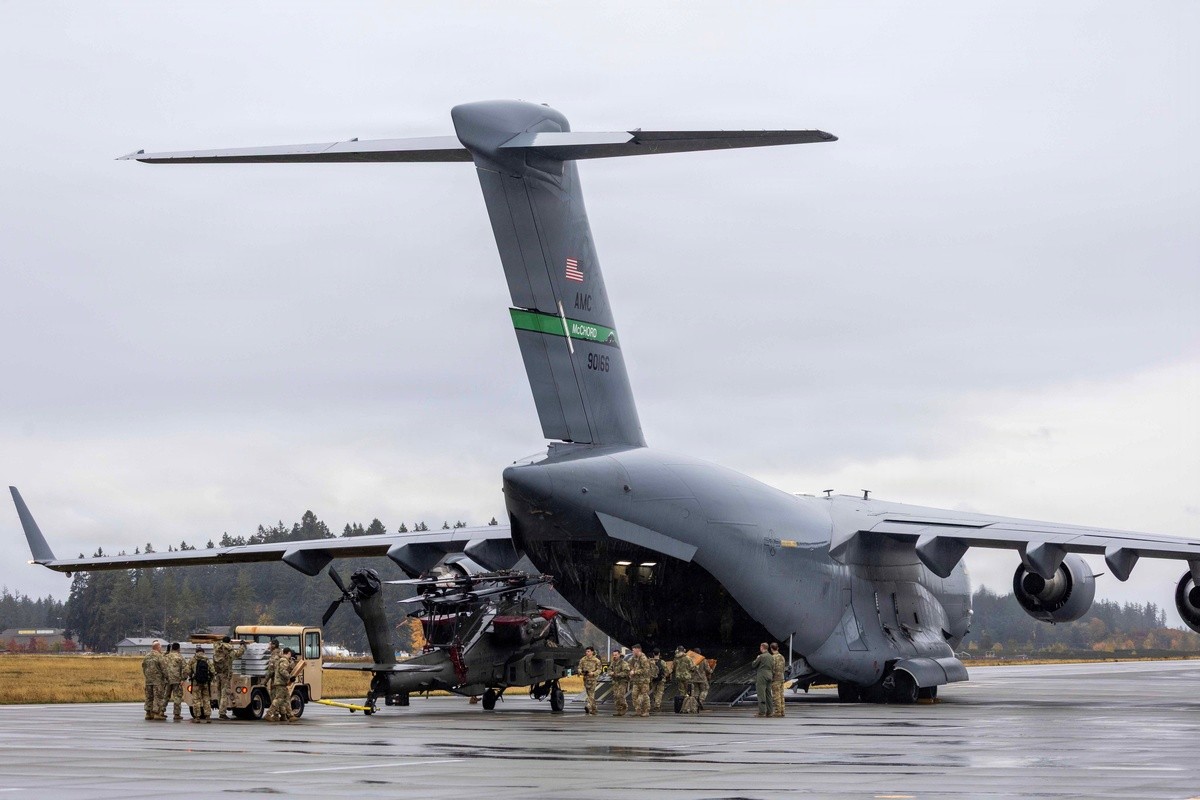

Projecting Power at Speed: Rapid Deployment for INDOPACOM
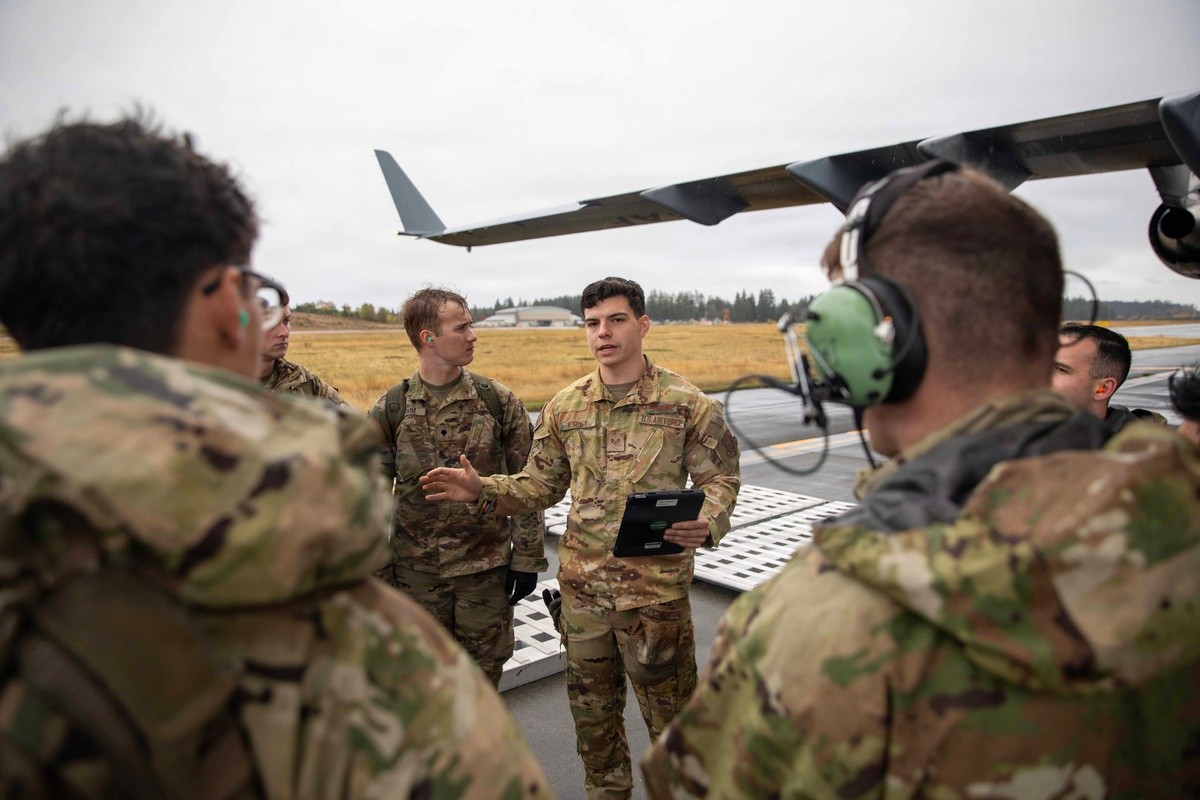
In the vast Indo-Pacific, where thousands of miles separate dispersed island chains, speed is survival and reach is lethality. To maintain a decisive advantage, the 16th CAB recently refined its rapid deployment capability by training alongside the U.S. Air Force’s 446th Airlift Wing to load and transport AH-64 Apache helicopters aboard a C-17 Globemaster III.
This joint training ensured the brigade can project combat aviation power across the U.S. Indo-Pacific Command (INDOPACOM) area of responsibility (AOR) at a moment’s notice. Beyond logistics, the exercise validated the brigade’s ability to synchronize air and ground forces, extend operational reach, and rapidly deliver lethal effects where they are needed most.
“This training is mission-critical,” said Capt. Raymond Gaspardo, commander of 1st Attack Battalion, 229th Aviation Regiment. “With an AOR this vast, our partnership with the Air Force is essential to proving we can provide immediate combat power anywhere in the world.”
This training exercise strengthened joint readiness while reaffirming the brigade’s ability to deploy across oceans and continents without delay.
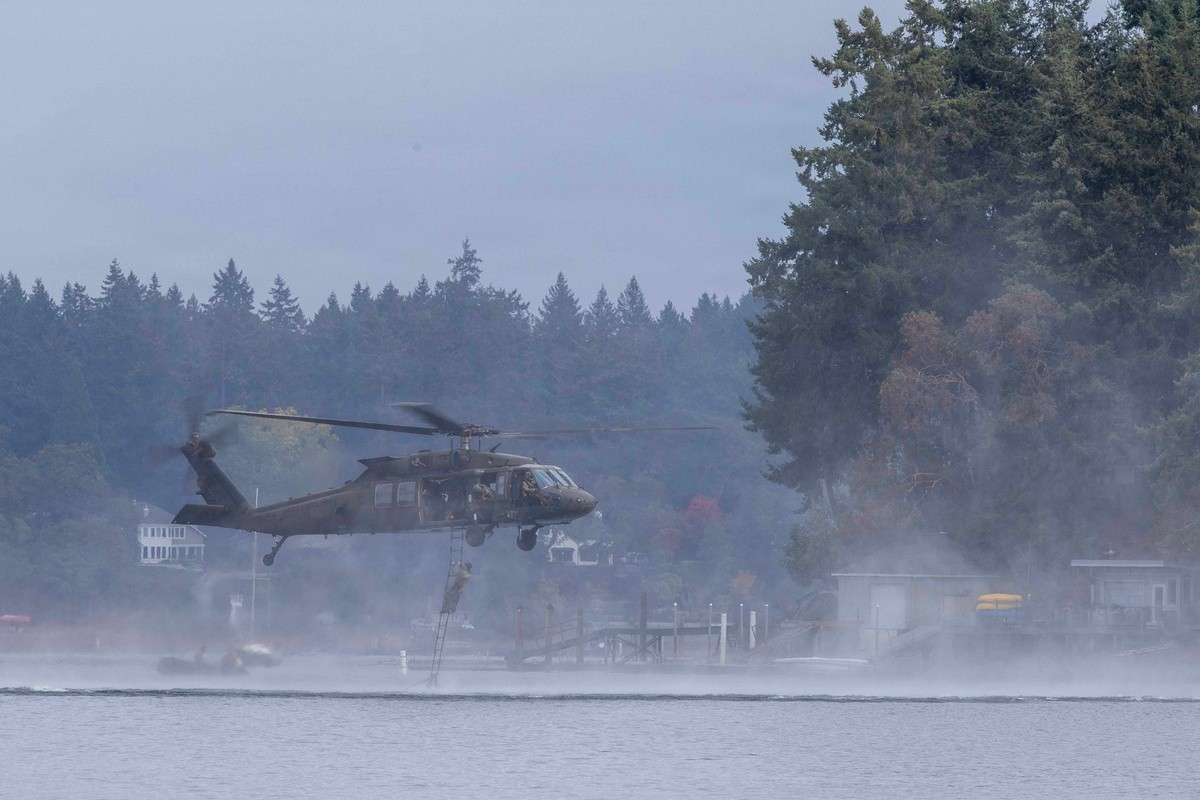
Joint Helocast Operations: Building Interoperable Warfighters
Soldiers from 2-158th Assault Helicopter Battalion (AHB) partnered with Airmen from the 5th Air Support Operations Squadron (ASOS) for a joint Helocast training event—another critical step in building joint lethality across the Pacific.
While each unit approached the training with distinct objectives, both shared a common goal: developing adaptable, lethal warfighters capable of operating in contested, maritime environments. Overwater flight operations remain a core mission set for the 16th CAB, and Helocast proficiency enables teams to insert or extract personnel in austere locations across the Indo-Pacific.
“Overwater operations and training are critical to extending combat power in littoral environments in order to fully support the objectives of our joint partners, of which Helocast and recovery are an essential capability,” said Chief Warrant Officer 3 Zach Parrott, from 2-158th AHB. “These capabilities change how leaders shape the fight and conduct joint operations.”
The training also included refining caving-ladder and self-recovery techniques, increasing survivability during maritime missions and reinforcing the brigade’s ability to operate confidently in water-dominated terrain.
“As an Air Force Special Warfare unit, training alternate methods of insertion and extraction with Joint partners provides additional maneuver capabilities to the Joint Force that increase our reach and combat capabilities across the Indo-Pacific,” said Capt. Clayton Archer, the Assistant Director of Operations for the 5th ASOS. “The Helocast training we executed in conjunction with the 16 CAB prepared our deployers for FY26 taskings and increased our interoperability with a Joint partner.”
The partnership between the 16th CAB and 5th ASOS will continue into 2026, strengthening joint integration and developing lethal warfighters prepared for tomorrow’s fight.
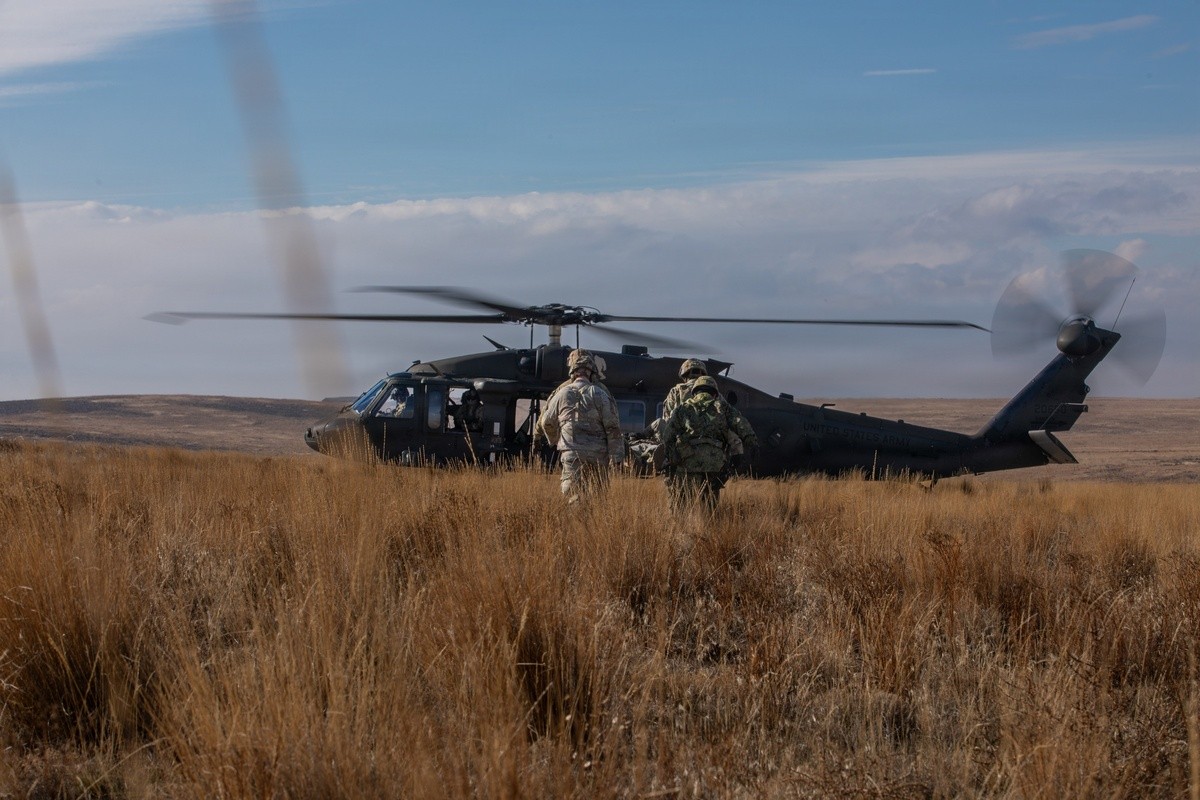


Strengthening Alliances: Rising Thunder
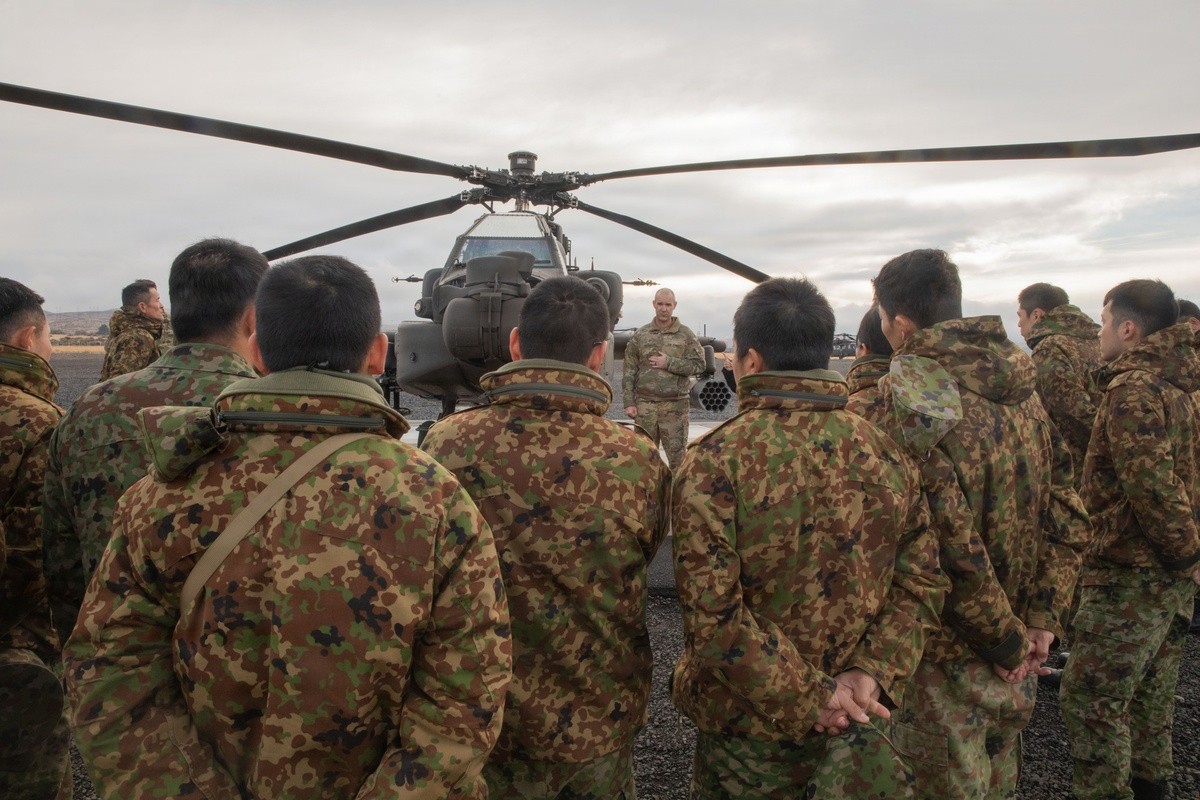
This past fall, the 16th CAB played a key role in supporting the 7th Infantry Division and the Japan Ground Self-Defense Force (JGSDF) during Rising Thunder, ensuring U.S. and Japanese forces were proficient in aviation integration during live-fire operations at Yakima Training Center (YTC). Units from the 7th Infantry Division and the JGSDF train together annually to strengthen interoperability, share tactics and procedures, and reinforce the enduring U.S.–Japan alliance.
With a mission set focused on the INDOPACOM AOR, the 16th CAB prioritizes training with allies and partners across the region. Rising Thunder provided an opportunity for the brigade to plan and operate alongside Japanese forces from the 22nd Rapid Deployment Regiment, reinforcing the ability to communicate and integrate effectively despite language and cultural differences—an essential requirement for coalition operations.
"Training and planning alongside the JGSDF during exercises like Rising Thunder is critical to our readiness," said Capt. Vogler, an operations officer with 1st Attack Battalion, 229th Aviation Regiment. "It allows us to hone our Soldiers' skills and ensures we can effectively fight alongside our partners and allies throughout the Pacific."
Exercises such as Rising Thunder, along with Cobra Gold earlier this year, ensure the 16th CAB remains a premier aviation force and a trusted ally within the INDOPACOM region.
To read more about Rising Thunder: Please Click Here
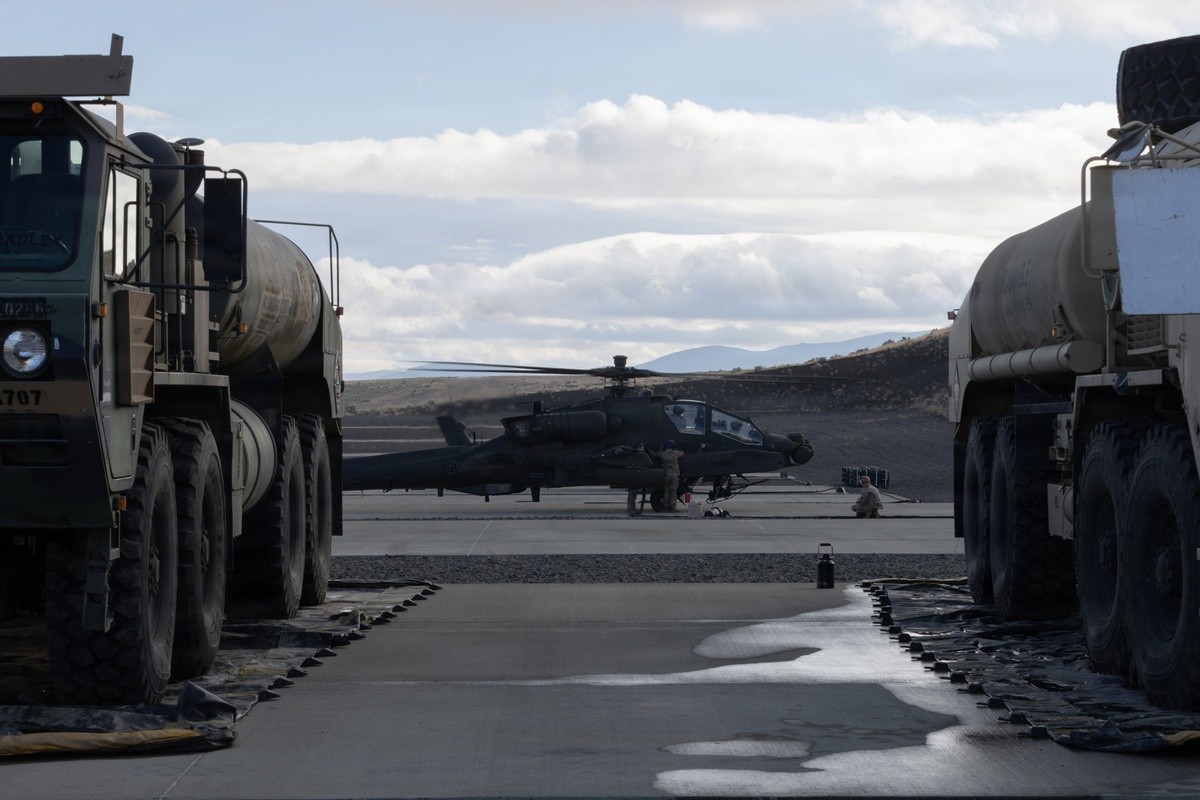
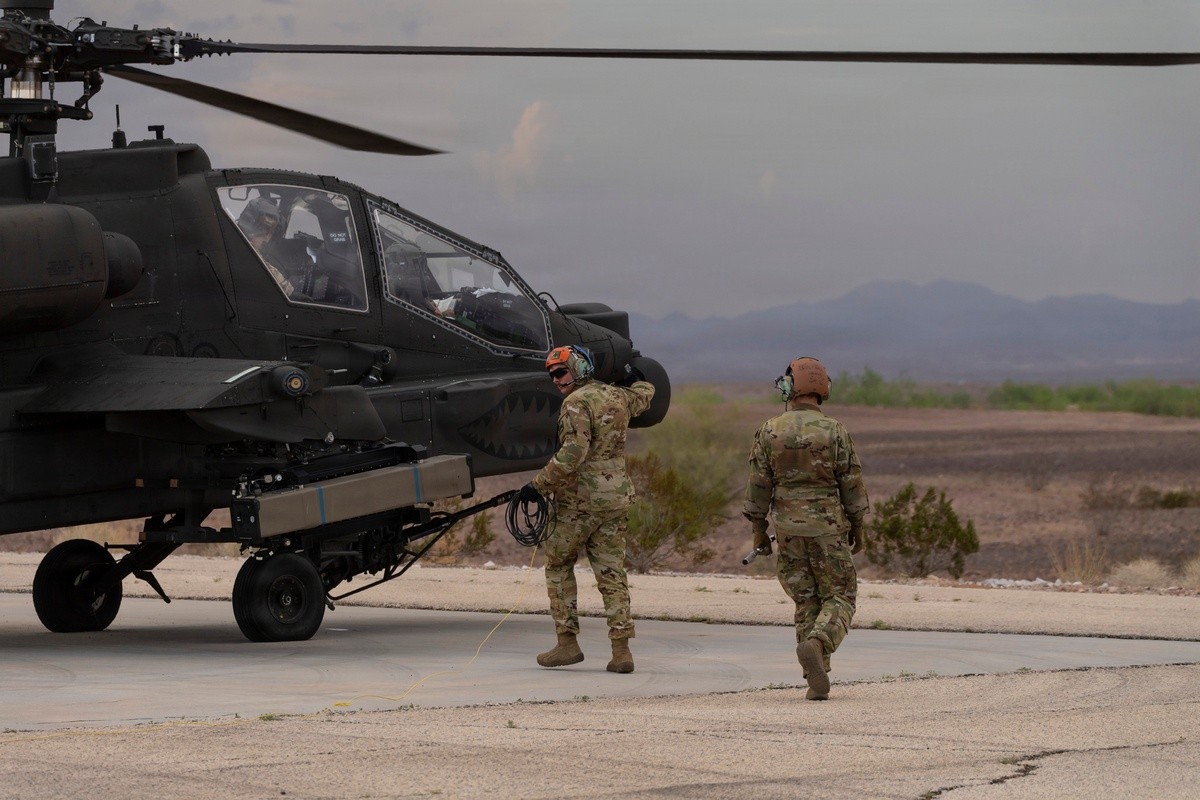
The Foundation of Lethality: 46th Aviation Support Battalion Powers 16th Combat Aviation Brigade’s Global Readiness
As the 16th CAB continues to push the boundaries of modern aerial warfare—from testing revolutionary systems like the SPIKE NLOS missile to executing complex joint operations—its operational dominance remains anchored by a single critical element: the technical excellence of the 46th Aviation Support Battalion (ASB).
While advanced weaponry and elite pilots represent the "tip of the spear" for Army Aviation, the maintainers and mechanics of the 46th ASB serve as the "hardened shaft." Their work provides the structural strength and mechanical reliability required for the 16th CAB to strike with precision and sustain long-term operations.
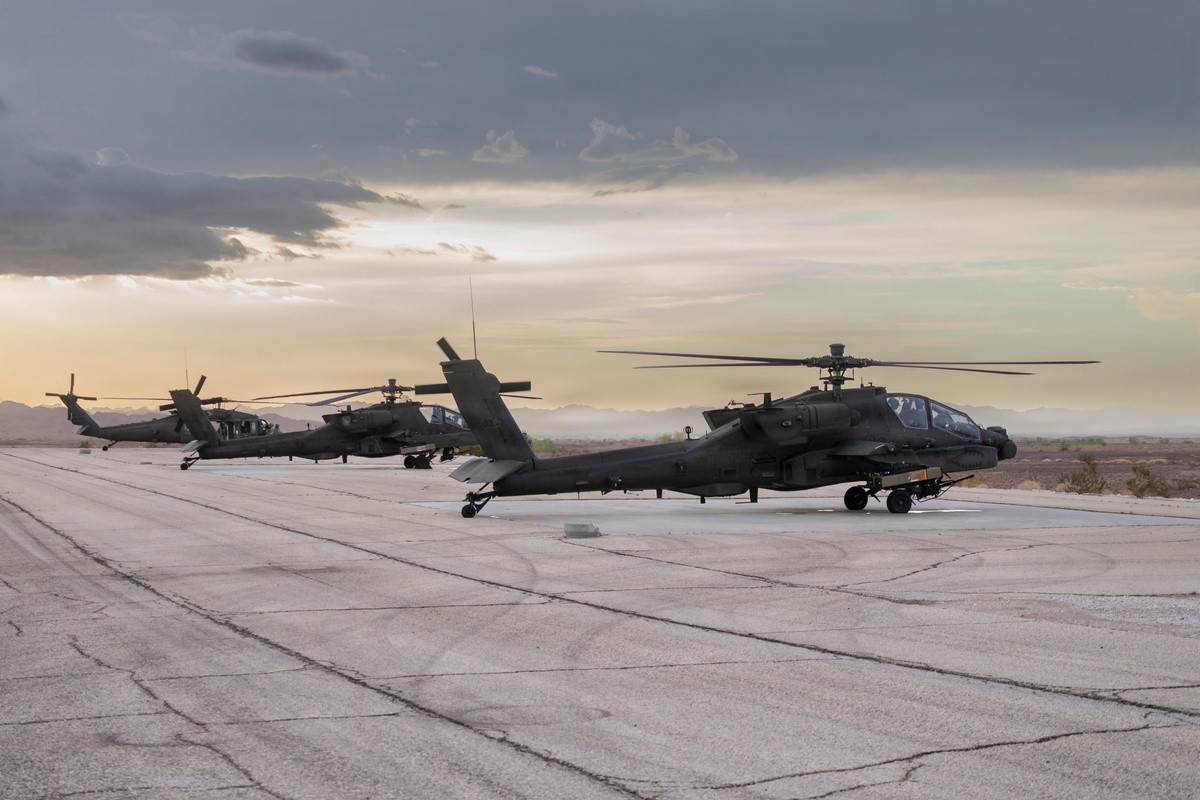
Lethality is not merely achieved in flight; it is forged on the flight line and within the hangars long before an aircraft leaves the ground. The 46th ASB’s dedicated maintainers ensure that every AH-64 Apache and UH-60 Black Hawk is mission-ready, supporting a spectrum of operations that ranges from rapid global deployment to life-saving MEDEVAC missions in the challenging terrain of the Cascade Mountains.
The battalion’s commitment to technical mastery is a point of pride for leadership. “I could not be prouder of the effort and professionalism of the Soldiers in the 46th ASB,” said LTC Matthew Young, Commander of the 46th ASB. “Their work ensures our pilots can fly safely and execute their missions effectively. We produce the best maintainers in the Army.”
The 46th ASB provides the foundational readiness that transforms the 16th CAB into a truly lethal force. By bridging the gap between sophisticated technology and operational execution, the 46th ASB Bellators ensure the Raptor Brigade remains prepared to fight tonight and win in any environment against any adversary.
Always Ready, Always Lethal, Always Fly
From next-generation missile systems and maritime insertion to global air movement and allied integration, each training event strengthens the brigade’s warfighting foundation. The 16th Combat Aviation Brigade remains postured to rapidly deploy and deliver lethal aviation effects anywhere in INDOPACOM—ready to fight and win.
Social Sharing